8 Celebrity Phobias That Prove Fame Cannot Scare Fear Away
Fame can make a person look fearless from the outside. We see celebrities walking red carpets, performing in packed stadiums, filming dangerous scenes, and answering questions under flashing cameras as if pressure is just part of the furniture. Yet behind the designer clothes, award speeches, and polished smiles, many stars carry fears that feel surprisingly ordinary, oddly specific, or downright strange.
That is what makes celebrity phobias so fascinating. They remind us that money can buy security, private jets, assistants, and gated homes, but it cannot always silence the nervous system. Some fears are rooted in childhood memories, some come from bad experiences, and others seem to arrive without a neat explanation. These eight celebrity phobias show that even the most famous people can be shaken by things most of us barely notice.
Johnny Depp’s Fear of Clowns

Johnny Depp has built a career out of playing strange, gothic, and wildly theatrical characters, which makes his reported fear of clowns feel almost ironic. The actor has worn heavy makeup, stepped into surreal worlds, and brought dark humor to the screen, yet clowns are said to unsettle him deeply. It is not the circus costume alone that makes them creepy. It is the painted smile, the frozen expression, and the feeling that something darker may be hiding underneath the performance.
That fear makes sense to many people because clowns occupy an uncomfortable middle ground between funny and frightening. Their faces are designed to entertain, but they also hide normal human expression. For someone as visually sensitive as Depp, that artificial cheerfulness can feel more threatening than playful. His phobia turns a childhood party figure into something closer to a horror-movie warning sign.
Nicole Kidman’s Fear of Butterflies
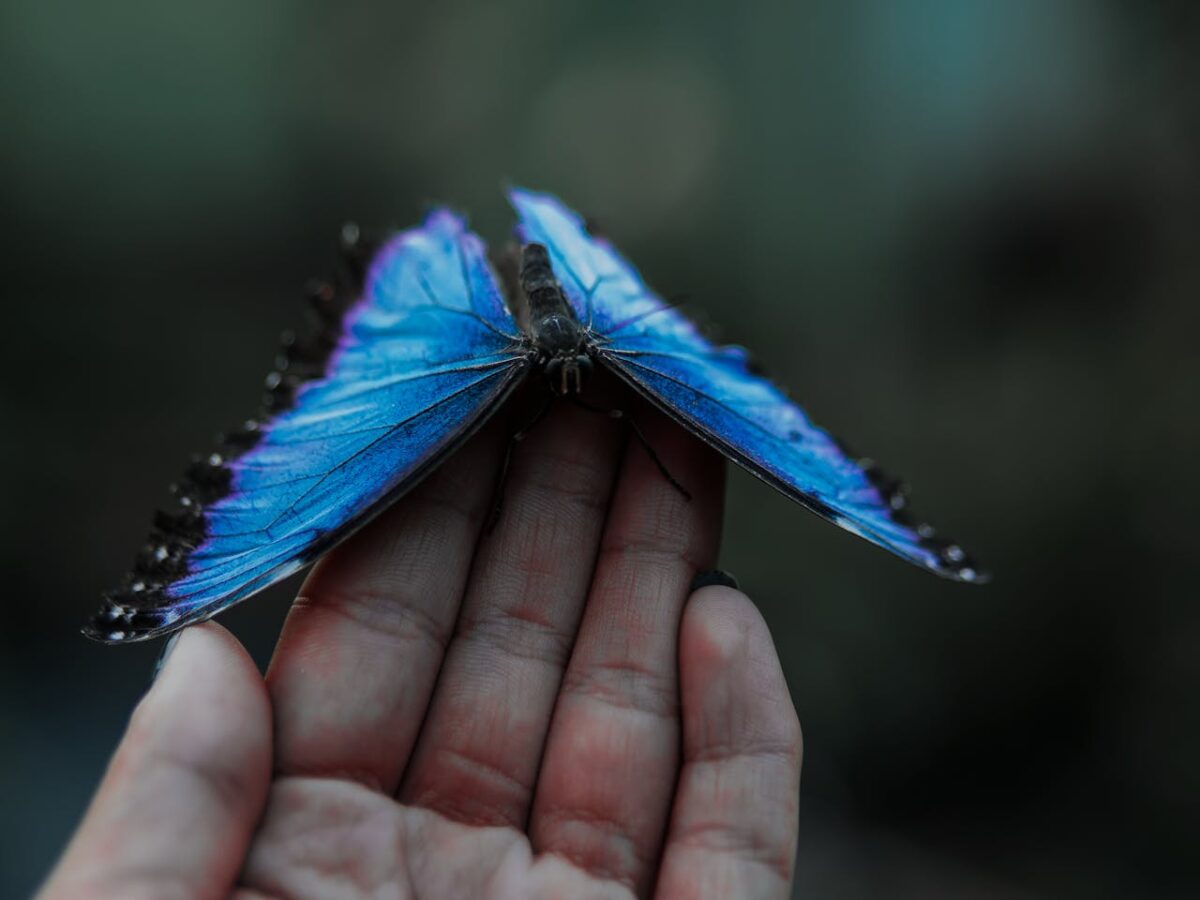
Nicole Kidman’s reported fear of butterflies is one of the most unexpected celebrity phobias, as butterflies are usually seen as symbols of beauty, softness, and transformation. For Kidman, though, their delicate wings and fluttering movement have reportedly been enough to cause real discomfort. Growing up in Australia, where insects can be bigger and bolder than expected, may have made the fear feel even more intense.
What makes this phobia so interesting is the contrast. Snakes, spiders, and sharks usually get the dramatic fear treatment, but butterflies seem harmless to most people. That is exactly how phobias work. The trigger does not need to look dangerous to everyone else. If the brain links that object with panic, the body responds before logic has time to enter the room. Kidman’s fear shows how even beautiful things can feel terrifying up close.
Adele’s Fear of Seagulls
Adele’s fear of seagulls reportedly began with a childhood moment involving an ice cream and a bold bird on the coast. That sounds almost funny until you imagine being young, relaxed, and suddenly attacked from above by a creature with wings, speed, and no respect for dessert. For a child, a swooping seagull can feel huge, aggressive, and completely unpredictable.
The fear stayed memorable because seagulls are not rare creatures to avoid in coastal towns. They hover near food, scream overhead, and move with the confidence of tiny beach criminals. Adele’s fear feels relatable because it grew from a simple public moment that turned embarrassing and frightening. It also proves that a phobia does not need a dramatic origin story. Sometimes one sharp surprise is enough to leave a lasting mark.
Oprah Winfrey’s Fear of Chewing Gum
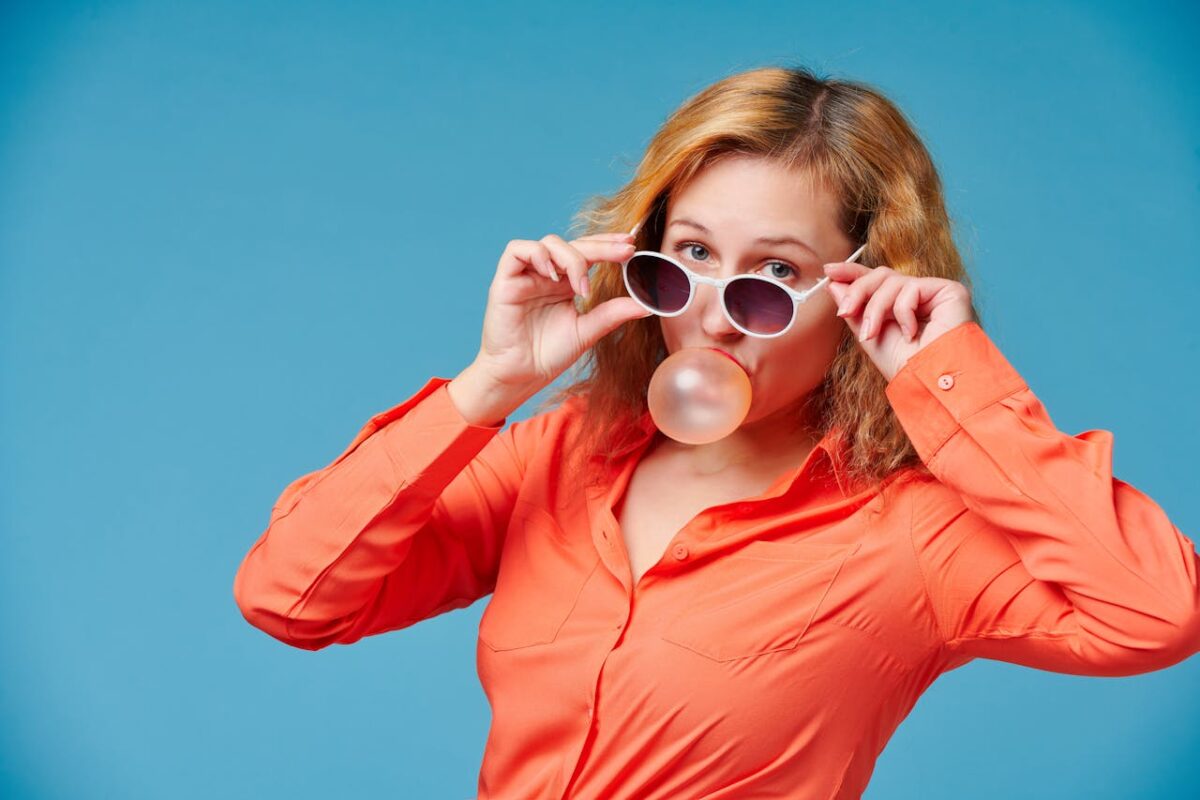
Oprah Winfrey has interviewed world leaders, challenged powerful industries, and built a media empire, yet chewing gum reportedly makes her deeply uncomfortable. The fear is often linked to childhood memories of used gum being stuck around the house, which is enough to make anyone’s stomach turn. For Oprah, gum is not just a minty little habit. It carries the texture, sound, smell, and mess of something she cannot stand.
This phobia is especially vivid because chewing gum is everywhere. People chew it in cars, studios, classrooms, airports, and offices. A person with this fear is not avoiding a rare object tucked away in a museum. They are dodging an everyday annoyance that can appear without warning. Oprah’s reaction makes the fear feel oddly understandable. Sometimes the most powerful trigger is not danger, but disgust.
Megan Fox’s Fear of Dry Paper
Megan Fox’s reported fear of dry paper sounds unusual at first, but the more you picture it, the more sensory it becomes. Scripts, newspapers, and unlaminated pages can feel rough, chalky, and unpleasant against dry fingertips. For an actress who often has to handle scripts, that is an especially inconvenient fear. She has reportedly used water to wet her fingers before turning pages, which turns a simple reading habit into a small ritual of control.
This fear stands out because it is not dramatic in the usual Hollywood sense. There are no monsters, storms, or dangerous animals involved. Just paper. Yet that is what makes it memorable. Phobias often live in tiny details that other people ignore. A sound, texture, or repeated physical sensation can become overwhelming. Fox’s fear proves that the body can reject even the most ordinary objects with surprising force.
Matthew McConaughey’s Fear of Revolving Doors
Matthew McConaughey is known for a relaxed, sun-warmed kind of confidence, so his reported anxiety around revolving doors feels unexpected. Revolving doors are common in hotels, offices, and airports, especially in the glamorous places celebrities often visit. For someone who dislikes them, though, they can feel like a trap with glass walls and moving parts. You have to step in at the right moment, move with the rhythm, and trust that nothing will jam, slow down, or box you in.
That fear has a cinematic quality because revolving doors are built around timing. One second too early or too late, and the simple act of entering a building can feel awkward or stressful. McConaughey’s fear is not hard to understand if you dislike tight spaces or losing control of movement. It shows how a polished public entrance can become a private little nightmare.
David Beckham’s Fear of Disorder
David Beckham has openly discussed his obsessive need for order, straight lines, and perfectly arranged spaces. Although this is more often connected to OCD than a simple phobia, it fits the larger theme of famous people being unsettled by things others barely notice. Beckham has described the urge to keep items in pairs, line things up, and make spaces feel visually controlled. Mess does not just look untidy to him. It appears to create mental tension.
That fear of disorder feels especially striking because Beckham’s public image has always been sleek, disciplined, and carefully styled. In one way, order has helped shape his brand. In another, it can become exhausting when perfection refuses to switch off. His experience shows that control can look glamorous from the outside, but inside the mind, it may feel like a demand that never stops knocking.
Matt Damon’s Fear of Snakes

Matt Damon’s reported nervousness around snakes became especially noticeable during work connected to We Bought a Zoo. Acting often asks performers to pretend fear, but animal scenes can make the emotion very real. Snakes trigger a deep human reaction because they move silently, appear suddenly, and carry a long cultural history of danger. Even people who know a snake is controlled on set may still feel their body tense before reason catches up.
Damon’s fear is one of the more understandable celebrity phobias because snakes are a classic trigger. What makes it entertaining is the contrast between the actor’s calm, heroic screen image and the very human panic that can show up around reptiles. It reminds us that courage does not mean never feeling fear. Sometimes it means standing near the thing that scares you because the scene still has to be filmed.
Conclusion
Celebrity phobias are fascinating because they pull famous people back into human territory. The same stars who sell out arenas, command movie sets, and live under public pressure can still be rattled by clowns, butterflies, gum, paper, seagulls, disorder, revolving doors, or snakes. Their fears may sound strange, funny, or dramatic from the outside, but fear rarely asks for public approval before it takes hold.
These stories also make phobias easier to understand. A fear does not need to impress anyone to feel real. It can come from a childhood scare, an unpleasant texture, a loss of control, or a trigger the mind never fully explains. Fame may surround people with luxury, attention, and applause, but it does not make them immune to anxiety. In the end, these celebrity phobias prove something simple and oddly comforting: even the biggest stars still have moments when their nerves steal the spotlight.