9 Things You Should Never Store in Aluminum Foil
Aluminum foil is the roll most of us grab without thinking. It covers the casserole, tents the turkey and wraps up the last slice of pie in seconds.
But foil is better at cooking than it is at storing. It tears, it doesn’t seal tightly, and it can react with certain foods. Here are nine things that are happier in a container, a jar or a different wrap.
1. Tomato Sauce and Tomato-Based Leftovers
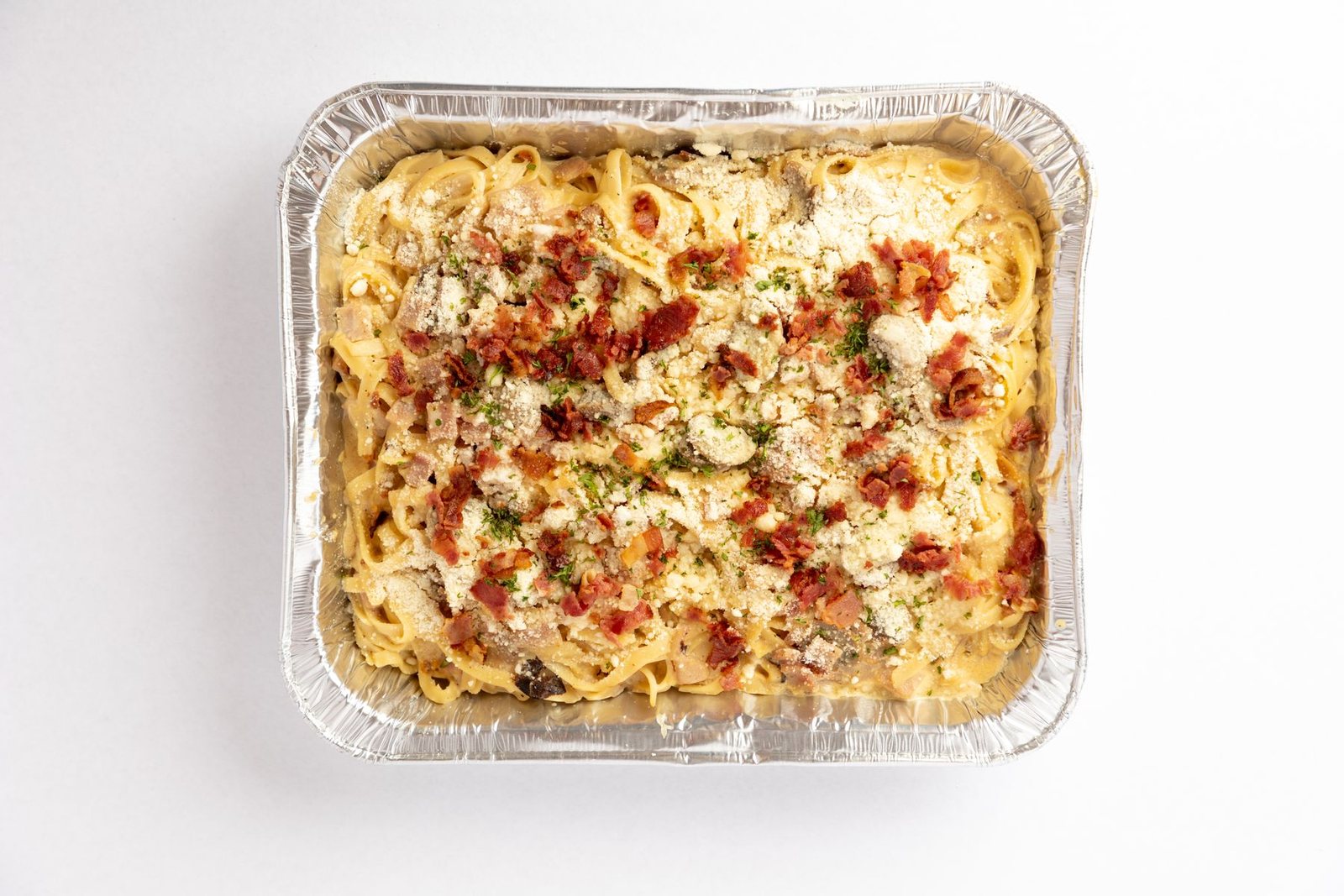
Lasagna, chili and spaghetti sauce are classic foil candidates, but tomatoes are acidic. The USDA explains that when salty, vinegary, highly acidic or highly spicy foods touch aluminum foil, the foil can develop tiny pinholes or leave a harmless gray or bluish residue on the food. It’s not a safety problem, the agency says, but it doesn’t look appetizing either.
The fix is easy. Move leftovers into a glass or plastic container with a lid, or lay a sheet of parchment over the pan before adding foil on top. It’s one of those kitchen mistakes most of us are guilty of at least once.
2. Citrus-Heavy Dishes
Lemon chicken, lime-marinated shrimp and fresh salsa all carry plenty of acid. Left in foil overnight, they can pick up the same pitting and off-color spots as tomato dishes. A lidded container keeps the bright flavor intact.
3. Pickled and Vinegar-Dressed Foods
Coleslaw, marinated vegetables, pickled onions and vinaigrette-tossed salads are all vinegar-based, which the USDA lists among the foods that react with foil. Store these in glass jars or containers, where they’ll stay crisp and tangy.
4. Salty Cured Meats
Holiday ham, corned beef and brined turkey are loaded with salt, another trigger for foil reactions. Wrap sliced ham in plastic wrap or a zip-top bag, or tuck it into a shallow container. If you do use foil for a short stretch, a layer of parchment underneath helps.
5. Leftovers You Plan to Keep for Days
Foil rarely forms an airtight seal, so air sneaks in and food dries out or picks up fridge odors. Food safety educators at Texas A&M AgriLife recommend storing leftovers in shallow, airtight containers, and Michigan State University Extension notes most cooked leftovers should be eaten within three to four days. A good container helps you get the best taste out of every one of those days, and our guide to how long Thanksgiving leftovers really last breaks down the timing dish by dish.
That goes double for pasta. A creamy dish like creamy pesto pasta turns dry and stiff in a loose foil tent but reheats beautifully from a sealed container with a splash of water.
6. Cheese
Cheese needs to breathe a little, but not too much. Foil tends to trap moisture against the surface in some spots while letting the edges dry out in others. Cheese experts at The Splendid Table suggest wrapping cheese in wax or parchment paper first, then loosely in plastic or a bag. And if you’re tempted to reach for a zip-top bag for everything, check our list of things you should never store in Ziploc bags first.
7. Cookies, Bread and Cakes
Foil is great for carrying a plate of cookies to a neighbor, but it’s not ideal for keeping them fresh all week. Air slips in through the folds, and crisp cookies turn soft while soft breads go stale. An airtight tin or container works far better, especially for something special like a homemade honey cake.
8. Fresh Herbs and Leafy Greens
Herbs and salad greens need a little humidity to stay perky. Wrapped in foil, they can wilt or get slimy in spots. Instead, wrap herbs loosely in a damp paper towel and keep them in a bag or container, and store greens in a lined container in the crisper drawer.
9. Anything Headed for the Freezer Long-Term
Foil alone tears easily, and even a small gap lets cold, dry air reach the food and cause freezer burn. The USDA recommends that if you won’t use frozen meat within a month or two, you overwrap it with airtight heavy-duty foil or freezer wrap. For the best results, use freezer bags with the air pressed out or rigid freezer containers, then label everything with the date.
The Bottom Line
Foil still earns its spot in the drawer. It’s perfect for lining sheet pans, covering a roast while it rests and wrapping food for a short trip. For storage, though, a lidded container, a jar or the right wrap will keep your food tasting the way it should.