9 Things You Should Never Store in Your Basement
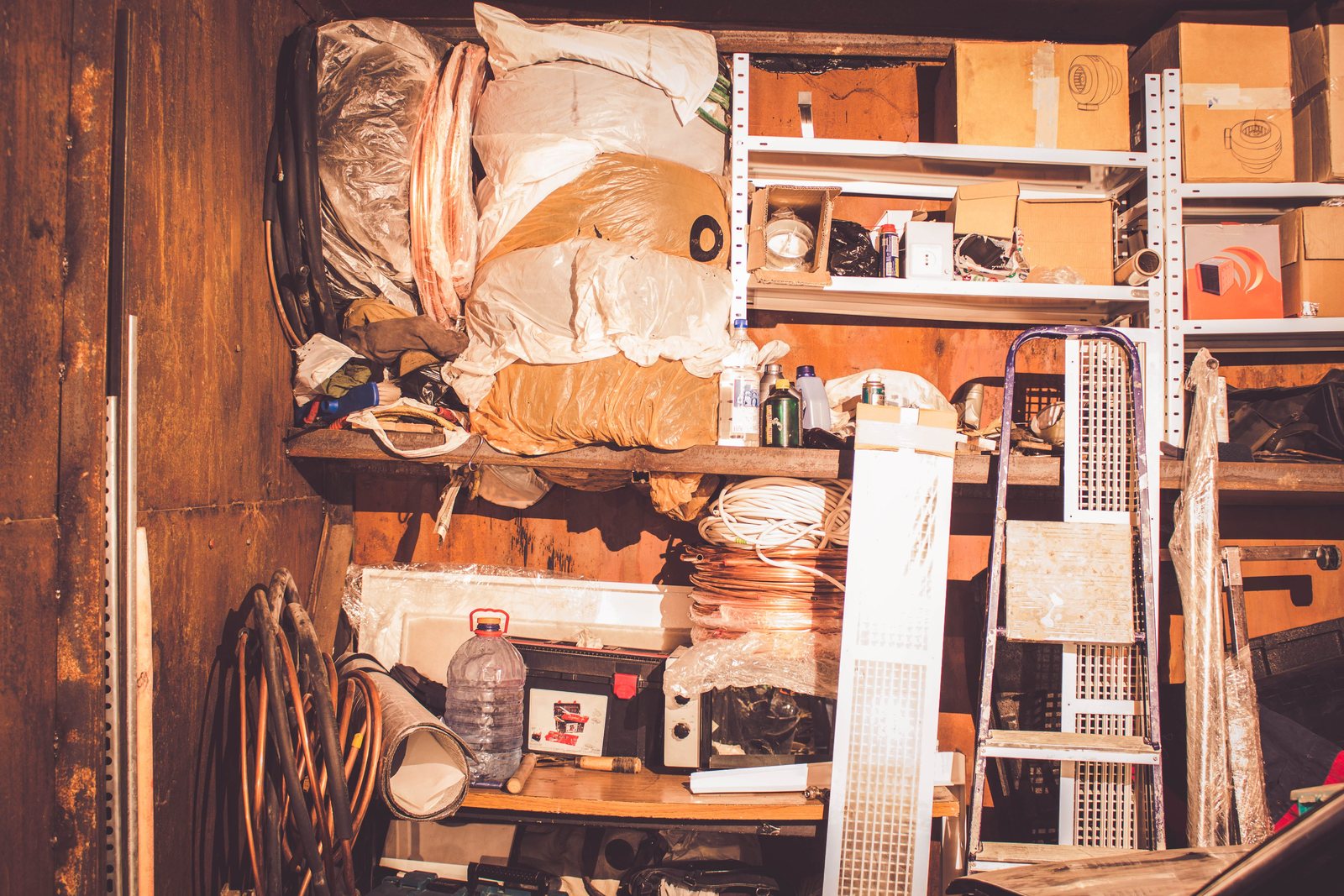
The basement is where most of us put the stuff we don’t want to look at: the extra folding chairs, the boxes from the last move, the half-empty paint cans from a bedroom makeover years ago. It feels like free space, and in a lot of houses it is the biggest storage area there is.
But basements are also damp, they sit right next to the furnace and water heater, and they are the first place water goes when something leaks. A few common items really don’t belong down there, either because they get ruined or because they turn a quiet corner into a fire hazard. If you are hauling out the holiday bins this Thanksgiving weekend, it is a good time to take a second look.
1. Gasoline and Gas Cans
That spare can for the lawn mower or generator should never live in the basement. The U.S. Consumer Product Safety Commission says on its fuel container safety page not to store gas cans in a house or basement, and to keep them away from pilot lights, heaters and other ignition sources. Escaping vapor can find a spark long before you smell a problem.
Keep fuel in an approved container in a cool, ventilated spot away from the house, the same way you would store a pressure washer before the first freeze with its fuel situation sorted out first.
2. Propane Cylinders
Grill tanks and small camping cylinders are another item to keep out of the house entirely. The U.S. Fire Administration’s basement and garage fire safety guidance recommends storing oil, gasoline, paints, propane and varnishes in a shed away from your home. A detached shed, the same place many people keep the garden hose they coil up for winter, is a better home for tanks kept upright and shaded.
3. Paint, Varnish and Solvents Near the Furnace
Leftover paint is one of the most common things people stash downstairs. The trouble is where it usually ends up: on a shelf next to the furnace or water heater. University of Missouri Extension’s guide to storing hazardous products says oil-based paint is flammable and should be kept away from heat sources such as water heaters, pilot lights and motors, in a well-ventilated space.
If you want to keep a little touch-up paint, label it clearly, seal it tight and move it away from anything that runs hot. Our list of things you should never store in your garage in winter covers what happens to latex paint when it freezes, too.
4. Oily or Stain-Soaked Rags
Rags used for wood stain, linseed oil or furniture finishes are a well-known fire risk because they can heat up as they dry. The U.S. Fire Administration advises keeping oily rags in airtight containers and away from heat sources. Missouri Extension goes further and says not to store oily or solvent-soaked rags indoors at all, because they can ignite on their own.
5. Irreplaceable Family Photos
That box of old prints and slides is exactly what basement humidity loves to ruin. The National Archives’ advice on preserving family papers and photographs says to store items out of damp basements, garages and hot attics, keep the temperature below 75 degrees and keep relative humidity below 65 percent to limit mold and insects.
A closet shelf on the main floor is usually a much better choice than a basement corner, and a lidded bin beats the old shoebox, as we explained in our list of things you should never store in cardboard boxes.
6. The Only Copy of Important Documents
Birth certificates, deeds, insurance policies and old tax paperwork are a headache to replace. The Alabama Cooperative Extension System’s flood and water damage guide recommends keeping valuables out of basements and off the floor where flooding is possible, and keeping copies of important documents somewhere else, such as a safe-deposit box or with relatives outside the area.
It is the kind of chore that sits on a list for years, much like the DIY projects that make life easier once you finally do them.
7. Books and Anything in Cardboard on the Floor
Cardboard soaks up moisture from concrete, and books warp, stain and smell musty fast. Missouri Extension’s advice on preparing items for long-term storage suggests packing books flat in solid plastic containers rather than cardboard, which offers less protection against moisture.
If the basement is your only option, lift bins onto sturdy shelves so they stay off the floor and away from exterior walls.
8. Firewood
It seems convenient to keep a big stack of logs by the basement stairs, but warm indoor air can wake up insects living in the wood. Purdue University’s entomology extension notes in its publication on insects in firewood that beetles can emerge even in mid-winter when wood is brought inside, and it recommends bringing in only a couple of days’ worth at a time.
Keep the main pile outdoors, off the ground and a few feet from the house, with a cover on top so it stays dry enough to burn well.
9. Boxes and Decorations Crowding the Furnace or Water Heater
This one is less about the item and more about where it sits. Holiday bins, old clothes and cardboard tend to creep closer to the furnace over time. The U.S. Fire Administration says to keep anything that can burn at least 3 feet from the furnace, oil burner, wood stove and water heater.
A quick fix is to mark a 3-foot zone on the floor with tape and keep it clear.
A Better Basement Plan
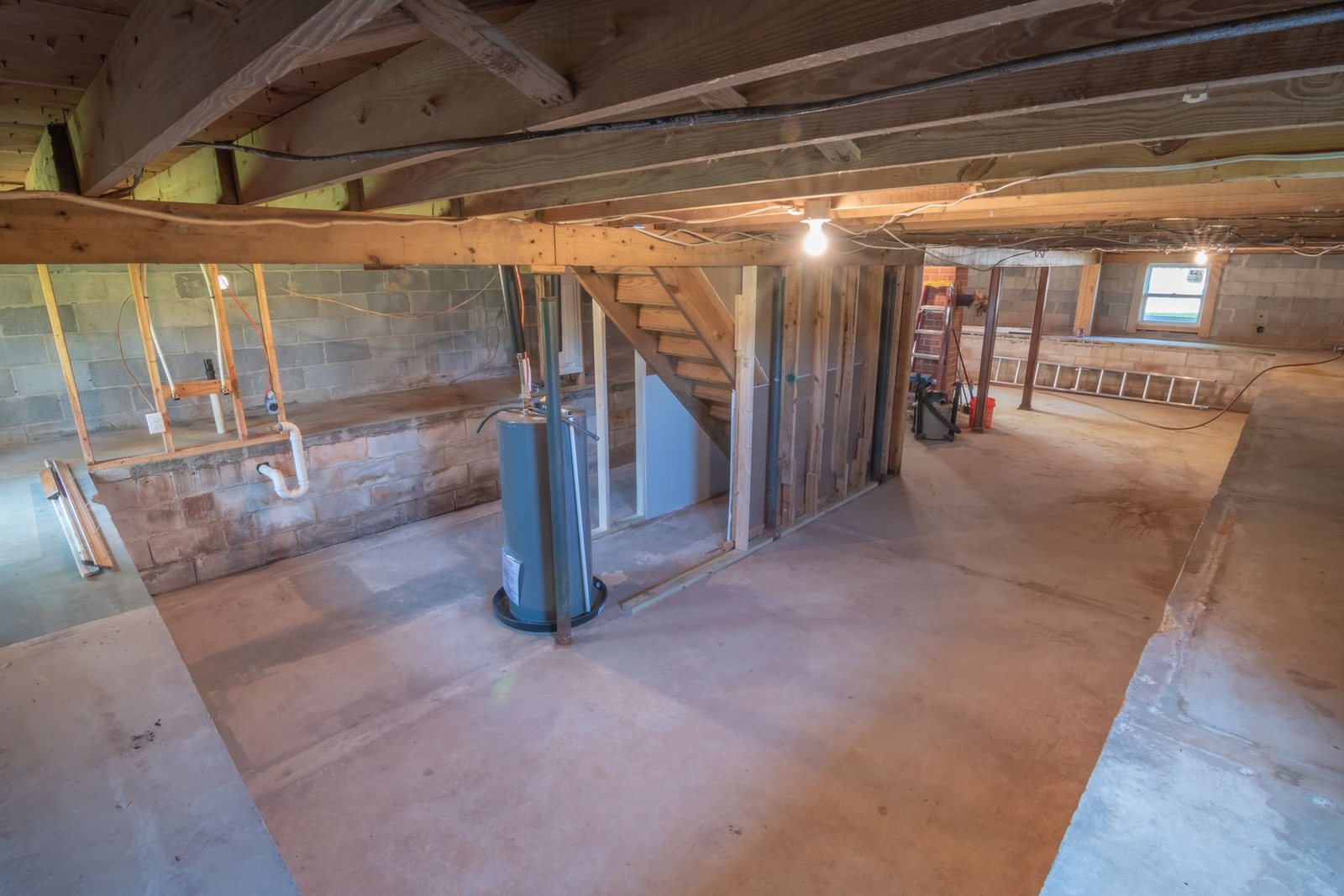
None of this means the basement is off-limits. It is still a fine place for sturdy plastic bins, canned goods on shelves, tools and seasonal decorations stored up off the floor and away from heat. The goal is simple: keep fuel and flammables outside, keep anything you can’t replace upstairs, and give the furnace and water heater room to breathe.