10 Things You Should Never Store in Cardboard Boxes
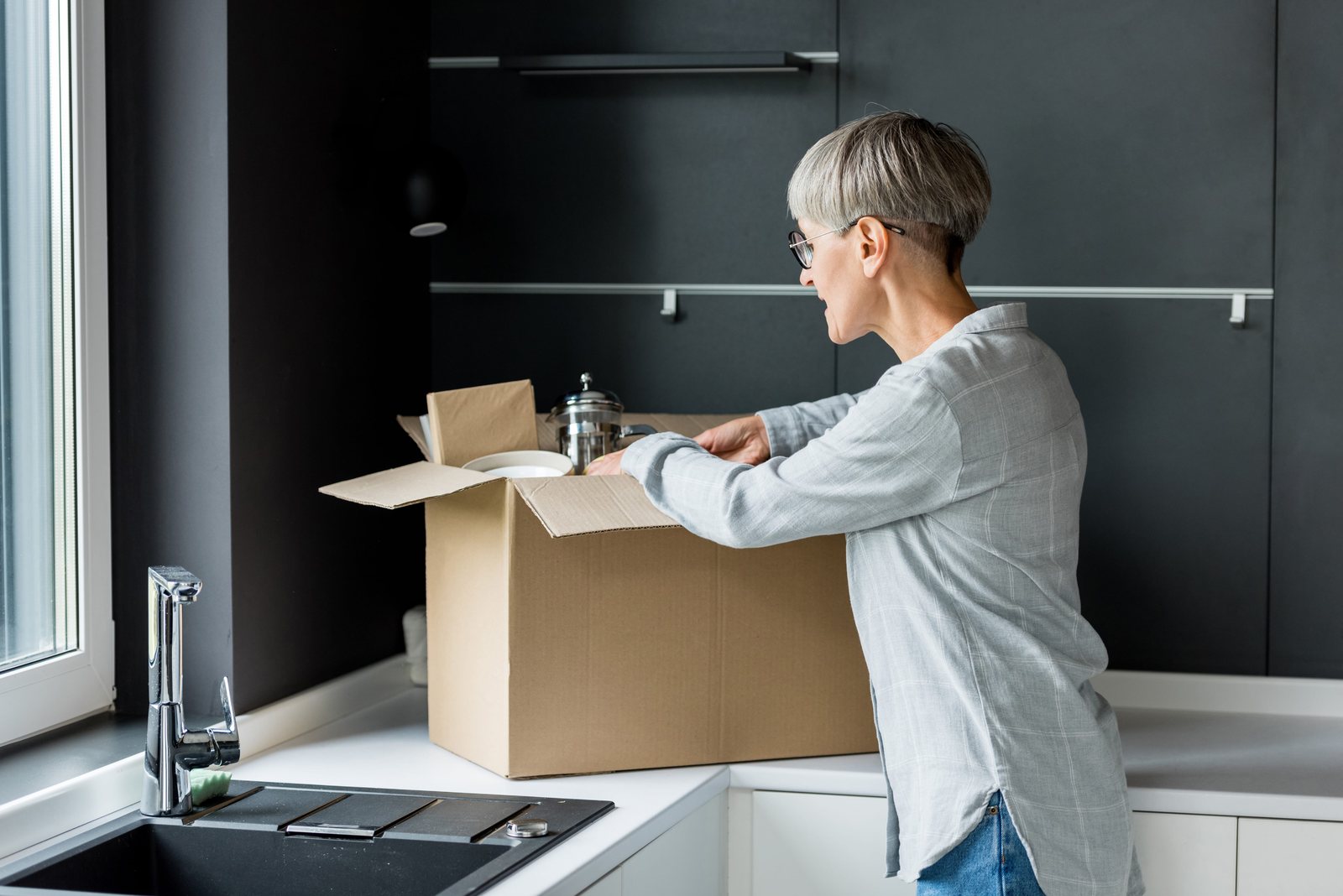
Cardboard boxes are the default storage solution in most American homes, and they’re fine for a quick move or a few weeks in the closet. The problem is long-term storage: cardboard soaks up humidity, softens, attracts bugs and collapses under weight, so the things inside often come out worse than they went in.
With holiday decorations about to come down from the attic and new gifts about to arrive, it’s a good time to rethink what lives in those brown boxes. Here are 10 things that deserve a sturdier home.
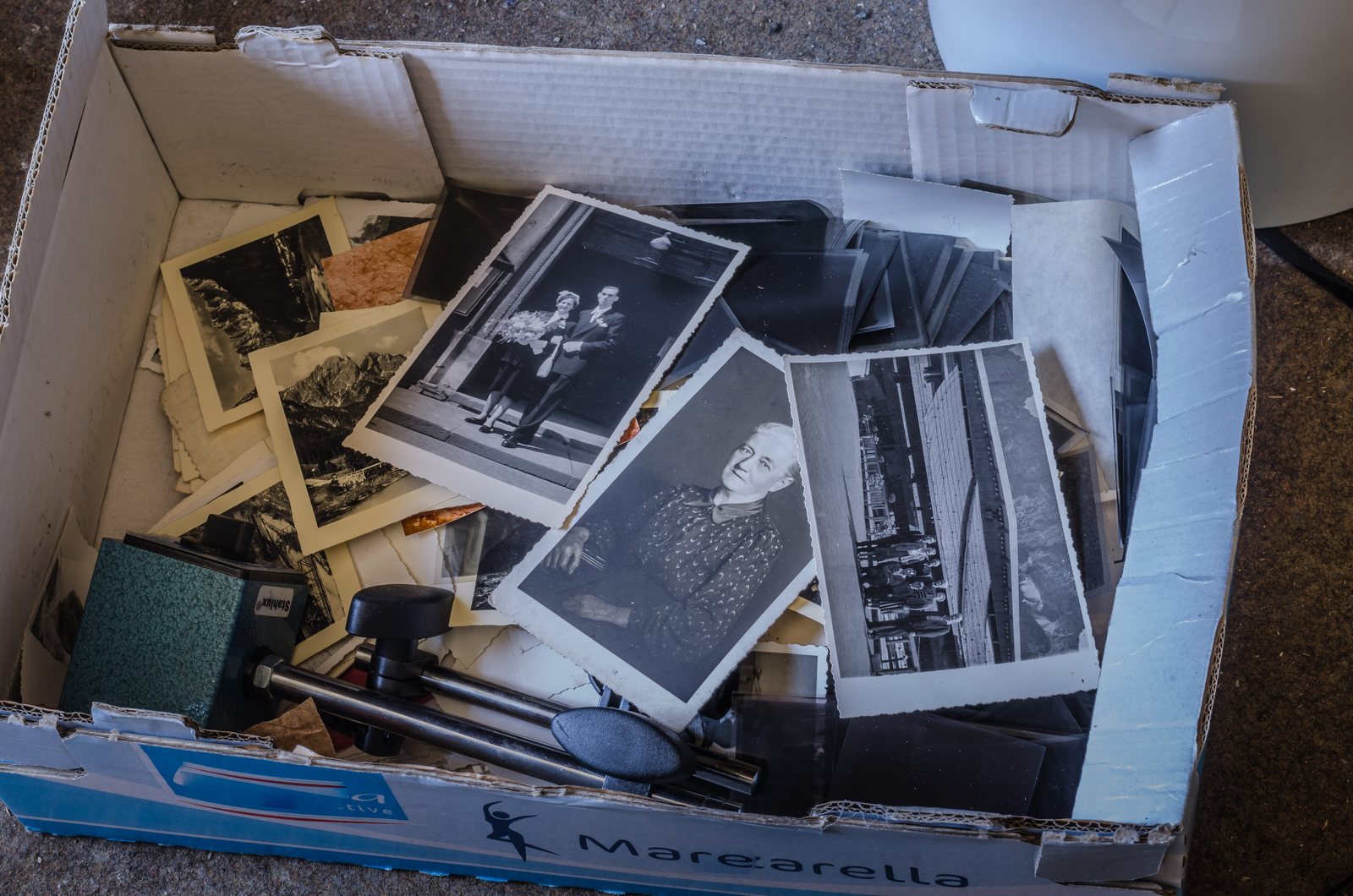
1. Family Photos
Prints and negatives are especially sensitive to damp, heat and the chemicals in ordinary paper products. The Library of Congress advises keeping photos out of attics, basements and spots along exterior walls, and storing them in photo-safe boxes and enclosures in a cool, dry, stable space. A regular shipping box in the garage is about the opposite of that.
2. Important Papers
Birth certificates, deeds, tax returns and insurance policies are hard to replace and easy to ruin. Cardboard does nothing against water or fire, which is why the IRS recommends keeping tax returns, birth certificates and other vital papers in fireproof, waterproof storage with digital backups. A lidded file box or small safe is a worthwhile upgrade.
3. Anything Sitting Directly on a Basement or Garage Floor
Concrete floors can stay cool and damp, and cardboard wicks that moisture straight up into whatever is inside. Even a box that looks dry on top can be soft and musty at the bottom. If you’re already doing cold-weather chores to protect your home this winter, lift stored items onto shelves or pallets and swap the cardboard for plastic bins.
4. Garden Hoses, Tools and Outdoor Gear
Damp tools tossed in a box for the winter can come out rusty in spring, and wet hoses or gloves can leave the cardboard moldy. Dry everything first, then hang it or use bins that won’t break down. If you’re tidying the yard for the season, these winter hose reels and storage ideas keep things off the floor and out of soggy boxes.
5. Kids’ Artwork and Sentimental Keepsakes
Report cards, macaroni art, baby clothes and old letters are the things families most want to pass down, and they’re often the first casualties of a leaky box. Consider a few acid-free archival boxes for the true treasures, and take photos of the bulky items. Years from now, they’ll feel like the nostalgic items everyone had 30 years ago, so it’s worth protecting them now.
6. Holiday Decorations and Glass Ornaments
Cardboard boxes stacked several high in a hot attic tend to sag, and delicate ornaments are the first to crack. Sectioned plastic ornament bins or even egg cartons inside a sturdy tote hold up much better. Handy folks can build simple shelving for seasonal gear, one of many DIY projects that make life easier around the house.
7. Wool Sweaters, Blankets and Linens
Cardboard flaps leave gaps, and clothes moths are happy to find their way into stored woolens. The University of Maryland Extension recommends that woolen items be cleaned and stored in sealed boxes, checked regularly during long storage. Sealed bins or zippered garment bags are an easy fix.
8. Pantry Food and Bulk Dry Goods
Extra cereal, flour, pet food and snacks shouldn’t be stored in their shipping boxes. According to Clemson Cooperative Extension, grocery bags and boxes can carry cockroaches into a home, and the pests like to hide in clutter. Move bulk food into airtight containers and recycle the cardboard promptly.
9. Books and Old Magazines
Paper on paper is a recipe for musty smells, warping and silverfish in a humid space. Books stored in boxes in the basement or garage often come out spotted and curled. Keep favorites on indoor shelves, and if you must box them, use plastic bins with a packet of desiccant and store them in a climate-controlled room.
10. Electronics, Cords and Chargers
Old laptops, cameras, game consoles and tangled cords end up in “junk boxes” in nearly every home. Cardboard won’t protect them from humidity or crushing, and loose cords become a mess. Wrap cords with ties, label everything, and use a lidded bin in an indoor closet, not the attic or garage.
Cardboard still has its uses for moving day and short-term storage. For anything you want to see again in good shape, though, a few plastic bins, a shelf off the floor and a cool, dry spot inside the house go a long way.