9 Things You Should Never Store in Your Bedroom Closet
When company is coming for Thanksgiving, the bedroom closet becomes the house’s emergency hiding spot. Shopping bags, chargers and the gym bag all get shoved in behind the door.
That works for an afternoon, but a closet is a small, dark, enclosed space packed with fabric, which is exactly why some things should never live there. Here are nine items fire-safety officials, the EPA and extension experts would pull out.
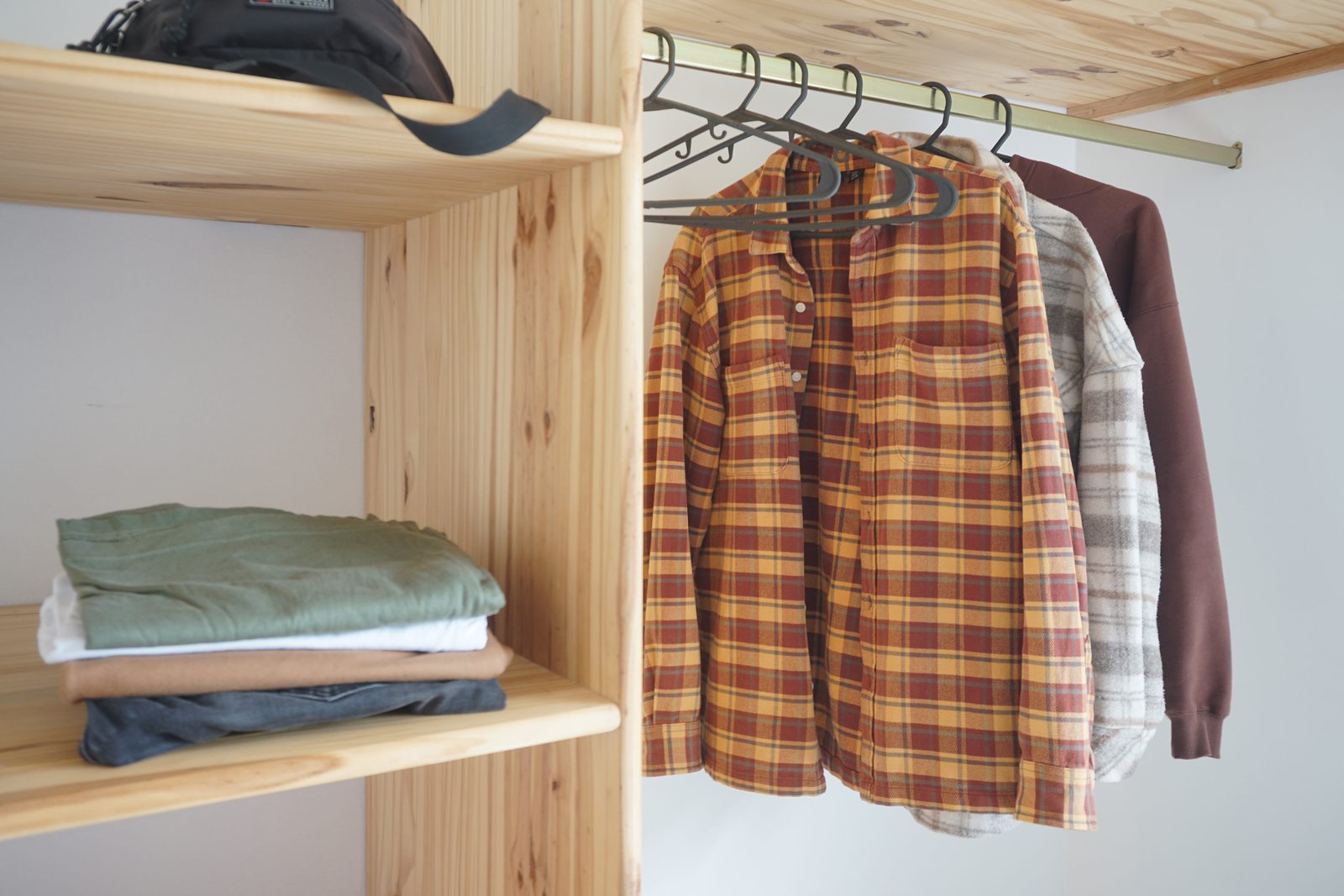
1. Spare Lithium-Ion Batteries and Power Banks
Power banks and spare tool batteries tend to collect in a shoebox on the closet shelf. The U.S. Fire Administration says to store spare lithium-ion batteries away from anything that can burn and to keep them at room temperature when possible.
A closet full of sweaters, blankets and cardboard is about as close to “everything can burn” as a room gets. A better home is a small metal or hard plastic bin on an open shelf in a room you use often, the same way you’d think about the things you should never store in cardboard boxes.
2. Anything That’s Plugged In and Charging
It’s tempting to hide the charging station in the closet so the nightstand looks tidy. But the National Fire Protection Association made lithium-ion battery charging the focus of this year’s Fire Prevention Week, and its battery safety guidance is a good refresher for any household.
The common-sense rule is simple: charge phones, earbuds, tablets and e-bike or scooter batteries out in the open, on a hard surface, where you’ll notice if something gets hot or smells odd. Even a tiny earbud case deserves a spot on the dresser, and while you’re at it, here’s how to clean your AirPods and their case so the contacts stay clear.
3. Boxes and Clothes Piled Up to the Light Bulb
Many older closets have a bare bulb on the ceiling with a pull chain, and the top shelf tends to fill until boxes are practically touching it. The U.S. Fire Administration advises keeping anything that can burn away from lamps, light fixtures and bulbs, and using bulbs that match the fixture’s recommended wattage.
Leave clear space around the fixture, and if your closet still has an old bare bulb, an enclosed LED fixture is a popular weekend upgrade, right up there with the other DIY projects that make life easier.
4. A Power Strip Buried Under Shoes and Boxes
Closets that double as a home office or charging nook often end up with a power strip on the floor, half buried under shoes. The same USFA guidance says not to overload power strips, to replace worn or damaged extension cords right away, and to avoid putting cords where they can be pinched or damaged, like under a carpet or rug.
A cord crushed under a bin or shut in the door every day fits that description.
5. Damp Towels, Gym Clothes and Wet Shoes
A sweaty gym bag or a pair of snow boots tossed in the closet is an open invitation to musty smells. The EPA’s guide to mold and moisture says to dry damp items within 24 to 48 hours and to keep indoor humidity below 60 percent, ideally between 30 and 50 percent.
A dark, crowded closet is the opposite of that, so let wet things dry fully in the open first.
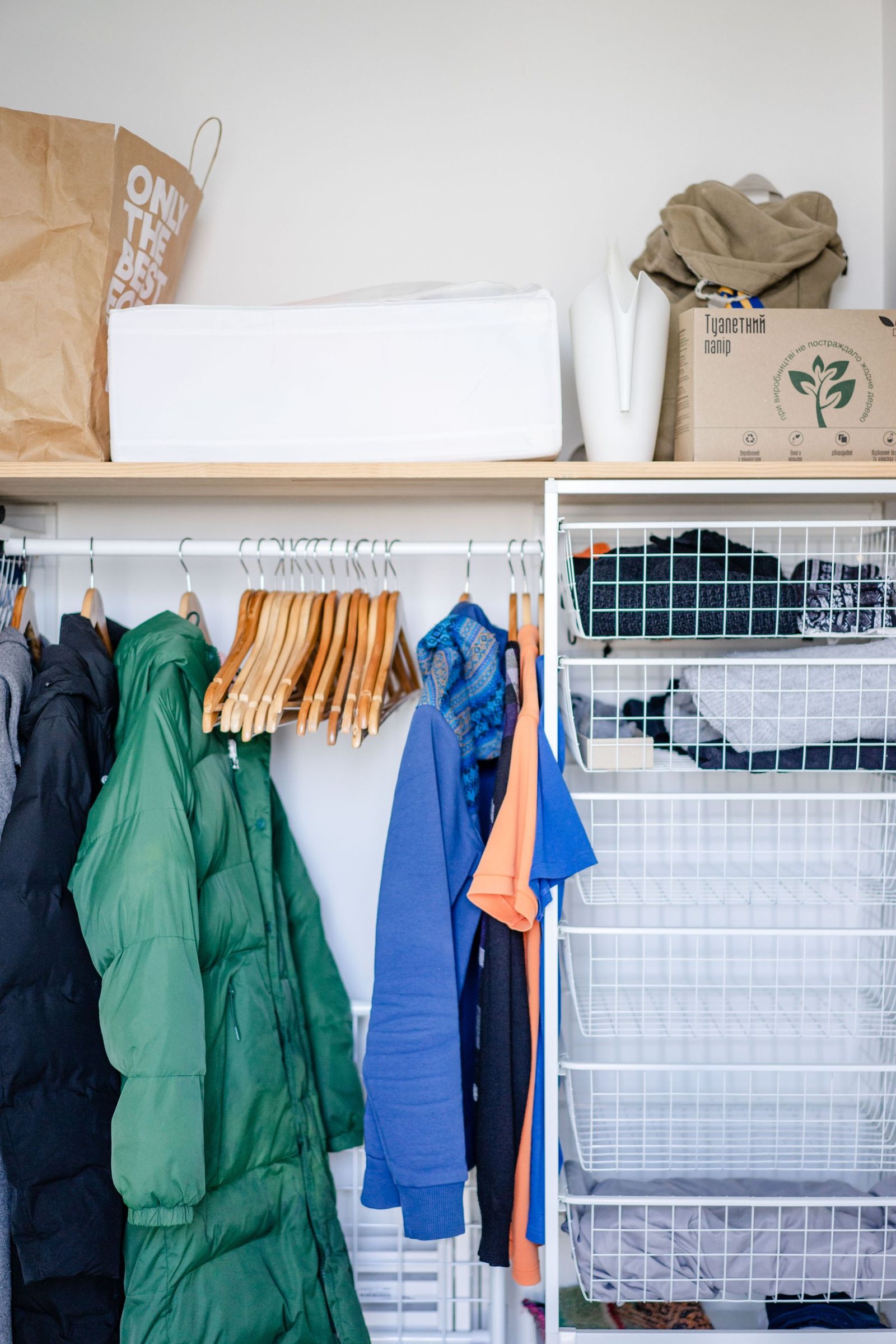
6. Sweaters You’ve Already Worn
Folding a worn wool sweater and putting it back on the shelf seems harmless, but clothes moths think otherwise. The University of Kentucky’s entomology department says woolens should be dry-cleaned or laundered before long storage, because cleaning removes eggs or larvae and the perspiration odors that tend to attract the pests. It also notes that even cotton and synthetics can be attacked when heavily soiled with food stains or body oils.
Wash first, store second. Keeping the closet floor clear of dust and pet hair helps too, and it’s the same instinct behind the list of things you should never store in plastic containers: storage only works when what goes in is clean and dry.
7. Loose Mothballs Scattered on the Shelves
Plenty of us grew up with a grandparent’s closet that smelled strongly of mothballs. Tossing a handful onto the shelf isn’t how they’re meant to be used. The National Pesticide Information Center at Oregon State University says mothballs are only to be used in airtight containers, and that you should always follow the label directions.
If you want to protect woolens, the same center suggests cleaning them and storing them in airtight bags and containers, with pheromone traps to keep an eye out for moths.
8. Snacks and Candy Stashes
A secret chocolate stash in a coat pocket or a box of granola bars on the closet shelf feels harmless. But crumbs and wrappers draw pantry pests and mice, and food stains on fabric are one of the things the Kentucky entomologists say make clothes more appealing to moths. Keep the treats in the kitchen, in sealed containers.
9. Heirloom Quilts and the Wedding Dress in Plastic
Plastic garment bags and old cardboard boxes are the default for a wedding gown or Grandma’s quilt, and they’re both poor choices for the long haul. The University of Georgia Extension says never to wrap textiles in plastic, because it blocks air circulation and can lead to mold and mildew, and to keep textiles from touching wood, newspaper or boxes, which can speed up fiber breakdown.
The National Archives recommends a cool, dry location and acid-free tissue to soften folds. Wrap heirlooms in clean white cotton or muslin, use an acid-free box, and check on them once a year.
A Closet That Works for You
None of this requires a makeover. Pull out the batteries and chargers, give the bulb some space, let damp things dry and wash before you store. Your closet will smell fresher and your sweaters will last longer.