Stop Using These 7 Excuses to Get Out of Dates (They’re Holding You Back)
Most people do not wake up planning to be rude. They just want to avoid an awkward text, a tense reply, or a date they no longer want to attend. That is exactly why excuses to get out of dates have become so common. They feel easy, quick, and painless at first.
The trouble is that weak excuses rarely stay small. They waste the other person’s time, create mixed signals, and can make you look careless when you were only trying to avoid discomfort. If your goal is to leave a dating situation with dignity, honesty usually works better than a cover story.
I’m Busy With Work Right Now
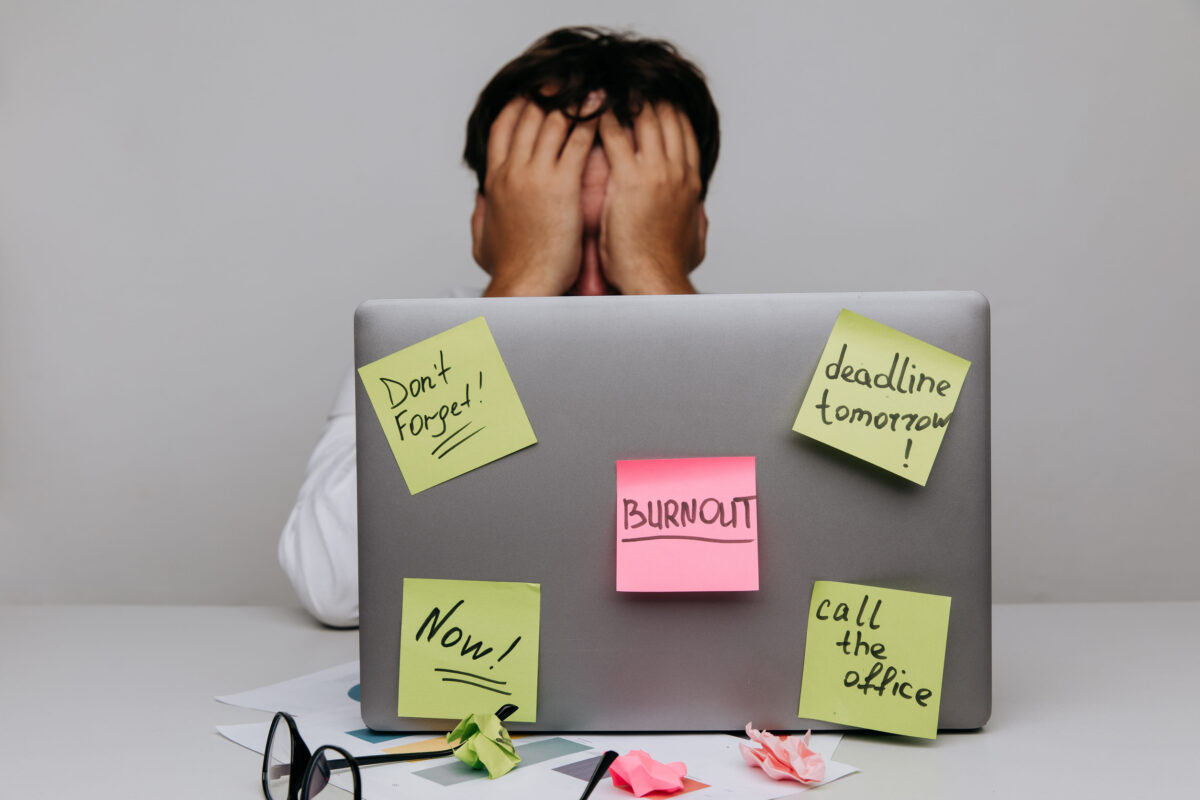
This line sounds responsible, which is why so many people use it. Work is serious. Work is adult. Work sounds harder to challenge than “I changed my mind.” Still, when someone says they are too busy without offering another time, the message lands very differently. It usually sounds like a soft rejection wrapped in office language. The person on the other side is left guessing whether you are overwhelmed, uninterested, or simply stalling.
There is also a pattern problem here. Most adults are busy. If you really wanted to see someone, you would usually say that and suggest a better day. That tiny extra step changes the whole tone. Without it, “I’m busy with work” comes across like a polite dodge. It is cleaner to say, “This week is not good for me, and I do not want to keep you waiting,” or “I do not think I can give this the energy it deserves right now.” One line shows maturity. The other smells like avoidance.
I’m Not in the Right Headspace

This excuse sounds emotionally intelligent, and sometimes it is true. Life gets heavy. People go through stress, grief, anxiety, burnout, and private struggles. The problem begins when the phrase becomes a blanket escape hatch for every unwanted date. Then it stops sounding honest and starts sounding rehearsed. It may even feel unfair to the other person, because they cannot tell whether you need space or are simply trying to fade out gently.
Used carelessly, this excuse also puts the burden on the other person to be endlessly understanding. They may feel forced to respond with sympathy, even when they suspect the real issue is a lack of interest. That creates emotional fog. A better move is to match your explanation to the truth. If you are genuinely overwhelmed, say so briefly and clearly. If you are just not feeling the connection, say that kindly. You do not need a dramatic emotional shield every time you want to say no.
Something Came Up
Few lines are more vague than this one. It is technically possible, socially acceptable, and almost completely empty. That is exactly why it annoys people. “Something came up” gives no shape to the situation and shows no real respect for the time already set aside. It can sound like you believe the other person is not owed even a basic level of clarity.
Vagueness can be useful when privacy matters, but most of the time, it reads like laziness. It tells the other person nothing except that they are now expected to accept uncertainty without question. If you truly need privacy, you can still sound more grounded. You can say, “I need to cancel tonight, and I know it is late notice. I am sorry for the inconvenience.” That line is simple, direct, and far more respectful than a floating mystery.
I Fell Asleep

Sometimes people really do knock out on the couch and miss a plan. But in dating, this excuse has become so clichéd that it rarely sounds believable. Even when it is true, it often lands badly because it suggests a lack of effort. A date usually involves some build-up, some planning, and some awareness of time. Saying you fell asleep can sound like the date never held enough weight to keep on your radar.
There is another issue here. This excuse often comes after silence, not before. That means the other person has already waited, checked their phone, wondered what happened, and felt brushed off. By the time “I fell asleep” arrives, the damage is already done. If you miss a date by mistake, own it plainly. Say you messed up. Apologize without dressing it up. People tend to forgive honest carelessness faster than polished nonsense.
I’m Sick

Pretending to be unwell may seem harmless because it often ends the conversation quickly. Most people do not argue with illness. They say, “Feel better,” and back away. That is why the excuse is tempting. But it also leans on sympathy you did not earn. You are not just canceling. You are borrowing concern to make your exit smoother.
That choice can feel small in the moment, yet it changes the emotional balance of the interaction. The other person may check on you, worry about you, or even kindly offer to reschedule, all while your real issue is simply a lack of interest. That is unfair. You do not need to invent a headache to decline a date. “I do not think I can make this, and I do not want to waste your time” is far cleaner. It might feel sharper at first, but it leaves less residue behind.
My Phone Died
Modern life has made this excuse almost laughably common. People charge phones in cars, at work, in kitchens, on desks, with power banks, and sometimes with backup chargers for the backup charger. So when someone disappears for hours around date time and returns with “my phone died,” it often sounds less like bad luck and more like a script.
What bothers people is not just the line itself. It is the timing. The excuse appears after a long silence, right when accountability becomes unavoidable. That makes it feel tactical. Even if the battery really did die, many people will still hear it as a cover story because of how often it has been abused. A better path is to focus on impact instead of the gadget. “I went silent, and that was inconsiderate. I am sorry.” That is adult behavior. It shows you understand what actually hurts.
Family Emergency
This is one excuse people should treat with care. Real emergencies happen, and family matters can be urgent, private, and painful. But using that phrase casually to escape an unwanted date is a bad habit. It drags serious life events into a situation that only required honesty. It also makes future emergencies harder to trust, which is a high price to pay for avoiding one awkward text.
When people hear this excuse too often, they stop knowing what is real. That is the real danger. You teach others that your serious language is not always serious. If you simply do not want to go, say so respectfully. Reserve emergency language for actual emergencies. It protects your integrity and keeps your words meaningful.
Conclusion
Dating gets easier when you stop trying to escape every uncomfortable moment with polished lines. Most excuses to get out of dates are not evil. They are just weak tools for a job that needs steadier hands. The better move is simple. Be brief, be respectful, and be clear.
You do not need a dramatic story, a fake emergency, or a borrowed headache to say no. You only need enough confidence to tell the truth with decent manners. That kind of honesty will not just improve your dating life. It will make you look calmer, kinder, and far more trustworthy.