8 American Snacks Totally Forbidden In Europe
When it comes to food, American snacks hold a special place in the hearts of many around the world. From buttery popcorn to indulgent potato chips, the variety seems endless.
However, what’s common in the U.S. isn’t necessarily the same in Europe, where different food standards and regulations shape the snack market. While the U.S. is known for its love of sweet, salty, and processed treats, many of these popular snacks are either banned or heavily restricted in European countries. The reason? A strict regulatory framework aimed at safeguarding public health. From questionable additives to artificial colorings, let’s dive into eight American snacks that are totally forbidden in Europe.
Mountain Dew
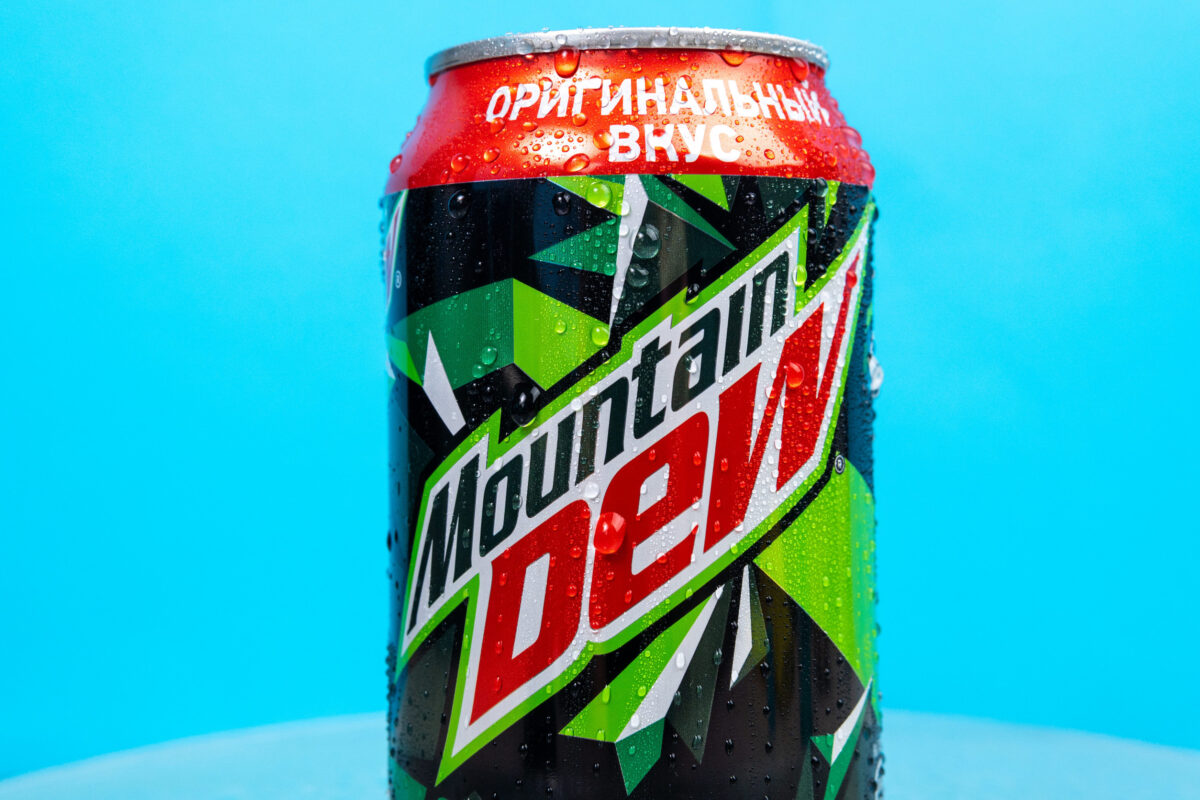
Mountain Dew, one of the most iconic American sodas, is known for its high caffeine content and bright yellow color. However, the drink’s use of brominated vegetable oil (BVO) has caused concern. This ingredient, used to stabilize the artificial citrus flavoring, has been banned in the European Union due to its potential to cause nerve damage and other health issues.
In Europe, food products are held to higher standards regarding the safety of artificial chemicals and additives, which is why Mountain Dew does not contain BVO outside the U.S. Instead, the drink is formulated with other ingredients that are safer for consumption according to European regulations. It’s a stark reminder of how health-conscious the European market tends to be.
Cheetos
Cheetos are a beloved snack in America, known for their cheesy, crunchy texture. However, the bright orange color that makes Cheetos so visually distinctive comes from Yellow 6, an artificial coloring that is not allowed in Europe.
The dye is linked to potential health risks, including hyperactivity in children, and it’s considered carcinogenic by some health bodies. In many European countries, food coloring that could pose a health risk is banned or heavily restricted. While Cheetos are available in Europe, the recipe often omits Yellow 6 and instead uses alternative, less controversial ingredients to achieve the snack’s characteristic color and flavor.
Lucky Charms Cereal
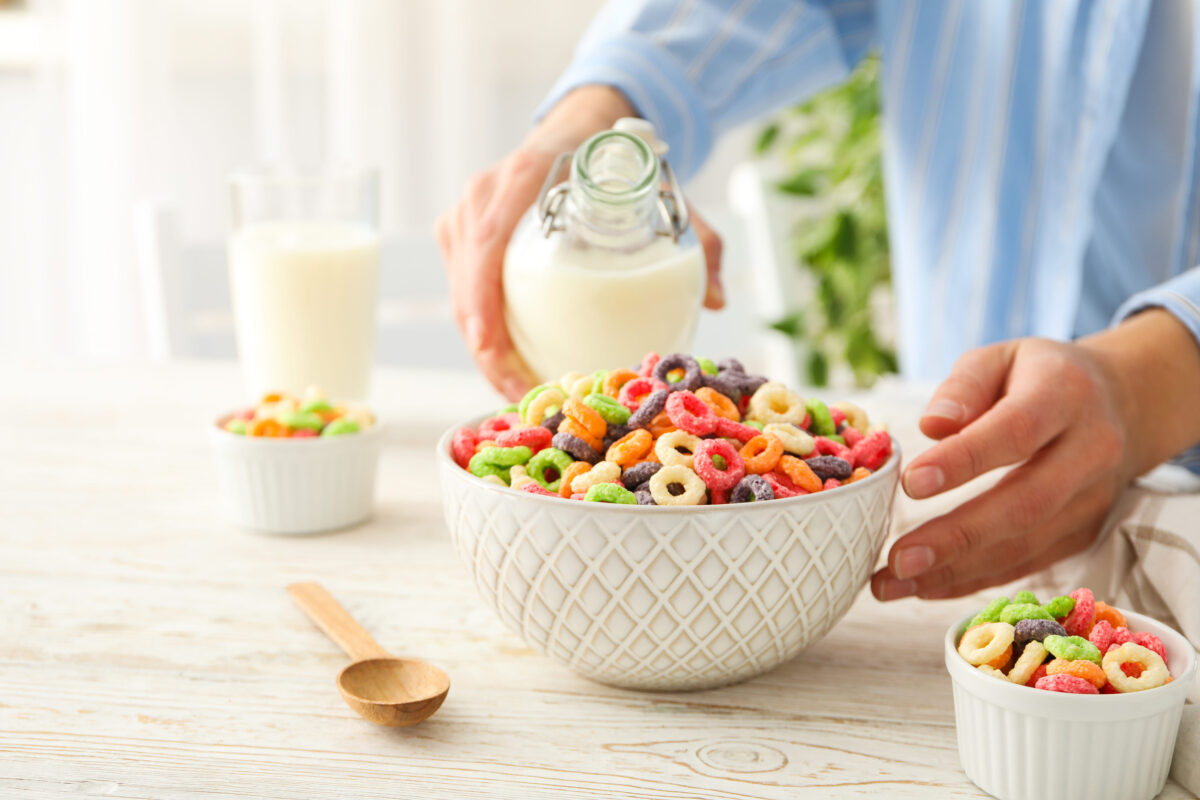
Lucky Charms has been a staple of the American breakfast scene for decades, thanks to its fun shapes and sweet marshmallows. However, the marshmallows found in Lucky Charms are made with a cocktail of artificial colorings and flavors, including Red 40 and Blue 1, which are banned or restricted in many European countries.
These food dyes have been linked to hyperactivity and other behavioral issues in children, which is why European countries regulate them more rigorously. In Europe, cereal makers are required to remove or replace such ingredients with alternatives that meet stricter health guidelines.
Taco Bell’s Taco Shells
Taco Bell is a fast-food favorite in the U.S., known for its quick tacos and burritos. But while Americans can enjoy their tacos with ease, Taco Bell’s taco shells are off-limits in Europe because they contain TBHQ (tert-butylhydroquinone).
TBHQ is a synthetic antioxidant used to preserve the freshness of the shells, but it has been associated with potential health risks, including toxicity and the development of tumors when consumed in large quantities. The European Union prohibits the use of TBHQ in many food products, including in taco shells, and thus, Taco Bell had to alter its recipes to meet European standards when it attempted to expand into the market.
Oreos
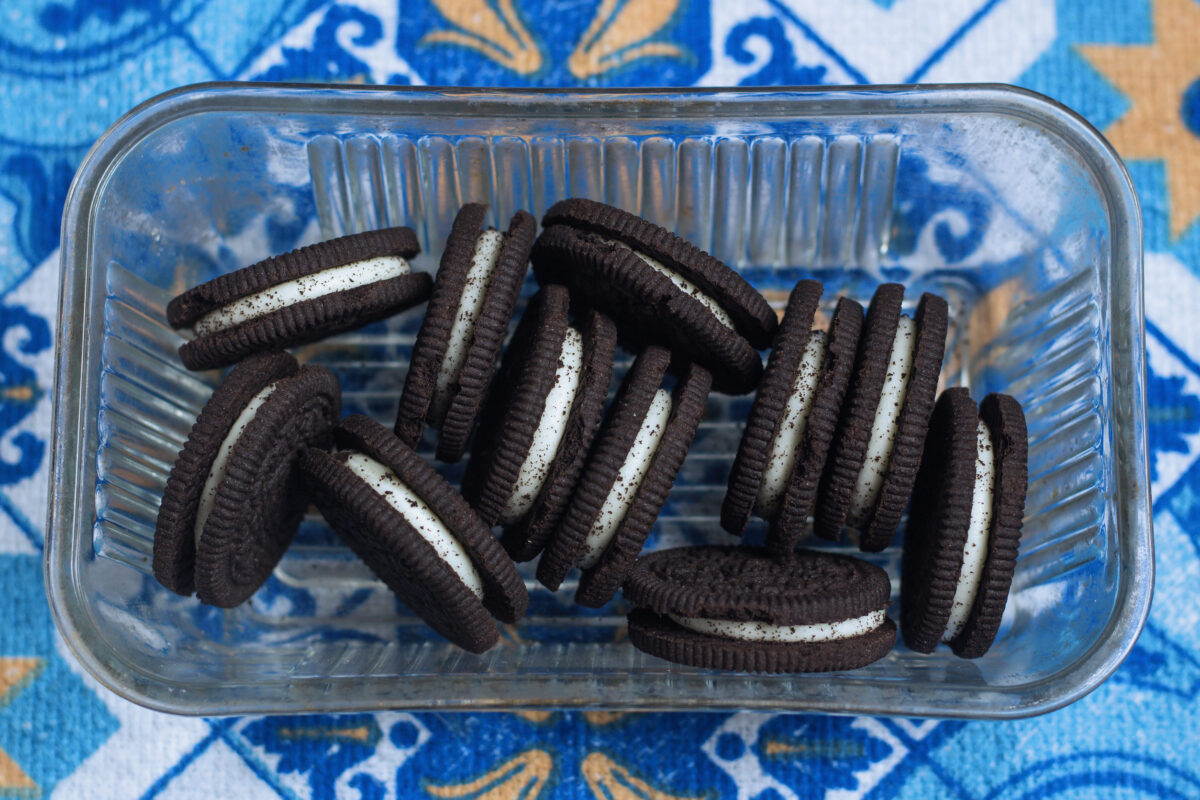
Oreos are a favorite American snack, loved for their crunchy cookies and creamy filling. However, the original formulation of Oreos contains artificial trans fats – a type of fat linked to an increased risk of heart disease, diabetes, and obesity.
The European Union has long been wary of trans fats, introducing strict limits on their use in food products. As a result, Oreos sold in Europe are made without the harmful trans fats that are still used in the American version. In the U.S., trans fats are still commonly found in processed snack foods, but Europe’s food regulations have led to a more health-conscious approach to cookies and other packaged treats.
Red Bull
Red Bull has become the quintessential energy drink in the U.S., offering a caffeine boost to tired individuals everywhere. The drink contains taurine, an amino acid often added to energy drinks, as well as a hefty dose of caffeine. In the U.S., Red Bull is readily available, but it is banned or heavily restricted in some European countries due to concerns about its health impact.
The high caffeine content combined with taurine can be dangerous, particularly in young people, and has been linked to cases of heart arrhythmias, anxiety, and sleep disturbances. While Red Bull is available in most European countries, there are stricter regulations on its sale and consumption, especially for minors.
Skittles
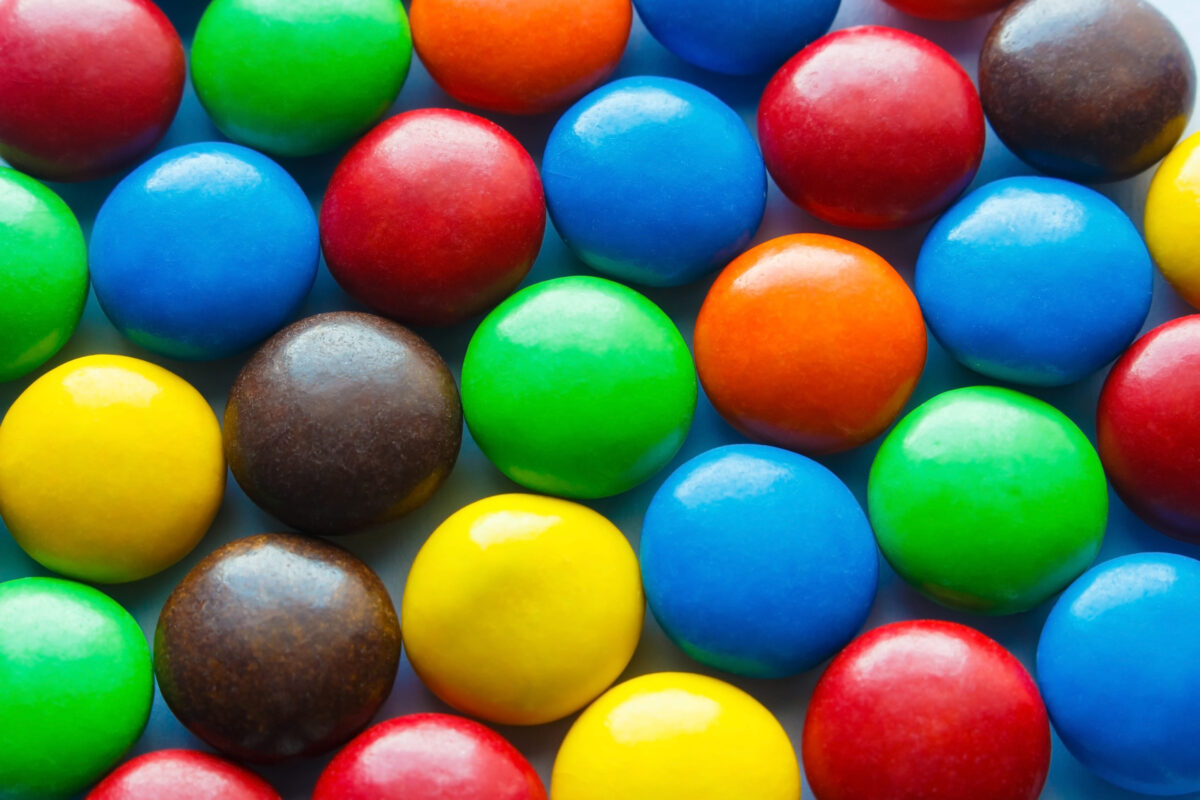
Skittles, another American candy, faces scrutiny in Europe. The bright, vibrant colors of Skittles come from artificial dyes like Red 40, Yellow 5, and Blue 1, which have been banned or severely restricted in the European Union.
Studies have shown that these artificial colors can lead to hyperactivity in children and may be linked to certain cancers. The EU requires candy manufacturers to either reformulate their products or label them with warnings, prompting many companies to opt for natural colorings. Skittles, however, are still available in Europe, but without the problematic artificial colors that dominate their U.S. counterparts.
Pop-Tarts
Pop-Tarts are a quick and easy breakfast option for Americans, but they come with a dark side: they are often loaded with artificial colors, flavors, and TBHQ to preserve their shelf life.
As mentioned earlier, TBHQ is a controversial preservative banned in Europe, especially in products intended for children. The high sugar content and artificial ingredients are other reasons why Pop-Tarts are not a common sight in European supermarkets. European regulations prioritize health and the use of natural ingredients, meaning that many of the breakfast treats enjoyed in the U.S. must undergo substantial reformulation or are altogether banned from the market.
Conclusion
It’s clear that while American snacks are loved for their convenience and bold flavors, many of them do not make the cut in Europe due to health regulations. The strict European food standards aim to protect consumers from potentially harmful additives, preservatives, and artificial ingredients that are still prevalent in the U.S. snack industry. From brominated vegetable oil to artificial colorings and trans fats, these ingredients might be the reason why some of our favorite snacks are banned or altered when they cross the Atlantic.
As health-conscious consumers continue to demand cleaner, safer food products, the gap between American and European snack regulations may widen even further. The takeaway here is that while certain snacks might be fun and nostalgic in the U.S., Europe’s stringent food standards are forcing brands to rethink how they create and market their products. So, next time you’re munching on a Cheeto or sipping a Mountain Dew, remember that across the ocean, things might look a little different.