8 Foods That Completely Ruined My Grocery Budget
Think about the last time you walked out of a grocery store. You probably didn’t leave with luxury items or extravagant treats, just everyday essentials: fruits, snacks, maybe a quick meal option or two. Nothing dramatic. Nothing that should break the bank. Yet somehow, the total at the checkout felt way higher than expected.
Here’s the uncomfortable truth: some of the most “normal” grocery items are designed to quietly drain your wallet. They don’t feel expensive in the moment, but over time, they stack up into a pattern of overspending. And the worst part? Most of them are things we buy for convenience, not necessity.
Once you start recognizing them, you’ll never look at your grocery list the same way again.
Pre-Cut Fruits and Vegetables
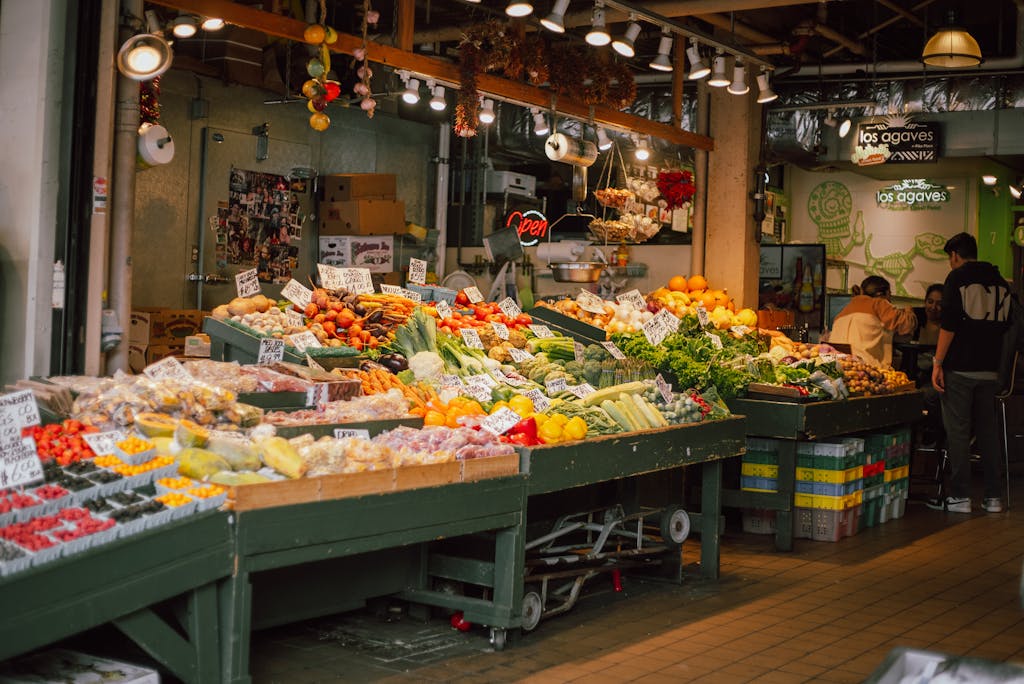
Pre-cut fruits and vegetables seem like a gift for busy people who want to eat healthy without the hassle of washing, peeling, or chopping. But in reality, you’re paying a premium for convenience. Whole fruits and veggies are significantly cheaper than their pre-packaged counterparts, and the extra time you spend prepping them is often well worth the savings.
While pre-cut produce can be useful in certain situations, like during a hectic week or for a special occasion, it’s a habit that can eat away at your grocery budget if it becomes routine. Cutting your own fruits and vegetables also helps ensure you get more for your money, since you’re paying for the actual product rather than just the labor and packaging.
Bagged Salad Kits
We all want to eat more vegetables, but buying a bagged salad kit every week can add up quickly. While these salad kits offer a simple solution for a quick lunch or dinner, you’re paying for pre-washed greens, tiny dressing packets, and maybe a handful of toppings that you could easily replicate at home.
A basic head of lettuce or spinach, a few tomatoes, and some homemade dressing often cost a fraction of what a salad kit does. Don’t get us wrong, there’s nothing wrong with a bagged salad in a pinch, but if you’re looking to save money, sticking to fresh produce and making your own salad fixings is the smarter, more budget-friendly choice.
Bottled Water

Let’s start with bottled water, a product that’s been marketed as the epitome of convenience and purity. While it may seem like a harmless, affordable choice for staying hydrated, bottled water often costs way more than it’s worth.
What many don’t realize is that most bottled water is just filtered tap water, and in most places, tap water is just as clean, if not cleaner, than bottled alternatives. Plus, you’re paying for the packaging, the transport, and the brand name on the label. The bottom line? If you’re just looking to hydrate, reusable water bottles and home filtration systems are far more economical and environmentally friendly.
Single-Serve Yogurt Cups and Snack Packs
Single-serve snacks like yogurt cups, trail mix bags, and snack bars are marketed as portion-controlled, healthy choices. However, when you break down the math, you’re often paying for the convenience of individually wrapped servings and attractive packaging.
Buying larger containers of yogurt or bulk snacks and portioning them yourself is a much more cost-effective way to enjoy these foods. You might not get the cute packaging, but you’ll be much better off financially. Plus, you can customize your portions to suit your needs.
One-Person Frozen Entrées
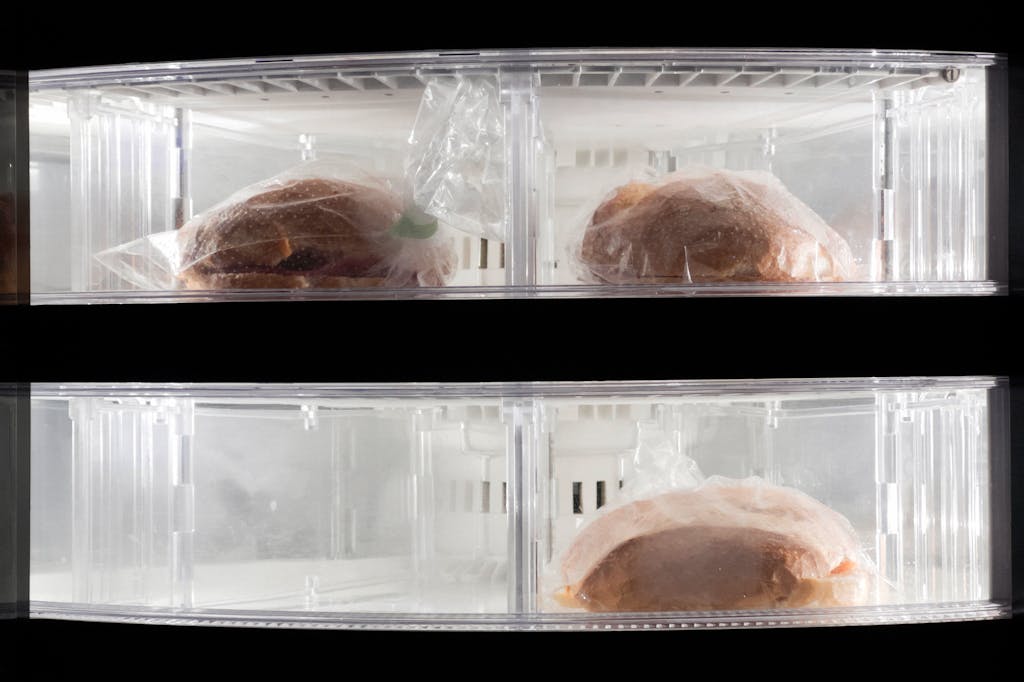
One-person frozen meals are another classic example of paying more for convenience. While they may seem like an affordable alternative to dining out, these frozen meals often cost more per serving than cooking a similar meal at home.
The problem with frozen entrées is that they’re designed for a quick, single-serving need, which means you’re not getting the bulk or flexibility you’d get from preparing a meal yourself. Cooking in larger batches and freezing leftovers can easily save you a few dollars and provide multiple meals for the same price as a single frozen entrée.
Microwave Rice Cups and Instant Grain Bowls
Instant grains like microwave rice cups and pre-made quinoa bowls are incredibly convenient—there’s no argument there. But that convenience comes at a cost.
These ready-to-eat options are often far more expensive than cooking rice or quinoa from scratch. For a fraction of the price, you can buy a bag of rice or grains in bulk and prepare them in larger quantities, which can then be portioned out for meals throughout the week. The packaging and marketing on instant grains make them feel like a necessary time-saver, but in reality, cooking them yourself is an easy way to save money.
Out-of-Season Berries and Delicate Produce
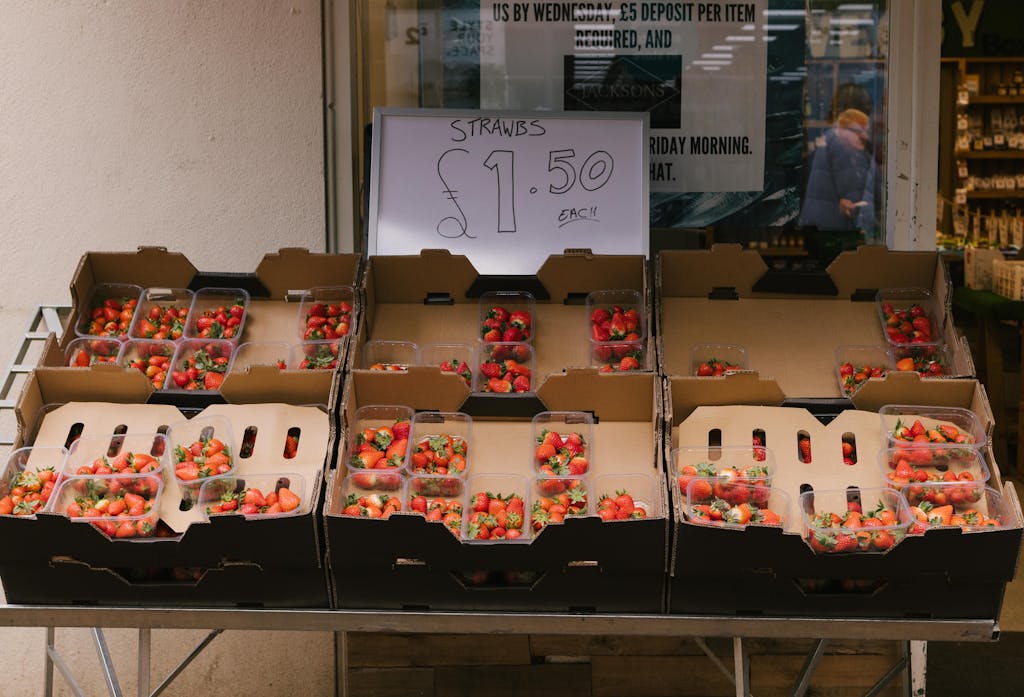
Berries are one of the most tempting foods in the grocery store, but when they’re out of season, they can cost a pretty penny. Buying fresh berries in winter or other off-seasons means you’re paying for transportation from other regions or countries, which increases the cost.
If you can’t resist fresh fruit, consider buying frozen berries, which are often more affordable and just as nutritious. If you’re buying delicate produce like berries, asparagus, or avocados out of season, you’re likely paying a premium for the lack of availability, and that’s something your wallet doesn’t need.
Fancy Coffee Drinks and Breakfast Combos
There’s no denying that coffee shops can be a temptation. Whether it’s a latte, a cappuccino, or a breakfast sandwich, grabbing coffee and breakfast on your way to work can add up quickly. While the occasional coffee run can be a treat, making it a daily habit can quietly wreck your grocery budget. Brewing coffee at home, or making your own breakfast sandwiches can save you a significant amount each month. It’s a small change that can have a big impact on your finances.
Conclusion
Saving money at the grocery store isn’t always about cutting back on what you eat—it’s about being more intentional about how you buy it. Many of the items that strain your budget aren’t bad or unnecessary on their own; the problem is how often convenience replaces smarter, more affordable choices.
From pre-cut produce to single-serve snacks and meal kits, these foods are built around saving you time, but they quietly cost you more money in the long run. The good news is that small shifts, like buying whole ingredients, cooking in batches, or choosing seasonal produce, can make a noticeable difference without drastically changing your lifestyle.