9 Strange house rules people say they’ve had to follow as guests
Every home has its unspoken rules, but sometimes, the boundaries set by certain hosts can go beyond the ordinary. Some house rules seem quirky, others downright bizarre. For the average guest, these rules may feel like a step too far in the quest for cleanliness or order.
However, for many, these peculiar guidelines reflect deeper psychological and cultural elements that can sometimes be as fascinating as they are perplexing. Here are 9 strange house rules people say they’ve had to follow as guests that’ll make you rethink the way you manage your own home.
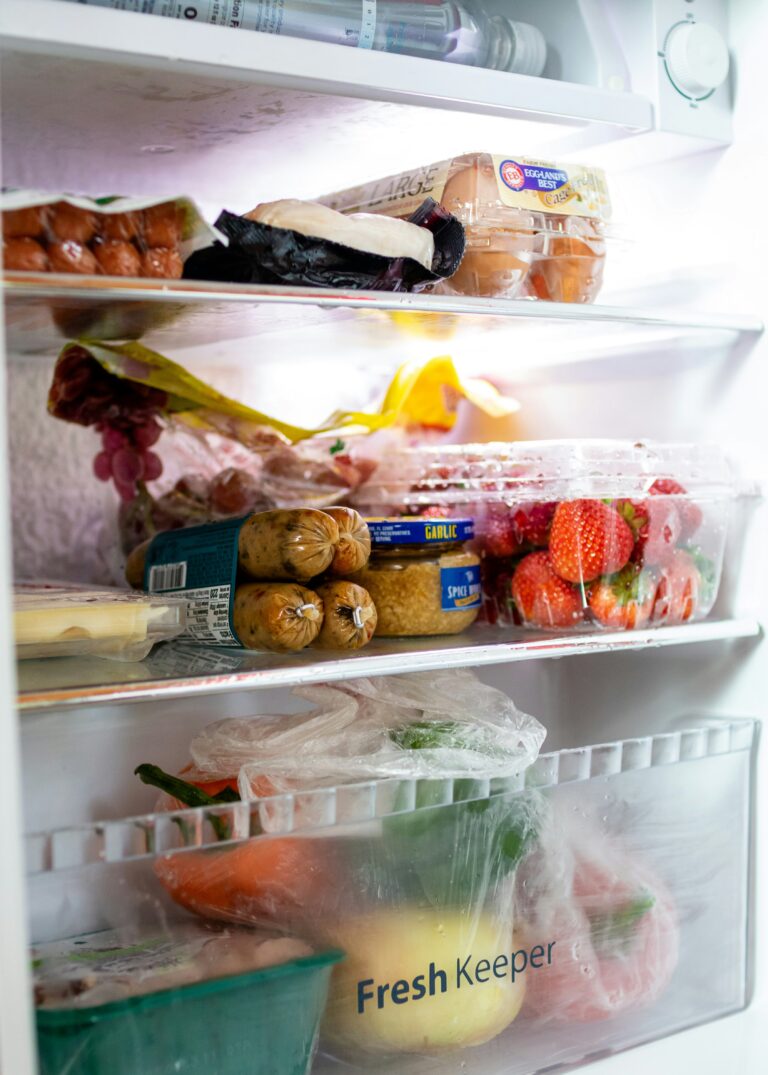
You Need Permission for a Snack
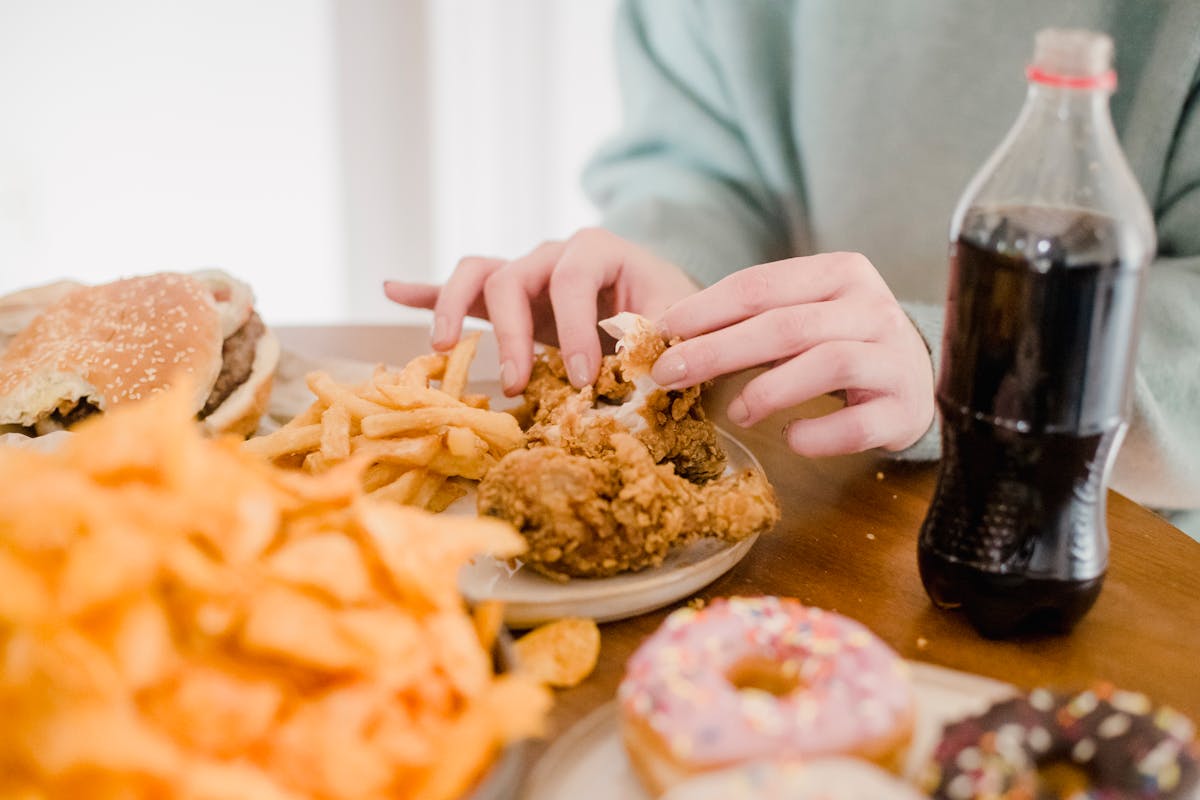
In some households, even getting a snack requires the host’s approval. While this might seem like an overreach, it’s a classic example of how control can seep into everyday life. This rule is often about limiting access to food, sometimes rooted in an outdated belief system or a deeper desire to maintain control over household resources.
For guests, it can feel infantilizing and awkward, as they’re forced to ask for permission for something as simple as a snack. A welcoming home should make guests feel comfortable, not restricted. Forcing someone to ask for food creates an awkward power imbalance, the opposite of a welcoming environment.
No Using the Washing Machine
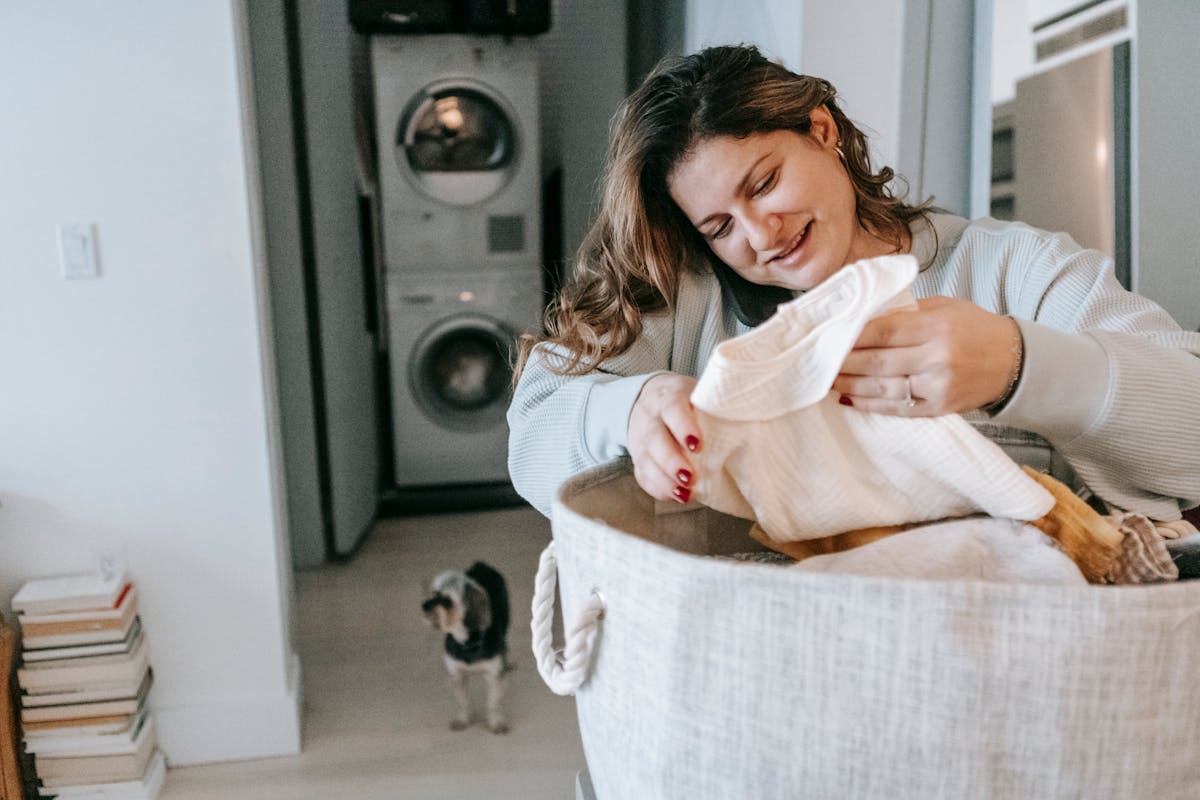
Some homes go so far as to prohibit guests from using basic household appliances like the washing machine. This rule may sound ridiculous, but it’s rooted in a deeper sense of control and, at times, a misplaced fear of guests “breaking” the machines. In this case, the host may be overprotective of their belongings or unwilling to allow guests the freedom to manage their own needs.
For the guest, it’s an inconvenience and a stark reminder of how limiting some house rules can be. What should be a simple task becomes a point of contention, all because of a host’s anxiety around control. It’s a strange and unnecessary rule that only serves to create discomfort and foster dependency on the host.
No Closed Doors
In some homes, the idea of privacy seems to take a backseat to control. Imagine being asked to leave the bathroom door wide open while you use it. While it may sound like a nightmare to many, for some hosts, it’s an everyday rule rooted in the need for absolute control. For these hosts, a closed door signifies secrecy, and for reasons tied to past experiences or a hypervigilant personality, the need for constant visibility is seen as a way to feel safe.
It’s a reminder of how powerful our need for control can be, even when it comes to something as simple as a bathroom door. Psychologically speaking, this can stem from a deeper need for control, potentially linked to past trauma or anxiety.
These hosts may have grown up in environments where privacy was limited, and now their homes reflect a need to control every boundary. For the guest, this rule often shatters the concept of privacy, making them feel more like a visitor in someone else’s life.
No Eating Outside the Kitchen

It’s a strange rule, yet some hosts demand that guests consume all food and drinks within the confines of the kitchen. While this may seem extreme, it usually stems from a deep fear of mess or chaos. It can be part of an obsessive need to maintain a perfectly clean environment, often driven by perfectionism. It’s less about the mess itself and more about how that mess makes the host feel. For these households, a pristine environment feels like a requirement for mental clarity and peace.
Interestingly, this rule feels like a throwback to a more formal and rigid era, even as open-plan living has become the norm in many modern homes. While a minimalist might adopt a similar rule for practical reasons, the motivation matters. For these hosts, the rule is about more than cleanliness; it’s about avoiding potential unpredictability and maintaining control over their space. It’s not just a rule, but a lifestyle.
Don’t Touch the Decor
Ever been told not to touch the plush pillows or the luxurious comforter on a guest bed because they’re “just for decoration”? This common rule reveals the host’s tendency to prioritize aesthetics over human comfort.
It’s a sign of someone who views their home more like a museum than a place of relaxation. While they may have carefully curated their space for visual appeal, it often comes at the expense of guest comfort, which goes against the very essence of hospitality.
For these hosts, everything in their home is a display, a showcase of style and wealth. They might invest in expensive, stylish furniture, but at the cost of a welcoming environment. Guests are expected to admire but not engage with the decor. While good hosting encourages comfort and ease, this approach undermines the guest experience by making guests feel as if they’re walking through an exhibit rather than a home.
Mandatory Morning Boot Camp
Imagine being woken up at the crack of dawn for an impromptu workout session led by your host. This isn’t just about staying active; it’s about control. For some hosts, there’s an expectation that guests will adhere to their routines, no matter how extreme those routines are.
A “morning boot camp” or mandatory exercise session clearly violates personal boundaries, as it forces guests to adopt a lifestyle that’s not their own. Good hosting etiquette should respect the guest’s own plans and comfort, allowing them the freedom to participate or opt out of activities without feeling pressured.
These types of rules reflect a host’s authoritarian approach to their home, treating guests not as individuals but as recruits in their personal routine. While staying active is great, forcing it on visitors without their consent makes the experience uncomfortable.
Everything Must Be Organized in Perfect Order
From the pantry to the shelves, some hosts insist that everything be perfectly arranged. While it’s not uncommon to find that tidiness is valued in most homes, in some it becomes an obsessive rule. A pantry where cans must face forward, labels showing, is an example of a rule based on obsessive tendencies.
For these hosts, perfectionism is not just a preference; it’s a means of coping with anxiety. A perfectly organized pantry isn’t just “tidy, it’s a way to create a calm, predictable environment. For them, this type of control over their space offers a sense of peace. For guests, however, it’s an uncomfortable experience that feels more like a test than a simple helping hand.
No Eating and Drinking Simultaneously
In some homes, a peculiar rule stands firm: guests cannot eat and drink at the same time. This bizarre rule may seem completely arbitrary, with no logical basis. It likely stems from a misguided health belief or an old-fashioned notion passed down through generations. However, for the guest, it creates a confusing and uncomfortable experience in which basic dining habits must be constantly adjusted.
This rule might seem trivial, but it speaks to a deeper need for control over everyday activities. Whether it’s due to a misplaced health concern or a family tradition, it creates a strange imbalance in the guest-host dynamic. Guests are forced to override their natural instincts and adjust their behavior, which can feel disorienting and unnecessary.
Don’t Disturb the Cat

Pets hold a special place in many homes, but in some, the pet’s comfort becomes an unspoken law of the house. The “cat rule” dictates that if the cat is on your lap, you must remain still until the cat decides to leave. While it’s a funny rule, it highlights how deeply pets are integrated into some family dynamics.
These homes elevate their pets to a position of authority, where the comfort and well-being of the animal take precedence over the convenience of the human guests.
For these hosts, the well-being of their pets is paramount, often to the point where the pet’s comfort dictates the rules of the house. This behavior, while seemingly lighthearted, reflects how deeply integrated pets can be into family structures.
Conclusion
While quirky house rules may seem amusing or even perplexing, they offer fascinating insight into the host’s personality and psychological makeup. For the guest, navigating these strange regulations can sometimes feel like walking on eggshells. However, understanding the motivations behind these rules can help us better navigate these social situations with grace and understanding.