Why Some Countries Are Sitting on Untapped Fortunes
Did you know that some of the richest nations on earth are barely tapping into their vast wealth? While others scramble for resources, a few countries sit on unimaginable fortunes. Yet, these riches remain largely unexploited, raising questions about global economic inequalities and missed opportunities. From fossil fuels to precious metals, some of the wealthiest nations in terms of natural resources fail to fully capitalize on their assets. Here’s why that matters.
The Curse of Abundant Natural Resources

Daniel Bradley/ Unsplash
Nations rich in resources often face paradoxical poverty. Despite possessing vast reserves of oil, gas, or minerals, many of these countries fail to use these resources for sustainable growth. Mismanagement, corruption, and overreliance on a single industry create long-term economic issues. Rather than fueling prosperity, these riches can lead to social instability and stagnant development.
Environmental Concerns Preventing Resource Extraction
While abundant natural resources could fuel a country’s growth, environmental concerns often lead to restrictions on their exploitation. Many governments face the dilemma of balancing economic development with environmental sustainability. However, overly strict regulations can sometimes prevent the responsible extraction of wealth, costing countries billions in lost opportunities.
Political Instability Sabotaging Resource Development

Even with a wealth of natural resources, political instability can wreak havoc on development. Countries rich in oil, minerals, and other valuable resources are often prone to conflict, corruption, and poor governance. These challenges often prevent foreign investment and halt the realization of their assets’ potential, leaving them sitting idle as the world moves on.
Missed Opportunities for Diversification
For countries that depend too heavily on resource extraction, the failure to diversify economies often leads to stagnation. When governments focus too narrowly on one resource, they neglect the development of other industries. This results in an overreliance on fluctuating commodity prices, making the country vulnerable to global market shifts.
Undervaluing Strategic Resources
Strategic resources such as rare earth minerals, which are critical for emerging technologies, are often undervalued by countries with vast deposits. These resources are crucial to the global supply chain, especially in industries such as electronics, clean energy, and defense. By failing to recognize their worth, nations risk missing out on partnerships, innovation, and investment opportunities.
Foreign Exploitation of Untapped Wealth
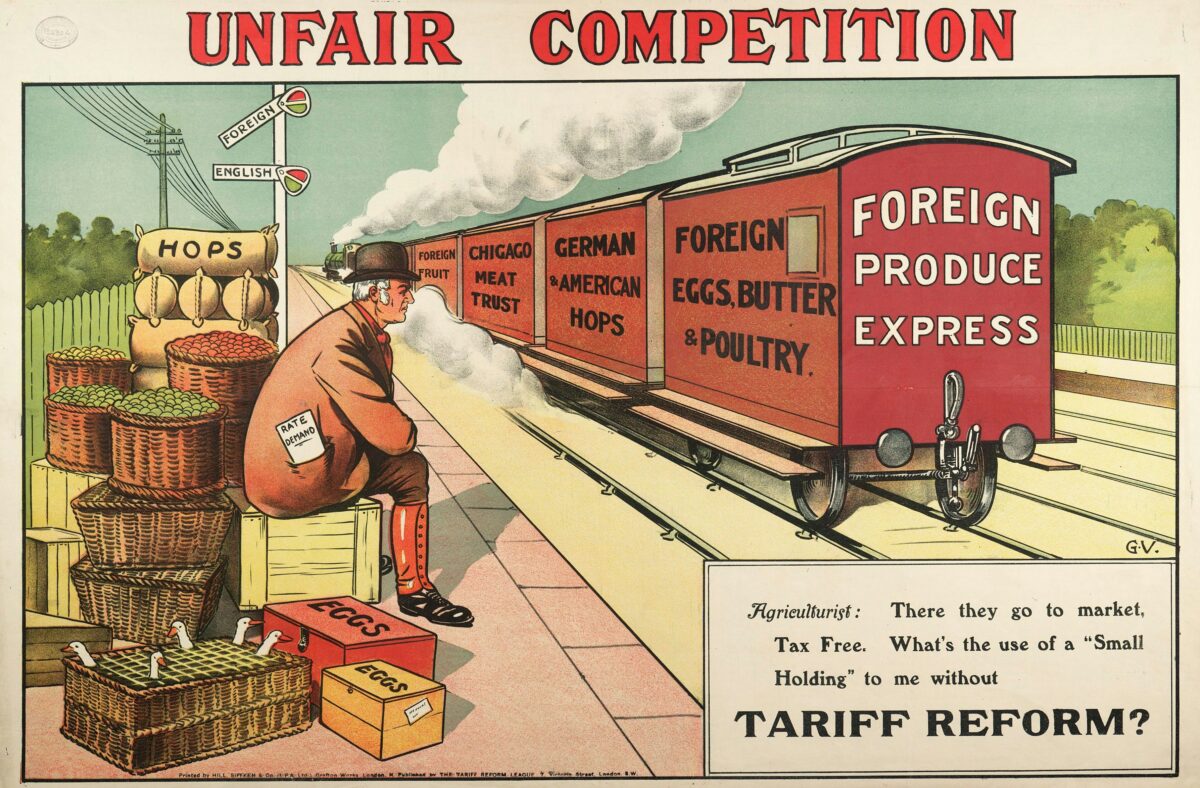
Instead of capitalizing on their natural wealth, some nations allow foreign corporations to exploit their resources. These companies often extract raw materials with little benefit to the local economy. The long-term effects are devastating: wealth is funneled abroad while local communities remain impoverished and underdeveloped.
Inadequate Infrastructure Limiting Resource Access
In many resource-rich nations, poor infrastructure prevents effective resource extraction. From outdated mining technology to insufficient transportation networks, the inability to move or process resources effectively keeps countries from fully benefiting. This lack of infrastructure is a key barrier that keeps these nations from turning their wealth into long-term prosperity.
Corruption Draining Resource Wealth
In some countries, natural resources become a tool for political elites to enrich themselves rather than a means to benefit the public. Corruption often drains the potential wealth these resources could bring, leaving the country’s people without the benefits of their nation’s abundance. Resources are often mismanaged or stolen, leaving little to reinvest in national development.
Global Economic Imbalances Keeping Resources Dormant
Global economic imbalances play a key role in stifling the potential of resource-rich countries. These nations, often caught in a web of debt and trade imbalances, face challenges in harnessing their resources for their benefit. Instead, external powers continue to control the wealth that rightfully belongs to the local economy.
The Future of Resource-Rich Nations

Despite the immense wealth beneath the surface, many resource-rich countries are staring at a bleak future if they don’t change course. With globalization accelerating, the future of these nations depends on wise management, strategic partnerships, and innovative thinking. It’s time for them to stop sitting on their fortunes and start using them to fuel progress for all their citizens.
Conclusion
The world’s wealthiest countries in terms of natural resources are often the ones failing to turn their fortune into prosperity. The combination of political instability, poor resource management, and global economic pressures leaves billions of dollars worth of wealth untouched. For these nations, the time to act is now. If they can manage their resources effectively, they could shift their economic trajectories, benefiting not only their own people but the global community.