10 Dangerous Kidney Habits You’re Unknowingly Damaging Your Health With
Your kidneys are more than just filters for your blood; they play a key role in maintaining overall health. But unfortunately, many people unknowingly engage in habits that silently harm these vital organs. From poor dietary choices to neglecting hydration, these everyday behaviors could put you at risk for serious kidney problems in the future. In this article, we uncover 10 damaging habits you need to avoid to protect your kidneys and ensure long-term health.
Skipping Water Breaks
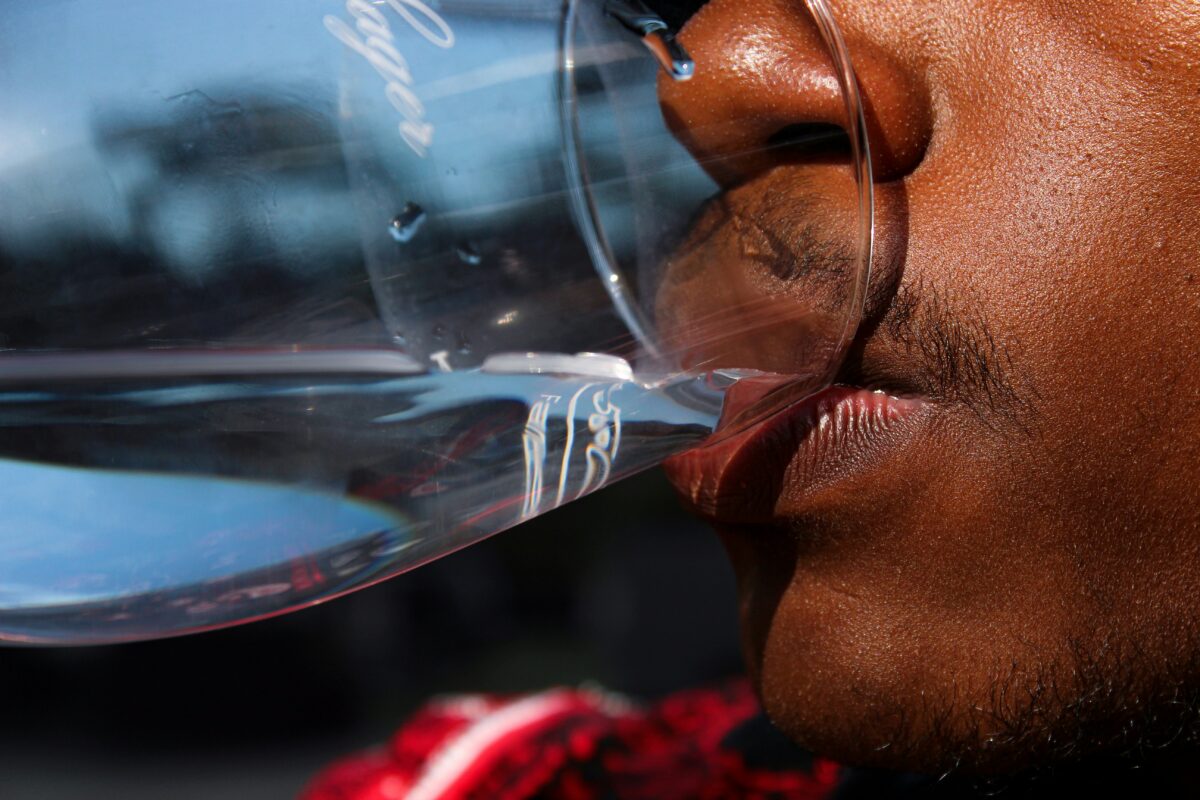
When you fail to hydrate properly, your kidneys are forced to work overtime. Chronic dehydration can lead to kidney stones, urinary tract infections, and even kidney failure. Drinking water regularly helps flush toxins from your body, keeping your kidneys in top shape. Ensure you’re sipping water consistently throughout the day to keep your kidneys functioning efficiently.
Overconsumption of Processed Foods
High-sodium, high-fat processed foods can raise blood pressure and strain your kidneys. The preservatives and unhealthy fats in fast food and packaged snacks put your kidneys at risk of long-term damage. Opt for fresh produce and home-cooked meals to maintain kidney health and avoid unnecessary stress on these vital organs.
Ignoring Regular Exercise

Sitting for long periods and a lack of physical activity can increase the risk of kidney disease, especially for individuals who are overweight or obese. Regular exercise improves circulation, reduces inflammation, and helps regulate blood sugar and blood pressure, all of which contribute to kidney health. Aim for at least 30 minutes of moderate exercise each day.
Unchecked Painkiller Use
While over-the-counter painkillers like ibuprofen may provide relief, using them too frequently can be harmful to your kidneys. These drugs, when used long-term or in excess, can cause kidney damage or worsen pre-existing conditions. Use pain relievers sparingly and always consult with your healthcare provider if you have concerns.
Neglecting Your Blood Pressure
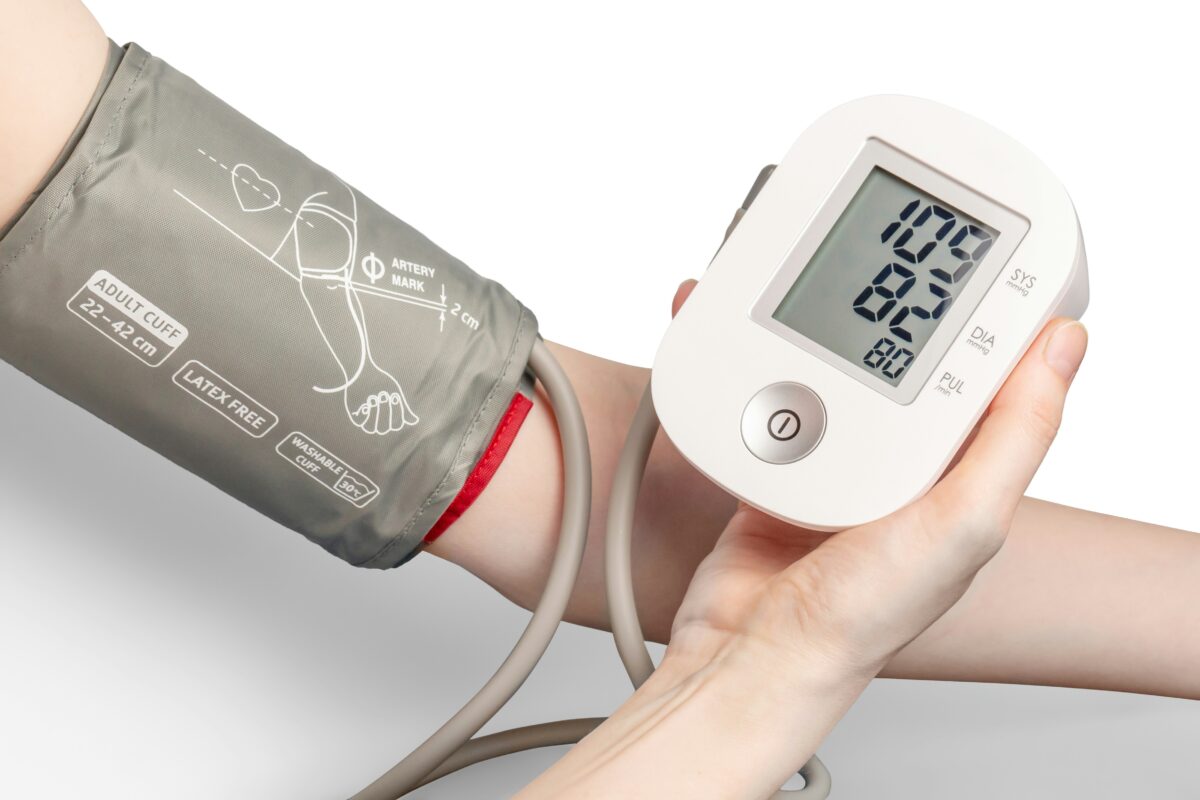
High blood pressure is one of the leading causes of kidney damage. When left untreated, it can lead to kidney failure. Monitoring your blood pressure regularly and making necessary lifestyle changes, like reducing salt intake and exercising, can help maintain healthy kidneys. Take control of your blood pressure to reduce kidney-related risks.
Smoking
Smoking doesn’t just damage your lungs; it also harms your kidneys. The toxins in cigarette smoke can cause narrowing of the blood vessels, leading to reduced kidney function. Smoking increases the risk of kidney disease and can worsen existing kidney problems. If you want to protect your kidneys, quitting smoking is one of the most beneficial decisions you can make.
Excessive Alcohol Consumption
Drinking alcohol in large quantities over time can cause dehydration and elevate blood pressure, both of which damage kidney function. It also puts you at risk for liver disease, which can further complicate kidney health. Limiting alcohol intake and staying hydrated while drinking can help reduce these risks and protect your kidneys.
Excessive Sugar Intake
High sugar intake, especially in the form of sugary beverages, can lead to obesity and diabetes, both of which are major risk factors for kidney disease. Consuming too much sugar can also elevate blood glucose levels, which, over time, can cause kidney damage. Opt for a balanced diet that limits sugary foods and emphasizes fiber and healthy fats to protect your kidneys.
Ignoring Urinary Tract Infections (UTIs)

An untreated urinary tract infection can spread to the kidneys and cause severe damage. Symptoms like painful urination, blood in the urine, or fever should never be ignored. Seeking prompt medical attention for UTIs is crucial to preventing kidney infections and ensuring your kidneys remain healthy.
Not Getting Enough Sleep
Chronic sleep deprivation can lead to a variety of health issues, including kidney damage. Insufficient sleep affects your body’s ability to repair itself, putting unnecessary strain on your kidneys. Aim for 7–9 hours of quality sleep each night to promote overall health, including kidney function. It’s not just about feeling rested; it’s about preserving your kidney health.
Conclusion
Your kidneys may be working tirelessly behind the scenes, but if you don’t take care of them, they can’t protect you for long. From staying hydrated to moderating your intake of harmful substances like alcohol and sugar, the habits you form today play a crucial role in maintaining kidney health tomorrow. By making these small changes and avoiding dangerous behaviors, you can protect your kidneys and improve your overall well-being. So, make the necessary adjustments to ensure your kidneys are working at their best for years to come.