10 Home Value Mistakes You’re Making…And How They’re Costing You Big Time
If you’re looking to boost your home’s value, it’s easy to get caught up in advice that’s more hype than helpful. Too often, homeowners dive into projects that not only fail to add value but may actually hurt the resale price. The truth is, while small improvements can make a big impact, doing the wrong things can cost you. In this article, we’ll break down 10 common mistakes homeowners make when trying to increase their property value, and how to fix them.
Overpricing Your Home Based on Improvements
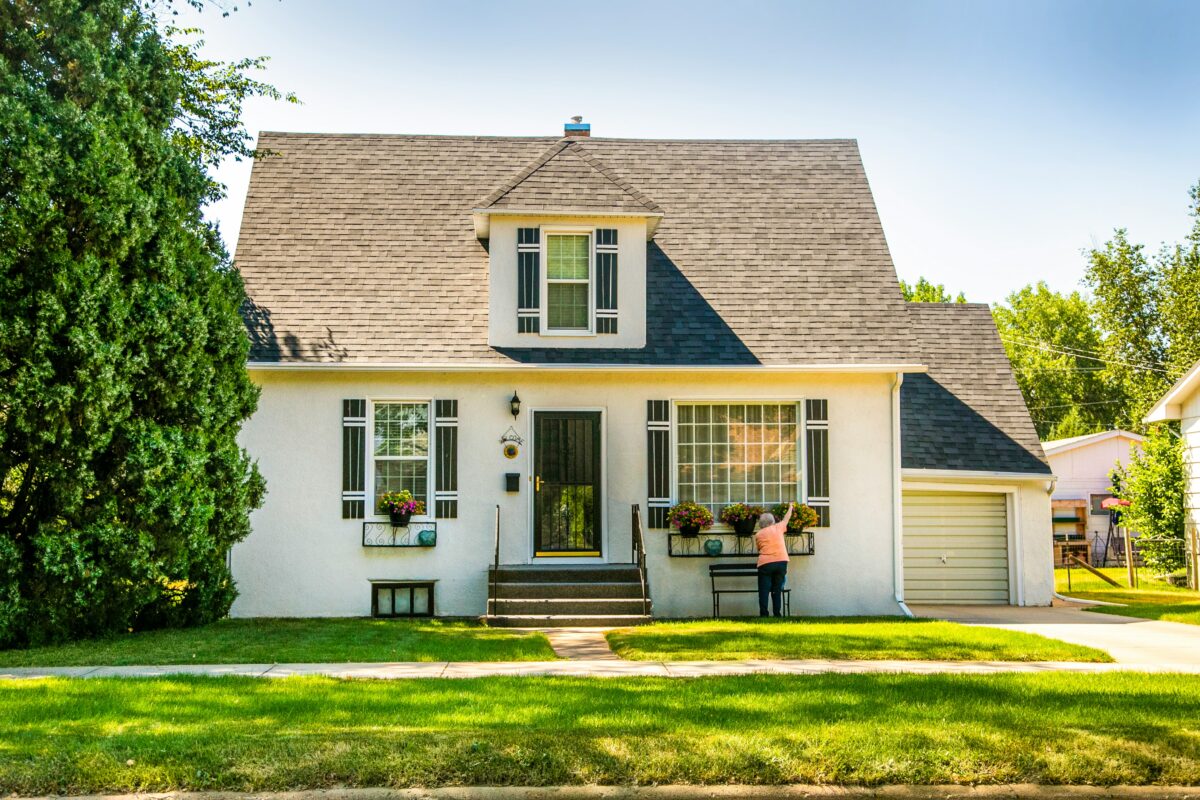
Homeowners often make the mistake of thinking that every improvement will add the same value to the property. In reality, not all upgrades are created equal. Overpricing your home because of improvements that don’t yield a strong ROI can keep it on the market for months. It’s important to research comparable properties in your neighborhood to ensure you’re asking a reasonable price.
Skipping Necessary Repairs for Cosmetic Fixes
While it’s tempting to focus on cosmetic upgrades like new paint or landscaping, neglecting foundational repairs can do more harm than good. Buyers will be put off by issues like a leaking roof, outdated plumbing, or electrical problems. These are the types of repairs that can dramatically lower your home’s perceived value, even if the aesthetics are pristine.
Ignoring Curb Appeal
First impressions are everything. The exterior of your home is the first thing potential buyers will see, and poor curb appeal can turn them away before they even walk through the door. A neglected lawn, overgrown plants, or a peeling front door are all signs of a home that needs TLC. Simple steps like planting fresh flowers, maintaining your lawn, or power-washing driveways can significantly improve your home’s appeal.
DIY Projects Gone Wrong
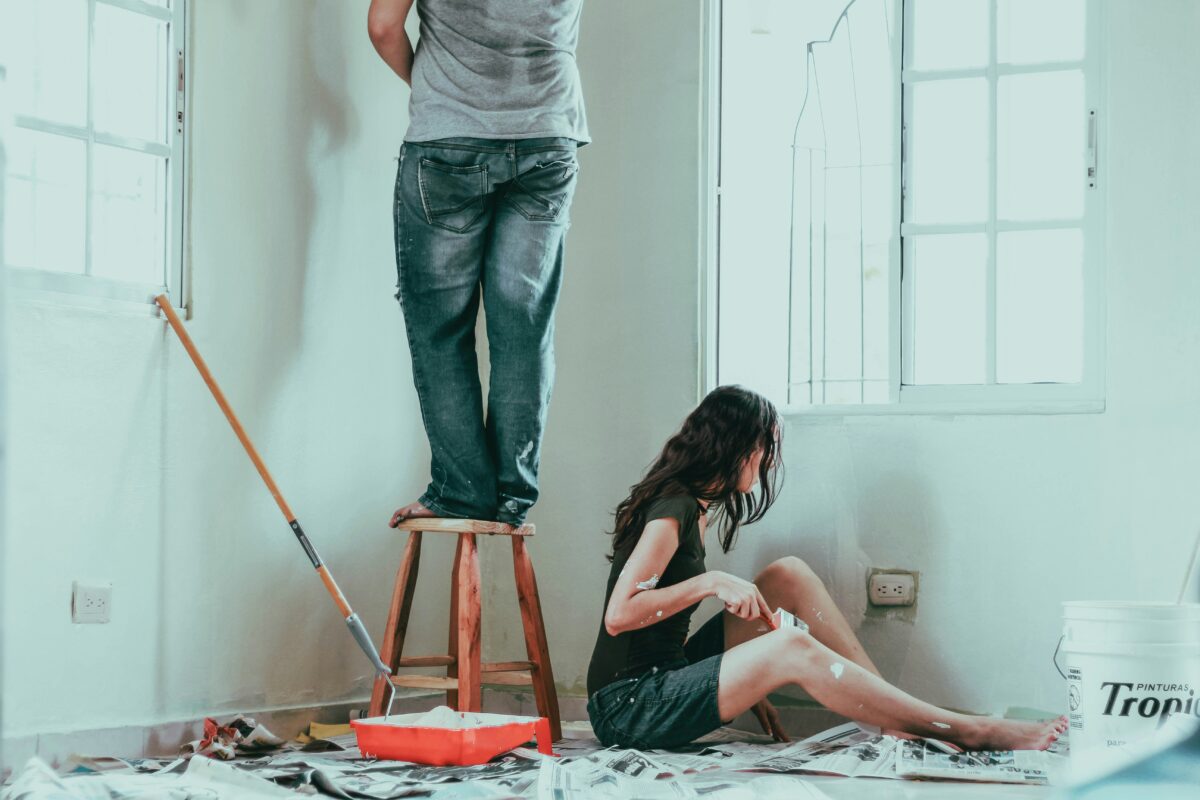
While DIY projects can save you money, they often lead to shoddy workmanship that can detract from your home’s value. Whether it’s installing a backsplash or putting up a new light fixture, improper installations can be a huge turnoff for buyers. Always consider hiring a professional for major projects to avoid cutting corners and lowering your property’s value.
Overpersonalizing Your Space
Personalized decor might make your home feel cozy, but it can also limit its appeal to a broader audience. Brightly colored walls, unique wallpaper, or excessive personal items can make it hard for potential buyers to visualize themselves in the space. Neutralize your decor and opt for modern, minimalistic touches to make your home feel welcoming to everyone.
Forgetting About Energy Efficiency
In today’s market, energy-efficient homes are more desirable than ever. Failing to make energy-saving upgrades, such as adding insulation, replacing old windows, or installing a smart thermostat, could be a huge missed opportunity. These features not only make your home more appealing but also save buyers money in the long run, making it a worthwhile investment.
Not Updating Outdated Appliances
Old, inefficient appliances can be a red flag for buyers. If your fridge is from the 90s or your oven barely heats up, it could make your home seem outdated. Upgrading to energy-efficient, modern appliances may require an upfront investment, but it can drastically increase the home’s value and attract more serious buyers.
Failing to Stage Your Home Properly
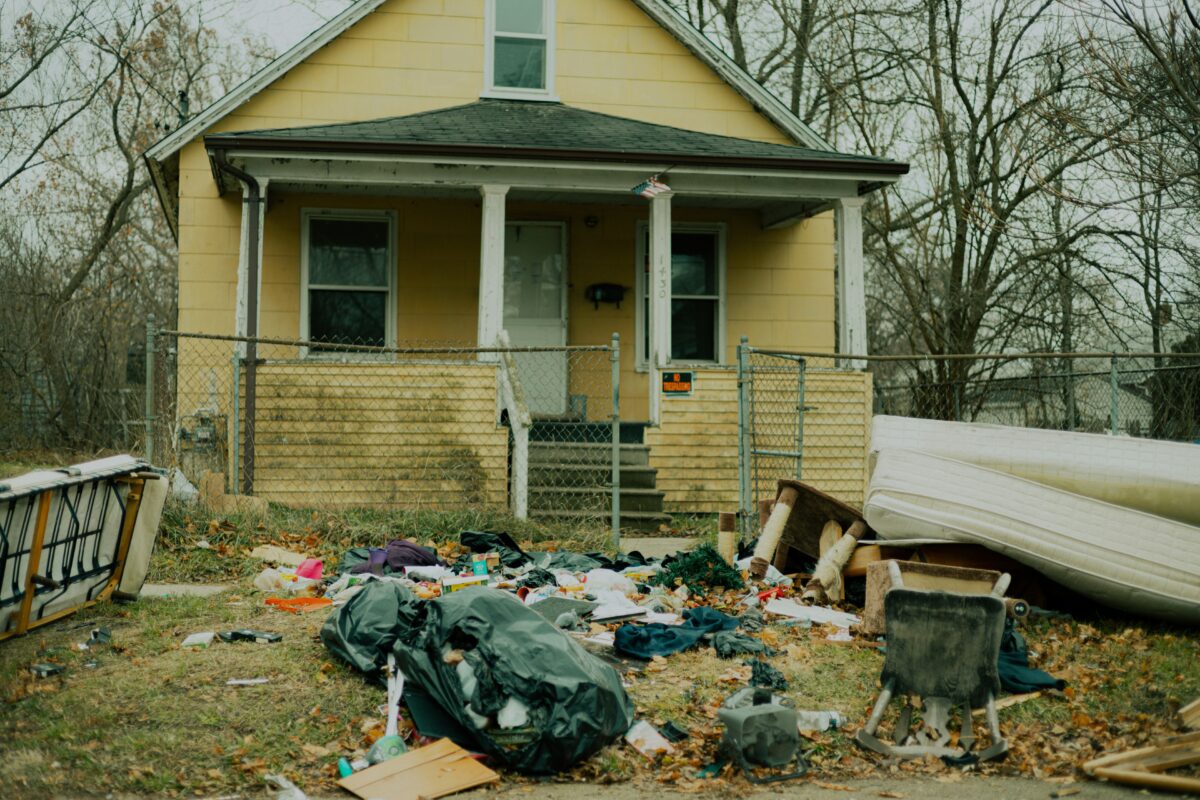
A cluttered or empty home can make it difficult for buyers to picture themselves living there. Staging your home, or even just cleaning and decluttering, can make a huge difference in how buyers perceive the space. A professionally staged home often sells for more because it highlights the home’s best features and makes it easier for potential buyers to envision their own lives in it.
Not Capitalizing on the Kitchen and Bathroom
The kitchen and bathroom are the two most important rooms for adding value to your home. Ignoring these areas or making superficial upgrades instead of investing in quality renovations can drastically reduce your return on investment. Even something as simple as updating faucets, re-grouting tiles, or installing new countertops can significantly elevate the space’s value.
Failing to Maintain the Property’s Value
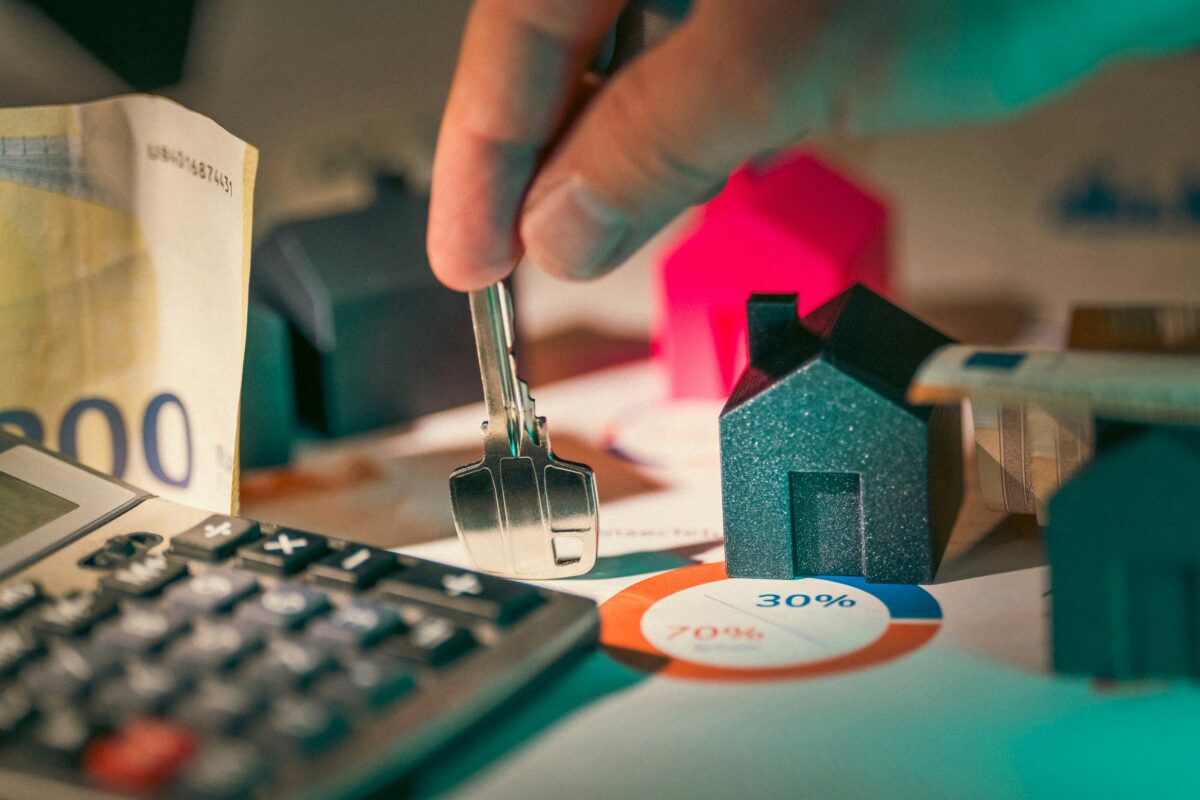
After you’ve made improvements to your home, it’s essential to keep up with regular maintenance. A house that’s well-maintained will naturally hold its value over time. Neglecting tasks like cleaning gutters, maintaining the HVAC system, or resealing the roof can cause problems down the road that will lower your property’s value. Regular upkeep ensures your home remains in top shape, helping to maintain its value over time.
Conclusion
Increasing your home’s value is about more than trendy improvements; it’s about smart, strategic upgrades that pay off. By avoiding these common mistakes, you’ll ensure the changes you make add value, not take it away. Stay focused on what matters most: quality repairs, attractive upgrades, and proper maintenance, and you’ll be well on your way to getting the highest return on your investment when it’s time to sell.