8 Jokes That Triggered Real-World Crises and The Impact They Had
Humor has long been an essential part of human nature, often used as a mechanism to ease tension, break barriers, or entertain. Yet, some jokes have spiraled far beyond the realm of innocent amusement, triggering real-world crises that affected individuals, organizations, and even nations. While most jokes are harmless, occasionally, one falls into the wrong context, triggering a chain of events that no one could have predicted.
These eight infamous instances illustrate how humor, when misfired, can trigger a whirlwind of panic, confusion, and lasting consequences.
The Fake Volcano Eruption That Caused Mass Panic
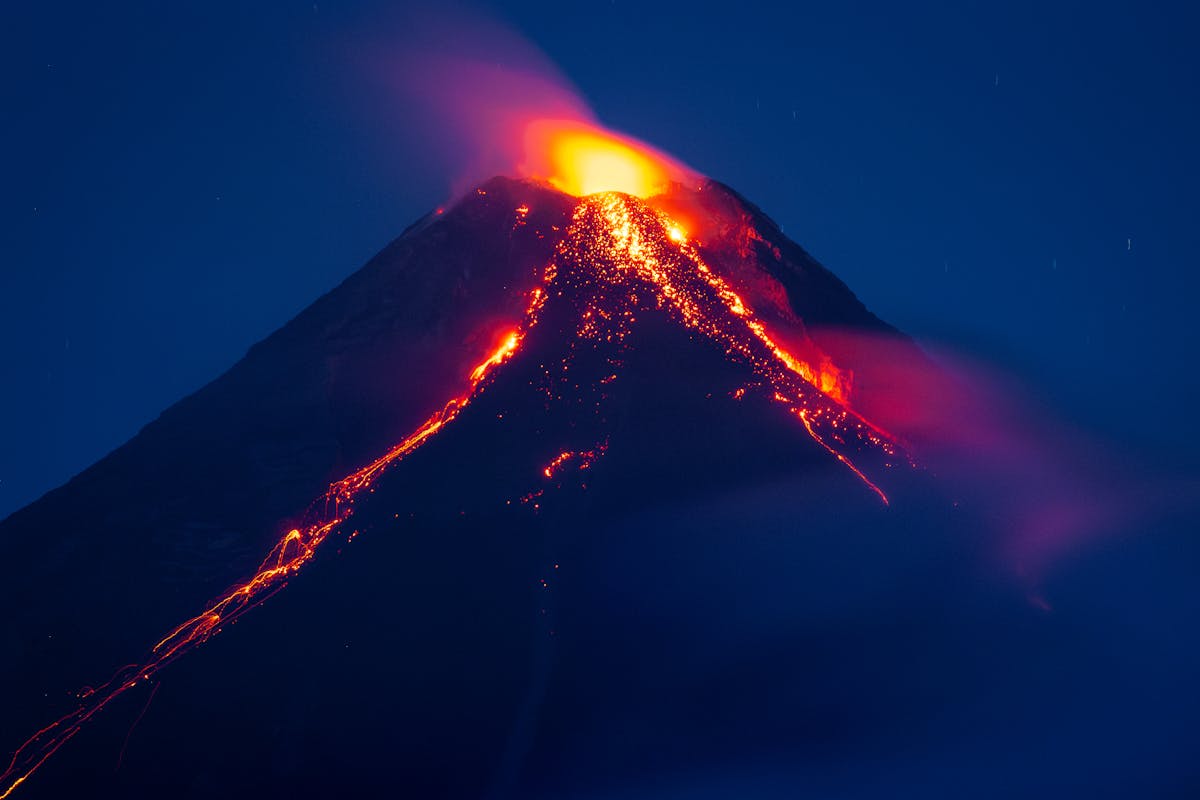
In 1980, a Boston television station aired a news report claiming that Great Blue Hill, a dormant peak outside of Milton, Massachusetts, had erupted. The segment included footage of the recent eruption of Mount St. Helens, edited with soundbites suggesting an impending crisis. While it was an April Fools’ prank, many viewers didn’t realize it was a joke and panicked, contacting emergency services or evacuating their homes.
The stunt led to immediate backlash, and the station’s executive producer was dismissed for failing to provide clear disclaimers. What was meant as an innocent joke triggered widespread confusion and disrupted public order.
Satire Gone Wrong: The Onion’s Ahmadinejad Joke That Sparked Diplomatic Embarrassment
In 2012, satirical newspaper The Onion published a piece claiming that rural white Americans preferred Iranian President Mahmoud Ahmadinejad over U.S. President Barack Obama. The over-the-top statistics were meant to be humorous, yet a serious misstep occurred when Iran’s Fars News Agency picked up the article and published it as factual.
The article quickly spread worldwide before the news agency retracted it, but not before a diplomatic embarrassment ensued. What was meant as a satirical jab turned into a serious misunderstanding that made headlines globally.
Ghostwatch: The Haunting That Sparked National Panic

On Halloween night in 1992, the BBC aired a seemingly live broadcast of a paranormal investigation titled Ghostwatch. Featuring renowned presenters and a family allegedly tormented by a poltergeist, the program cleverly blended fiction with reality. Despite being listed as a drama, many viewers, especially those who tuned in late, believed the broadcast was genuine.
The result? 1,000,000 phone calls to the BBC and widespread panic. The public’s response highlighted the power of realism in media, and the BBC faced severe backlash for blurring the lines between entertainment and real-life events.
Google’s April Fools’ Day Blunder That Cost Jobs
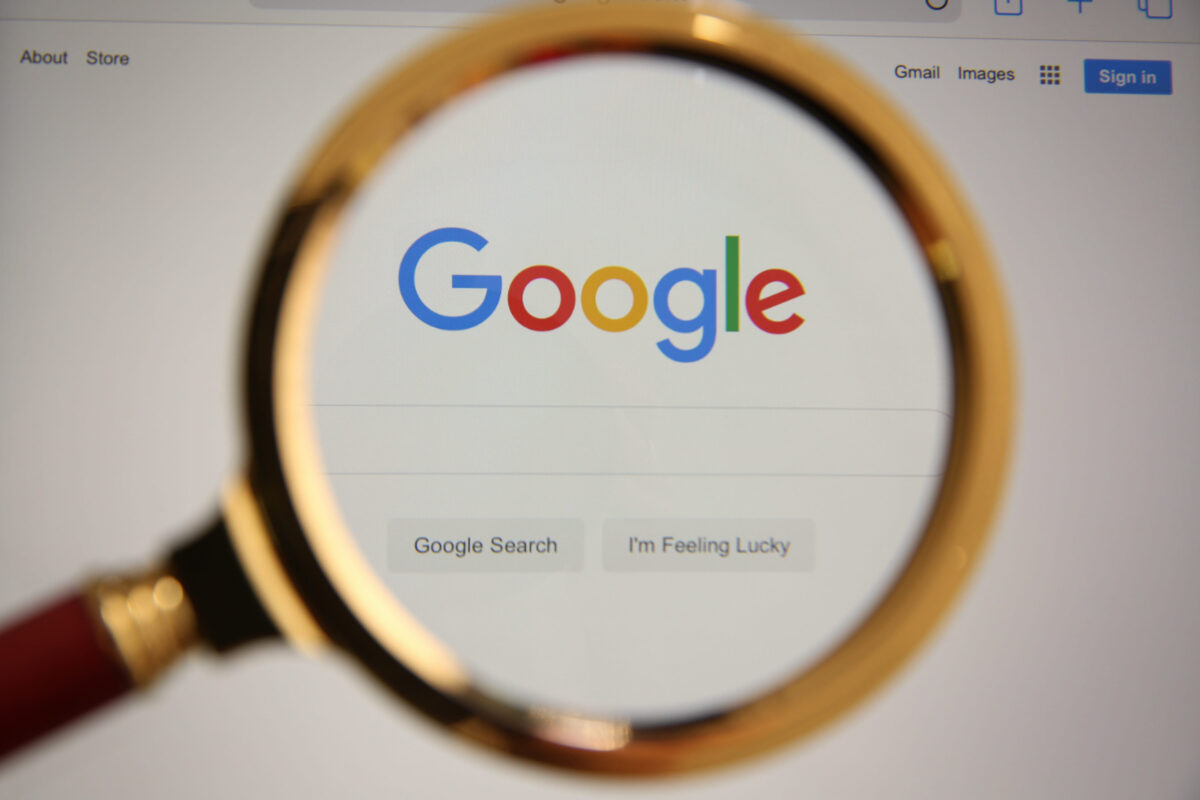
Google’s 2016 April Fools’ prank, known as “Mic Drop,” allowed users to send an email with a Minion GIF, which would automatically mute the conversation. What was intended as a playful feature turned into a nightmare when users accidentally sent professional emails with the GIF, leading to job rejections and strained relationships. The feature’s placement next to the “Send” button contributed to the widespread mishap.
Google quickly removed the feature and issued an apology, but the fallout left many questioning the responsibility of major tech companies when it comes to “harmless” jokes.
The Fake Moon Landing Hoax That Fooled the World
In 1835, The Sun newspaper published a series of articles claiming that life had been discovered on the Moon, including bizarre creatures such as bat-like humanoids. What seemed like an absurd piece of humor was presented as legitimate scientific reporting, capitalizing on the public’s fascination with astronomy. Readers believed it, and the fabricated news quickly spread internationally.
Scientists in Europe, taken aback by the apparent discovery, debated the authenticity of the claims. The hoax not only fooled the masses but also damaged the public’s trust in scientific reporting for a brief period.
The Tweet That Caused Financial Turmoil
In 2013, a Twitter account posing as the Associated Press reported that explosions had occurred at the White House and that President Obama had been injured. The tweet spread rapidly, triggering automated trading systems, causing the stock market to drop by nearly 150 points. Once the information was confirmed as false, markets rebounded, but the incident demonstrated how quickly misinformation, even in the form of a tweet, can impact global financial markets.
This event showed that even in the digital age, humor or hoaxes could reverberate in ways previously unimaginable.
The Taco Bell Prank That Made Headlines and Sparked National Outrage

On April Fools’ Day in 1996, Taco Bell took a cheeky approach to humor with a full-page ad in major newspapers claiming they had bought the Liberty Bell to help reduce the U.S. national debt. The joke, which was intended to be a humorous corporate stunt, led to an immediate public outcry. Many citizens were angered at what they thought was a commercial exploitation of a national symbol.
While the company revealed the prank later in the day, the controversy had already created a stir, with government offices and media outlets scrambling to respond to public anger.
The Deadly Radio Contest That Was Anything But Funny
In 2007, a radio station, KGB-FM, launched a contest called “Hold Your Wee for a Wii,” which encouraged participants to drink excessive amounts of water without urinating. The last person to “hold it” would win a Nintendo Wii. Tragically, one participant developed water intoxication and later died, while others were hospitalized. The stunt, intended as a humorous promotional event, led to lawsuits, public outrage, and greater scrutiny of the safety of promotional radio contests. This joke cost a life and remains a painful example of how a harmless-sounding challenge can turn tragic.
Conclusion
These incidents serve as stark reminders of how humor, when misinterpreted or taken too seriously, can set off a chain of events with far-reaching consequences. In each of these cases, a joke meant to entertain or provoke thought escalated beyond anyone’s expectations, proving that sometimes, comedy is no laughing matter.