ICE Officers Fatally Shot Two Workers Headed to Their Jobs. Now Bishops Say Silence Is No Longer an Option
Two working men left home expecting an ordinary day. One was driving a construction crew through Houston. The other was heading to work in Biddeford, Maine.
Neither man arrived.
Within six days, Immigration and Customs Enforcement officers fatally shot Lorenzo Salgado Araujo and Johan Sebastián Durán Guerrero during separate vehicle stops. Federal officials say the officers responded to perceived threats. Witnesses, relatives and attorneys have challenged important parts of those accounts, and investigations remain underway.
Now Catholic leaders are pushing the story beyond the usual immigration argument. Their message is more unsettling: when enforcement ends in death, silence can become its own moral choice.
Two mornings that ended in gunfire

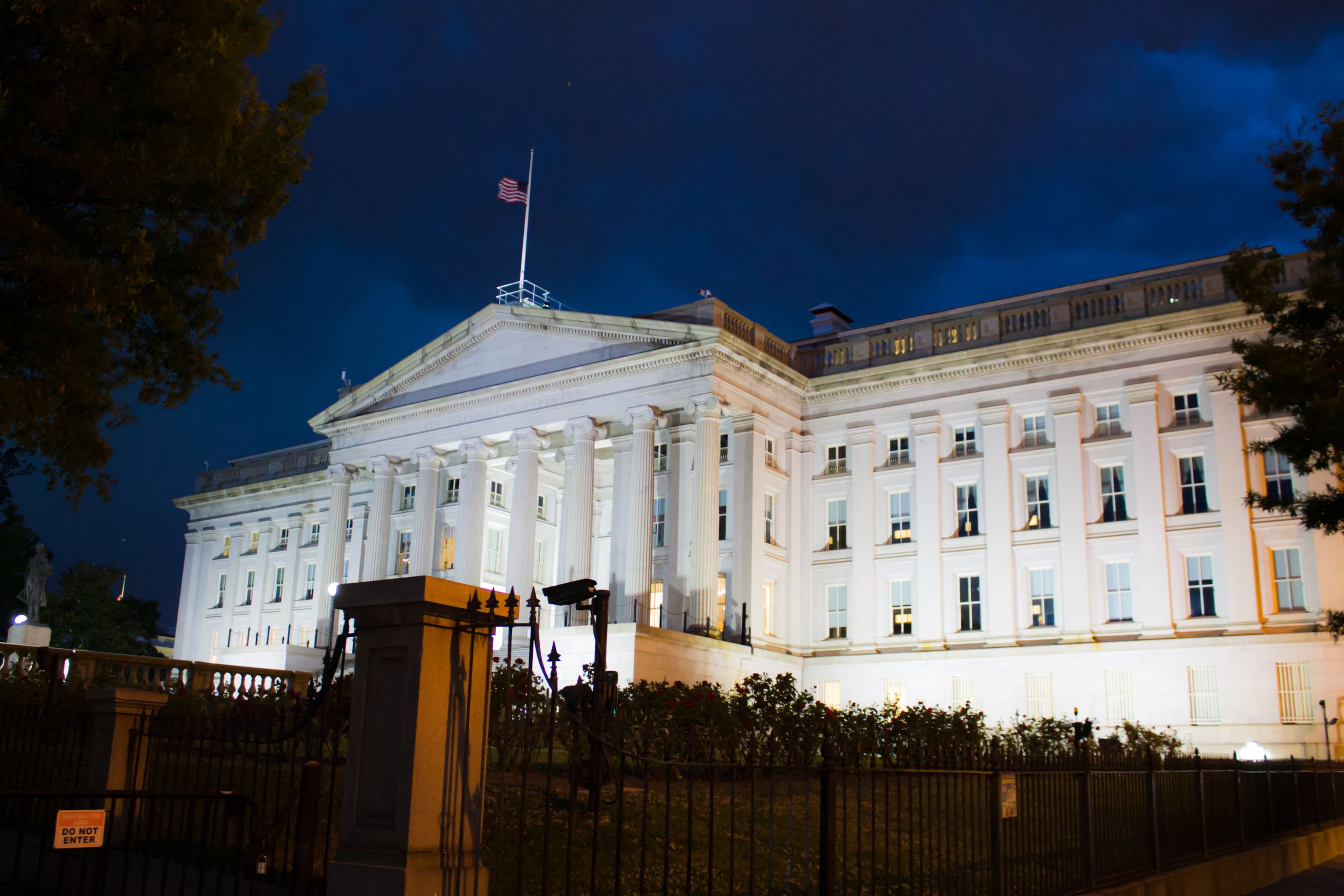
Ben and Sam Luhmann, CC BY 4.0, via Wikimedia Commons
Salgado Araujo, a 52-year-old homebuilder who had lived in the United States for about 35 years, was driving workers to a Houston construction site on July 7, 2026. ICE agents were searching for other men associated with a similar vehicle and initially believed he resembled one of their targets.
The Department of Homeland Security said Salgado Araujo used his van as a weapon and that an officer fired in self-defense. Men riding with him disputed that version, saying agents fired from the sides after the van had stopped.
A later account from a federal prosecutor did not repeat the earlier assertion that the van struck an ICE vehicle. It said Salgado Araujo reversed and then moved forward as officers surrounded him. No officer was reported injured.
Salgado Araujo was taken to a hospital and died. His family remembers a husband, father and builder whose work helped put roofs over other families’ heads.
Six days later, an ICE officer shot Durán Guerrero during a vehicle stop in Biddeford. The Colombian immigrant had federal work authorization and was raising a young daughter.
DHS said agents were watching an address connected to someone with a final removal order. When Durán Guerrero left in a vehicle, officers attempted to stop him. The department said he tried to flee and that an officer fired because of concerns for public safety.
Officials later acknowledged that Durán Guerrero was not the person agents originally sought. Witness accounts and video evidence have fueled questions about how the stop unfolded and whether deadly force was necessary.
The details remain contested, but one fact does not: two workers who were not the intended targets of the operations died before reaching their jobs.
Church leaders move from prayer to public warning
The first church responses were pastoral. Archbishop Joe Vásquez of Houston-Galveston asked Catholics to pray for Salgado Araujo, his family and a community gripped by fear. The Diocese of Portland offered support to Durán Guerrero’s relatives and called for comfort and peace.
Then the message sharpened.
Bishop Daniel Garcia of Austin and Bishop Brendan Cahill of Victoria issued a joint reflection arguing that attacks on human dignity should never become normal. They warned that racial profiling can spread fear, erode trust and increase the risk of tragic outcomes.
The bishops did not argue that immigration laws should disappear. Catholic leaders have repeatedly recognized the government’s authority to protect borders and enforce lawful rules. Their challenge is that enforcement must remain targeted, proportionate and humane.
The bishops are asking Americans to hold two ideas at once: laws matter, and the people subjected to those laws never stop possessing human dignity.
Federal accounts face a credibility test
ICE officers can enter unpredictable and dangerous situations. A vehicle can become a deadly weapon, and officers do not always have time to review events slowly before deciding how to respond.
So does the government’s responsibility to provide evidence when its agents take a life.
In Houston, witnesses challenged the claim that Salgado Araujo tried to run over an officer. In Maine, questions remain about why Durán Guerrero was stopped when he was not the target and how his attempted departure became a fatal encounter.
These are disputes about whether deadly force was justified.
Transparency is not an attack on law enforcement. It is the price of public trust.
Releasing available video, preserving witness testimony, explaining operational decisions, and allowing independent investigations would protect the public while giving officers a fair opportunity to have their actions judged by evidence rather than slogans.
Without transparency, each side fills the silence with assumptions.
The controversy is larger than two immigration cases
The deaths have inspired vigils, protests and calls for changes to ICE vehicle-stop procedures. For immigrant families, the fear is immediate: an ordinary commute can suddenly become an enforcement encounter with consequences no one can reverse.
Supporters of the administration’s crackdown have a different concern. They do not want disputed incidents used to discredit every officer or prevent the government from enforcing immigration law.
Both fears are real. Neither should end the conversation.
A serious response would examine whether ICE agents receive adequate training for vehicle stops, whether body cameras are used consistently and whether operations are designed to minimize mistaken identity and unnecessary escalation.
It would also separate legal status from the right to life. Being undocumented does not make deadly force automatic. Holding work authorization does not prevent a mistaken stop. Wearing a badge does not make every split-second decision criminal.
The law must determine responsibility. The public must insist that the process is honest.
Salgado Araujo and Durán Guerrero began their final mornings as workers, providers and fathers. Their deaths should not be reduced to political symbols before the facts are fully established.
But they should not be buried beneath cautious language either.
Two men who were not the targets of federal operations were fatally shot by ICE officers on their way to work. Church leaders say human dignity cannot be treated as optional.
The hardest question now belongs to the country: after two families sent loved ones to work and received grief in return, what would silence say about the rest of us?