The unwanted milestone that puts Trump in the history books
President Donald Trump’s second term in the White House has reached a politically damaging milestone that highlights the challenges of governing in an era of deep division. Despite returning to office with strong support from millions of voters, Trump has faced growing public dissatisfaction, intense political battles, and continued scrutiny over his policies. His approval ratings have become one of the defining stories of his second presidency, placing him among the most unpopular presidents at a similar point in modern history.
The numbers reflect a difficult reality for an administration that entered office promising major changes. While Trump’s supporters continue to praise his approach on issues such as immigration, trade, government reform, and foreign policy, critics argue that his leadership style has increased instability and division. The result is a presidency facing an unusual challenge: maintaining political momentum while dealing with widespread disagreement among Americans.
Trump’s Second Term Begins Under a Cloud of Public Frustration
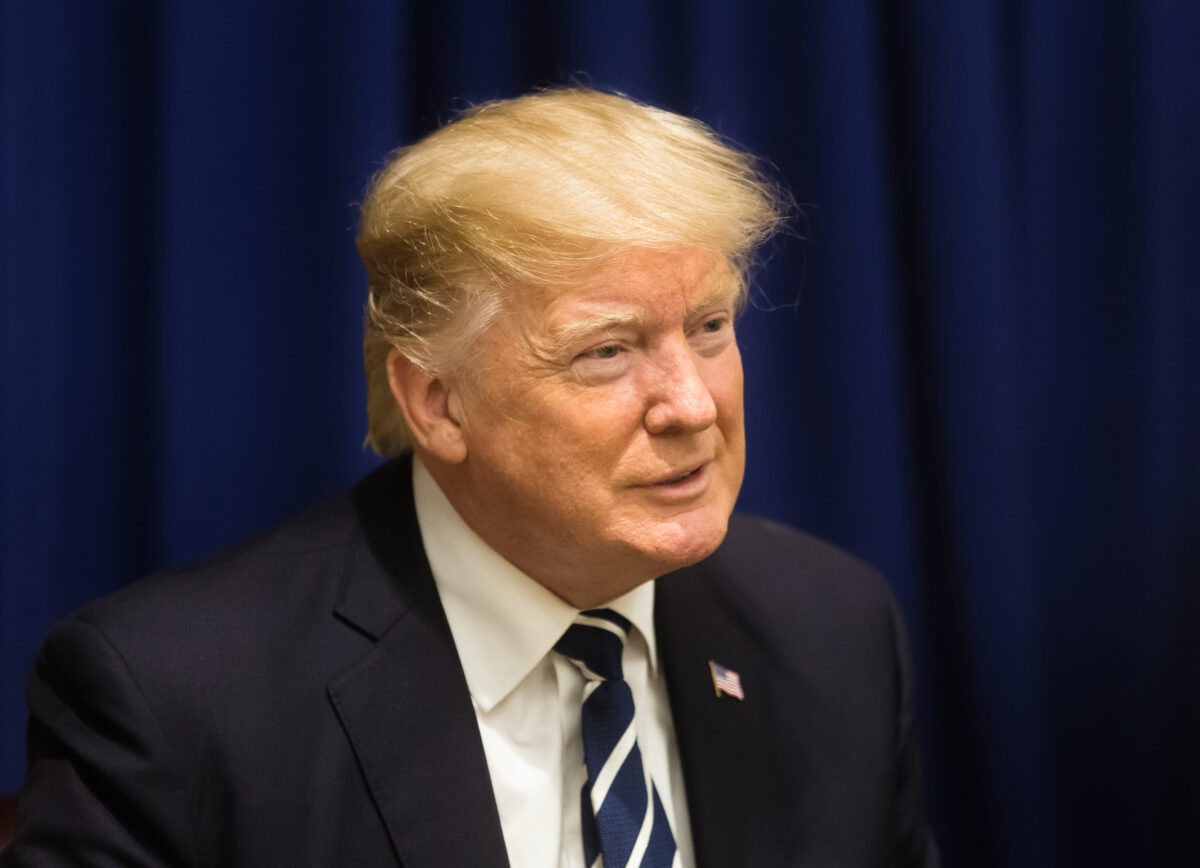
When Trump returned to the White House, expectations were high among his supporters. His victory represented a major political comeback and a rejection of many policies from the previous administration. However, the early months of his second term quickly became dominated by controversy and public debate. A series of executive actions, policy changes, and political conflicts created a challenging environment for the administration. Presidential approval ratings often reflect more than a single issue. They measure public confidence in leadership, economic conditions, foreign policy decisions, and how voters feel about the overall direction of the country.
For Trump, several issues have combined to create pressure on his approval numbers. Concerns about inflation, government decisions, international tensions, and political polarization have influenced how Americans view his performance. The result has been a historically difficult opening period for a president beginning a second term.
A Rare Political Position Among Modern Presidents
Approval ratings have long been used as a measurement of presidential strength. While every president experiences periods of criticism, reaching very low approval levels early in a term places a leader in a small and politically significant group. Several modern presidents have experienced major approval challenges during their time in office, especially during periods of economic uncertainty or national crisis. However, Trump’s situation is unusual because public opinion surrounding him has remained highly divided since his first presidential campaign. His supporters often view him as a leader willing to challenge traditional politics, while opponents see his approach as damaging to democratic institutions and national unity.
This intense divide has followed him into his second term. Rather than producing a traditional honeymoon period after an election victory, Trump’s return to office has continued the political battles that have defined much of his public career.
The Policies Driving the Debate Around Trump’s Presidency
A major reason behind Trump’s approval struggles is the number of major policy fights happening at the same time. Immigration has remained one of the most prominent issues. Trump has pushed aggressive border policies, arguing that stronger enforcement is necessary for national security. Supporters consider these actions a fulfillment of campaign promises, while critics have raised concerns about their impact on families, workers, and communities. Economic policy has also played a major role. Trump has promoted tariffs, changes to trade relationships, and domestic economic reforms. While some supporters believe these policies protect American industries, others worry they could increase costs for consumers.
Foreign policy decisions have created additional debate. Trump’s approach toward global conflicts, international alliances, and relations with major powers has generated strong reactions both inside the United States and abroad. Each issue has contributed to a broader national conversation about the direction of the country under his leadership.
Why Public Opinion Has Become More Difficult for Trump to Control
Modern presidents often experience changes in approval ratings based on current events. However, Trump faces a unique political environment because opinions about him are deeply established. For many Americans, views of Trump are connected to broader beliefs about government, culture, and national identity. Supporters often highlight his willingness to challenge political traditions and take aggressive action on issues they care about. They argue that criticism of his presidency reflects opposition from political rivals rather than dissatisfaction with his policies.
Opponents, meanwhile, argue that his leadership approach has contributed to instability and increased tensions. This strong emotional divide makes it difficult for Trump to significantly change public opinion. Unlike presidents who lose support because of one specific event, Trump’s approval ratings are influenced by years of political debate and personal reactions.
The Role of Economic Concerns in Trump’s Approval Numbers
Economic conditions frequently play a major role in presidential approval ratings. Even when a president has strong political support, voters often judge leadership through everyday experiences such as prices, wages, employment opportunities, and household expenses. During Trump’s second term, economic issues have remained central to public discussion.
Tariffs and trade policies have received particular attention because they can affect businesses, supply chains, and consumer prices. Supporters argue that these measures strengthen American industries and encourage domestic production. Critics warn that they may create additional costs. The economy remains one of the most powerful factors shaping how Americans evaluate any administration, and Trump’s ability to improve public confidence may depend heavily on economic results.
A Presidency Defined by Political Polarization
Trump’s return to office has also highlighted the continuing polarization of American politics. The country remains divided between voters who view Trump as a necessary disruptor and those who see him as a threat to established political norms. This division extends beyond elections. It affects debates over government institutions, media coverage, social issues, and America’s role in the world.
Political polarization has become one of the defining features of modern American politics, and Trump remains at the center of that debate. His presidency has created strong loyalty among supporters but equally strong opposition among critics. That dynamic has shaped every major moment of his political career, including his current term.
What This Milestone Could Mean for Trump’s Political Future
Low approval ratings do not automatically determine the success or failure of a presidency. History has shown that public opinion can change dramatically depending on economic conditions, international events, and political developments. A president facing weak approval numbers can recover if voters believe conditions improve. At the same time, continued dissatisfaction can create serious challenges for a governing party during future elections.
For Trump, the challenge is maintaining support among his political base while convincing more Americans that his administration is delivering positive results. The coming months will likely determine whether his approval numbers represent a temporary setback or a lasting feature of his second term.
Trump’s Second Presidency Enters a Defining Moment
The latest milestone surrounding Trump’s approval ratings reflects more than a political statistic. It represents the ongoing struggle of a president attempting to reshape Washington while facing intense public disagreement. His second term has already become one of the most closely watched periods in modern American politics. Every major decision carries significant consequences because supporters and critics are paying close attention.
Whether Trump ultimately changes public opinion will depend on several factors: economic performance, policy outcomes, international events, and how Americans experience his leadership in their daily lives. For now, the numbers reveal a complicated picture of a president who remains one of the most influential and controversial figures in American politics. Trump’s second term continues to write a unique chapter in presidential history — one defined by political battles, passionate support, strong opposition, and a level of public debate rarely seen in modern times.