America’s Cooling Divide: How New Air Conditioning Rules Could Reshape Access to Affordable Cooling
A small window air conditioner may soon become a symbol of one of America’s biggest climate debates. As new air-conditioning rules spread across states such as California and New York, policymakers are trying to reduce harmful refrigerants, while communities question whether cleaner cooling technology will remain affordable for everyone.
The debate over air conditioning rules is not simply about appliances or energy efficiency. It is about public health, household costs, climate policy, and the growing challenge of protecting people from extreme heat. For millions of Americans, especially renters, older adults, and low-income households, access to cooling is becoming a safety issue rather than a matter of comfort.
The shift toward lower-emission cooling technology reflects a broader environmental movement that has developed over decades. However, the transition also raises an important question: can America reduce climate pollution without creating a new divide between those who can afford advanced cooling systems and those who depend on basic air conditioners to survive rising temperatures?
The Window Air Conditioner Has Become a Symbol of a Much Larger Debate
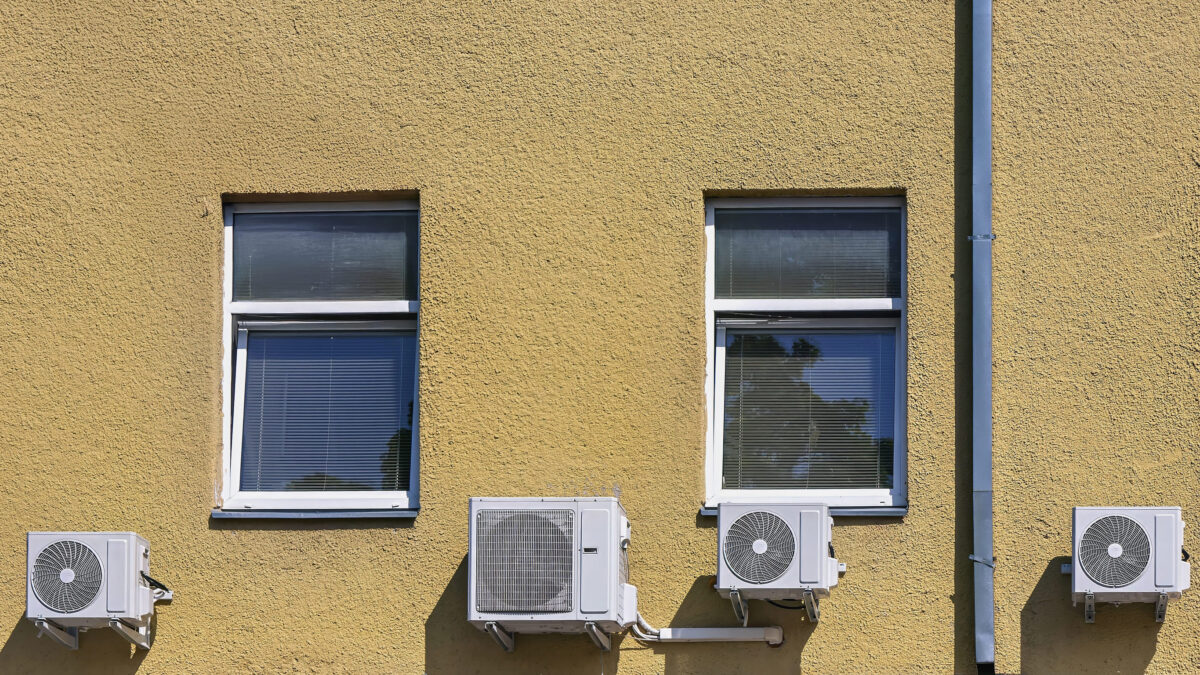
For many households, the window air conditioner represents independence. A relatively inexpensive unit can cool a bedroom, reduce heat exposure, and provide relief during dangerous summer conditions without requiring major renovations or professional installation.
That simple function has become increasingly important as extreme heat events become more common. Public health officials have repeatedly warned that indoor heat can become dangerous, particularly for older adults, people with chronic illnesses, and residents living in poorly ventilated homes.
The growing importance of cooling has changed how society views air conditioning. What was once considered a household convenience is increasingly recognized as a protective tool during periods of extreme weather. This shift is at the center of the debate surrounding new air conditioning rules.
The challenge facing policymakers is complex. Reducing greenhouse gas emissions from cooling equipment is necessary, but making cooling systems overly expensive or inaccessible could pose new risks to vulnerable communities.
This tension explains why air conditioning has moved from an appliance discussion into a national conversation about fairness and climate adaptation.
California’s Refrigerant Changes Are Driving the National Conversation
California has been one of the leading states in changing how air-conditioning equipment is manufactured and sold. The state’s approach focuses heavily on reducing hydrofluorocarbons, or HFCs, which are refrigerants with high global warming potential.
HFCs became common because they replaced older chemicals that damaged the ozone layer. However, scientists later identified many HFCs as powerful greenhouse gases that can contribute significantly to climate change when released into the atmosphere.
California’s air conditioning rules are designed to encourage manufacturers to move toward refrigerants with lower climate impacts. These regulations primarily affect new equipment rather than forcing residents to immediately replace existing air conditioners.
That distinction is important because many consumers misunderstand how these policies work. A homeowner with an older window unit is not being asked to remove it simply because new standards are changing.
However, the long-term effects of these rules remain a major point of discussion. Consumers, manufacturers, and policymakers are watching whether the transition affects product prices, availability, and repair options.
California’s experience often influences national policy conversations. The state has previously shaped environmental standards in areas such as vehicle emissions, energy efficiency, and climate regulations.
Because of that history, other states are closely examining whether California’s approach to air conditioning will become a broader model.
The Real Conflict Is Not Cooling Technology, But Cooling Affordability
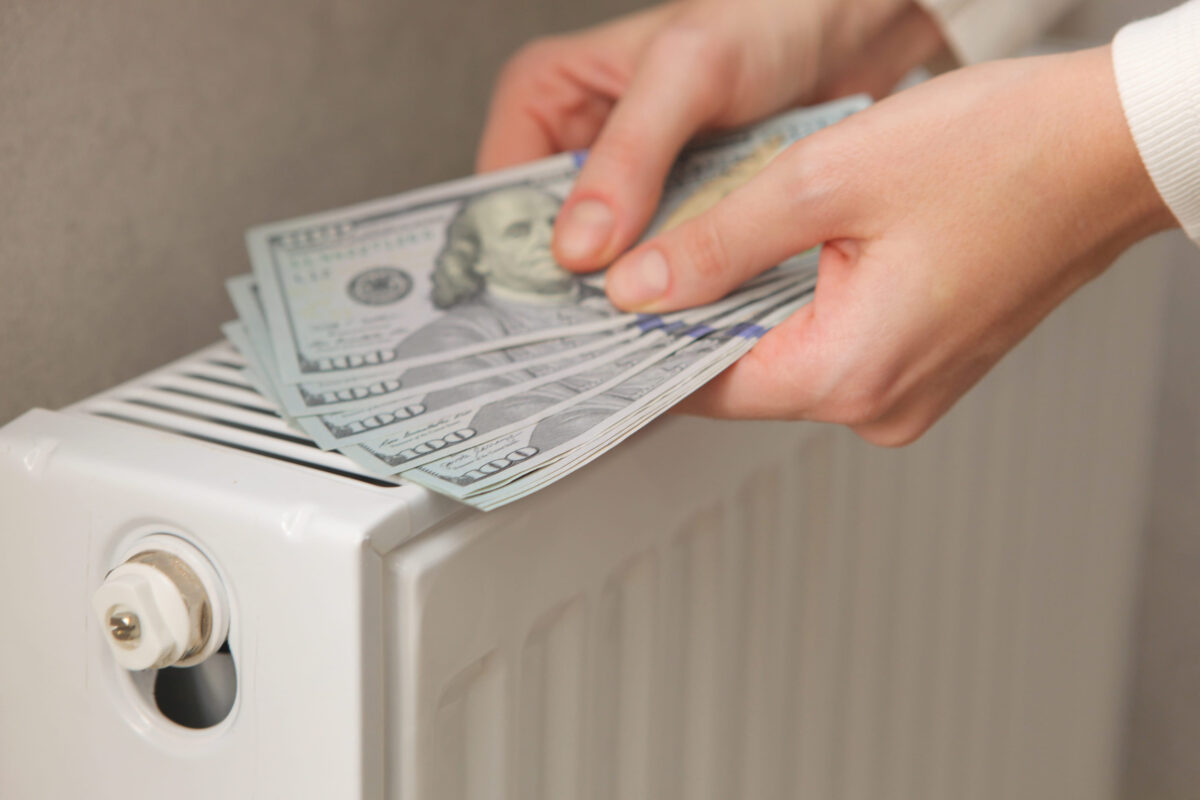
One of the biggest concerns surrounding changes to air conditioning rules is cost. The difference between a basic window unit and a full heating and cooling system can be significant.
A small window air conditioner can often be purchased for a few hundred dollars. It offers a practical solution for renters, apartment residents, and families who need targeted cooling in one or two rooms.
A modern heat pump system offers broader benefits. It can provide both heating and cooling, improve efficiency, and reduce emissions compared with many traditional systems. However, installation can cost several thousand dollars depending on the home and required upgrades.
For many homeowners, that investment may be possible with rebates, financing, or savings. For others, especially households already struggling with housing and energy costs, the upfront expense creates a serious barrier.
This difference creates a potential cooling divide. Some Americans may transition easily to advanced systems, while others may continue to rely on older or smaller units because they are the only affordable option.
The issue is not whether heat pumps and efficient systems have value. They do. The issue is whether every household has equal access to those improvements.
A successful climate transition must consider economic realities alongside environmental goals.
New York’s Approach Raises Questions About the Future Cost of Cooling
New York has also introduced stricter standards targeting high-impact refrigerants. The state’s regulations aim to reduce emissions from cooling equipment while encouraging cleaner alternatives.
Like California’s approach, New York’s air conditioning rules focus mainly on new equipment and refrigerant standards. Existing systems are generally allowed to continue operating under current rules.
However, the state’s policies have created debate about future affordability. Critics argue that additional requirements could influence manufacturing costs, equipment choices, and replacement expenses.
Another part of New York’s discussion involves appliance collection and recycling programs. Supporters argue that better disposal systems can prevent harmful refrigerants from escaping into the atmosphere.
These programs could create environmental benefits by ensuring older equipment is handled properly. However, policymakers must also consider whether recycling requirements create additional costs for consumers or businesses.
The broader question is how governments can design environmental programs that protect the planet without increasing financial pressure on households.
Why Vermont Has Become the Next State to Watch

Vermont has entered the conversation because of concerns that smaller states may eventually adopt policies similar to those of California and New York. The state has a history of advancing climate legislation and examining strategies developed elsewhere.
The concern among critics is that future air conditioning rules could make inexpensive cooling options harder to access. A household that relies on a low-cost window unit may worry about whether affordable replacements will remain available.
However, Vermont has not banned window air conditioners. Existing policies focus primarily on reducing the use of high-impact refrigerants and encouraging cleaner technology over time.
The state has also supported programs that improve access to efficient appliances and heating systems. These programs demonstrate that Vermont’s approach is not simply about restricting older technology.
Instead, the debate centers on how quickly the transition should occur and how much support households need during the process.
That question is becoming more important as Vermont and other northern states experience hotter summers. Historically, many homes in cooler regions were built without extensive air conditioning because extreme heat was less common.
Climate patterns are changing that assumption.
The People Most Vulnerable to Heat May Face the Biggest Challenges
The effects of changing air conditioning rules will not be felt equally across society. Wealthier households often have more options, including upgraded HVAC systems, better insulation, and access to financing.
Renters often face different challenges. They may not be allowed to install permanent systems, and they may depend entirely on portable or window units during heat waves.
Older adults can also face greater risks. Many seniors live on fixed incomes and may struggle with unexpected replacement costs. For these households, affordable cooling can become a critical health resource.
A heat wave does not affect every home in the same way. A well-insulated house with central cooling offers protection that a small apartment with one aging window unit may not provide.
This is why public health experts increasingly view access to cooling as part of climate resilience planning.
The future of air conditioning rules will depend not only on environmental targets but also on whether communities can protect their most vulnerable residents.
The Transition to Cleaner Cooling Requires More Than New Technology
Technology alone will not solve the challenges created by rising temperatures and changing regulations. A successful transition requires investment in infrastructure, education, and affordability programs.
Manufacturers need time to develop reliable equipment. Contractors need training to install and maintain newer systems. Consumers need clear information about what rules affect them and what choices they have.
Without these steps, even well-intentioned policies could create confusion and frustration.
History shows that major technology transitions work best when governments, industries, and consumers move together. The transition from older ozone-damaging refrigerants illustrates how environmental goals can reshape industries over time.
The current shift toward lower-emission cooling follows a similar path. The difference is that today’s challenge involves not only environmental protection but also rising demand for cooling itself.
As temperatures increase, the need for accessible air conditioning will continue to grow.
The Future of Cooling Will Depend on Balancing Climate Goals and Human Needs
The debate over air conditioning rules represents a larger challenge facing modern society. Climate change requires action, but climate solutions must also account for everyday realities.
Cleaner refrigerants, efficient systems, and improved technology can help reduce environmental damage. At the same time, affordable cooling remains essential for public health and personal safety.
California and New York are testing approaches that could influence future policies across the country. Vermont and other states will continue watching how those decisions affect consumers.
The most important measure of success will not only be how much pollution is reduced. It will also be whether ordinary households can still access reliable cooling when temperatures become dangerous.
As America enters a warmer future, the question may no longer be whether people need air conditioning. The question may be whether everyone will have a fair opportunity to stay safe when the heat arrives.