Anthony Taylor Retires From Elite Refereeing After 831 Matches Under Football’s Brightest Spotlight.
Anthony Taylor spent more than two decades standing where few football supporters would ever want to stand, directly between two teams desperate to win, surrounded by thousands of angry voices and responsible for decisions that could define entire seasons.
After 831 matches, countless difficult calls and years beneath football’s unforgiving spotlight, the 47-year-old has announced his retirement from elite refereeing.
Taylor leaves the game after handling matches at nearly every level a referee could dream of reaching. From domestic league grounds to Wembley finals and the FIFA World Cup, his career placed him at the center of football’s biggest occasions and, inevitably, some of its fiercest arguments.
His final appointment was the 2026 World Cup round-of-16 match between Portugal and Spain in the United States. It was a fittingly prominent last assignment for an official who became accustomed to carrying enormous responsibility while millions watched every movement and every whistle.
A Career Measured in More Than Numbers
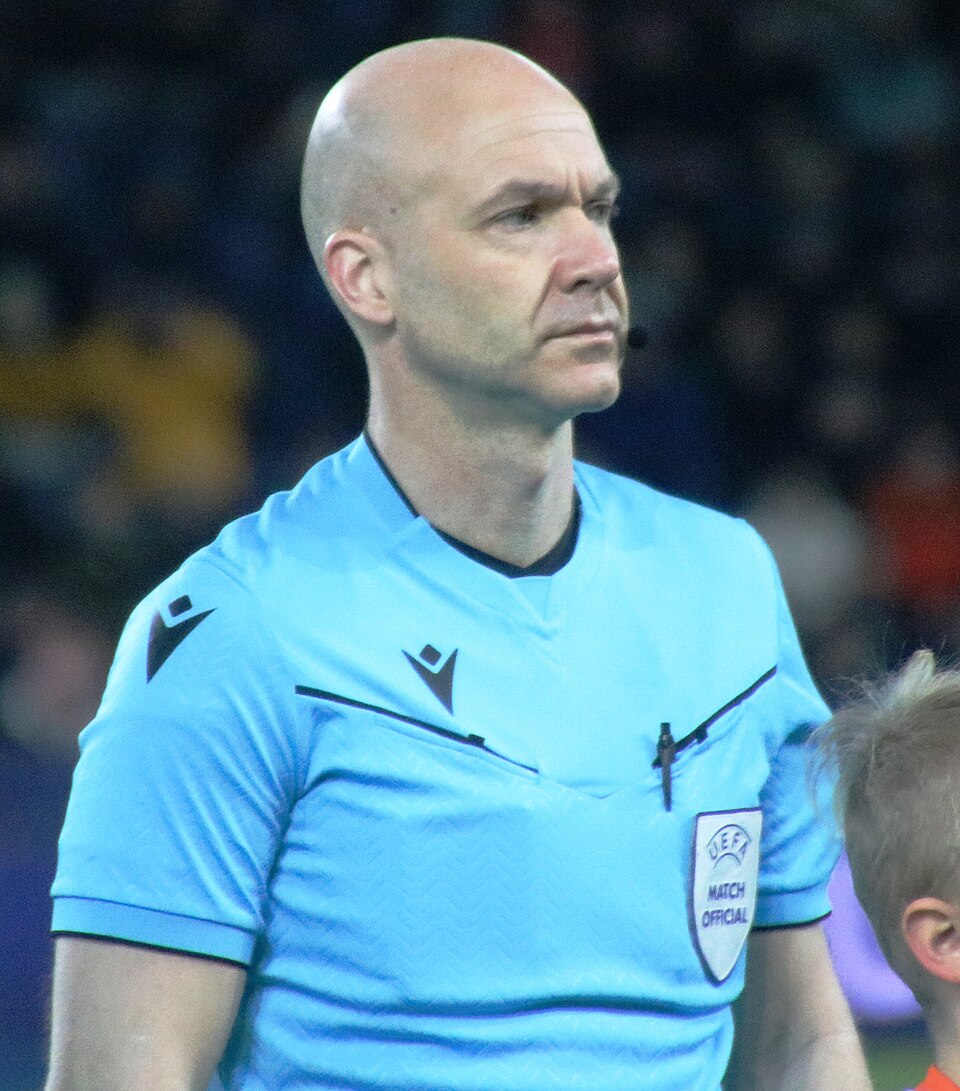
The headline figure is remarkable: 831 matches across more than 20 years. But that number only begins to explain the scale of Taylor’s career.
He officiated 668 matches in the English professional game, including 432 Premier League fixtures across 16 seasons. That level of longevity required more than a strong understanding of football’s laws. It demanded physical fitness, emotional control, concentration and the ability to return each week after having previous decisions publicly dissected.
For players, a difficult match may be followed by sympathy from teammates or supporters. Referees rarely receive the same protection. They are expected to make immediate judgments from imperfect angles, often while players are moving at full speed, and crowds demand opposite outcomes.
Taylor experienced that pressure at its highest level. His decisions were replayed in slow motion, discussed by television analysts and debated across social media. Even when he made the correct call, half the stadium could still believe he had ruined the match.
That reality makes 831 appearances more than a statistical achievement. It represents hundreds of occasions when Taylor walked onto the pitch knowing that one moment could overshadow everything else he did correctly.
From England’s League Grounds to Wembley
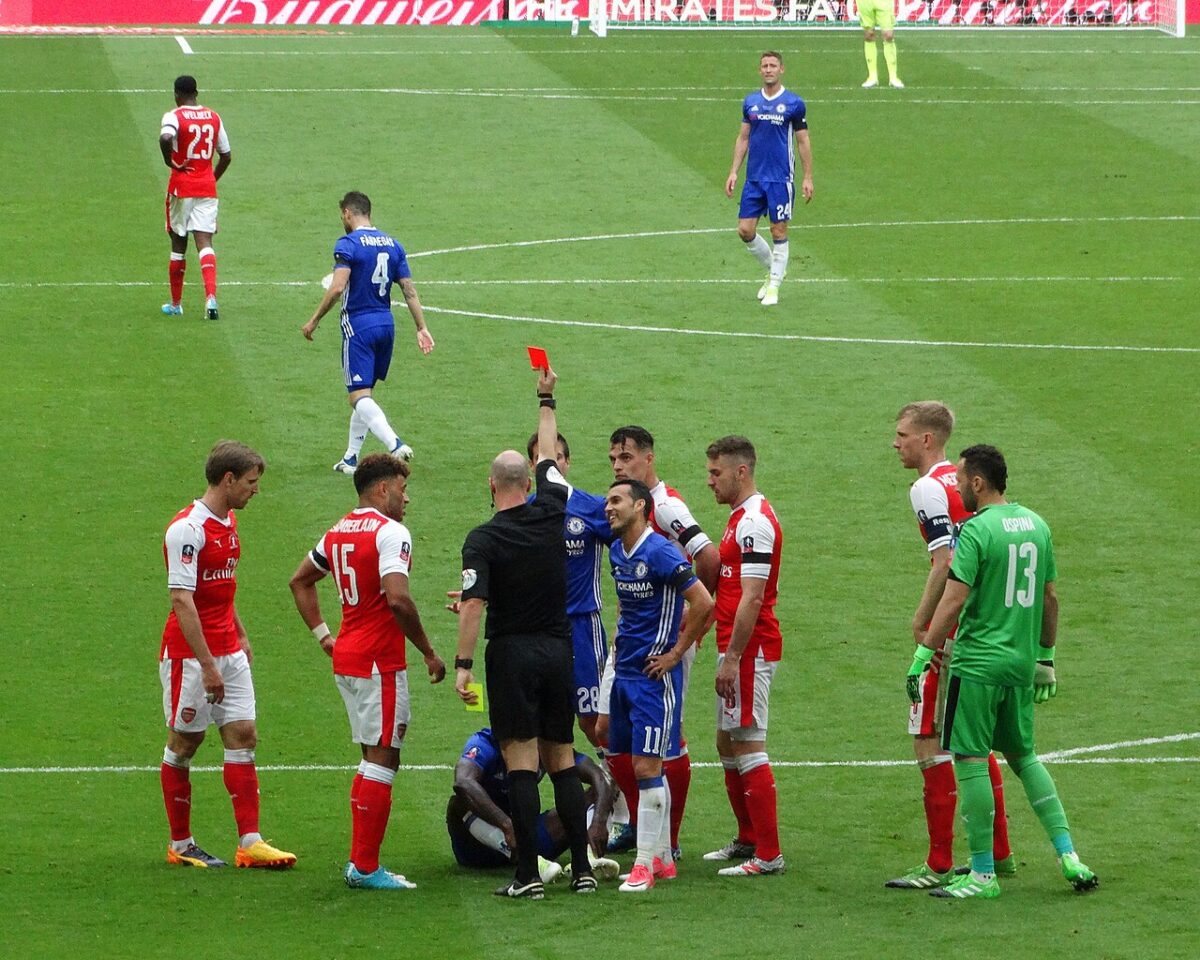
Taylor’s domestic record shows how highly football’s refereeing authorities regarded him. In practice, he did not simply survive in the Premier League; he repeatedly received appointments reserved for officials considered capable of controlling the most important matches.
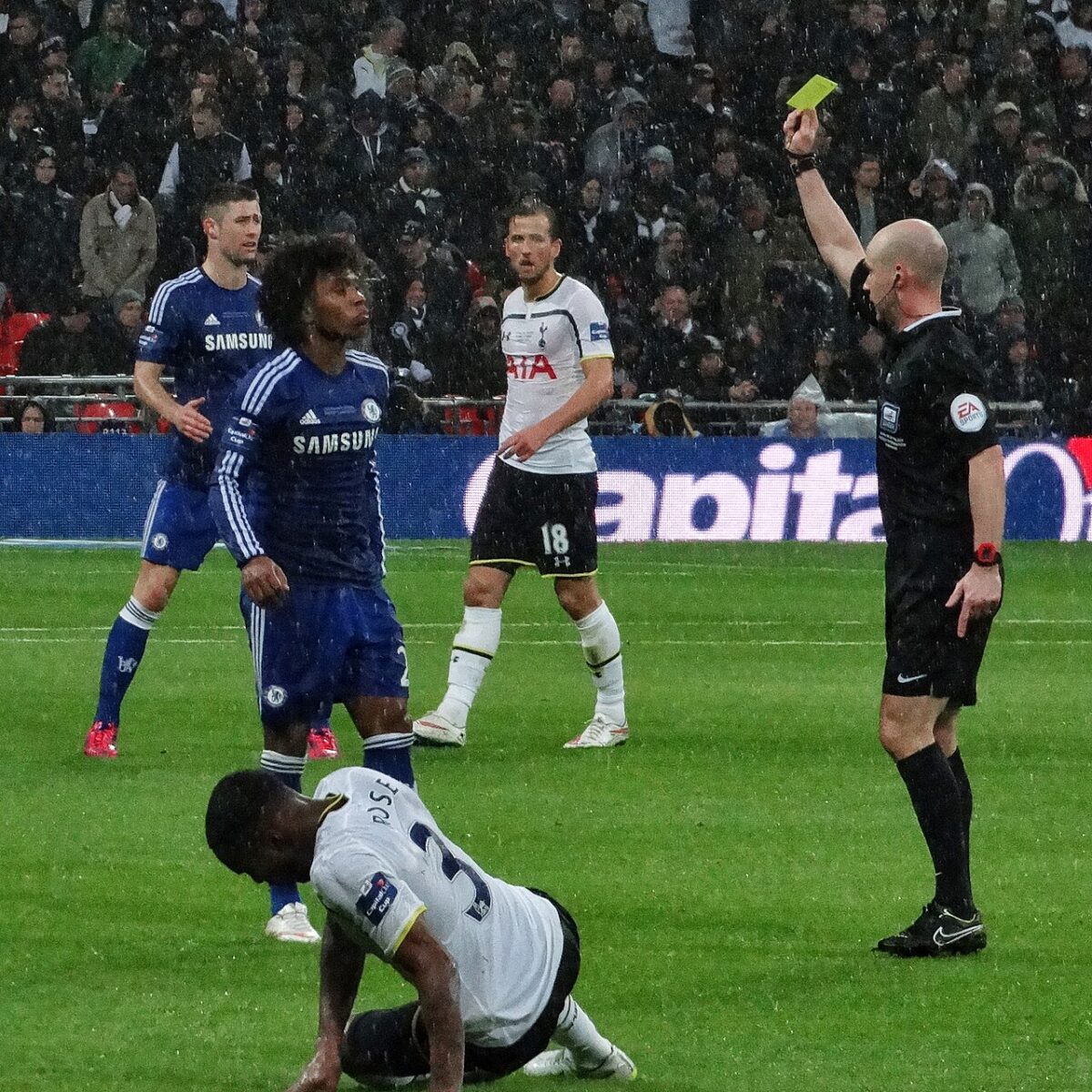
He refereed the 2015 League Cup final, the 2015 Community Shield, the 2017 and 2020 FA Cup finals, and the 2018 Championship play-off final. The Premier League and England Football said he officiated every major domestic cup final during his elite career.
Those assignments carry a different kind of pressure from ordinary league matches. Unlike a league fixture, a cup final offers no quiet recovery the following weekend. One disputed decision can shape who lifts a trophy, which club reaches the Premier League or how supporters remember an entire campaign.
Taylor was trusted with those occasions because refereeing at that level involves far more than spotting fouls. Officials must manage emotions, communicate with players, anticipate confrontation and understand when a match is beginning to slip toward chaos.
His presence became familiar in English football’s biggest stadiums. Supporters may not always have agreed with his decisions, but his repeated selection for major games demonstrated the confidence placed in his experience and authority.
The World Stage Came Calling
Taylor’s influence extended far beyond England. For 14 years, he was on the FIFA International List and took charge of 163 international matches, building a résumé that placed him among the most experienced English referees of his generation.
He officiated at the 2022 and 2026 FIFA World Cups, as well as Euro 2020 and Euro 2024. He also worked at the FIFA Club World Cups in 2022 and 2025, taking his whistle into matches involving different languages, playing cultures and tactical approaches.
His international assignments included the 2020 UEFA Super Cup, the 2021 UEFA Nations League final, the 2022 FIFA Club World Cup final, the 2023 Europa League final and a 2024 Champions League semifinal. Each appointment carried a clear message: Taylor was trusted when the stakes were exceptionally high.
Before becoming the central referee at some of those showpiece events, Taylor also worked as an additional assistant referee at major UEFA matches. Those included the 2014 Super Cup, the 2015 Europa League final and the 2016 Champions League and European Championship finals.
That gradual progression reveals how elite refereeing careers are built. Taylor did not suddenly arrive beneath the floodlights of a World Cup. Instead, he moved through the system, accepted supporting roles, earned more responsibility and eventually became the person expected to make the final decision.
The Pressure Taylor Could No Longer Ignore
Taylor’s retirement statement offered a rare look behind the professional composure supporters usually saw on the pitch. He called elite refereeing an immense privilege but admitted that the pressure is intense and the scrutiny is constant, showing why the demands of the role weighed heavily on him.
That sentence may be the most revealing part of his announcement. Modern referees do not leave criticism behind when they exit the stadium, and Taylor’s decision suggests that constant scrutiny had become impossible to ignore.
A referee can run several miles, position himself correctly for dozens of incidents and make hundreds of routine judgments. Yet public attention often narrows to one penalty appeal, one red card or one intervention from the video assistant referee.
Taylor’s career also spanned a period of enormous technological change. He began officiating before VAR became part of Premier League football and later worked in an era when decisions could be reviewed from multiple camera angles.
Technology was introduced to improve accuracy, but it did not remove controversy. In fact, it increased expectations. Supporters began demanding perfection because officials now had access to replays, even though many football incidents still depend on interpretation.
The People Behind the Referee
Taylor made a point of thanking his assistants, Gary Beswick and Adam Nunn, as well as his refereeing colleagues and others connected to the sport. He also acknowledged the sacrifices made by his family and friends throughout his career.
That gratitude highlights a side of refereeing that remains largely invisible. Beyond the pitch, elite officials spend weekends away from home, travel internationally and maintain demanding fitness schedules. Their families also live with the consequences of public criticism directed at someone they know personally.
Assistants are equally important. A referee may become the most recognizable member of the officiating team, but major decisions often depend on constant communication among assistant referees, fourth officials and video officials.
Taylor’s recognition of Beswick and Nunn showed that his 831-match journey was not completed alone. More than that, behind every major appointment stood a team preparing for the same pressure, reviewing incidents and attempting to keep control of matches played at extraordinary speed.
His retirement therefore represents the end of more than one man’s weekly routine. It closes a long partnership involving colleagues, mentors and relatives whose support helped make his career possible.
Howard Webb Salutes One of England’s Best
Howard Webb, Pro Ref’s chief refereeing officer and himself a former World Cup final referee, described Taylor as a “fantastic servant” to football. He said Taylor had consistently demonstrated why he should be considered among the most successful officials English football has produced.
Webb also praised Taylor’s professionalism and his support for younger officials. That detail may point toward what comes next.
Taylor has not publicly provided full details about his next role, saying only that he is ready to transition into another chapter of his career. His decision to step away from elite refereeing leaves open how he will use his experience next.
Few people understand elite officiating from as many angles. Over time, Taylor worked through different interpretations of the laws, the arrival of goal-line technology, the introduction of VAR and an era in which online criticism became immediate and global.
His knowledge could now help the next generation prepare for challenges that are tactical, technological and psychological. Teaching young referees how to manage criticism may prove just as important as teaching them where to stand during a corner kick.
Football Will Debate Him, but His Record Will Endure
No prominent referee completes a long career without controversy. The job makes universal approval impossible because almost every major decision creates a disappointed team, manager or group of supporters.
Taylor’s career will therefore be remembered differently depending on who is telling the story. For some supporters, it will recall matches in which they believed he handled pressure brilliantly. For others, it will immediately bring back a decision they still believe he got wrong.
That division is part of refereeing. Officials do not receive goal compilations, emotional farewell videos or stadium-wide celebrations every time they perform well. Their best matches are often the ones in which nobody talks about them afterward.
But Taylor’s complete record is difficult to dismiss. He handled 432 Premier League matches, worked every major English domestic cup final and represented English refereeing at two World Cups and two European Championships. He also received appointments to several of club and international football’s most prestigious finals.
Those achievements explain why his retirement matters. Taylor was not simply another official leaving the weekly schedule. He was one of the figures who helped manage English football through years of rapid change, rising expectations and unprecedented scrutiny.
The Premier League will appoint another referee when the new season begins. International football will also continue without him. Yet replacing more than two decades of experience will not be as simple as placing a new name beside the next fixture.
Anthony Taylor has finally stepped away from the brightest and harshest part of football’s spotlight. After 831 matches, the arguments about individual decisions may continue, but the remarkable scale of his career is now complete.