10 Costco Buys That Can Quietly Waste Your Money
Costco has a way of making smart people feel like financial geniuses. You walk in for paper towels, eggs, and maybe a rotisserie chicken, then somehow roll out with a cart that looks ready to feed a summer camp. The warehouse magic is real, but so is the spending trap. Big packages can make every item look cheaper, yet the real question is simple: will your household actually use it before it expires, goes stale, breaks down, or becomes clutter?
That is where Costco gets tricky. Some deals are great for large families, meal preppers, business owners, and people with ample storage space. For smaller households, occasional shoppers, and anyone who buys “just in case,” the savings can disappear fast. A low price per ounce means nothing when half the product ends up in the trash. Before you chase another oversized bargain, these are 10 Costco buys that can quietly drain your wallet.
Cooking Oil That Sits Too Long

A huge bottle of cooking oil can look like a kitchen victory until it sits in the pantry for months. Oil does not stay fresh forever, especially after it has been opened and exposed to air, heat, and light. If you fry food often or cook for a big family, bulk oil can make sense. If you only sauté vegetables or make dinner a few nights a week, that giant bottle may lose flavor before you finish it.
Olive oil is even more sensitive, as its flavor can fade quickly once opened. That fancy extra-virgin bottle may start strong, then turn flat and dull long before the last pour. Smaller bottles are often smarter because they stay fresher and fit real cooking habits. Costco is great for volume, but freshness matters more than size when it comes to oil.
Spices That Lose Their Punch
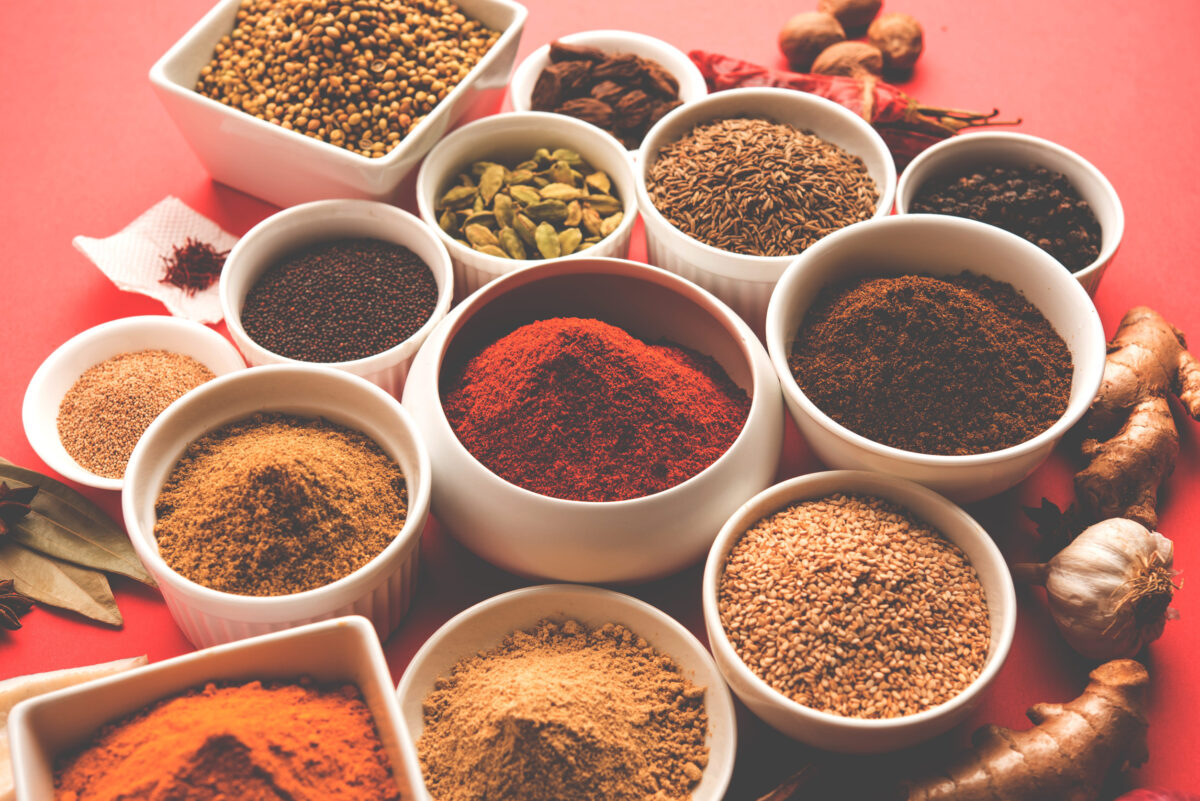
Spices are one of those purchases that make people feel confident. A giant container of cinnamon, garlic powder, or paprika feels practical until it sits behind the flour for three years. Most spices will not become dangerous overnight, but they do lose aroma and flavor. That means your food starts tasting weaker, even when you add more.
Unless you cook the same heavily seasoned meals every week, huge spice containers can become dusty kitchen decorations. A smaller jar from a grocery store may cost more per ounce, but it gives you better flavor while it is still fresh. The real value is not just how much seasoning you buy. It is how much taste actually reaches the plate.
Fresh Produce in Too-Large Bags
Costco produce can be tempting because everything looks abundant and healthy. The problem begins after you get home and realize you bought enough spinach, bananas, or potatoes for a family reunion. Fresh fruits and vegetables have a short shelf life, and that shelf life moves faster than many shoppers expect. A bag that looked like a bargain becomes waste when half of it wilts, browns, sprouts, or turns slimy.
Bulk produce works best when you already have a meal plan. If you are buying with vague good intentions, be careful. Lettuce, berries, bananas, and delicate greens can collapse quickly in the fridge. Saving a few dollars does not feel so smart when you are throwing away a sad bag of forgotten vegetables by Thursday.
Condiments Nobody Finishes
A massive bottle of ketchup or a huge jar of mayonnaise can seem harmless because condiments feel like pantry basics. The catch is that most households use them slowly. A little goes on a burger, a sandwich, or fries, then the bottle goes back into the fridge for weeks. Over time, the bargain becomes a race against the expiration date.
Mayo is especially risky because freshness matters. If your family does not use it often, a large container can be more stress than it’s worth. Mustard, relish, sauces, and dressings all have the same issue when bought in oversized packs. Unless you host cookouts often or run through condiments quickly, smaller bottles may be the cleaner, safer, and smarter move.
Cereal That Is Cheaper Somewhere Else

Cereal feels like the perfect bulk buy, especially for families with kids. The boxes are huge, the price looks friendly, and the breakfast problem seems solved. But cereal is one category where regular grocery stores often compete hard through weekly sales, coupons, and buy-one-get-one offers. That means Costco isn’t always the cheapest place when you compare real prices.
There is another issue, too: boredom. A giant pack of the same cereal can feel exciting on day one and dull by week three. If your household likes variety, bulk cereal can sit half-eaten until it goes stale. Before loading the cart, compare prices and ask how fast your family truly eats that flavor. Sometimes the best cereal deal is the smaller box on sale down the street.
Eggs That Outlast Your Meal Plan
Eggs can be a solid Costco buy for bakers, big families, and breakfast lovers. For everyone else, the giant pack can be a quiet mistake. A low price per egg matters little if you only make omelets on weekends. The carton takes up fridge space, and the pressure to use them can turn into forced breakfasts you did not actually want.
This is a classic case where personal habits matter more than warehouse pricing. If you bake often, do meal prep, or feed several people every morning, go ahead. If you are buying eggs because the pack looks like a deal, pause first. A smaller carton may cost slightly more per egg, but it can save you from waste and fridge guilt.
Junk Food in Dangerous Quantities

Costco knows how to make snacks look like a celebration. Giant bags of chips, candy, cookies, and popcorn can feel fun in the moment, especially when you shop hungry. The trouble is that bulk junk food does not just test your budget. It tests your self-control every time you walk past the pantry.
Some snacks also go stale before they are finished, especially once the package is opened. Even worse, big snack packs can make casual eating feel endless. A handful turns into three, and suddenly the “deal” is gone faster than expected. Bulk treats make sense for parties, road trips, and school events. For everyday home snacking, they can be a money trap and a health trap, with a discount sticker.
Frozen Vegetables That Get Freezer Burn
Frozen vegetables sound like a responsible Costco choice. They last longer than fresh produce, they are easy to cook, and they can help with quick dinners. The problem is size. A massive bag can sit in the freezer for months, getting icy, dull, and less appealing every time you open it.
The other issue is repetition. Even practical shoppers get tired of eating the same vegetable mix again and again. Once boredom sets in, the bag gets pushed to the back of the fridge, behind ice cream, leftovers, and mystery containers. If your freezer is small or your meals change often, smaller frozen vegetable bags may be better. The best bulk freezer item is one you actually enjoy enough to finish.
Ground Coffee That Loses Its Soul
Coffee lovers know freshness is not a small detail. Ground coffee begins to lose aroma after the package is opened, and large containers make that problem worse. The first few cups may taste strong and comforting. Weeks later, the same coffee can taste flat, bitter, or dull.
Bulk coffee can work if several adults drink it daily. It can also make sense for offices, churches, or large households. But if you drink one cup in the morning and skip weekends, the oversized tub may disappoint you before it is empty. Smaller bags, whole beans, or fresher local options can deliver better taste. Cheap coffee is not a bargain when every cup tastes tired.
Over-the-Counter Medicine You May Never Use
Costco’s big bottles of pain relievers, allergy pills, and cold medicine can look practical, especially when the price per tablet is low. The problem is that medicine is not like paper towels. You do not want to use more just because you bought more. Many households never finish those enormous bottles before the expiration date arrives.
There is also a safety concern. Keeping hundreds of tablets around the house is not always wise, especially with children, visitors, or messy medicine cabinets. Medicine should be fresh, clearly stored, and used only when needed. Unless your household genuinely uses a product often, smaller packages are usually safer and more sensible. Health items should be bought for real need, not warehouse excitement.
Conclusion
Costco is not the enemy of your wallet. It can save shoppers serious money on the right items, especially when the product is shelf-stable, used often, and easy to store. The real danger comes from confusing “big” with “better.” A deal only works when it fits your life, your family size, your storage space, and your actual habits.
Before buying the giant version of anything, ask one honest question: Will I use all of this before it loses value? If the answer is no, the smarter move may be walking away. Costco rewards disciplined shoppers, not impulsive ones. The best bargain is not the biggest package in the cart. It is the item you finish, enjoy, and never regret buying.