8 Warning Signs Oil Prices Could Make Life More Expensive Again
Oil prices are starting to look dangerous again, and this time the warning signs are bigger than a bad week at the pump. The latest pressure is coming from the Strait of Hormuz, the narrow waterway where military tension, global shipping, oil exports, and market fear now meet in one explosive place.
On May 4, 2026, Reuters reported that oil prices jumped after Iranian attacks involving the UAE and vessels near the Strait of Hormuz intensified fears over global energy security. Brent crude rose to about $113.92 per barrel, while U.S. West Texas Intermediate reached about $105.48.
That kind of price movement does not remain confined to oil markets. It can move into fuel, groceries, flights, deliveries, manufacturing, and household budgets faster than many people expect.
Gas Prices Could Rise First
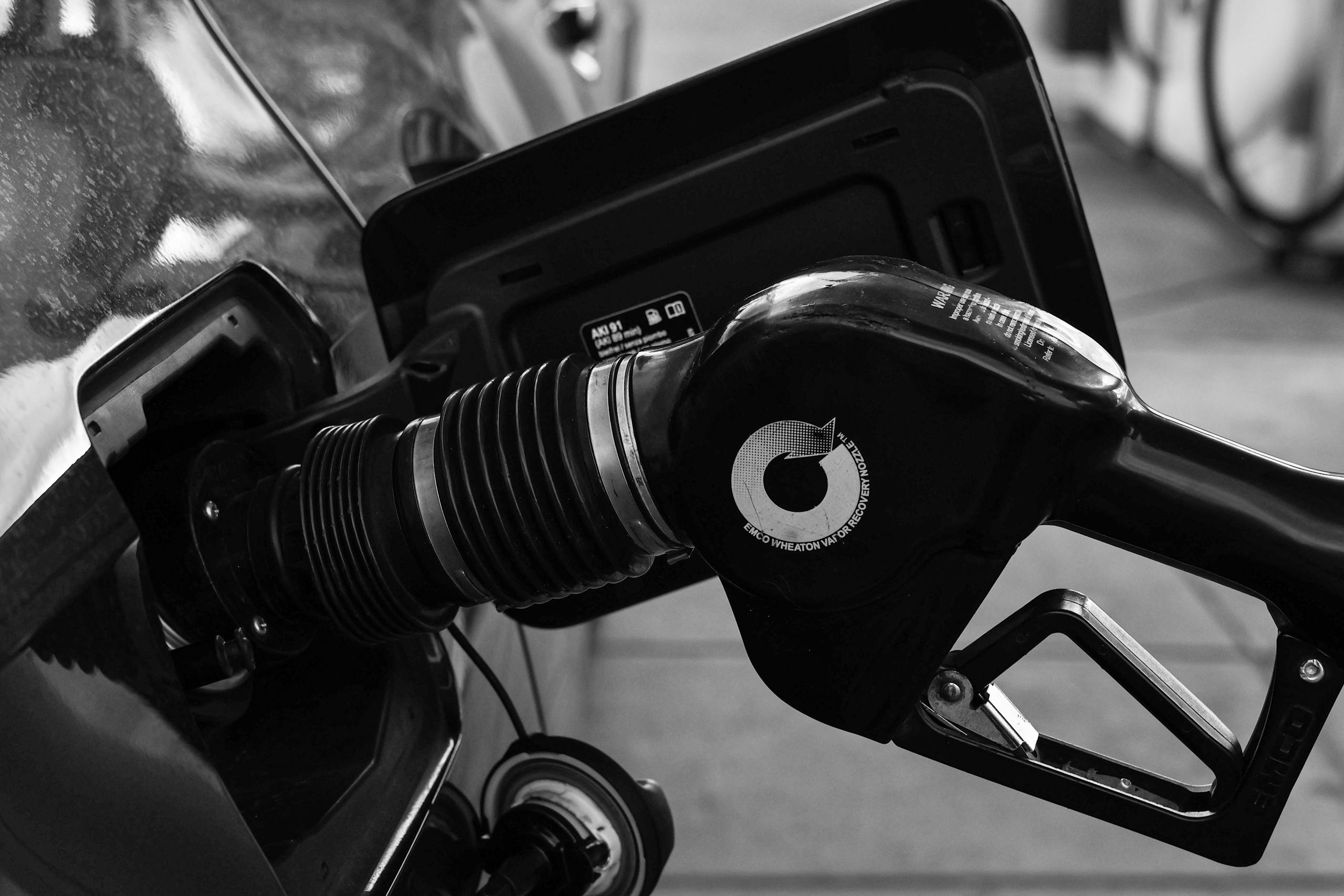
Gasoline is usually where many Americans feel the first effects of oil shocks. When crude prices rise sharply, fuel markets begin to react because oil is the primary input for gasoline, diesel, jet fuel, and other transportation fuels.
Pump prices do not always move instantly, but they often respond when traders believe the pressure will last.
That is why the latest oil spike matters. A crisis near the Strait of Hormuz creates fear that supply could become harder to move, slower, or more expensive.
Even if the strait does not fully close, the threat alone can lift prices because markets price in danger before ordinary drivers ever see the final number on a gas station sign.
Shipping Costs Could Climb Again
Oil prices affect far more than cars. Ships, trucks, trains, planes, delivery fleets, and warehouses all depend on some form of fuel. When energy gets more expensive, companies often face higher costs just to move goods from one place to another.
That pressure can fall on everyday shoppers. A shirt, phone charger, box of cereal, or household cleaner may travel through several layers of transportation before reaching a store shelf. If fuel and freight costs rise together, companies may pass some of that pressure to consumers through higher prices or smaller discounts.
The Strait of Hormuz Is Too Important to Ignore

The Strait of Hormuz is one of the world’s most important energy chokepoints. The U.S. Energy Information Administration says oil flow through the strait averaged about 20 million barrels per day in 2024, equal to roughly one-fifth of global petroleum liquids consumption.
The same report says that 84% of crude oil and condensate, and 83% of LNG, moving through the strait went to Asian markets in 2024.
That means any serious disruption can affect global oil prices, even in countries that do not buy most of their oil directly from the Gulf. Oil is traded in a global market, so fear in one critical route can raise costs across many regions. A local military crisis can quickly escalate into a global price problem.
LNG Pressure Could Make Energy Bills More Painful
Oil is not the only concern. Liquefied natural gas also moves through the Strait of Hormuz, and gas prices can affect electricity, heating, industry, fertilizer, and food production.
The International Energy Agency says more than 110 billion cubic meters of LNG passed through the strait in 2025, representing almost one-fifth of global LNG trade.
That matters because energy systems are connected. If LNG supply tightens or prices rise, countries may compete more intensely for alternative cargoes. That can push energy bills higher, strain factories, and increase production costs for goods that already feel expensive to consumers.
Food Prices Could Feel the Pressure
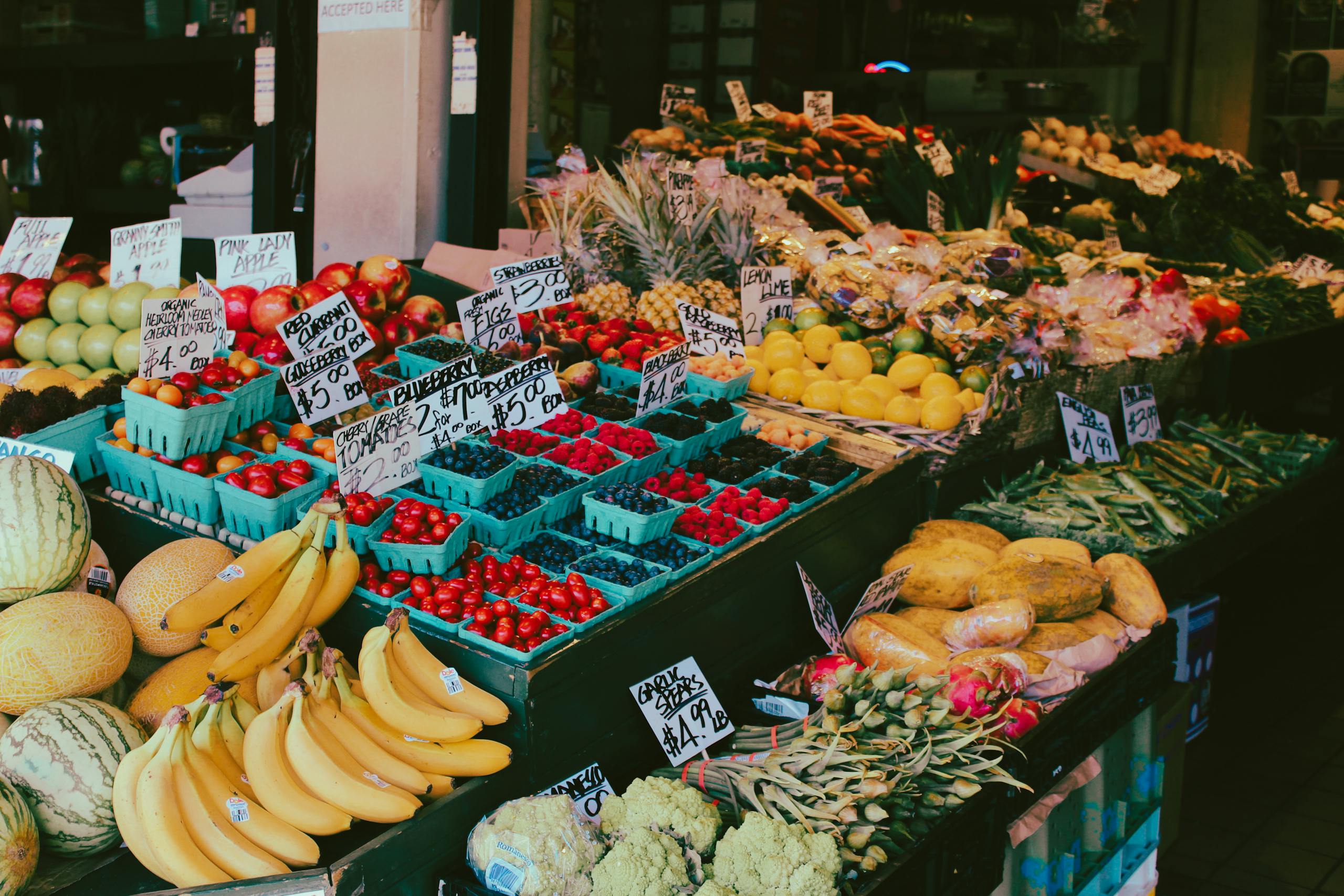
Food prices can rise when oil prices climb because fuel touches nearly every step of the food chain. Farmers use diesel for equipment. Fertilizer production can depend on natural gas. Trucks move food to warehouses and grocery stores. Refrigeration, packaging, and distribution all require energy.
That does not mean every grocery item jumps overnight. It means higher oil prices can quietly add pressure to a system that already has many layers of cost. When fuel, freight, fertilizer, and packaging become more expensive, shoppers may eventually see smaller sales, higher shelf prices, or fewer budget-friendly options.
Airlines Could Make Travel More Expensive
Airlines are especially exposed to fuel prices because jet fuel is one of their highest operating costs. When oil prices rise, airlines may try to protect profits by raising fares, adding fuel surcharges, tightening seat pricing, or offering fewer cheap deals.
Travelers may not notice the change immediately, but ticket prices can become less forgiving when energy markets stay tense.
A prolonged oil shock could make holiday travel, business trips, family visits, and international flights more expensive. Even travelers who never think about crude oil may feel the impact when a ticket search suddenly looks harsher than expected.
Wall Street Is Already Watching the Risk
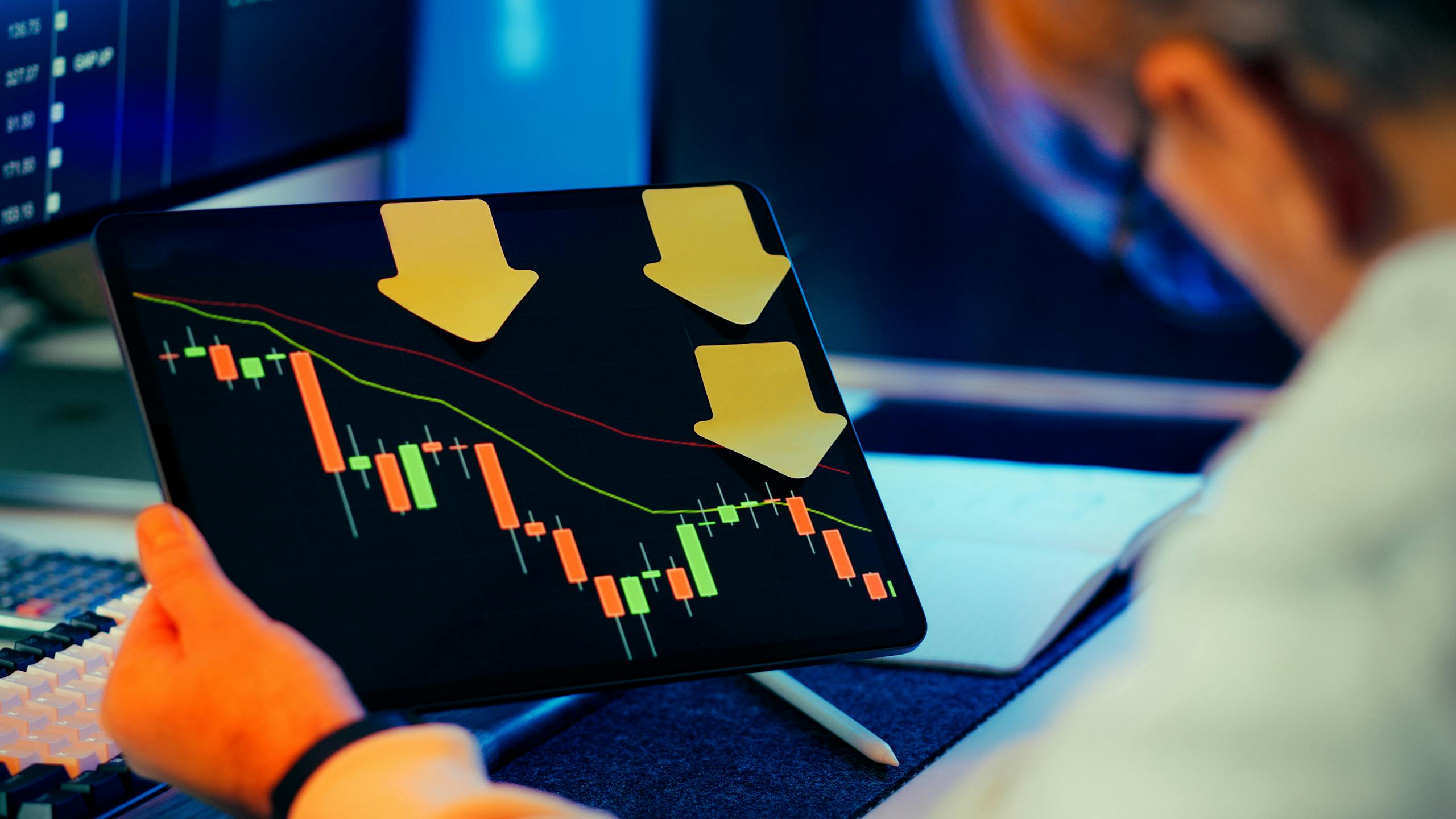
Oil shocks can shake financial markets because investors know higher energy prices can hurt consumers and slow economic growth. Reuters reported on May 4, 2026, that global markets were reacting to fresh U.S.-Iran tensions around the Strait of Hormuz, with oil prices rising and investors watching inflation and interest rate risks more closely.
That market anxiety can matter for ordinary people too. Higher oil prices can feed inflation fears, which can influence interest rate expectations, borrowing costs, business spending, and investor confidence. When oil gets expensive during a geopolitical crisis, it rarely remains just an energy story.
A Long Crisis Could Hurt More Than a Sudden Shock
The scariest scenario may not be a dramatic total closure of the Strait of Hormuz. A long, grinding crisis could be just as painful. If ships continue to face threats, insurers continue to raise premiums, and companies continue to delay movements, costs can rise slowly across the economy.
That slow burn is dangerous because it is harder to notice at first. Prices creep higher. Companies adjust quietly. Consumers begin cutting back. By the time the pressure becomes obvious, families may already be paying more for gas, food, travel, deliveries, and everyday goods.
Why This Oil Price Warning Feels Different
This is not just another routine oil market swing. The current risk is tied to military tensions near a chokepoint that accounts for a massive share of global energy trade.
AP reported that the U.S. military has been guiding commercial vessels through the Strait of Hormuz amid Iranian threats and attacks, while the UAE reported an Iranian drone attack at an oil facility in Fujairah.
That is why consumers should pay attention. A market can absorb ordinary price movement. It has much more difficulty absorbing uncertainty about military conflict, shipping safety, oil facilities, and global supply routes simultaneously.
Conclusion
Oil prices could make life more expensive again, as the latest warning signs run deep into the real economy. Gasoline, freight, groceries, flights, energy bills, business costs, and inflation expectations all become more fragile when crude prices climb during a geopolitical crisis.
The biggest danger is not only today’s oil price, but also tomorrow’s. The possibility that fear over the Strait of Hormuz keeps energy markets tense for weeks or months. If that happens, Americans may feel the shock not as a single dramatic event, but as a steady squeeze on everyday costs that already make life feel too expensive.