7 Ways to Save Money on Pet Food Without Sacrificing Quality
Pet food has become one of those quiet household expenses that can sneak up on you fast. One bag here, a few cans there, a pouch of treats at checkout, and suddenly your pet’s meals are eating into your grocery budget too. With the U.S. pet industry spending reaching $158 billion in 2025 and projected to keep growing in 2026, many pet owners are feeling the pressure more than ever.
The good news is that saving money on pet food does not mean feeding your dog or cat poor-quality meals. It means shopping smarter, reading labels better, wasting less, and avoiding expensive choices that look fancy but may not add much nutritional value. Your pet can still eat well without turning every food run into a financial workout.
Choose Food by Nutrition Value Instead of Brand Hype

The most expensive pet food on the shelf isn’t always the best for your pet. Some brands charge more because of glossy packaging, trendy words, influencer marketing, or premium-sounding ingredients that may not matter much in your pet’s daily nutrition. What matters most is that the food is appropriate for your pet’s species, age, size, and health needs.
A smart place to start is the nutritional adequacy statement. The FDA explains that pet food labeled “complete and balanced” is intended to serve as a pet’s main diet, unlike treats or snacks, which are not meant to provide full nutrition. That one label detail can help you avoid paying extra for food that looks impressive but does not give your pet what they need every day.
Instead of assuming a higher price means higher quality, compare the guaranteed analysis, ingredients, feeding guidelines, and life stage recommendations. A mid-priced food that meets your pet’s nutritional needs may be a better deal than a luxury brand with attractive wording. You are not being cheap when you choose evidence over advertising. You are being careful.
Calculate the Cost Per Meal, Not Just the Bag Price
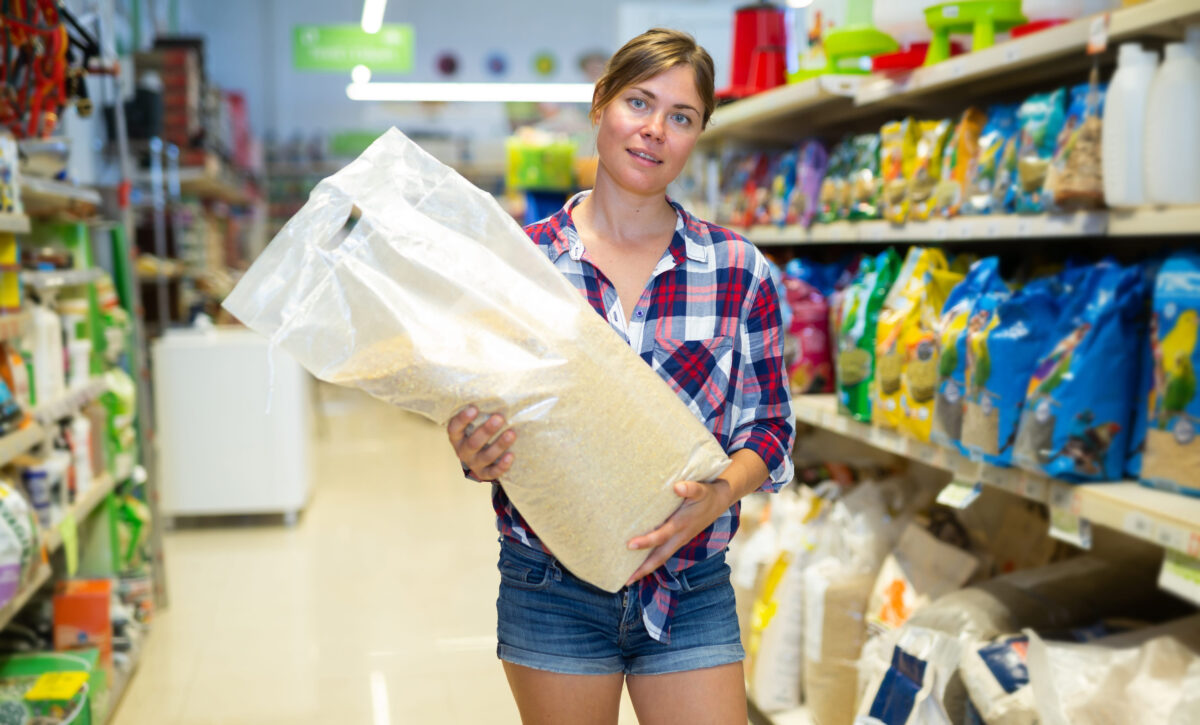
A large bag of pet food may look expensive at first, but it can be cheaper per meal than a smaller bag. Many pet owners compare shelf prices only, which can be misleading. The real question is how many meals you get from the package and how much each serving costs.
For example, one bag may cost less upfront but require larger portions because it is lower in calories. Another may cost more but last longer because your pet needs less per meal. Always check the feeding instructions, then estimate the cost per day rather than judging by the price tag alone.
This habit is especially useful when comparing dry food, wet food, freeze-dried meals, or fresh food. Fresh pet food has gained attention, but it can cost far more per day than quality kibble, especially for larger dogs. Recent reporting found that some fresh dog food plans can range from several dollars per day to much higher, depending on dog size and serving needs. That does not make fresh food bad, but it does mean you should know the true daily cost before committing.
Buy in Bulk Only When Your Pet Actually Eats It
Bulk buying can save money, but only when it matches your pet’s habits and your storage space. A huge bag of kibble is not a bargain if it goes stale, gets infested, or sits open for months because your pet eats slowly. The same goes for canned food multipacks if your pet dislikes the flavor halfway through the case.
Before buying the biggest size, test the food in a smaller package first. Make sure your pet tolerates it well, enjoys it, and does not develop digestive issues. Once you know it works, then buying larger sizes can become a real money saver.
Storage matters too. Dry food should be kept sealed in its original bag or an airtight container, away from heat and moisture. Wet food should be used according to label instructions once opened. Good storage protects flavor, freshness, and nutrition, reducing waste and the need for emergency trips to replace spoiled food.
Use Store Rewards, Subscriptions, and Price Matching Carefully

Pet food savings often lie in loyalty programs, repeat-delivery discounts, store apps, and manufacturer coupons. Many major retailers offer points, birthday rewards, first-order discounts, or automatic shipment savings. These small discounts can add up, especially if your pet eats the same food every month.
However, subscriptions only help if you manage them. A delivery that arrives too early can leave you with more food than you can store, and a forgotten subscription can charge your card when your budget is already tight. Set reminders to review delivery dates, pause shipments, or compare prices before each renewal.
Price matching can also help. Some stores will match online prices or competitor deals, especially on the same brand and package size. Before buying, check a few trusted retailers. Pet food prices can vary more than people expect, and the difference between two stores may be enough to cover treats, litter, or grooming supplies.
Mix Wet and Dry Food Instead of Going All Premium

Wet food can be helpful for hydration and taste, especially for cats or picky pets, but feeding only wet food can get expensive quickly. Dry food is often cheaper per serving, easier to store, and less wasteful when used correctly. A blended routine can give your pet variety without draining your wallet.
For many pets, using wet food as a topper rather than the main meal works well. You can mix a small amount into dry food to improve aroma and texture while still keeping the meal affordable. This can be especially useful for older pets, pets with lower appetites, or pets that get bored with plain kibble.
Do not change your pet’s diet too suddenly. A slow transition helps prevent stomach upset and gives you time to see what works. If your pet has kidney disease, allergies, diabetes, urinary issues, or other medical needs, ask a veterinarian before making major food changes. Saving money should never come at the cost of your pet’s health.
Stop Overfeeding and Measure Every Meal
One of the easiest ways to waste pet food is overfeeding. Many owners scoop food by guesswork, top off bowls too often, or give extra treats without adjusting meals. That habit can make food disappear faster and may also contribute to weight gain.
Use a measuring cup or kitchen scale instead of estimating. Follow the feeding guide on the package as a starting point, then adjust based on your pet’s body condition, activity level, age, and vet advice. A couch-loving senior dog may not need the same amount as a young, active dog of the same breed.
Treats count too. Cornell’s canine health guidance recommends being conservative with treats and even setting aside part of a dog’s daily meals for rewards. That simple trick saves money and keeps your pet from overeating. A treat does not have to be expensive to be meaningful. Sometimes a piece of regular kibble, a carrot slice for a dog, or a small portion of approved food works just fine.
Avoid Trendy Diets Unless They Solve a Real Problem
Pet food trends can get expensive fast. Grain-free, raw, human-grade, exotic protein, air-dried, freeze-dried, fresh-cooked, and boutique foods all have loyal fans, but not every trend is necessary for every pet. Some pets truly need special diets, but many healthy pets do perfectly well on affordable, complete, balanced commercial food.
This is where pet owners can save a lot of money by asking one simple question. What problem is this food solving? If your pet has a diagnosed allergy, digestive condition, or medical issue, a special diet may be worth it. If the food only sounds more luxurious, it may be more about human emotion than pet nutrition.
AAFCO says pet food labels should clearly show the product name, the species the food is meant for, quantity, ingredients, nutritional adequacy, feeding directions, and manufacturer information. Learning to read those details helps you avoid paying premium prices for vague promises. Your pet does not need a fashionable bowl. They need safe, balanced food that supports their body.
Conclusion
Saving money on pet food is not about cutting corners. It is about cutting confusion, waste, impulse purchases, and marketing pressure. When you understand labels, compare cost per serving, store food properly, measure meals, and use discounts wisely, you can protect both your pet’s health and your budget.
The best pet food choice is not always the fanciest bag or the trendiest formula. It is the food your pet can eat safely, consistently, and happily without forcing you into financial stress. A well-fed pet does not need an expensive routine to be loved. They need a thoughtful owner who knows how to balance care, quality, and common sense.