9 Political Fights That Could Make 2026 Feel Even More Exhausting
Politics in the 2020s has already been a rollercoaster of dramatic shifts, intense debates, and unpredictable turns. But as we look ahead to 2026, there’s a sense that the stakes are even higher, with political battles intensifying across the globe.
From global climate negotiations to fierce partisan divides, the political landscape seems poised to continue challenging both governments and citizens alike. These fights could not only define the year but also shape the future of democracy, international relations, and personal freedoms.
Let’s dive into 9 political fights that could make 2026 feel even more exhausting than before.
The Fight for Voting Rights in the U.S.

In the wake of 2020, voter rights have become one of the most contentious issues in American politics. As states push forward with stricter voting laws under the guise of election integrity, advocates for expanded voting rights are gearing up for fierce battles.
Whether it’s voter ID laws, early voting restrictions, or gerrymandering, these political skirmishes threaten to alienate large segments of the population. By 2026, the fight over access to the ballot box could escalate to a level that challenges the very foundation of democracy in the U.S. Voter disenfranchisement risks making the next election season not just exhausting but potentially dangerous for the country’s democratic integrity.
Climate Change and Environmental Policy
The clock is ticking on climate change, and 2026 may be the year the world finally faces the full consequences of inaction. International climate talks, such as those held under the Paris Agreement, will continue to be a battleground between developed nations and those most affected by environmental disasters.
Countries with powerful fossil fuel interests may try to slow down or backtrack on commitments, while smaller nations demand urgent action. The pressure to reach an effective global solution could lead to political gridlock, as some governments will try to protect short-term economic interests rather than prioritize long-term environmental sustainability.
The Struggle for Health Care Equity
Access to affordable healthcare remains a heated political issue in many countries. In the U.S., the debate over the future of the Affordable Care Act, Medicare for All, or other proposed healthcare reforms could dominate the political discourse. Similarly, in other countries, rising healthcare costs and the challenges posed by aging populations could prompt major policy shifts.
The political infighting over healthcare could lead to even more polarized debates, leaving many citizens frustrated by slow progress and unfulfilled promises. With health crises like the COVID-19 pandemic still in recent memory, the fight for healthcare equity is not just political; it’s personal for millions of people.
Immigration Reform and Border Security

Immigration policy continues to be a polarizing issue worldwide. In the U.S., the fate of Dreamers, asylum seekers, and other undocumented immigrants remains uncertain. As political parties push for either more stringent border controls or more inclusive immigration policies, the debate becomes increasingly hostile.
In Europe, the situation is no different, as countries struggle to balance national security with humanitarian obligations. These debates could intensify in 2026, particularly as migration patterns shift due to climate change, war, and economic instability. The exhaustion felt by many will come not only from the policy battles but from the human cost of political indecision.
Geopolitical Tensions and Military Conflicts
International relations will remain a key source of global tension. In particular, conflicts involving major powers such as the U.S., China, and Russia, as well as regional players like Iran and North Korea, will dominate headlines. The ongoing trade wars, territorial disputes, and military posturing between these nations could escalate into active conflict, putting global stability and citizens’ safety at risk.
These geopolitical struggles not only drain national resources but also deepen global divides, leaving citizens feeling both powerless and increasingly anxious about the future.
Social Justice Movements and Polarization
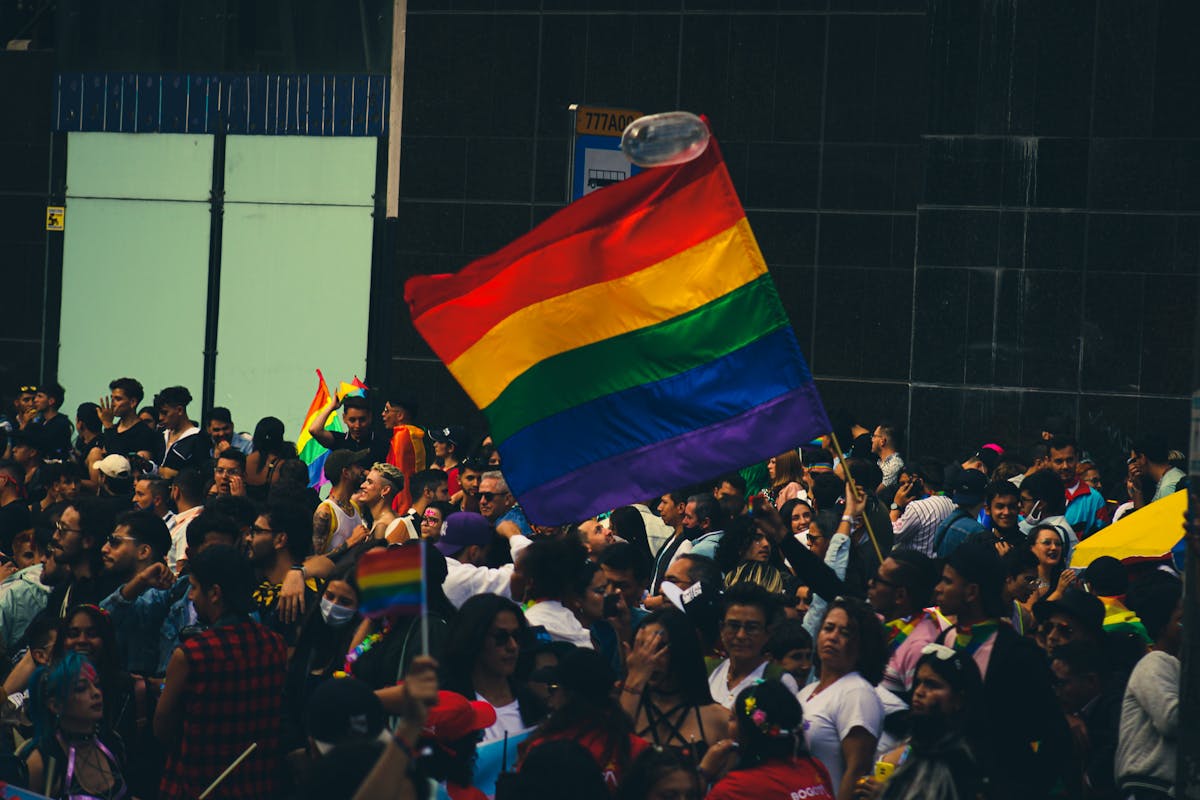
Social justice movements continue to thrive, but they also face harsh opposition in many parts of the world. Whether it’s fights for racial equality, LGBTQ+ rights, or gender justice, political leaders often find themselves at odds over how to address systemic issues.
The pressure to reform outdated policies, tackle police brutality, or push for economic equality is not just a matter of legislation but one of national identity. In 2026, these social justice battles could escalate as younger generations demand action and older generations resist change.
The fight over civil rights could strain political alliances and deepen divides, making this issue one of the most exhausting and emotionally charged battles on the global stage.
Corporate Influence and Campaign Finance Reform
Corporate influence in politics has long been a concern, and in 2026, it could reach a boiling point. With the increasing dominance of big tech, pharmaceuticals, and financial institutions, the influence of money on politics is more apparent than ever.
Citizens frustrated by lobbying, campaign finance practices, and the lack of accountability for wealthy corporate interests could find themselves battling well-funded political machines. The quest for reform can be exhausting for voters who feel the system is rigged against them, with policy decisions often swayed by those with the deepest pockets.
Education and the Fight Over Curriculum Content

Education is another battleground that could become even more contentious in 2026. Debates over what should be taught in schools,whether it’s issues of race, history, or gender, are already sparking intense political arguments. Political leaders and local governments continue to push for curricula aligned with their own ideologies, leading to widespread confusion and division.
As education becomes more politicized, parents, students, and educators may find themselves caught in the middle, trying to navigate a system that no longer feels impartial. The exhaustion here stems not just from the fights over content, but from the long-term impact on future generations.
Technological Regulation and Privacy
As technology continues to evolve, so too does the need for regulation. With the rise of artificial intelligence, surveillance, and data collection, governments are scrambling to catch up. In 2026, the battle over how much control tech companies should have over personal data, online privacy, and the spread of misinformation could intensify.
Lawmakers will face growing pressure from the tech industry to maintain a light regulatory touch, while privacy advocates call for stronger protections. This conflict has already caused political gridlock in many countries and will likely continue to drain energy and resources in the years to come, leaving citizens frustrated by an ever-increasing lack of control over their own information.
Conclusion
The political landscape in 2026 is shaping up to be just as contentious, exhausting, and unpredictable as it has been in recent years. From battles over voting rights and climate change to the fight for social justice and the influence of big corporations, the issues facing politicians and citizens alike are vast and complex.
These political struggles are not just about policy; they reflect the deeply held beliefs and identities of entire nations. As the world continues to grapple with these challenges, it’s clear that the political environment in 2026 will be a pressure cooker, demanding more from everyone.
Whether it’s in the form of protests, policy debates, or just plain exhaustion, the fights ahead could shape the course of history.