8 Signs Social Media is Making Americans More Anxious Than Ever
Social media used to be praised for bringing people together and making the world feel more connected. But as these platforms have expanded, so has their impact on our mental health. Rising anxiety and self-doubt are now hard to ignore, and it’s clear that our nonstop social media use is adding to a growing anxiety problem across the country.
Here are 8 clear signs that social media is having a bigger impact on Americans’ well-being than ever before.
Constant Comparison is Fueling Insecurity
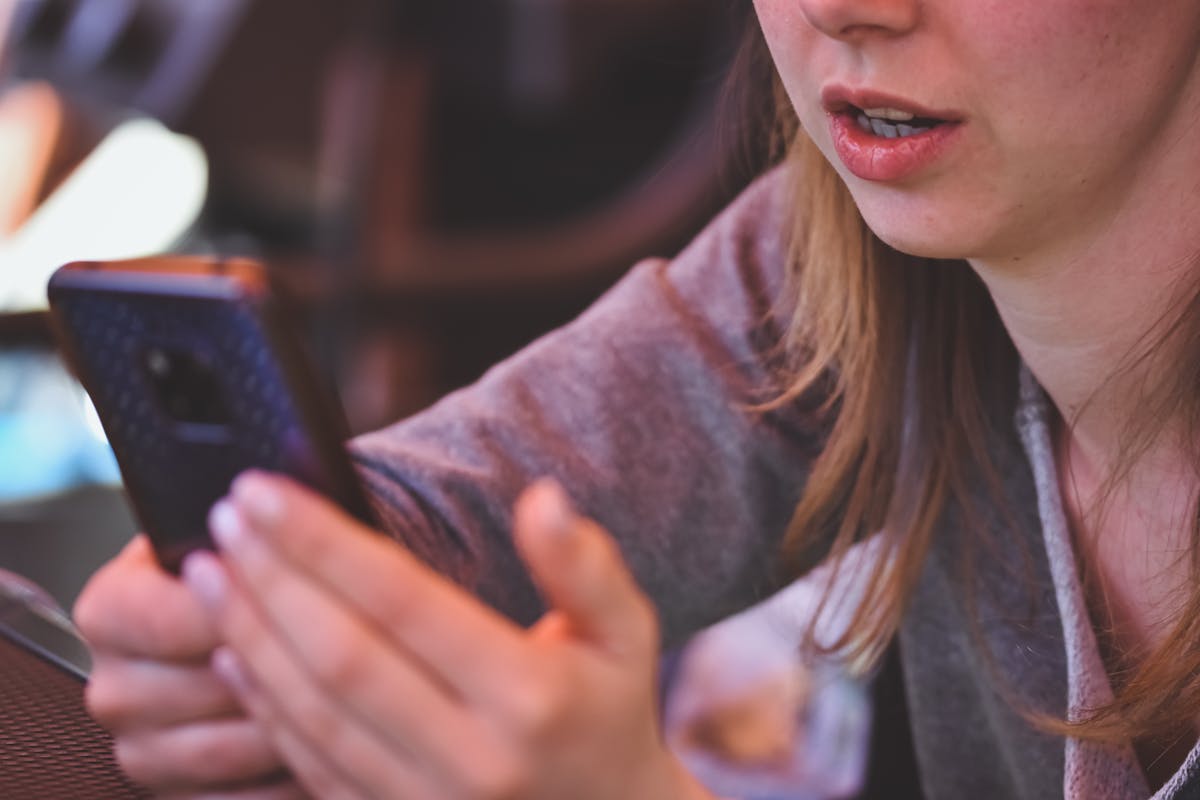
Scrolling through family photos and vacation pictures used to feel casual and fun. Now, social media mostly shows the highlights, perfect trips, meals, and relationships. This makes many people compare their real lives to these edited versions of success. Feeling like you don’t measure up can lead to more fear of missing out (FOMO), anxiety, and self-doubt.
Fear of Being Left Out
For many people, the hardest part of social media isn’t what others share, but what they leave out. Seeing friends at exclusive parties or joining viral challenges you didn’t know about can make you feel left out. This feeling of exclusion is especially tough for younger people, who often want to fit in.
Information Overload is Taking a Mental Toll
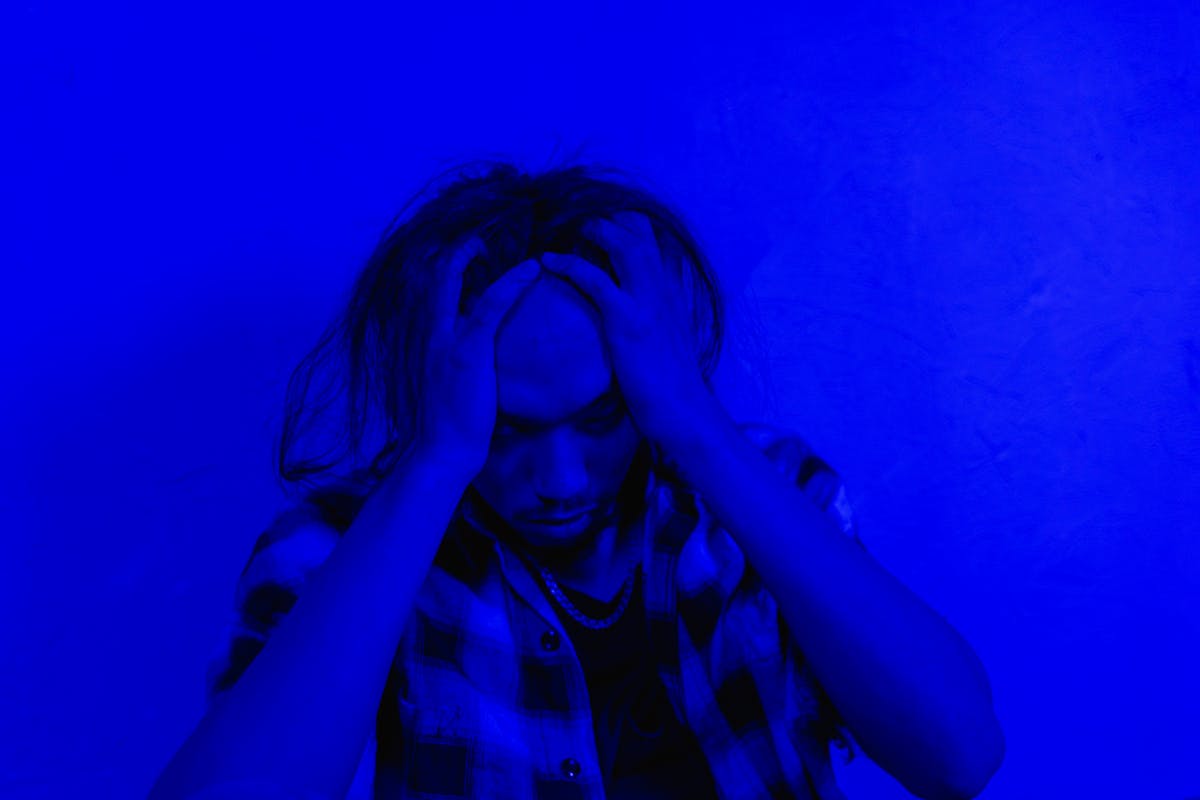
Social media gives us a constant stream of information. Some of it is helpful, but much of it is dramatic or emotional. From news about politics to natural disasters, people are often exposed to the most troubling stories. This can make many feel more uncertain and anxious about their lives and the world.
The Need for Instant Gratification is Worsening Our Attention Span
With apps like TikTok and Twitter, waiting for news or updates feels almost impossible. Social media pushes us to want quick bits of information and rewards us for fast reactions. This habit is changing how we pay attention, making it tough to focus for long. Struggling to concentrate can make people feel more anxious and less able to take breaks.
Increased Pressure to Perform and Be “On” 24/7

Gone are the days when social media was a casual pastime. Now, it feels like a full-time job. Americans are under growing pressure to curate and present the best versions of themselves online, whether for personal branding, career advancement, or social status. The idea of “being on” 24/7, constantly producing content and engaging with followers, leaves little room for rest. This relentless demand is one of the biggest contributors to burnout and anxiety.
Social Media is Supercharging the Fear of Missing Out (FOMO)
On Instagram and Facebook, it’s easy to see what others are doing, where they are, and who they’re with. What was once just a way to pass the time now often causes anxiety. The fear of missing out is everywhere, whether it’s friends traveling, events you missed, or trends you feel pressured to follow. It can feel like too much.
Cancel Culture is Creating a Climate of Fear
A troubling part of social media is the rise of “cancel culture.” Many people now worry about being publicly shamed or left out for past mistakes or unpopular opinions. This fear makes people anxious and less willing to share their thoughts. The worry that anything you say online could be used against you is affecting mental health everywhere. Because of this, some avoid having real conversations online.
Social Media Anxiety is Taking a Toll on Mental Health
All these worries from social media have added up to a mental health crisis. Depression, loneliness, and social anxiety are rising as people constantly see the edited lives of others. Younger people, who use social media the most, are seeing more mental health problems linked to online stress. Studies show that using social media for long periods can raise the risk of mental health issues, making it even harder to take a break, even when people know it’s hurting them.
Conclusion
Social media has changed the way we connect and talk to each other. But along with these changes, anxiety, loneliness, and stress have also increased. The same platforms meant to bring us together now often make us compare ourselves and feel afraid. We probably won’t give up social media completely, but it’s important to find a balance that keeps us healthy while still enjoying being connected. Now is a good time to look at our habits and ask if social media is helping us, or if we’re just working for it.