9 Ways the American Healthcare System Is Still Failing You in 2026
A hospital bill should not feel like a second diagnosis. Yet that is exactly how healthcare feels for too many Americans in 2026.
You get sick, book the appointment, check the network, fight the insurance portal, wait for approval, open the bill, and suddenly the pain in your body has company. Now there is a new pain sitting on the kitchen table, printed in bold numbers with a due date.
That is the ugly reality behind the American healthcare system in 2026. The country has brilliant doctors, advanced hospitals, cutting-edge treatments, and medical talent capable of saving lives in extraordinary ways.
But for ordinary families, the system can still feel like a locked door with a bill collector standing beside it.
Recent national data shows that U.S. health spending reached $5.3 trillion in 2024, or $15,474 per person, accounting for 18% of the economy.
That is a stunning amount of money for a system where millions still delay care, fear prescriptions, avoid appointments, or panic when a hospital envelope arrives in the mail.
Healthcare Costs Are Still Crushing Ordinary Families

The first failure is painfully simple. Healthcare costs too much, and Americans feel it everywhere. A simple doctor’s visit can turn into a financial scavenger hunt. First comes the appointment charge. Then the lab fee.
After that, the imaging bill, specialist bill, prescription cost, facility fee, and some strange balance from a company you do not remember seeing. By the time the paperwork stops arriving, the original illness may feel easier to understand than the bill.
Many Americans are now cutting back on daily expenses to cover healthcare costs. Recent findings show that about one-third of Americans reduced other spending to pay for care, including essentials such as food, utilities, gas, and prescriptions.
The burden is even heavier for uninsured people, but insured families are feeling it too.
That is not normal household budgeting. That is survival math. When a family has to choose between a refill and a grocery run, the system is no longer acting like a safety net. It is acting like another emergency.
Insurance Still Feels Like a Maze Built to Exhaust You
Health insurance is supposed to make healthcare easier. Instead, it often feels like a maze designed by someone who never expected sick people to walk through it.
Premiums, deductibles, copays, coinsurance, referrals, prior authorizations, drug tiers, claim denials, provider networks, and surprise out-of-pocket charges can make even basic care feel like a paperwork battle.
A patient may have insurance, pay every month, follow the rules, and still end up staring at a bill that makes no sense.
The cruel phrase is “covered.” A service can be covered and still expensive. A doctor can be nearby yet still out-of-network. A medicine can be approved and still cost more than a family can comfortably pay. That gap between “insured” and “protected” is where many Americans lose trust.
People should focus on healing, not on decoding fine print while tired, scared, or in pain. A system that requires patients to become billing detectives before getting care has already failed a basic test of humanity.
Too Many Americans Are Still Uninsured or Underprotected
A wealthy country should not leave millions of people wondering whether they can afford to get sick. Early national estimates showed that 8.2% of people in the United States were uninsured during the first half of 2025, a rate that remained statistically unchanged from the same period a year earlier.
That means millions were still living one accident, infection, pregnancy complication, cancer scare, or chronic illness flare-up away from financial disaster.
Coverage pressure has also become sharper in 2026 as higher insurance costs and changes around marketplace subsidies create new stress for households. Many people who technically have access to coverage still face premiums, deductibles, and out-of-pocket costs that make care feel out of reach.
Insurance gaps do not stay hidden in spreadsheets. They show up when someone ignores chest pain, skips a screening, delays a specialist visit, skips medication, or waits until a health problem becomes too serious to avoid. That delay can cost money, time, and sometimes lives.
Prescription Drugs Still Feel Like Luxury Items
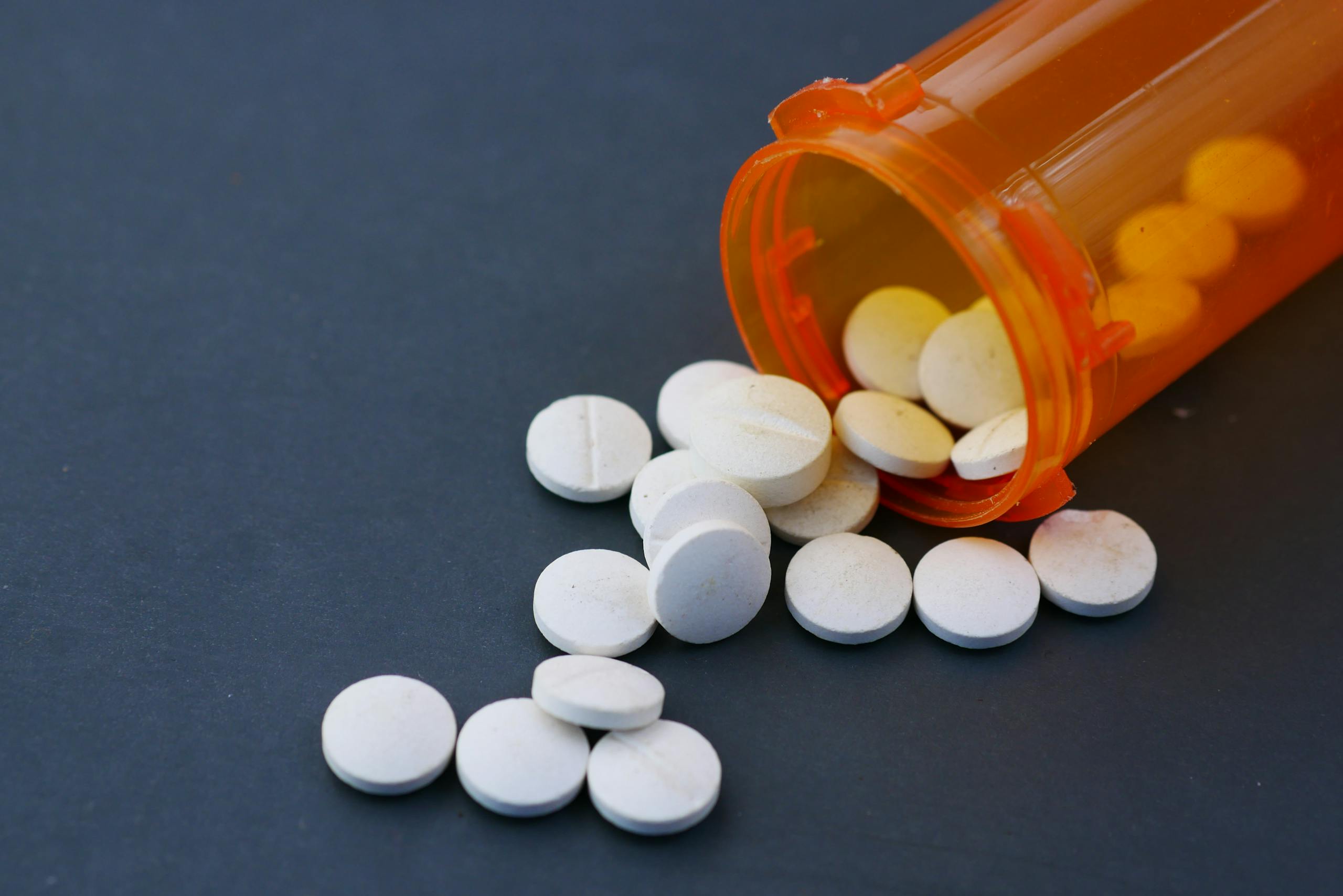
A prescription should feel like relief. For many Americans, it feels like a financial threat waiting at the pharmacy counter.
The doctor may explain the diagnosis clearly. The treatment plan may make perfect sense. The medicine may be exactly what the patient needs. Then the price appears, and suddenly the entire plan collapses into one painful question: Can I afford to get better?
Some people split pills, delay refills, search for coupons, switch medications, borrow money, or walk away without the prescription. That is especially dangerous for people managing diabetes, heart disease, asthma, mental health conditions, autoimmune illness, chronic pain, or infections that need proper treatment.
Out-of-pocket health spending reached $556.6 billion in 2024, while private health insurance spending also rose sharply. That helps explain why the pharmacy counter has become one of the places where Americans feel the system most personally.
Getting an Appointment Can Still Take Too Long
The system tells Americans to seek care early, then often makes early care hard to find. Someone may finally decide to see a doctor, only to face a wait of weeks or months. Primary care appointments can be limited.
Specialists may be booked far out. Mental health providers may not accept new patients. Imaging may require approval. Follow-up care may move slowly as symptoms worsen.
Workforce shortages are part of the problem. Recent projections suggest the United States could face a physician shortage of 13,500 to 86,000 by 2036, including a serious shortage in primary care.
Delays are not just annoying. They can turn manageable problems into major ones. A strange lump, a racing heart, a persistent cough, a mental health crisis, or unexplained pain should not have to wait behind a calendar that is already full for the next three months.
Rural Americans Are Still Being Left Behind
Healthcare failure looks different when the nearest hospital is an hour away. For rural Americans, care can depend on weather, distance, ambulance availability, hospital finances, staffing, and whether a nearby facility still offers the service needed.
A closed maternity unit can turn childbirth into a long drive. A closed emergency department can turn a stroke or heart attack into a race against geography.
From 2017 to 2024, 62 rural hospitals closed, while only 10 opened, resulting in a net loss of 52. That is not just a local inconvenience. It is a serious access problem for communities where every extra mile can make a difference.
When rural hospitals close, the damage spreads. Doctors leave. Jobs disappear. Emergency care gets farther away. Older adults, pregnant women, low-income families, and people with chronic conditions become more vulnerable.
In rural America, healthcare access is not an abstract policy debate. It is the difference between help arriving in time and help arriving too late.
Maternal Healthcare Still Fails Too Many Women
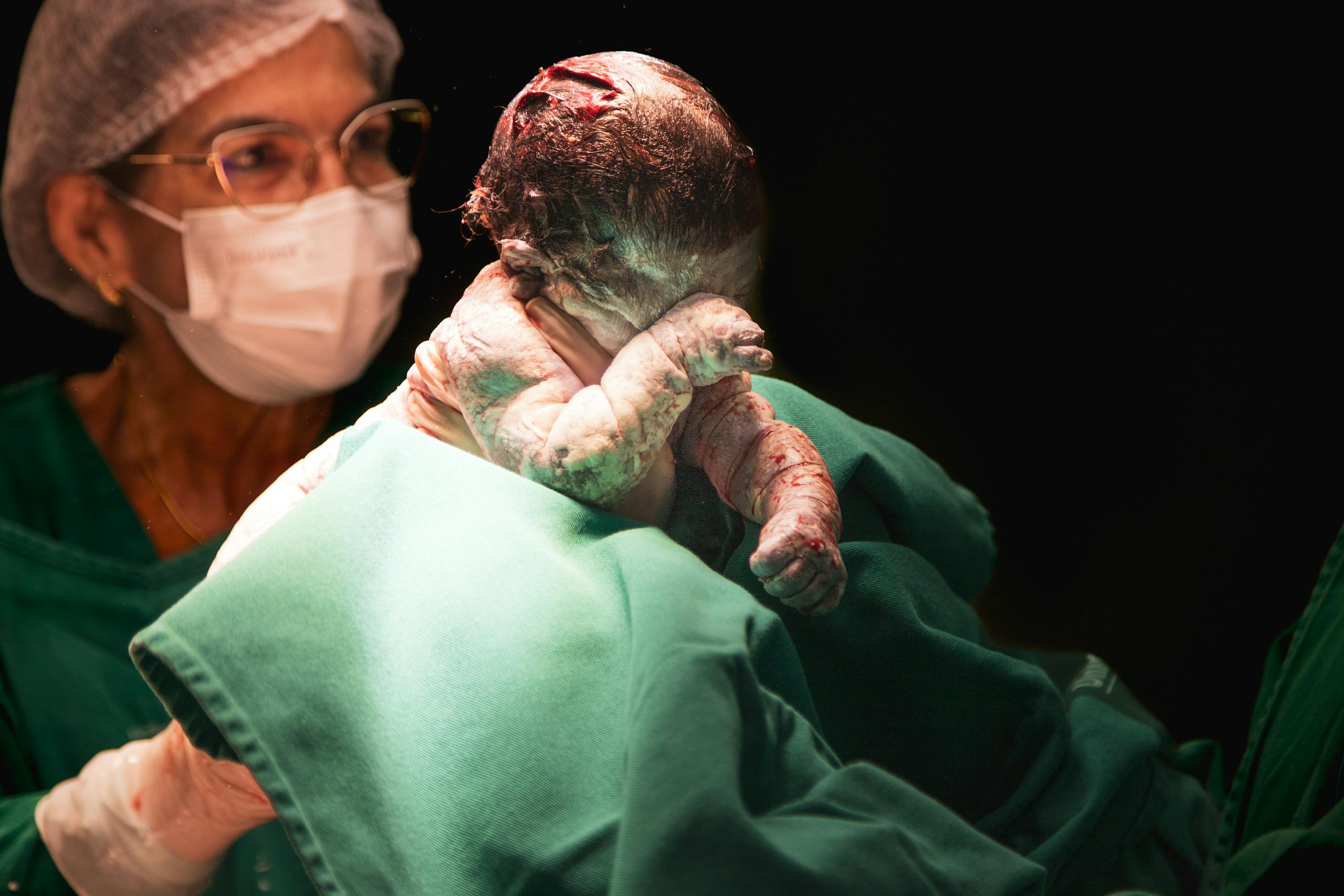
Pregnancy should not feel like a medical gamble. In 2024, the U.S. maternal mortality rate was 17.9 deaths per 100,000 live births. The numbers showed deep racial disparities, with Black women facing a maternal mortality rate of 44.8 deaths per 100,000 live births, far higher than several other groups.
Those figures represent real women whose symptoms may have been missed, whose complications may have escalated, whose concerns may not have been taken seriously, or whose access to care may have failed at the worst possible moment.
A healthcare system cannot call itself advanced while women still fear being dismissed during pregnancy, childbirth, or postpartum recovery.
Better maternal care means listening earlier, following up more carefully, protecting rural maternity services, improving emergency response, and taking racial gaps seriously instead of treating them like old background noise.
Mental Healthcare Is Still Too Hard to Reach
America talks more openly about mental health now, but access still has not caught up with the conversation.
People are told to seek therapy, get help, talk to someone, and take mental health seriously. Then they run into high costs, long waitlists, insurance limits, provider shortages, confusing referrals, and months-long appointment waitlists. That is a brutal message to send someone who finally found the courage to ask for support.
Anxiety, depression, grief, trauma, addiction, burnout, and family stress do not pause politely while a person waits for a callback. For rural residents, low-income families, young adults, and people without strong insurance, the barriers can feel even higher.
Mental healthcare is healthcare. Treating it like an optional extra leaves people suffering quietly until their pain becomes harder, more expensive, and more dangerous to treat.
Burned-Out Medical Workers Are Being Asked to Hold Up the System
Patients are not the only ones being crushed. The people providing care are also exhausted.
Doctors, nurses, pharmacists, therapists, aides, technicians, billing workers, and caregivers are stuck inside a system that often feels overbuilt for paperwork and underbuilt for people.
They are expected to move quickly, stay kind, document everything, respond to messages, manage insurance rules, comfort families, and make careful decisions under pressure.
Recent workforce data showed that 41.9% of physicians reported at least one symptom of burnout in 2025, even though the rate had improved from earlier years. That number still represents a serious strain on the people patients depend on during their most vulnerable moments.
Patients feel that pressure too. Short visits, rushed explanations, delayed responses, and tired staff are often symptoms of a system pushing workers too hard. A healthcare system cannot run forever on exhausted humans and still expect compassion to come out fresh every morning.
Conclusion

The American healthcare system is not failing because doctors do not care or patients do not try. It is failing because too many people must fight the system before they can even start healing.
Costs are too high. Insurance is too confusing. Rural care is too fragile. Maternal outcomes remain too unequal. Mental healthcare is too hard to reach. Prescription drugs are too expensive. Medical workers are too burned out.
Patients are too often treated like invoices with symptoms attached. A country can spend trillions on healthcare and still leave families afraid of a doctor’s visit.
That is the contradiction Americans are living with in 2026. The medical talent exists. The technology exists. The money is already flowing.
The real question is why so many people still cannot reach care without fear, debt, delays, or exhaustion.