10 Criticisms of the Green Agenda
The green agenda has dominated global conversations for years, with well-meaning initiatives designed to protect the environment. However, beneath the surface, several of these initiatives raise concerns and contradictions.
While they may appear environmentally sound, the reality is often more complex. In this article, we delve into some of the most prominent problems associated with the green agenda.
Wind Turbines

Wind turbines are heralded as a clean source of renewable energy, but they are not without their downsides. While studies have not conclusively linked wind turbines to physical illnesses, residents near turbines often report experiencing negative effects, such as headaches and sleep disturbances.
The constant noise from the turbines and the shadow flicker they cast can contribute to a decline in mental well-being. As with many green initiatives, the practical impact on local communities can be more harmful than expected.
The Flaws of Carbon Offsetting
Carbon offsetting, a widely promoted solution to counteract carbon emissions, often falls short of its promise. The concept is simple: pay for environmental projects, such as tree planting or renewable energy initiatives, to “offset” the emissions produced by activities like flying.
However, the numbers don’t add up. If developed nations offset even 50% of their emissions, the rest of the world would need to somehow start emitting negative amounts of carbon. This inconsistency highlights the limitations and inefficiencies of carbon offsetting, with many companies misrepresenting their efforts, leading to little real environmental impact.
Waterless Urinals

Waterless urinals have been marketed as a solution to conserve water in public facilities. However, they can create more problems than they solve. The lack of water leads to stagnant urine, which can damage plumbing systems and cause unpleasant odors.
In some cases, these urinals have been decommissioned after causing costly plumbing issues. The goal of water conservation may be well-intended, but the execution of such measures can result in unforeseen negative consequences.
The Dark Side of Organic Food

Organic food is often marketed as the sustainable choice for environmentally conscious consumers. However, organic farming is not always as eco-friendly as it seems. For example, organic milk can require up to 80% more land to produce than conventional milk, contributing to deforestation and habitat destruction.
Additionally, studies have found pesticide residues in organic produce, contradicting the assumption that organic food is free from harmful chemicals. The environmental impact of organic farming is not always greener, as the processes involved can still lead to significant pollution.
Overzealous Water Conservation
Water conservation is essential, but some methods have unintended consequences. In places like Germany, where water conservation efforts have been extremely successful, the sewers are becoming clogged due to reduced water flow.
This has led to increased water usage by utility companies, negating the environmental benefits. While reducing water consumption is crucial, it is essential to balance it with practical solutions to ensure the proper functioning of sewage systems.
Inefficient Home Insulation Practices
Home insulation is often touted as a way to reduce energy consumption and decrease greenhouse gas emissions. However, not all insulation methods are created equal. Some materials, such as blown hydrofluorocarbons, are incredibly harmful to the environment, with a global warming potential nearly 1,500 times that of carbon dioxide.
While the push for better insulation may seem like a win for the environment, it can lead to unintended consequences, such as increased production pollution and a long-term environmental debt that outweighs the benefits.
The Reality of Recycling
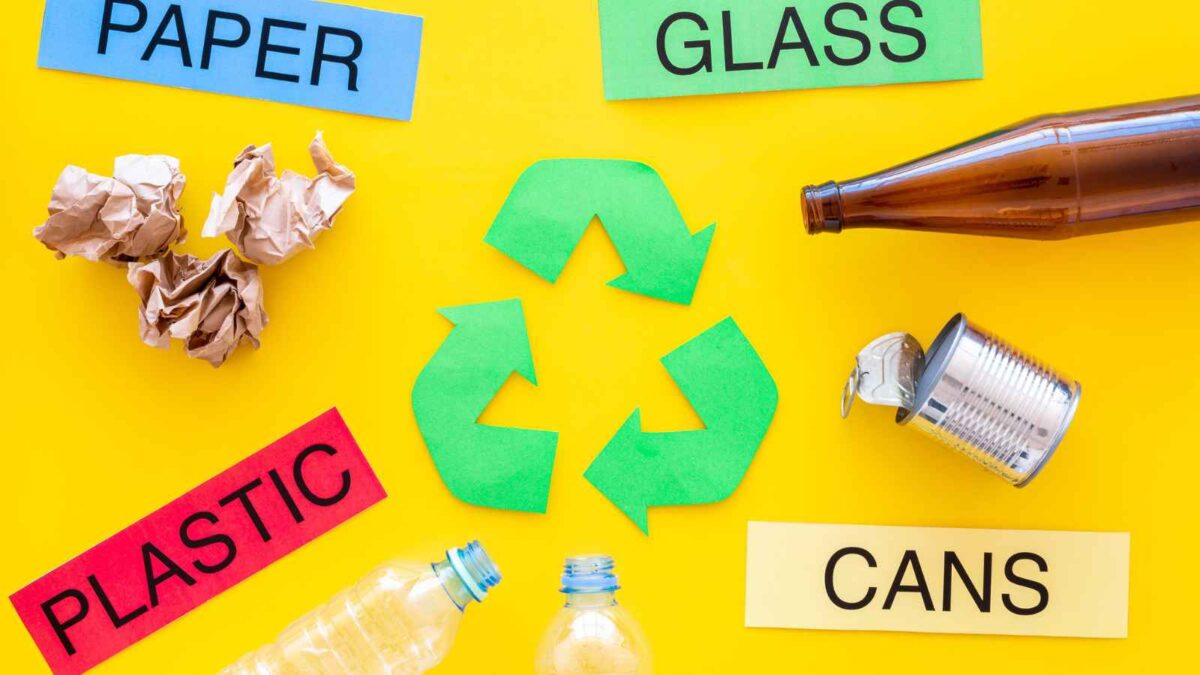
Recycling is often promoted as a critical part of environmental conservation, but the reality is far more complicated. Global demand for recycled materials can lead to unnecessary transportation of waste worldwide, significantly increasing carbon emissions.
Additionally, some recyclable materials, such as PVC, are burned because they appear unappealing when melted. The recycling industry is riddled with inefficiencies, and much of the material meant for recycling ends up in landfills or incinerators.
The Biofuel Dilemma
Biofuels were once hailed as an alternative to fossil fuels, with the potential to reduce carbon emissions and provide a sustainable energy source. However, the widespread use of biofuels has led to unintended environmental consequences. Large-scale biofuel production has contributed to deforestation and land degradation in regions like South America, increasing the risk of famine.
The push for biofuels has also led to increased water usage and pollution, undermining their environmental benefits. Despite these issues, biofuels continue to receive government subsidies, making their widespread use an ongoing challenge.
Electric Cars

Electric cars are often seen as the future of sustainable transportation. However, the environmental benefits of electric vehicles (EVs) depend heavily on the source of electricity used to charge them. In regions where electricity is generated from coal-fired power plants, the net environmental benefit of driving an EV is negligible.
Additionally, the manufacturing process for electric vehicles is currently more polluting than that of conventional cars, especially in battery production. Until there are technological breakthroughs, electric vehicles may not live up to their environmental promises.
The Toxicity of Energy-Efficient Light Bulbs
Compact fluorescent lamps (CFLs), commonly used as energy-efficient alternatives to incandescent bulbs, have raised concerns due to their mercury content. While the environmental benefits of CFLs in terms of energy savings are well-documented, the production and disposal of these bulbs can result in significant mercury pollution.
In one example, factory workers in China were found to be suffering from mercury poisoning due to improper handling of CFLs. While these light bulbs may reduce energy consumption, the environmental cost of mercury pollution must not be overlooked.