8 Disturbing Ways TikTok Is Rewiring How Americans Think About Life
A person can open TikTok while waiting for the microwave to beep and somehow leave with a new fear, a new insecurity, a new product in their cart, a new diagnosis, a new opinion about dating, and the sudden belief that their entire apartment needs to be “reset” before Monday.
That is the app’s strange power. It does not just fill spare minutes. It seeps into how Americans judge their bodies, homes, relationships, money, attention spans, careers, and futures. One minute, you are watching a dog steal a sandwich.
Next, a stranger is telling you that your morning routine is lazy, your boyfriend is a red flag, your pantry is embarrassing, and your nervous system needs a $38 supplement.
TikTok can be funny, creative, useful, and even comforting. It has taught people recipes, helped small businesses grow, explained complicated issues, and made lonely users feel seen.
Still, the way it is rewiring how Americans think about life is becoming harder to ignore, because the app has become more than entertainment. It is now a mood machine, a shopping mall, a news feed, a dating coach, a beauty mirror, and a therapy waiting room, all packed into one endless scroll.
The scale matters. A 2025 survey found that 37% of U.S. adults use TikTok, with younger adults especially likely to do so. Another 2026 analysis found that 43% of U.S. adults ages 18 to 29 regularly get news on TikTok, compared with only 3% of Americans ages 65 and older.
TikTok makes normal life look painfully boring.
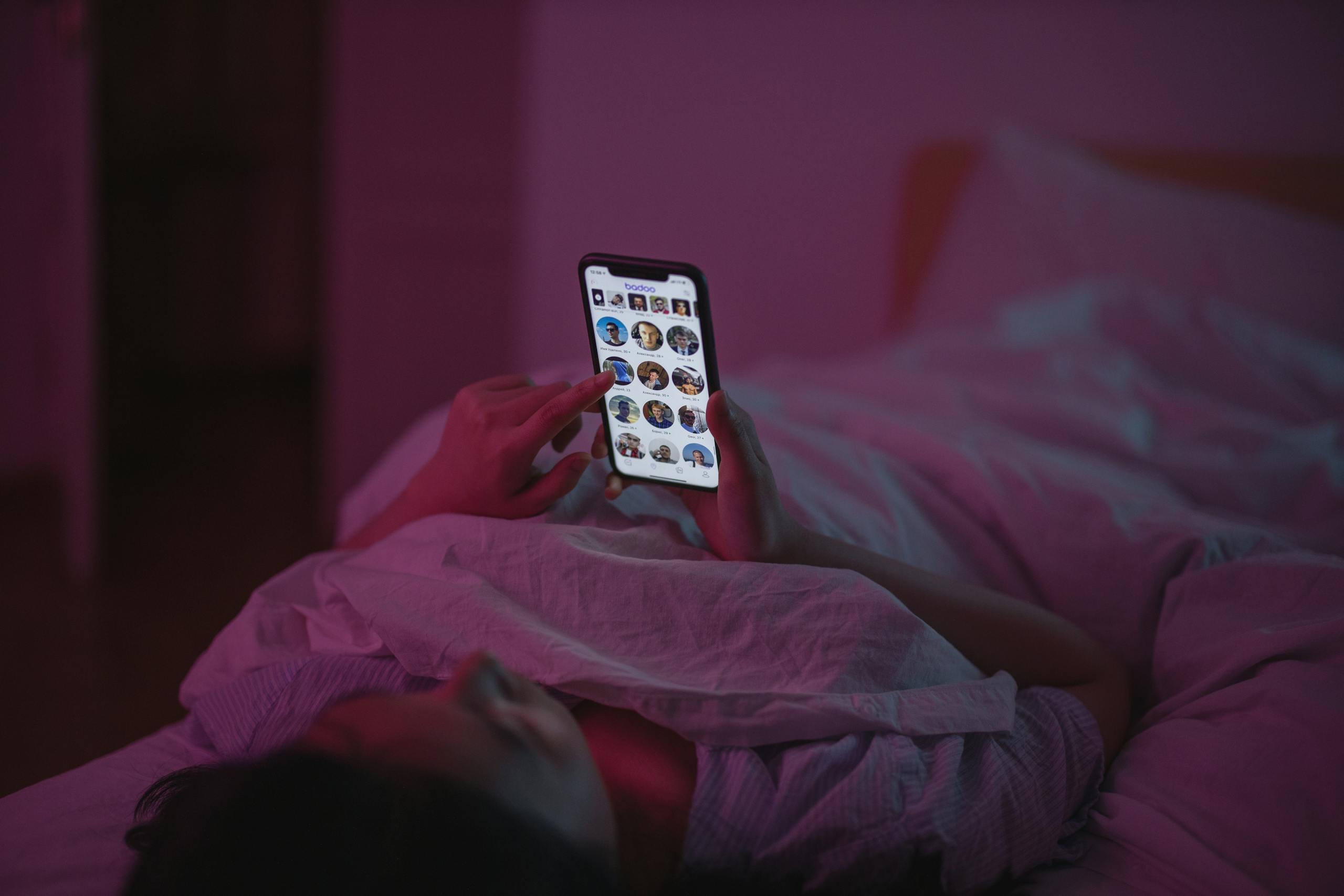
A regular Tuesday never stood a chance against TikTok. You come home from work, toss your keys on the counter, stare at dishes in the sink, and open the app for a tiny break.
Suddenly, someone is making sourdough in a spotless kitchen, a couple is renovating a farmhouse, a college student is doing a 5 a.m. workout, and a mom is packing school lunches that look like they belong in a magazine.
Then you look at your own frozen pizza and feel personally attacked.
That is how TikTok changes the emotional temperature of ordinary life. The app compresses the best, prettiest, cleanest, funniest, richest, and most dramatic moments into a feed that makes regular living feel dull.
Nobody shows the credit card debt behind the haul, the fight before the couple video, the messy bedroom outside the frame, or the exhaustion after the perfect routine.
American life is already full of pressure. TikTok adds another layer by making people feel that ‘normal’ isn’t enough. A simple home, a normal body, a regular job, and a quiet weekend can start looking like failure when the feed keeps showing life as a movie trailer.
It turns attention into a slot machine.
TikTok does not politely ask for attention. It grabs it by the collar. One swipe brings a joke. The next brings a crying confession.
Then a recipe, a political rant, a makeup tutorial, a celebrity scandal, a conspiracy theory, a breakup story, and a baby laughing so hard you forget what time it is. The user never knows what is coming next, so the thumb keeps moving.
That unpredictability is the trap.
After enough scrolling, real life starts feeling too slow. Waiting in line feels unbearable. Reading a full article feels like homework. Watching a movie without checking the phone feels almost unnatural. Even silence begins to feel suspicious, because the brain has grown accustomed to fast emotional rewards.
Teens feel this pull too. A 2025 survey found that 45% of U.S. teens say they spend too much time on social media, up from 36% in 2022. The same report found teen girls were more likely than boys to say social media hurt their sleep, confidence, or mental health.
TikTok did not invent distraction. It perfected the art of making distraction feel like relaxation.
It makes shopping feel like self-improvement.
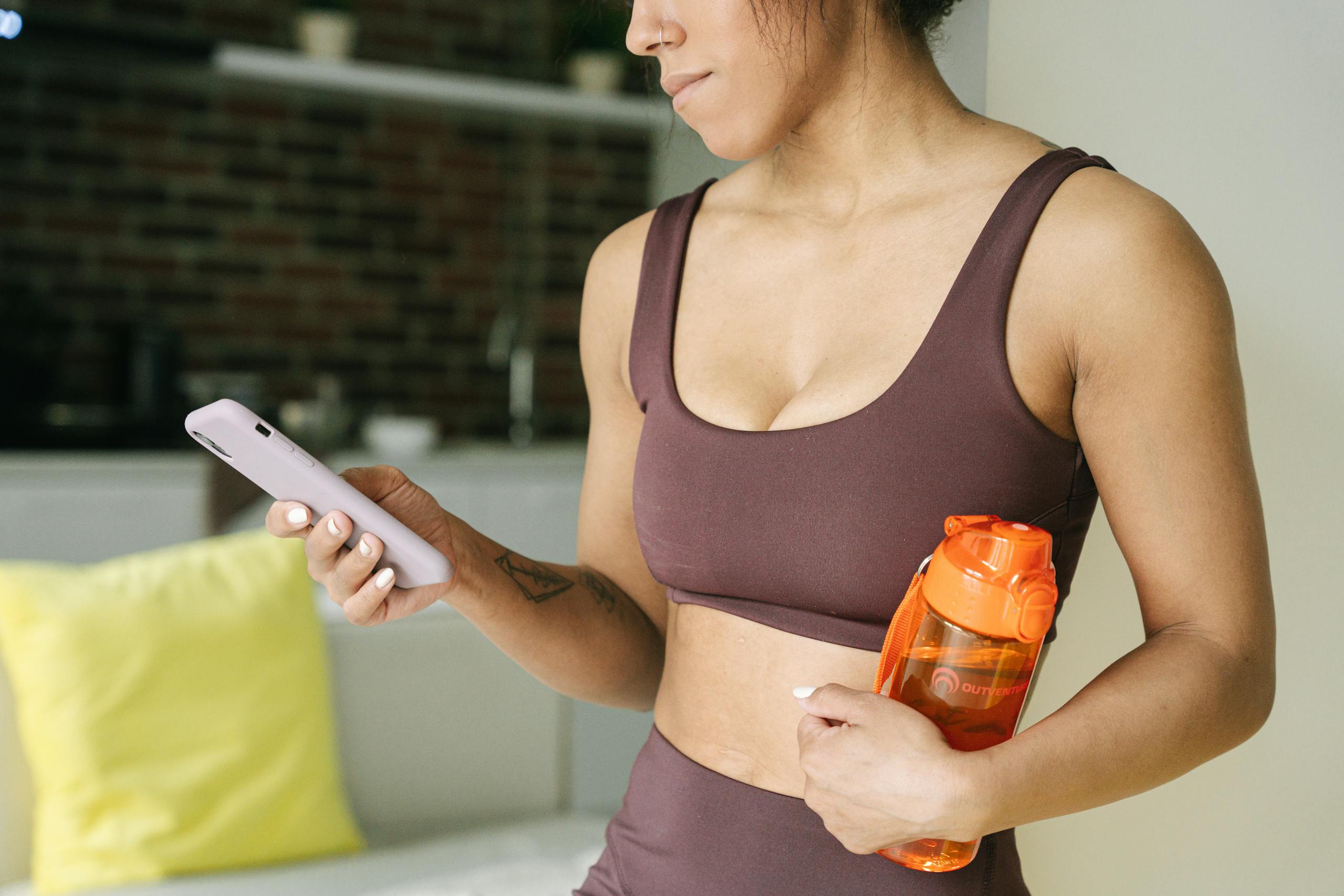
TikTok has turned buying things into a way to upgrade your personality.
A water bottle is not just a water bottle. It is a wellness era. A planner is not just paper. It is proof that your life is about to become organized. A lamp, rug, walking pad, protein powder, lip oil, or matching set suddenly feels like the missing piece between who you are and who you could become.
That is why TikTok shopping feels so powerful. It sells identity before it sells products.
A creator says something changed their life, and the viewer feels behind for not owning it. A kitchen gadget becomes a discipline. A skincare item becomes confidence. A storage bin becomes controlled.
A supplement becomes healing. Before long, a person is not shopping because they need something. They are shopping because the feed made them feel unfinished.
The danger is not buying products. People need things, enjoy things, and sometimes discover genuinely useful items online. The problem begins when every emotional gap starts looking like it has a checkout button.
It turns dating into a red-flag courtroom.
TikTok has become America’s unofficial relationship court.
Someone describes a bad date, and the comments diagnose the man as toxic. Another person shares a breakup story, and strangers decide the ex was a narcissist. One creator says a slow reply means emotional unavailability.
Another says a partner who does not plan dates is showing a lack of effort. A third insists that liking someone’s photo is basically betrayal with better lighting.
Some TikTok relationship advice is genuinely helpful. People have learned about boundaries, manipulation, abuse, attachment styles, and emotional safety from creators who explain those topics clearly. That can help someone recognize a pattern they once ignored.
The problem starts when every flaw becomes a label and every awkward moment becomes evidence.
Dating in America is already stressful. TikTok can make it feel even more suspicious. People start gathering proof instead of building trust. They treat a date like an investigation. They enter relationships with a checklist, a script, and a comment section in their head.
Love needs discernment. It also needs patience. TikTok often gives people the first one without the second.
It makes everyone feel like they need a brand.
TikTok has made ordinary life feel like content waiting to happen.
Dinner becomes “what I eat in a day.” Cleaning becomes a reset video. Grief becomes storytime. A job struggle becomes a career lesson. A messy closet becomes a before-and-after. A walk becomes aesthetic footage. A breakup becomes a three-part series with captions.
That changes how people see themselves.
Even Americans who do not want to be influencers can begin to absorb influencer logic. They wonder if their apartment has a vibe. They wonder whether their lives are interesting enough.
They wonder whether their opinions need a hook, whether their routines need a name, whether their faces need better lighting, and whether their pain would make a good video.
Creativity is not the problem. Many people use TikTok to tell stories, build communities, and express themselves in smart ways. The danger is feeling like a human being must become a personal brand to matter.
A life should not have to be marketable to be meaningful.
It turns news into emotional whiplash.
TikTok is now part of how many young Americans understand the world.
That can be useful when creators explain hard topics in plain language. A good video can help someone understand a court case, election issue, labor strike, international conflict, or public health topic faster than a dense article. The problem is that the format rewards speed, emotion, and certainty.
A serious issue becomes a 45-second panic. A complex conflict becomes a slogan. A misleading clip travels faster than a correction. A creator may sound confident before the facts are settled. Viewers leave feeling informed, but sometimes they are only emotionally activated.
The shift is real. About half of U.S. adults say they at least sometimes get news from social media, and young adults are more likely than older Americans to use social platforms for news and to trust them.
That does not mean young people are careless. It means they are living inside a news environment built for speed, not depth. TikTok can make Americans angry enough to care, but not always informed enough to understand.
It turns mental health language into everyday slang.
TikTok has helped many Americans talk about mental health more openly.
That part matters. People who once felt alone can now hear others describe anxiety, depression, ADHD, trauma, burnout, grief, and emotional abuse in language that sounds familiar. Some users find the courage to seek professional help because a video gave them words for something they could not explain.
Still, the same space can blur the line between education and self-diagnosis.
A person watches a few videos about ADHD and starts rewriting their identity. Another sees content about narcissism and decides every difficult relative fits the label.
Someone hears therapy terms so often that normal conflict starts sounding like abuse. A hard week becomes burnout. A bad habit becomes trauma. A selfish ex becomes a clinical case.
Mental health language is powerful. Used carefully, it brings clarity. Used carelessly, it can turn every feeling into a label and every relationship into a file folder.
TikTok can open the door to healing. It should not replace the person trained to help you walk through it.
It makes rest feel like another performance.
Even doing nothing has become something Americans can fail at. TikTok has turned rest into an aesthetic.
The ideal reset day includes candles, matcha, skincare, a gratitude journal, matching pajamas, a spotless bedroom, a calming playlist, a perfect breakfast, sunlight through clean curtains, and a nervous system that apparently responds well to beige.
A tired person opens the app hoping to relax and leaves feeling behind.
Someone else is healing better. Someone else has a cleaner home. Someone else meal preps more beautifully. Someone else has softer lighting, calmer routines, better boundaries, and a more photogenic life. Even rest starts feeling like a competition.
That is one of the strangest ways TikTok is changing American life. The app makes people feel that self-care is not something you do to recover. It is something you perform correctly.
Real rest is often ugly. It can look like sleeping late, ignoring laundry, eating leftovers, canceling plans, sitting quietly, or doing absolutely nothing, which is worth filming.
Conclusion
TikTok is not just an app Americans open when they are bored. It is a mood machine. A shopping mall. A news feed. A dating coach. A beauty mirror. A therapy lobby. A comedy club. A comparison trap. A tiny stage where ordinary life gets judged against someone else’s edited version.
That is why it should worry people, even those who enjoy the app. The danger is not that every video is harmful. The danger is that the feed becomes so constant that people stop noticing how much it shapes their wants, fears, standards, opinions, and attention.
A healthy life cannot be built from endless swipes. Americans do not need to delete every app and move into the woods. They need to remember that life is not supposed to move at the speed of the feed.