12 Foods That Can Quietly Make High Blood Pressure Worse
High blood pressure is often referred to as a “silent killer” because it doesn’t always announce itself with obvious symptoms. It builds slowly over time, subtly increasing the strain on your heart and arteries. And while many people associate sodium with high blood pressure, it’s not just about the salt shaker. The foods we reach for daily, without thinking much of them, are often the real culprits. These foods may look harmless, but they can stack up in ways that push your blood pressure in the wrong direction.
Table Salt
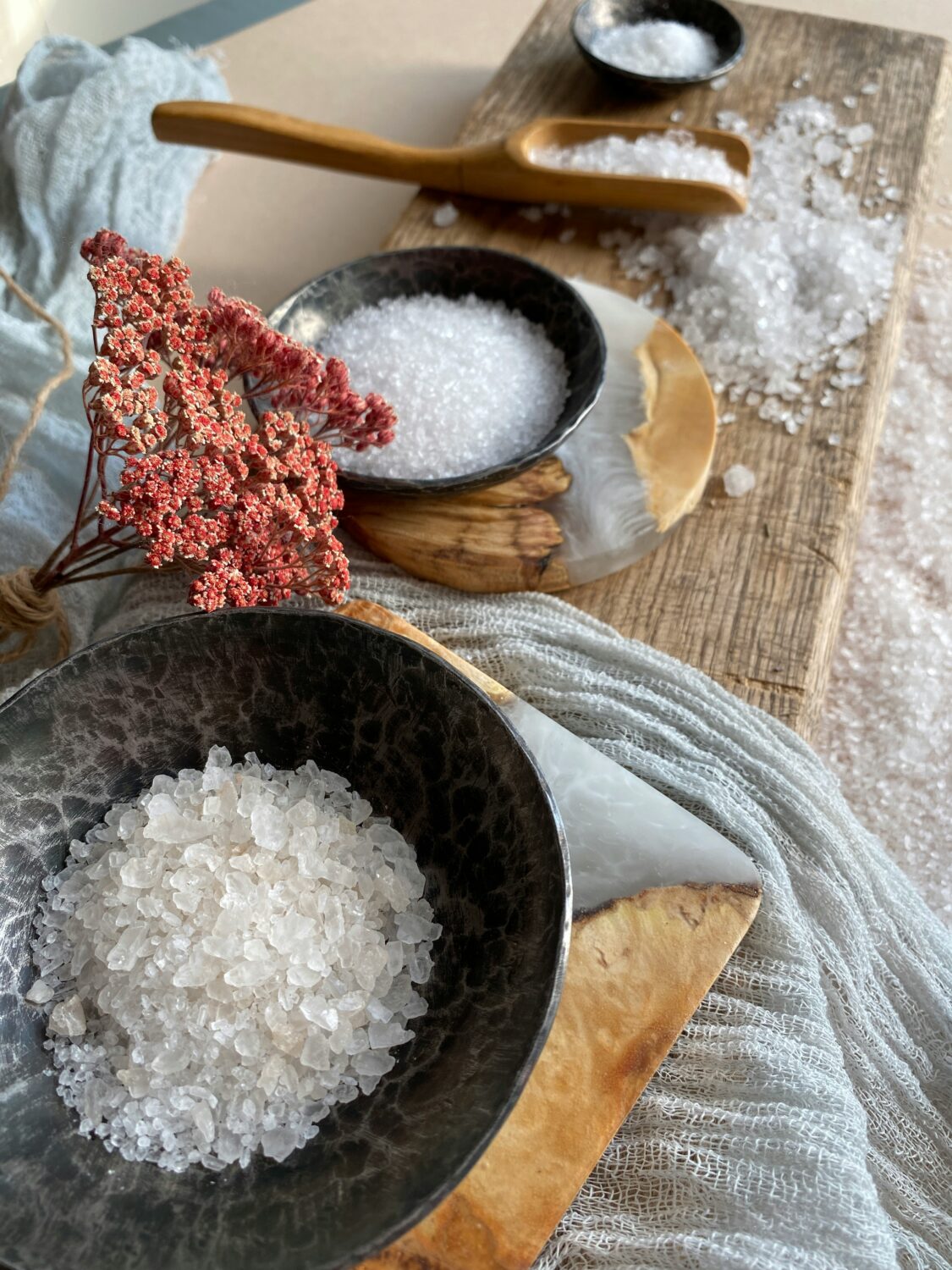
Salt is both a flavor enhancer and a health enemy, especially when consumed in excess. It draws water into your bloodstream, making the heart work harder to pump it around. The more salt you consume, the higher your blood pressure can rise. While a pinch here and there might seem insignificant, it can quickly add up, particularly with processed and pre-packaged foods. The best strategy? Choose salt-free or low-sodium options and use herbs and spices to add flavor instead.
Frozen Pizza
Frozen pizza might be convenient and tasty, but it’s a sodium minefield. The cheese, sauce, and crust can be packed with salt, making what seems like an innocent dinner a major contributor to high blood pressure. While it’s tempting to order a pizza in, it’s far better for your health to make a homemade version with less cheese, a whole-grain crust, and fresh toppings like vegetables and lean meats.
Canned Soup
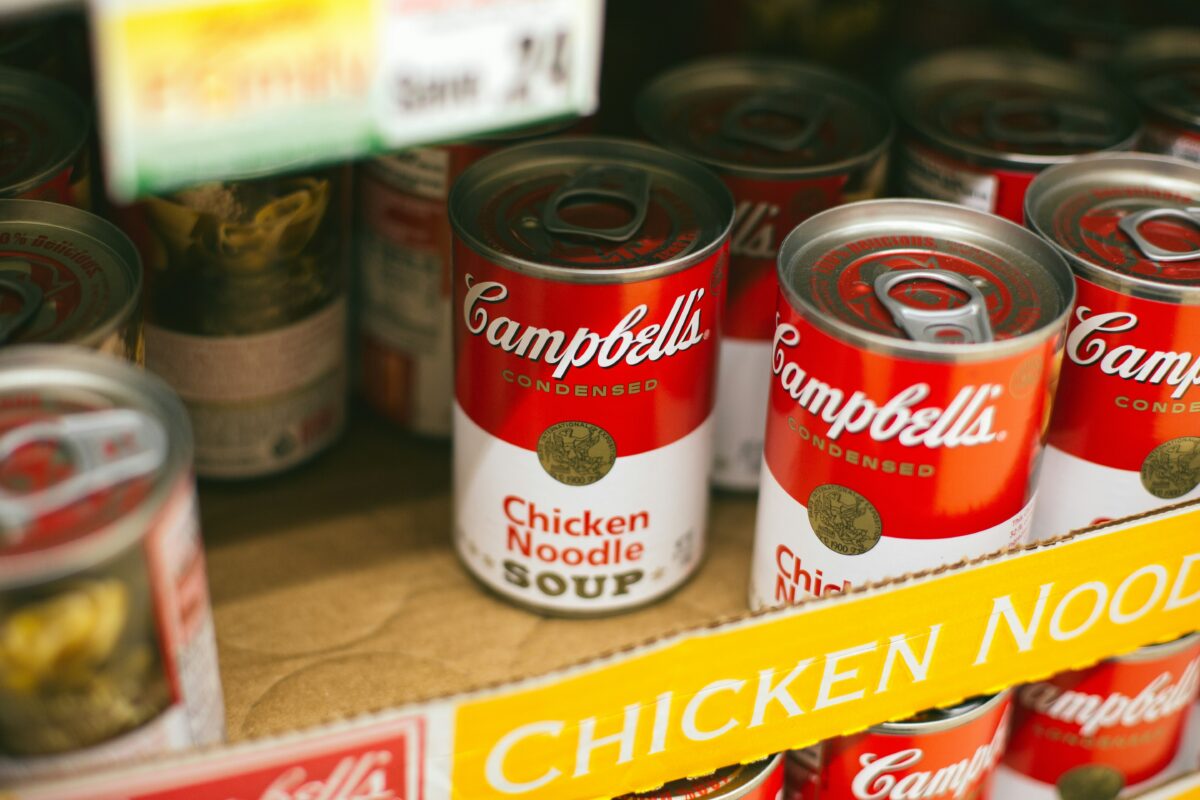
Soup can be a comforting, warm meal, but canned varieties are high in sodium. It’s not just the salty broth; it’s the preservatives that keep the soup shelf-stable. While it might seem like an easy choice, reaching for a homemade soup made with fresh ingredients will give you full control over the sodium content, helping keep your heart healthier in the long run.
Processed Deli Meats
Delis meats like ham, salami, and bologna are often high in sodium and preservatives. They’re great for convenience, but they’re not doing your blood pressure any favors. The high levels of salt used to cure and preserve these meats add up quickly. Instead, opt for lean, freshly cooked meats or plant-based protein sources for your sandwiches and salads.
Pickles and Preserved Vegetables
While pickles and other preserved veggies can add a nice crunch and tang to your meals, they are often packed in brine, a salty solution. Eating too many pickles can put unnecessary pressure on your blood vessels. To get the same crunch without the salt, try fresh veggies or ones pickled with less salt.
Salty Takeout, Especially Sauce-heavy Dishes
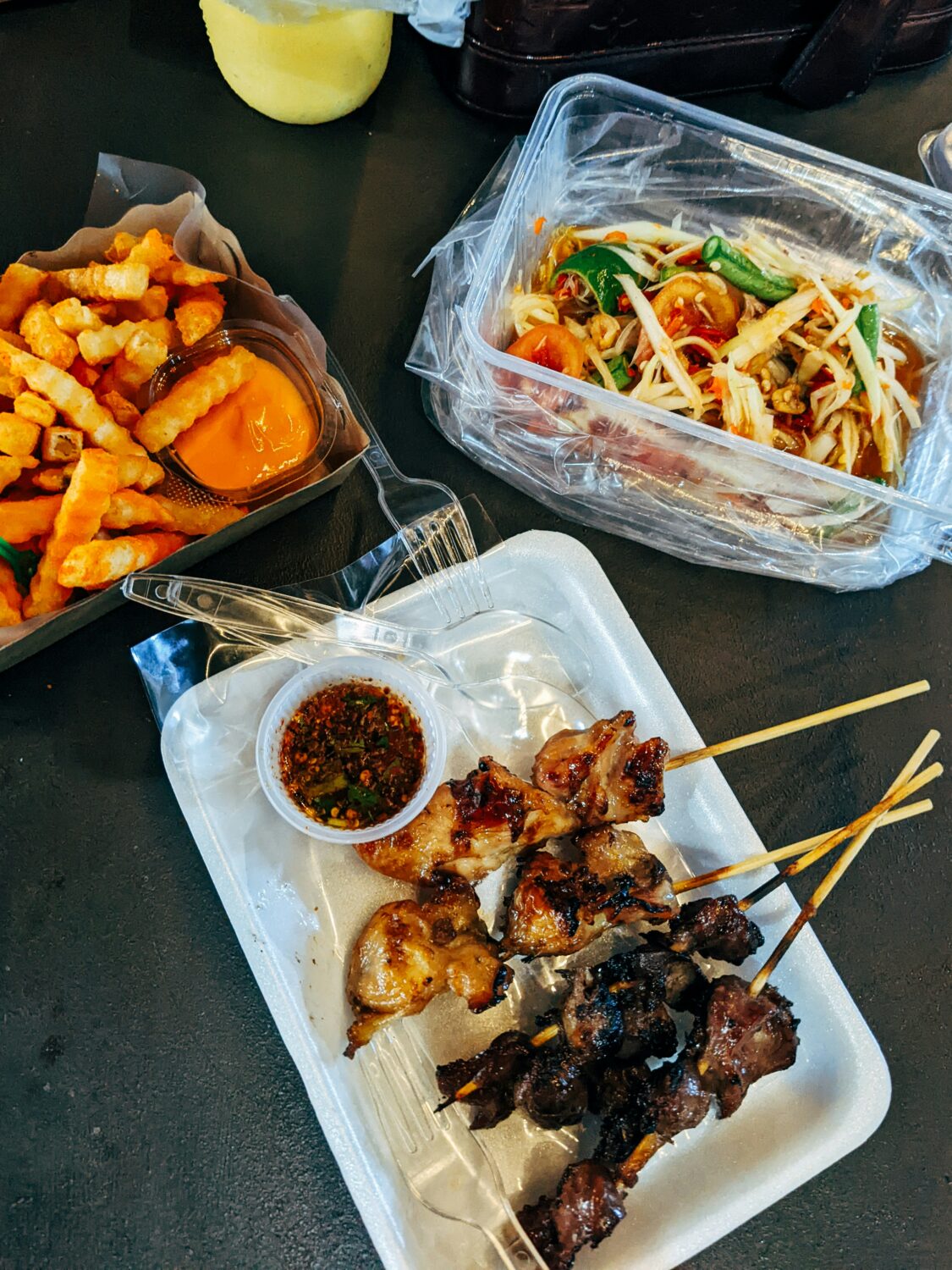
Takeout is often a quick and easy choice, but many dishes, especially those with sauces, are laden with sodium. Soy sauce, teriyaki glazes, and other seasonings commonly used in restaurant dishes can elevate your sodium intake far beyond what’s healthy. If you love takeout, try asking for sauces on the side or choosing lighter, less-processed options from the menu.
Breakfast Cereals
Breakfast cereals may seem like a healthy way to start the day, but many types are high in sodium and sugar. What you thought was a wholesome breakfast can turn out to be a poor choice for managing your blood pressure. Opt for whole-grain, low-sodium cereal, or better yet, try oatmeal or a smoothie made with fresh fruits and vegetables to keep things heart-healthy.
Ketchup and Other Condiments
Condiments like ketchup, barbecue sauce, and salad dressings are often loaded with sodium and sugar, making them hidden culprits in the fight against high blood pressure. While they might add flavor, they don’t do your heart any favors. Using smaller amounts or switching to homemade versions can drastically reduce the extra salt.
Packaged Pasta Meals
Instant pasta meals seem like an easy solution, but the sodium-packed seasoning packets and preserved sauces are a major issue. They provide a quick meal at the cost of your health. Homemade pasta dishes with a lower-sodium sauce made from fresh tomatoes and spices are a healthier alternative that doesn’t sacrifice flavor.
Energy Drinks
Energy drinks might promise a quick boost, but they often contain high levels of caffeine and sugar, which can spike your blood pressure. Over time, the combination of stimulants and additives can put unnecessary strain on your heart. Opt for natural sources of energy like water, herbal teas, or a cup of coffee without added sugar.
Butter and Some Margarines
Butter and certain margarines, especially the processed varieties, are high in saturated fats that can raise your cholesterol levels and negatively impact your heart health. While they may add richness and flavor to meals, they come with a cost. Instead, try swapping butter for healthier fats like olive oil, avocado oil, or nut-based spreads.
Red Meat
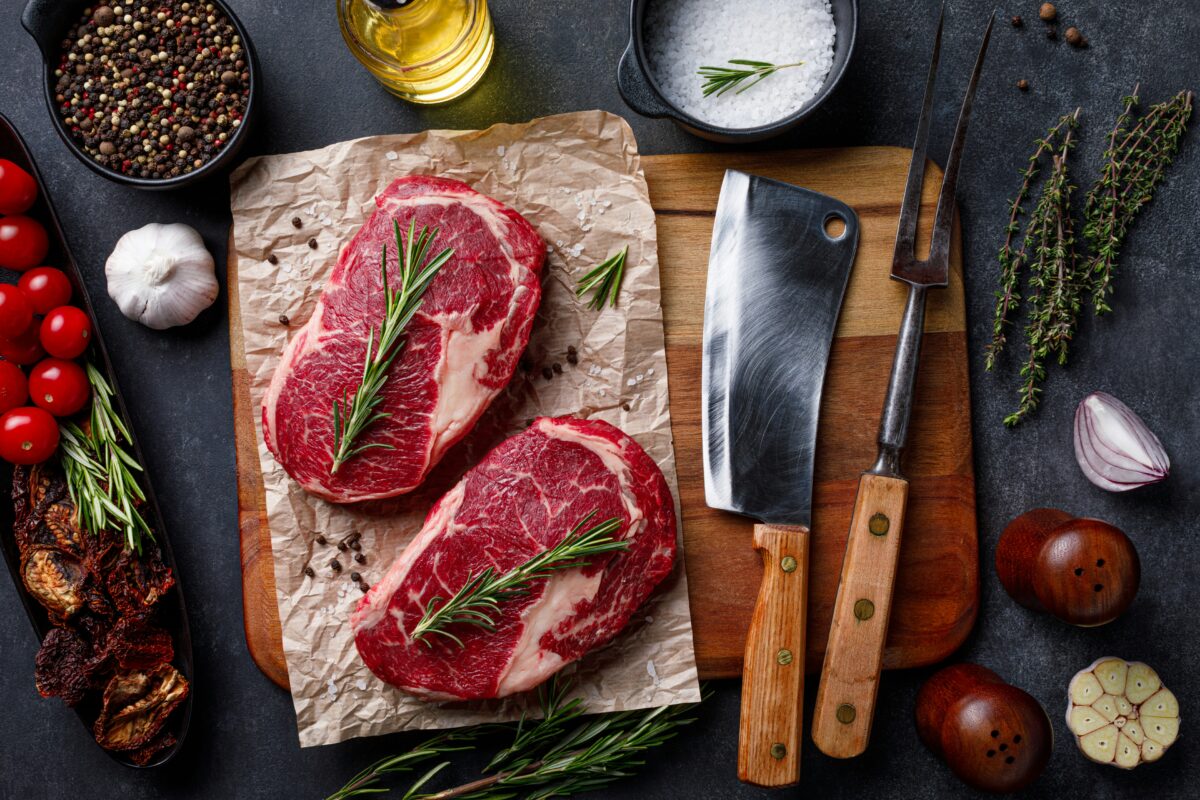
Red meat, especially fatty cuts, can contribute to high blood pressure due to its saturated fat content. Over time, a diet high in red meat can lead to weight gain and elevated blood pressure. You don’t have to cut red meat completely, but reducing your intake and opting for lean cuts or plant-based proteins can support your overall heart health.
Conclusion
High blood pressure isn’t caused by a single food; it’s the result of the overall eating pattern. If your diet regularly leans on convenience foods, processed meals, and salty snacks, it’s time to reconsider your choices. Switching to a diet that focuses on fresh, whole foods and reducing your intake of high-sodium, high-fat options can make a real difference in managing your blood pressure and improving your heart health. Start small, but make it count. Your heart will thank you.