10 Toxic Chemicals Lurking Around You That Could Seriously Harm You
We all know that chemicals are everywhere, but some of them are more dangerous than we realize. Certain substances, if mishandled or unknowingly encountered, can have disastrous health effects. From household products to industrial environments, these toxic chemicals can have lethal consequences. In this list, we explore the most hazardous chemicals that pose a real threat to your health and safety, many of which continue to lurk in our daily lives. These chemicals should never be underestimated.
VX Nerve Agent

VX is a chemical nerve agent so deadly that it is considered one of the most toxic substances ever made. Even a tiny drop on the skin can cause death in minutes. VX interferes with the body’s nervous system, causing paralysis, seizures, and eventually, respiratory failure. Its use as a weapon of mass destruction highlights its potential for harm. Although banned worldwide, VX remains a terrifying reminder of the potency of chemical warfare agents.
Polonium-210
Polonium-210 is a radioactive element that emits lethal radiation, making it one of the most dangerous substances on Earth. Famously used in the assassination of former Russian spy Alexander Litvinenko, just a trace of polonium can be fatal if ingested or inhaled. It causes radiation poisoning, leading to organ failure and death. Its ability to remain undetected and leave no trace makes polonium-210 particularly menacing.
Dioxins
Dioxins are highly toxic pollutants produced by industrial processes. These chemicals can be released into the environment through the burning of waste materials and are known to accumulate in the food chain. Long-term exposure to dioxins can result in cancer, developmental issues, and immune system damage. The persistence of dioxins in the environment means they pose a long-term health risk, especially in regions near industrial zones.
Mercury

Mercury is a heavy metal that can cause irreversible damage to the brain, kidneys, and nervous system. Long-term exposure to mercury, particularly in its methylmercury form, can lead to neurological disorders, tremors, and cognitive decline. It can accumulate in fish, posing a significant health risk to those who regularly consume seafood. Despite bans in certain industries, mercury contamination remains a global health concern.
Arsenic
Arsenic is a naturally occurring substance found in soil, water, and air, but its toxic effects on the human body are well-documented. Chronic exposure to arsenic can lead to skin lesions, cancer, cardiovascular diseases, and developmental issues. It is often found in contaminated groundwater, posing a hidden risk to millions worldwide. Despite being banned in many pesticides, arsenic continues to seep into drinking water, making it a serious environmental threat.
Asbestos
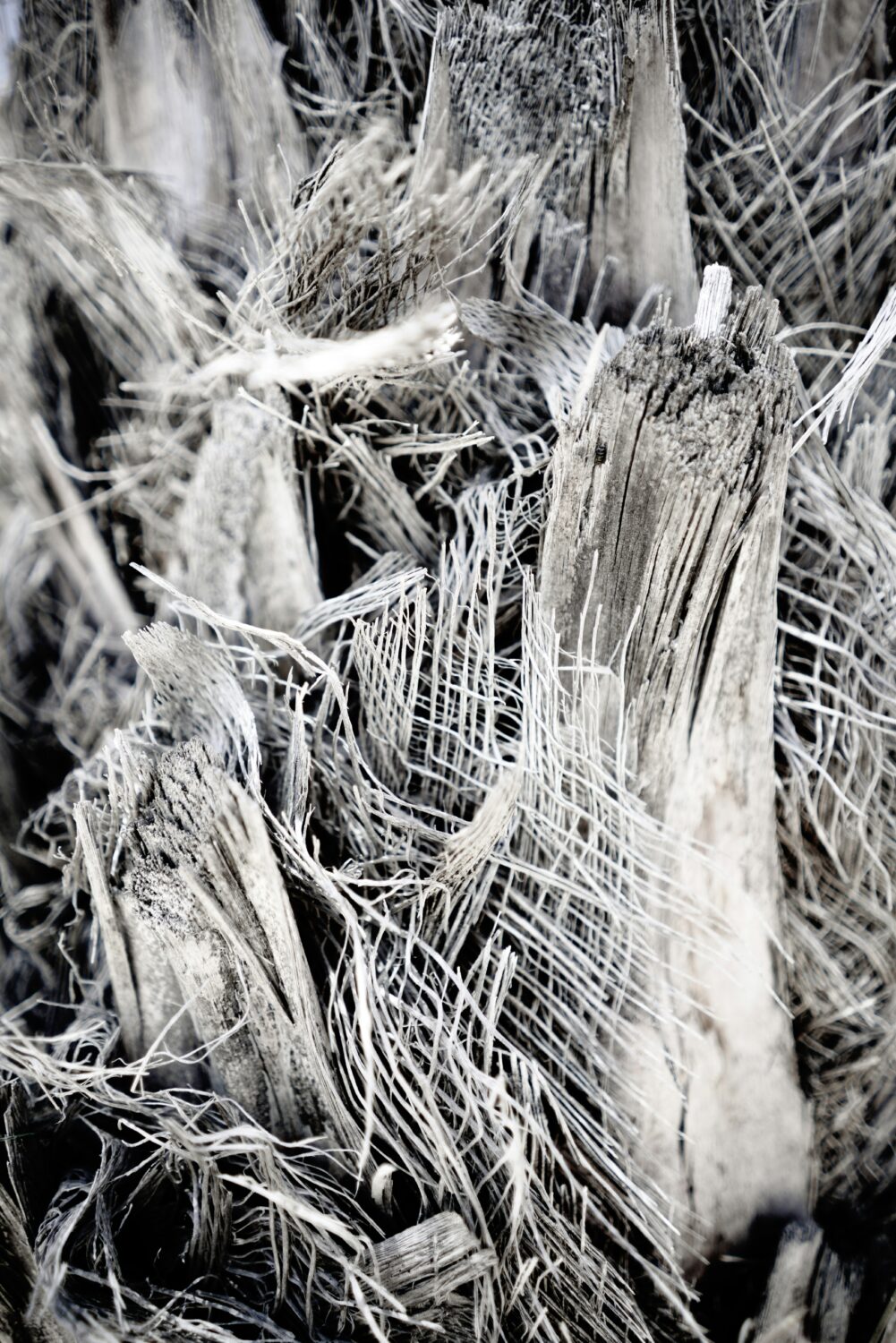
Asbestos, once commonly used in construction and insulation, is a fiber that poses significant health risks when inhaled. Prolonged exposure to asbestos fibers can lead to asbestosis, lung cancer, and mesothelioma, a rare and aggressive form of cancer. Though its use has been banned in many countries, asbestos remains a danger in older buildings, where it continues to pose a health threat to workers and residents.
Chlorine Gas
Chlorine gas is widely used in industrial processes, but it is also a potent chemical weapon. When inhaled, chlorine gas causes severe respiratory damage, leading to difficulty breathing, chest pain, and potentially death. It has been used as a chemical warfare agent in World War I, and its lethal nature makes it a dangerous substance in both industrial and military contexts. Exposure can result in long-lasting damage to the respiratory system.
Hydrogen Cyanide
Hydrogen cyanide is a highly toxic chemical that can be absorbed through the skin, inhaled, or ingested. It works by blocking the body’s ability to use oxygen, leading to suffocation. Death can occur within minutes of exposure, making it one of the fastest-acting poisons. Hydrogen cyanide was used during the Holocaust and continues to be a significant threat in industrial settings, where it is often used in plastic manufacturing.
Sarin
Sarin is a chemical weapon that is 500 times more toxic than cyanide. It is a nerve agent that disrupts the nervous system, causing paralysis, convulsions, and death. Sarin is colorless, odorless, and highly volatile, making it difficult to detect and extremely dangerous. It has been used in terrorist attacks, such as the Tokyo subway sarin attack in 1995, highlighting its potential for mass destruction.
Botulinum Toxin
Botulinum toxin, produced by the bacteria Clostridium botulinum, is the most poisonous substance known to humans. It can cause botulism, a rare but often fatal illness that leads to paralysis and respiratory failure. While it is used in small, controlled amounts in medical treatments like Botox, the toxin’s potency in larger doses makes it a terrifying weapon. Even a tiny amount can cause death by suffocation.
Conclusion
Chemicals play a pivotal role in many industries, but some are so dangerous that they can cause immediate or long-term harm to humans and the environment. From poisons like VX and polonium-210 to industrial hazards like asbestos and dioxins, it’s crucial to be aware of the risks these chemicals pose. Though many of these substances have been banned or regulated, their continued existence reminds us of the destructive power of chemicals. Awareness is the first step toward safety.