8 Ways Childhood Trauma Can Be Responsible for Bad Behavior
Some “bad behavior” does not begin in adulthood. It begins in a childhood bedroom where nobody came when the child cried. It begins at a dinner table where one wrong sentence could start a screaming match.
It begins in a house where love had conditions, silence felt safer than honesty, and a child learned to read footsteps, facial expressions, and door slams like weather warnings.
Years later, that child may become the adult who overreacts to criticism, sabotages good relationships, lies to avoid conflict, explodes over small things, shuts down during hard conversations, or pushes people away before they can leave.
From the outside, people call it attitude, drama, selfishness, laziness, toxicity, or immaturity. Sometimes, they are watching old survival skills, pretending to be a personality.
Trauma does not excuse harm. It does not give anyone permission to mistreat partners, children, coworkers, friends, or strangers. But it can help explain why some adults keep repeating patterns they hate, especially when their nervous system learned danger before it learned peace.
This issue is not rare either. Recent youth data found that three in four students reported at least one adverse childhood experience, which means millions of young people are carrying stress, instability, neglect, violence, or emotional pain into the years when their behavior is still being shaped.
Trauma can make anger feel like protection.

Some adults do not get angry because they are naturally cruel. They get angry because anger once made them feel safe.
A child who grows up around shouting, violence, humiliation, or emotional unpredictability may learn that softness is dangerous. Anger becomes armor. It pushes people back. It creates distance. It makes the person feel powerful for a moment, especially if they spent their childhood feeling powerless.
Then adulthood arrives, and the same pattern starts ruining everything. A partner asks a simple question, and it comes across as an accusation. A coworker gives feedback, and it feels like an attack.
A friend cancels plans, and the old feeling of rejection rises like smoke. The adult snaps, storms off, insults someone, or becomes defensive before they even understand what they are defending.
The problem is not that anger exists. Anger can protect people from real harm. The problem is that the body treats ordinary discomfort as if it were danger. Trauma-related symptoms can include angry or aggressive outbursts, which helps explain why some reactions look much bigger than the situation in front of them.
To the person on the receiving end, it feels unfair because it is. To the traumatized person, it may feel automatic because their body is reacting to an old threat wearing a new face. Healing begins when someone learns that not every uncomfortable moment is a battlefield.
Trauma can turn trust into a threat.
Trust sounds beautiful to people who were raised safely. To someone with childhood trauma, trust can feel like handing someone a weapon and hoping they do not use it.
If a child learned that caregivers were unreliable, frightening, manipulative, absent, addicted, violent, or emotionally unpredictable, closeness may not feel comforting later in life. It may feel risky.
That person may want love badly, yet panic when someone gets too close. They may test people, doubt good intentions, read too much into small changes, or assume abandonment is already on the way.
This can look like jealousy. Control. Emotional distance. Hot-and-cold behavior. Accusations. Checking phones. Pulling away after intimacy. Starting fights when things feel too peaceful.
From the outside, people ask, “Why are they making love so hard?” Inside, the answer may be: because love was never safe before.
Research has linked childhood neglect and abuse with insecure adult attachment, including anxious and avoidant relationship patterns.
That does not doom anyone to broken relationships forever. It does mean some adults are not simply “bad at love.” They may be trying to love with a nervous system trained by disappointment. When trust feels dangerous, even a healthy relationship can feel suspicious.
Trauma can make impulsive choices feel like relief.

Bad decisions sometimes begin as attempts to escape unbearable feelings. An adult with unresolved childhood trauma may spend recklessly, drink too much, drive too fast, jump into relationships, quit jobs suddenly, cheat, ghost people, binge eat, lash out online, or chase chaos because stillness feels unbearable.
That can look irresponsible. Sometimes it is irresponsible. But underneath the behavior, there may be a desperate need for relief.
Trauma can train the brain to look for fast exits from emotional pain. If a person never learned how to sit with fear, sadness, shame, or rejection, they may grab whatever changes the feeling fastest. A drink. A hookup. A shopping cart. A fight. A risky choice. A dramatic text. A disappearing act.
The behavior can have consequences, but for a few minutes, it may also cause numbness, excitement, a sense of control, or distraction. That is what makes the cycle so hard to break.
Trauma symptoms can include risky or destructive behavior, which shows why some people keep making choices that confuse even themselves. They may know better in the morning. The problem is that their body wanted relief the night before.
Healing requires learning slower forms of comfort, the kind that do not burn down tomorrow.
Trauma can make criticism feel like humiliation.
Some people cannot handle feedback because they were never given feedback safely. They were mocked, shamed, compared, screamed at, punished, ignored, or made to feel stupid for making mistakes. So now, even gentle correction can feel like emotional danger.
A boss says, “Can you revise this?” and the body hears, “You are worthless.” A partner says, “That hurt me,” and the person hears, “You are a failure.” A friend says, “I need space,” and the old wound hears, “You are being abandoned.” That is when bad behavior starts.
The person may deny, attack, cry, shut down, deflect, make excuses, blame someone else, or turn the conversation around so they do not have to sit in shame. They may appear arrogant when they are actually terrified of feeling small again.
This is especially painful in relationships because accountability is necessary. People need to be able to say, “You hurt me,” without the other person collapsing or exploding. Trauma makes that harder because the person may not hear feedback as information. They hear it as a verdict.
Trauma can affect concentration, sleep, anger, and stress responses, with some people feeling constantly tense or on guard. That guardedness can turn ordinary correction into a perceived threat.
The goal is not to avoid accountability. It is to learn that being corrected is not the same as being destroyed.
Trauma can create people-pleasing that later turns into resentment.
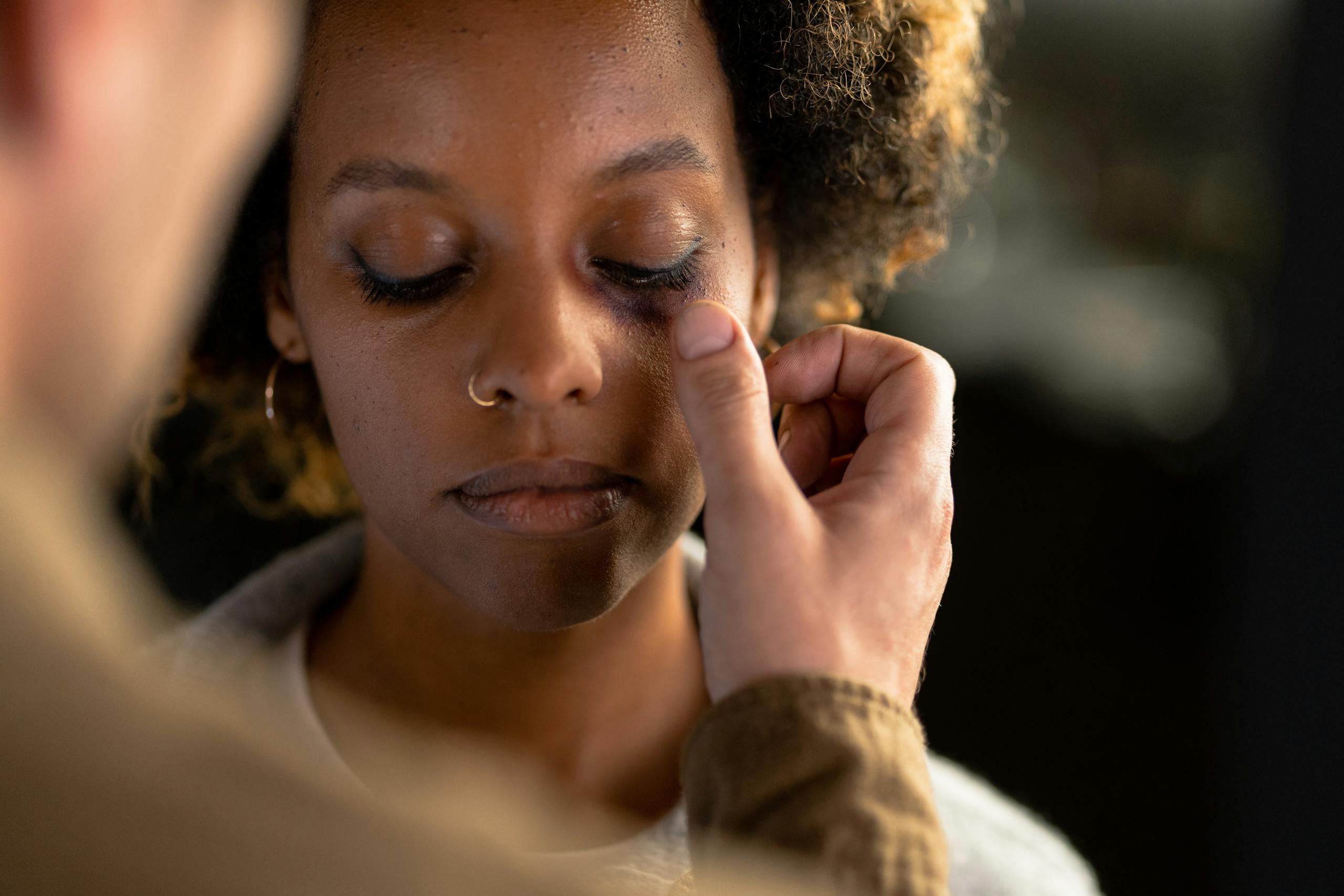
Not all trauma responses look loud. Some look polite. A child who grew up around anger, rejection, addiction, criticism, or emotional chaos may learn to survive by becoming useful, agreeable, quiet, funny, perfect, or easy to manage.
They become the child who asks for little. The child who reads the room. The child who keeps everyone calm. The child who apologizes even when they did nothing wrong.
Then adulthood comes, and people praise them for being “so nice.” But underneath that niceness, resentment can grow.
They say yes when they mean no. They overgive. They overexplain. They avoid conflict. They choose partners who take too much. They keep swallowing anger until it leaks out as passive aggression, bitterness, silent treatment, or sudden emotional withdrawal.
People-pleasing may look kind, but it can become dishonest when it hides the truth. The person may not even know what they want because childhood trained them to focus on what everyone else needed.
Trauma-informed care emphasizes safety, trust, collaboration, and empowerment because recovery often requires restoring a person’s right to set boundaries and have a voice. That approach focuses on safety, trust, and empowerment, which are exactly the things people-pleasers often lose early.
A person cannot build healthy relationships if their main survival skill is to disappear into other people’s needs.
Trauma can make addiction look like a personality problem.
Addiction is often judged as a weakness. Sometimes it is pain management gone wrong. A person who grew up with abuse, neglect, violence, household addiction, instability, or constant fear may reach adulthood with a nervous system that does not know how to relax.
Substances, gambling, porn, food, shopping, work, or social media can become ways to numb what feels too heavy to carry.
That does not make addiction harmless. It can damage families, finances, bodies, children, marriages, jobs, and trust. But understanding the root matters because shame alone rarely heals what trauma helped create.
Adverse childhood experiences are linked with substance misuse later in life, and public health guidance directly connects childhood adversity with substance misuse later in life.
The pattern makes sense. A child survives pain. The adult looks for relief. The relief becomes a habit. The habit becomes a problem. Then society calls the person irresponsible without asking what they were trying to avoid feeling.
Accountability still matters. Recovery still requires responsibility. But if the behavior began as a wound, treating only the behavior may leave the wound untouched.
Trauma can make emotional shutdown look like cruelty.

Some people do not shut down because they do not care. They shut down because caring feels overwhelming.
A hard conversation starts, and suddenly they go blank. Their face changes. Their voice flattens. They stop responding. They stare at the floor, leave the room, change the subject, or act as if nothing happened. To the other person, it feels cold and cruel. To the person shutting down, it may feel like their system is overloaded.
This can come from childhood environments where emotions were unsafe. Crying may have been mocked. Anger may have been punished. Fear may have been ignored. Honesty may have made things worse. So the child learned to leave emotionally before things got dangerous.
Later, that becomes a relationship problem. A partner wants vulnerability. The traumatized adult disappears behind silence. A friend wants an apology. They freeze. A child needs comfort. They feel numb. The behavior hurts people, even when the intention is self-protection.
Trauma can involve emotional numbing, avoidance, and changes in arousal, and early reactions can include numbness and dissociation. Those reactions may have once helped someone survive, but they can break the connection later.
Healing means learning that emotions can be felt without destroying the room.
Trauma can repeat itself through parenting.
This may be the hardest truth. Some adults become the kind of parent they once needed protection from. Not because they wanted to. Not because they woke up and chose harm. But because unhealed patterns can travel through generations disguised as discipline, tradition, toughness, control, or “this is how I was raised.”
A parent who was screamed at may scream. A parent who was ignored may struggle to comfort their child. A parent who was controlled may become controlling. A parent who never felt safe may overprotect.
A parent who was shamed may shame. A parent who never learned emotional regulation may expect a child to manage emotions that the adult still cannot manage. That does not make the behavior acceptable. It makes the cycle visible.
Adverse childhood experiences are linked to long-term outcomes, including mental illness, chronic health problems, and substance misuse, and toxic stress can change brain development and the way the body responds to stress. When adults do not heal, children often inherit the consequences.
This is where the article becomes more than ragebait. It becomes a warning. Bad behavior that came from trauma can still become trauma for someone else. The past may explain the wound, but it cannot be allowed to become an excuse for passing the wound forward.
Why “trauma made me do it” is not enough.
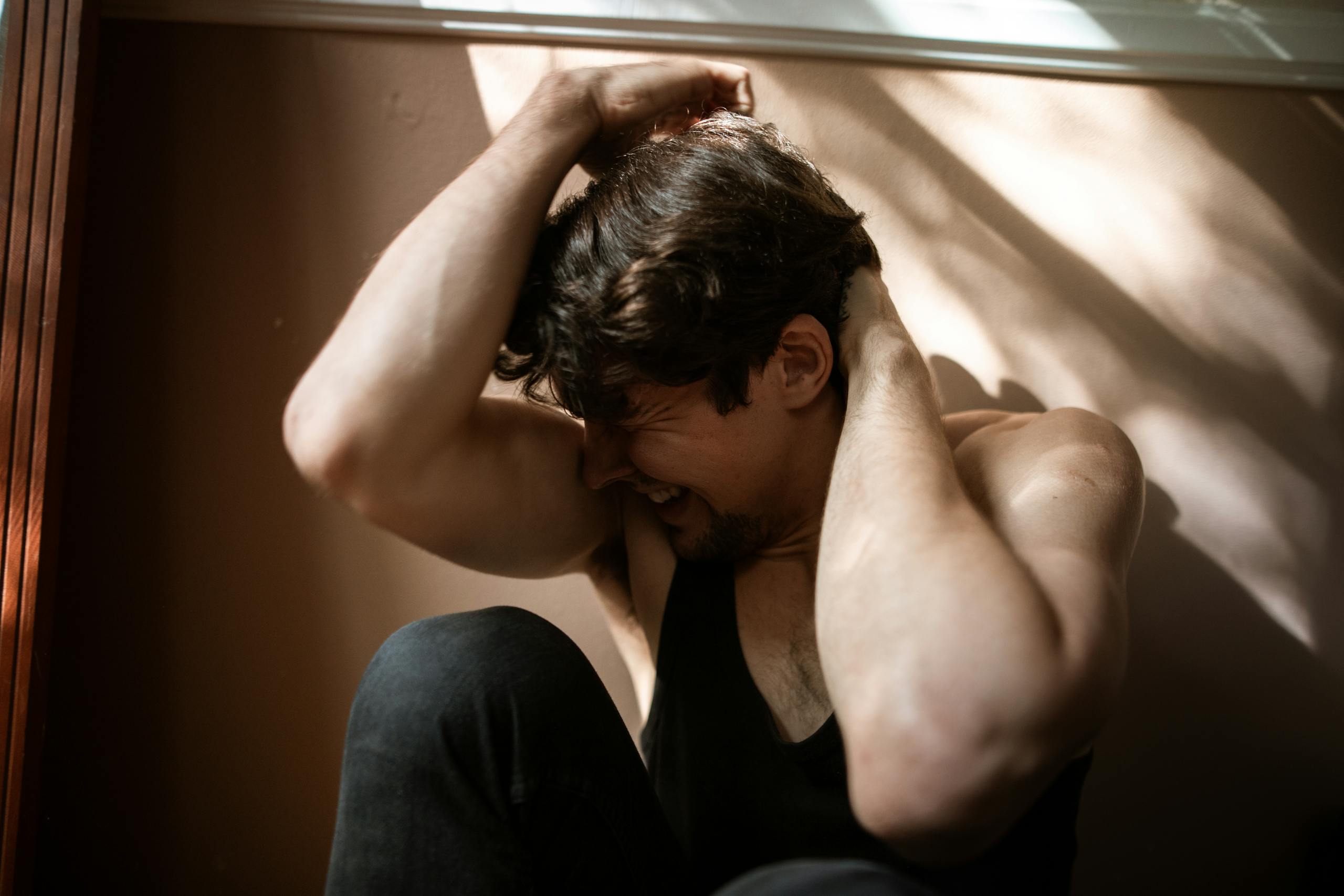
Childhood trauma can explain behavior. It cannot excuse harm forever. That distinction matters because some people use trauma language to avoid accountability.
They say they have triggers, attachment wounds, abandonment issues, or childhood pain, but still refuse to apologize, change, get help, or stop hurting others. That is not healing. That is branding the damage and asking everyone else to live around it.
Real healing requires responsibility. It means learning to pause before exploding. It means telling the truth instead of manipulating. It means apologizing without turning yourself into the victim.
It means getting therapy if needed, learning emotional regulation, facing addiction, repairing relationships where possible, and accepting consequences when harm has been done. Trauma may not be someone’s fault. Their healing is still their responsibility.
The hopeful part is that the story can change. Trauma-informed approaches exist because people are not stuck forever in the survival patterns childhood gave them. Safety, support, therapy, stable relationships, coping skills, and honest accountability can help people build new responses.
Conclusion
Childhood trauma can be responsible for bad behavior in ways people do not always recognize. It can turn anger into armor, trust into danger, criticism into humiliation, impulsive choices into escape, people-pleasing into resentment, addiction into self-medication, emotional shutdown into survival, and parenting into a replay of old wounds.
But explanation is not permission. A painful childhood may explain why someone reacts the way they do. It does not make it okay to keep hurting partners, children, coworkers, friends, or strangers. The goal is not to shame traumatized people. The goal is to stop pretending that the behavior appears out of nowhere.
Many adults are not “just toxic.” They are wounded, unhealed, and still living by rules they learned in homes that did not protect them. That truth should create compassion. It should also create accountability.
Because the most powerful thing a person can do with childhood trauma is not to use it as a permanent defense. It is to become the first person in the family brave enough to stop passing it on.