10 Dangerous “No” Moments That Shook Powerful People and Changed History
History does not always turn on grand speeches or battles. Sometimes it bends when one person refuses to obey, recant, surrender, or stay silent. That single “no” can terrify governments, expose injustice, and spark courage across millions. These ten moments show how refusal can be costly, bold, and world-shaking.
Rosa Parks Refused the Seat Order That Humiliated Millions
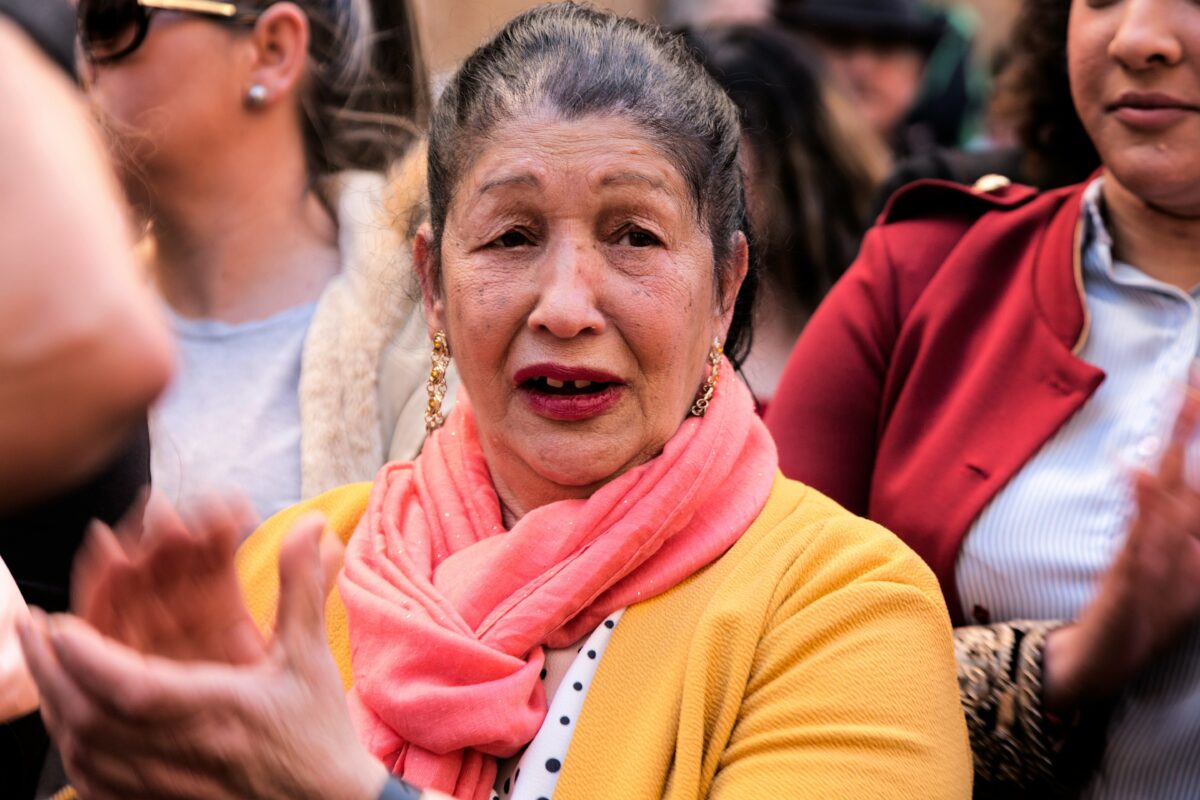
Rosa Parks did not just refuse a bus driver. She refused a system that treated Black Americans like strangers in their own country. Her arrest sparked the Montgomery Bus Boycott, rallying churches, workers, and students into action. That single seat became a battlefield of dignity, showing that quiet defiance can speak louder than any law or police order.
Churchill refused peace talks that could have led Europe to Hitler
In 1940, Britain seemed trapped, and some leaders wanted negotiations with Nazi Germany. Churchill refused the tempting shortcut to surrender. His no kept Britain fighting, bolstered morale, and sent a clear message that conquest would not be politely accepted. Defiance became a strategy, and refusal bought time for resistance across Europe.
Galileo Refused to Let Power Bury What the Sky Revealed
Galileo’s refusal was stubborn yet silent, expressed through numbers and telescopes. Supporting heliocentrism angered religious authorities, leading to punishment and house arrest. He refused to let tradition erase observation, proving facts can outlast fear. His no paved the way for modern science and the idea that truth deserves priority over authority.
Gandhi Refused Colonial Obedience and Made the Empire Look Fragile
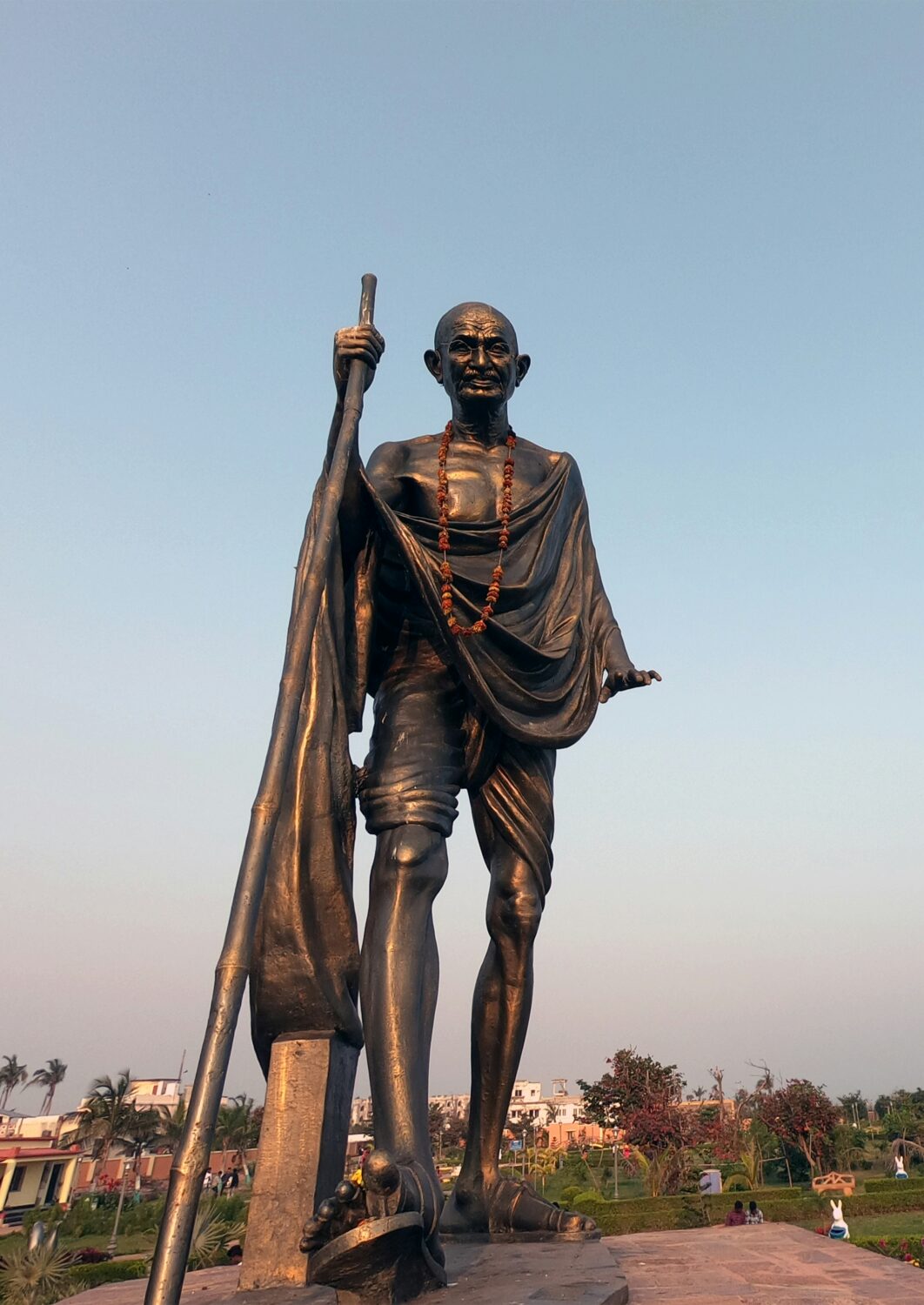
Gandhi turned daily life into a form of resistance by urging Indians to withdraw from colonial institutions. Boycotts, marches, and spinning cloth challenged British power without violence. His refusal made an empire tremble when ordinary people stopped cooperating. One simple word became a rallying cry for millions and reshaped politics entirely.
Muhammad Ali Refused the Draft and Paid With His Prime Years
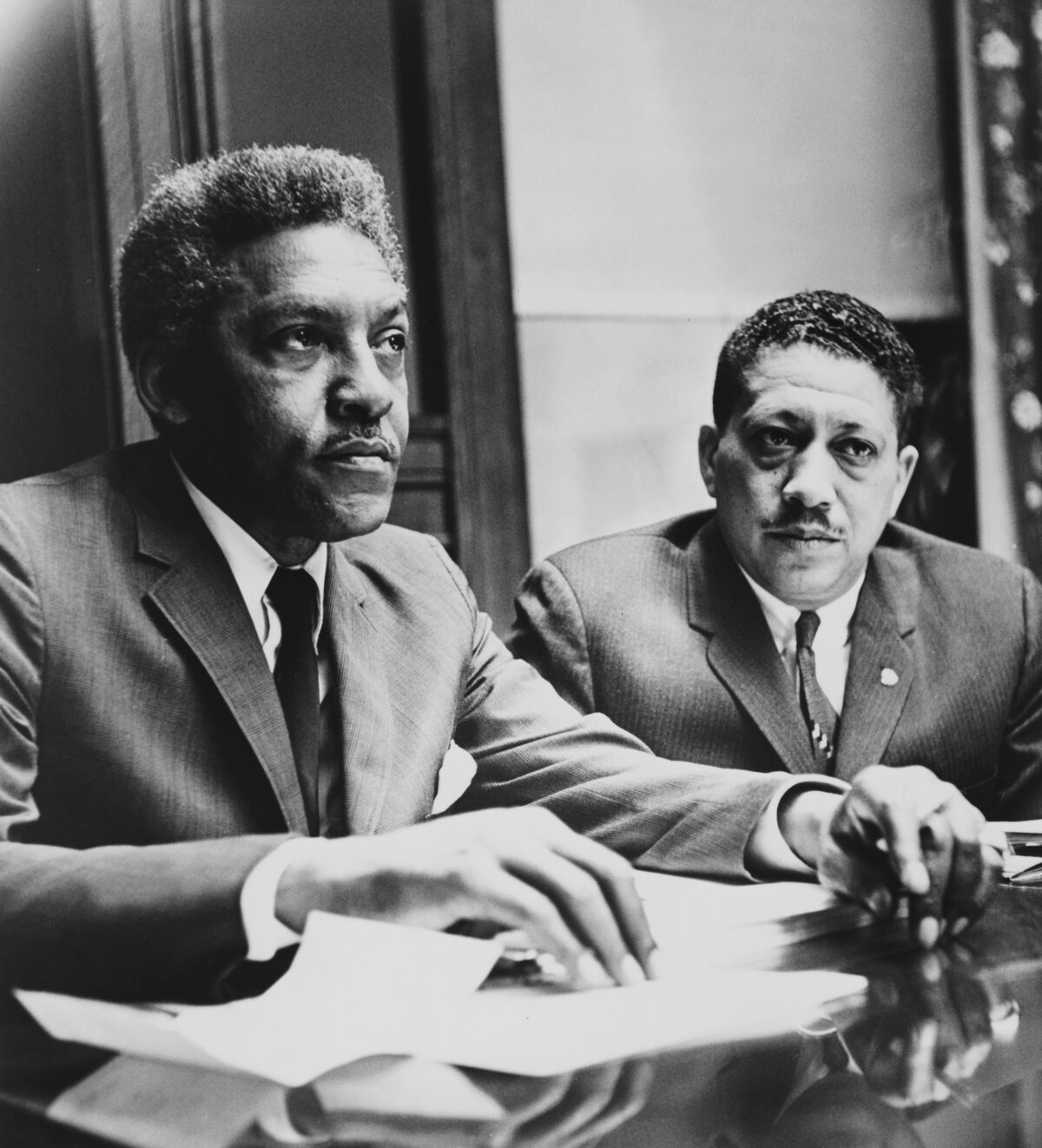
Muhammad Ali risked fame, titles, and fortune by rejecting military induction during the Vietnam War. His no led to legal battles, public backlash, and years away from boxing at the peak of his career. It forced America to confront war, race, and conscience. Courage became tangible because he refused comfort for principle.
Sophie Scholl Refused Nazi Silence and Chose Truth Over Survival
Sophie Scholl could have stayed silent to survive. Instead, she joined the White Rose, distributing anti-Nazi leaflets at grave personal risk. Arrest and execution followed, yet her refusal inspired generations. Even paper and conviction can challenge terror when silence feels safer.
Boris Yeltsin Refused the Soviet Coup and Broke the Spell of Fear
During the 1991 Soviet coup, Yeltsin refused to support the hardliners who were seizing power. Standing publicly against tanks gave citizens and soldiers a symbol of resistance. His no helped collapse the coup and accelerate the Soviet Union’s unraveling. Visibility and courage combined to instantly weaken fear.
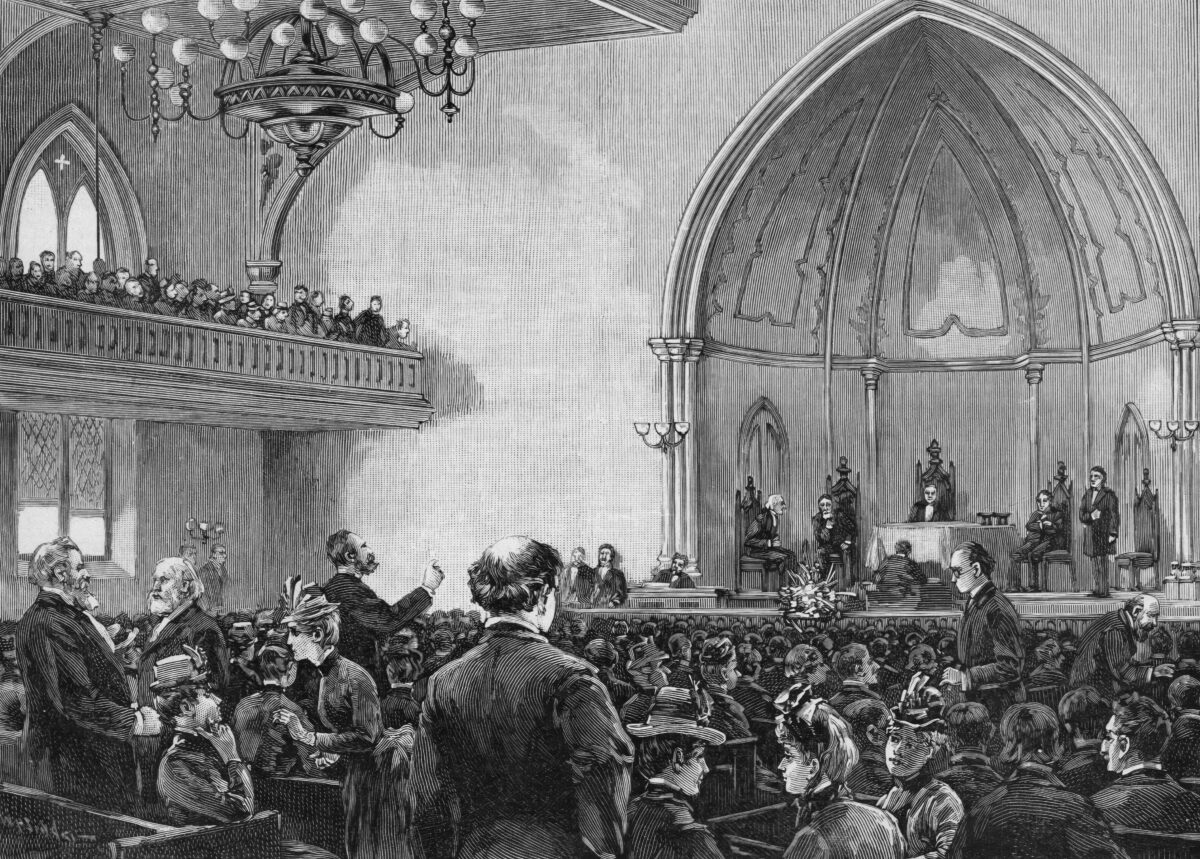
Martin Luther Refused to Recant and Shook the Church’s Iron Grip
Virginia Commonwealth University Libraries/ Unsplash
At the Diet of Worms, Martin Luther refused to retract his criticisms of church practices. He challenged centuries of religious authority and fueled reform across Europe. Words and conviction became tools against immovable power. Europe never viewed faith and obedience the same way again.
Nelson Mandela Refused Conditional Freedom and Protected the Struggle
Mandela could have left prison earlier if he had accepted restrictive conditions. He refused freedom that compromised justice, strengthening the anti-apartheid cause. His not protecting the dignity of the movement proved that principle outweighs convenience. Prison held his body, not his cause.
The Tank Man Refused to Step Aside and Gave Courage a Human Shape
A lone man stood in front of tanks in Tiananmen Square, refusing to yield. He had no army, no protection, yet his body became a symbol of resistance. His silence exposed state power as morally naked. Courage can appear quietly, suddenly, and without permission in the path of violence.
Conclusion
“No” can seem small until the moment demands courage. These ten examples prove refusal can embarrass empires, protect truth, and inspire millions. History remembers those who stood firm when bending would have been safer. One simple refusal can ripple through time, redefining what ordinary people dare to do.