Tesla’s 25% Sales Surge Is a Comeback Signal, But the EV War Is Getting Harder
After two years of slowing momentum, political backlash, tougher competition, and growing doubts about its dominance in electric vehicles, Tesla delivered a number that changed the conversation.
The company posted more than 480,000 global deliveries in the second quarter, up roughly 25% from a little over 384,000 in the same period last year.
That is not a small rebound. It is a loud reminder that Tesla still has demand power, even after a difficult stretch.
Deliveries are widely used as a proxy for Tesla sales, and this quarter’s result came in well above expectations. Deutsche Bank analysts had reportedly forecast around 416,000 deliveries, meaning Tesla cleared that estimate by more than 60,000 vehicles.
For a company under pressure to prove that its growth story is not fading, this was the kind of number that forces investors, rivals, and skeptical buyers to look again.
Europe Appears to Be Driving Tesla’s Rebound
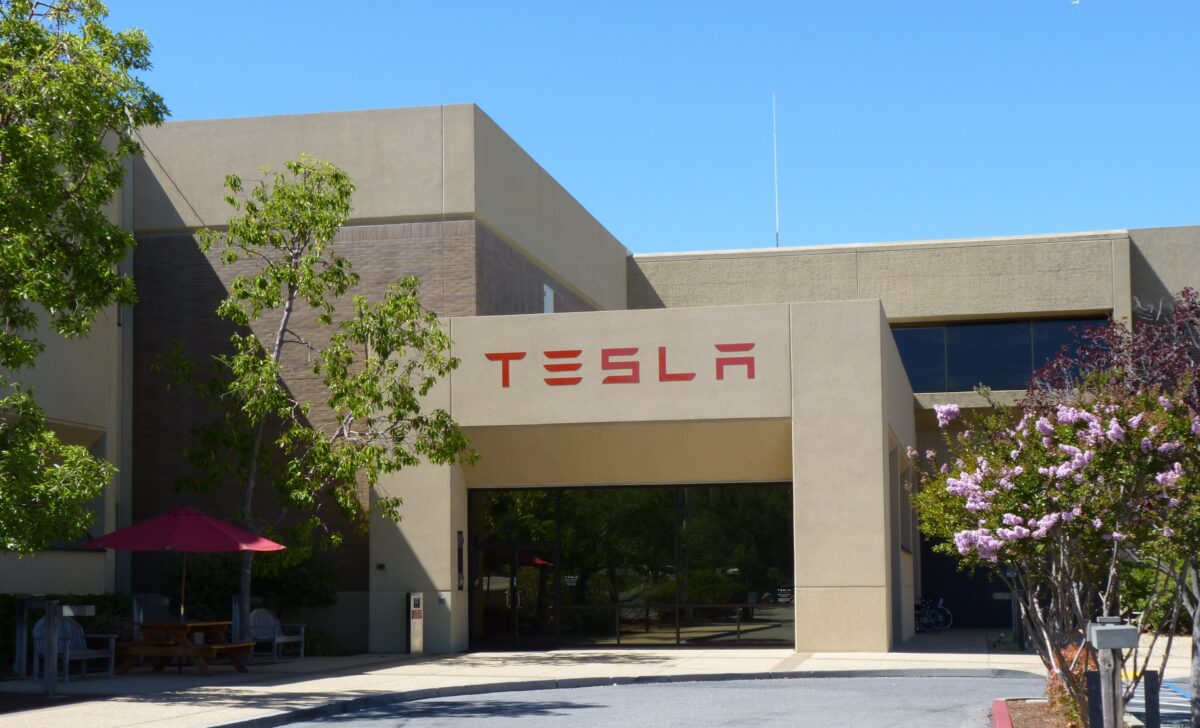
Tesla does not break down deliveries by region, but the strongest public signs point to Europe as a major driver of the rebound.
Data from the European Automobile Manufacturers’ Association showed Tesla sales in Europe rose 77% during the first five months of the year. That is a dramatic turnaround after Tesla’s European sales reportedly fell 38% last year.
That swing matters because Europe had become one of Tesla’s most difficult markets. The brand was not only fighting traditional automakers and fast-growing Chinese EV brands.
It was also dealing with consumer backlash tied to Elon Musk’s politics, especially after his public support for far-right political figures in parts of Europe and his controversial role in President Donald Trump’s administration.
In other words, Tesla was not just trying to sell cars. It was trying to sell cars through a cloud of public frustration.
Now, that cloud appears to be lifting, or at least becoming less powerful than price, fuel costs, incentives, and the practical appeal of electric driving.
Why Tesla’s European Comeback Matters
Europe is one of the most important EV battlegrounds in the world. Governments across the region have pushed consumers toward cleaner vehicles through incentives, regulations, and long-term climate targets.
At the same time, rising pump prices have made electric vehicles more attractive to drivers who are tired of watching fuel costs eat into household budgets.
Tesla benefits directly from that shift.
When gas prices rise, the financial case for an EV becomes clearer. When governments support EV adoption, the upfront cost becomes less painful.
As charging networks improve, range anxiety becomes less of a concern. All of those forces create a better environment for Tesla. But the European comeback is also fragile.
Tesla is no longer the only serious name in the room. It is competing in a market where drivers have more EV choices, more hybrid choices, more Chinese options, and more local European alternatives than ever before.
A strong quarter proves Tesla can still win buyers. It does not prove Tesla can dominate the next phase of the EV market as easily as it dominated the last one.
BYD Is the Rival Tesla Cannot Ignore
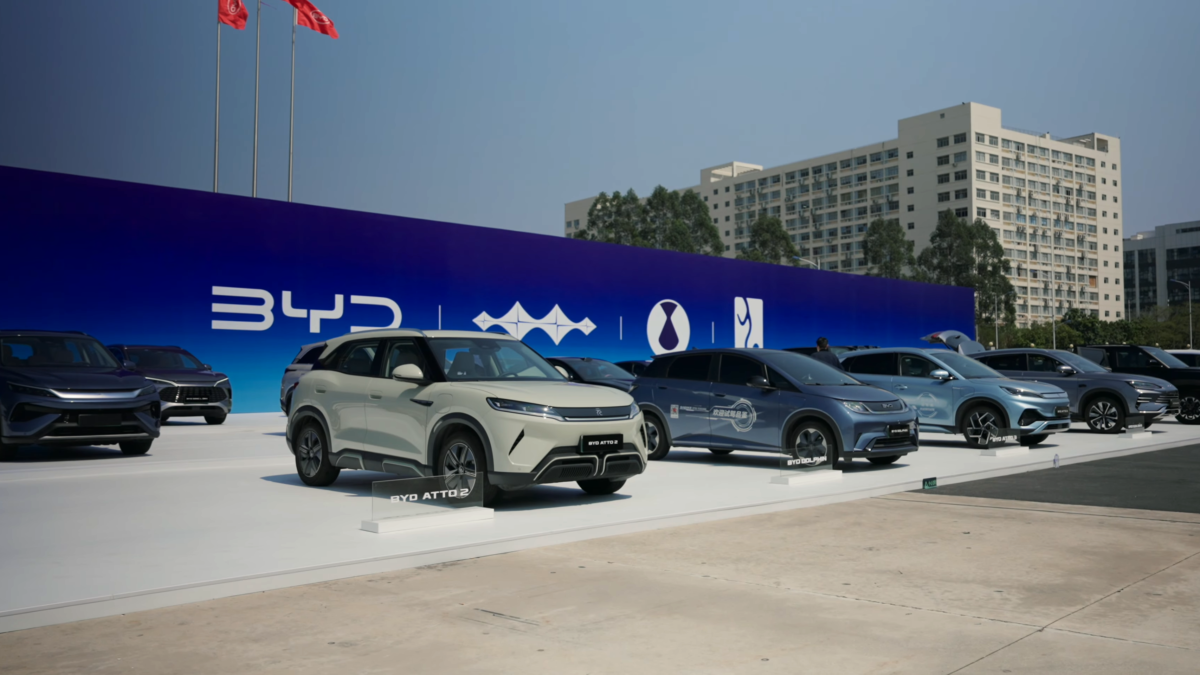
Tesla’s rebound comes with one major warning: BYD is not slowing down.
Chinese EV giant BYD has become one of Tesla’s toughest global competitors. According to ACEA figures cited in the report, BYD’s European sales were up 159% in the January to May period.
Even more importantly, BYD is now reportedly 12% ahead of Tesla in Europe after trailing Tesla’s weakened numbers last year.
That is a serious shift.
BYD is not just another EV maker. It is a price-aggressive, fast-scaling, battery-focused competitor with global ambition. It can attack Tesla on affordability, production volume, and market expansion. It also has an advantage in markets where consumers care less about brand prestige and more about value.
That creates a difficult problem for Tesla. The company can sell on technology, software, charging access, and brand identity, but it cannot ignore price forever.
In a tighter consumer economy, value matters. If BYD keeps expanding across Europe, Tesla may have to fight harder on pricing than it would like.
Tesla’s Core Car Business Still Carries the Dream
Tesla’s long-term story is no longer only about cars. Elon Musk has pushed the company deeper into artificial intelligence, autonomous driving, robotaxis, and humanoid robots.
Those ideas help support Tesla’s massive valuation and keep the company positioned as something bigger than an automaker.
But the second quarter delivery number shows a simpler truth: Tesla’s car business still has to perform.
Robotaxis may become important someday. Full self-driving may become more widely trusted and accepted. Humanoid robots may eventually become a real product. For now, vehicle sales remain the business that pays the bills, funds the future, and keeps investor confidence alive.
That is why this 25% surge in delivery matters so much. It gives Tesla breathing room. It gives Musk more time. It gives the company a better story after two straight years of declining annual sales. Still, breathing room is not the same as victory.
The Robotaxi Bet Still Needs Proof
Tesla has made big promises around autonomous driving. The company debuted robotaxis in a limited number of markets using vehicles equipped with its so-called full self-driving technology. It has also talked up plans for humanoid robots and AI-driven growth.
The challenge is that the rollout has been slower than Tesla once suggested. Robotaxis are not yet a broad mass-market business. The robots are not available for sale. Regulators, safety concerns, consumer trust, and technical execution all remain major hurdles.
That means the EV business cannot afford to weaken too much while Tesla waits for its future bets to mature.
If Tesla keeps delivering strong sales numbers, investors may be more patient with the AI and autonomy story. If car sales stall again, the pressure on those future promises will become much heavier.
Tesla’s Product Lineup Is Also Under Pressure
Another issue is Tesla’s model lineup. The company has leaned heavily on the Model 3 and Model Y, two vehicles that helped define the modern EV era. But the market is changing.
Buyers now have more electric SUVs, sedans, and crossovers, as well as lower-cost options from competing brands.
Tesla has also moved to discontinue production of its two most expensive models, the Model S and Model X, reportedly to free up factory space. That decision makes sense if Tesla wants to focus on higher-volume vehicles and future products, but it also shows how much the company’s current sales engine depends on its mainstream models.
The question is whether Tesla can keep growing with a lineup that feels familiar while rivals keep releasing newer, cheaper, and more varied EVs.
What This Means for the EV Market
Tesla’s 25% sales surge should not be dismissed as a temporary bounce. It is too large for that. The number shows that Tesla still has global appeal, especially when market conditions move in its favor. The bigger story is the maturing EV market.
We are no longer in the early stage when Tesla could dominate simply by being the most recognizable electric vehicle brand.
The market is now more crowded, more political, more price-sensitive, and more global. Buyers are comparing range, cost, design, charging speed, incentives, resale value, and brand behavior. That creates a tougher world for Tesla.
The company can still win, but it now has to defend its position rather than simply expand into open space.
Bottom Line
Tesla’s second-quarter sales surge is a real comeback signal. More than 480,000 deliveries, a 25% jump, and a strong European rebound give the company its best demand story in a long time. This is not a clean victory lap. It is a reset.
Tesla is still facing fierce Chinese competition, especially from BYD. It still has to prove that its U.S. demand can hold up after weaker incentives.
It still depends heavily on a limited vehicle lineup. And it still has to turn its robotaxi, AI, and humanoid robot ambitions into real businesses.
The headline is simple: Tesla is not fading quietly.
The deeper story is more interesting: Tesla is back in the fight, and it’s much harder now.