8 Harsh Downsides of Low-Cost Living That Can Quietly Drain Your Wallet
Cheap living sounds like freedom until the hidden costs start knocking. Lower rent, cheaper land, smaller grocery bills, and quiet streets can look like the perfect escape from the expense of city life. For many Americans, moving to a low-cost area feels like a smart financial reset.
But the disadvantages of a low cost of living can be sneaky. A place can be cheap because wages are lower, jobs are fewer, public services are thinner, and daily life depends on a car. BEA regional price data shows that some states have much lower price levels than the national average, but that does not automatically mean people are financially better off there.
Cheaper Rent Can Come With Smaller Paychecks

The first trap is obvious only after the moving truck leaves. Rent may drop, but your paycheck may drop too. Many low-cost towns pay lower wages because their local economies support fewer high-wage industries.
That means your $900 apartment may not feel so cheap if your income falls by 30 percent. A cheaper place works best when your income stays strong. That is why remote workers with big-city salaries often benefit more than local workers who depend on nearby employers.
The Job Market Can Be Too Small
In expensive cities, people complain about competition. In cheaper towns, they may face the opposite problem. There simply may not be enough good jobs.
Some low-cost areas depend heavily on a single industry, hospital, factory, school district, or major employer. USDA county typology data tracks places with high industry concentration, which shows how local economies can lean heavily on certain sectors.
That can feel stable until the main employer cuts hours, automates roles, relocates, or closes. Then the whole town feels the shock. If you need career growth, job hopping, or a specialized role, a cheaper zip code may narrow your options fast.
Car Dependency Can Eat the Savings
A cheap house loses some charm when every errand requires a drive. Many low-cost areas have limited public transportation, spread-out neighborhoods, and long distances between work, schools, stores, clinics, and entertainment.
Car costs can quietly swallow the money you thought you saved on rent. Gas, insurance, repairs, tires, inspections, registration, and surprise breakdowns do not care that your mortgage is lower. The Bureau of Transportation Statistics found that lower-income households spent about 30 percent of after-tax income on transportation in 2022.
That is the ugly math. A low-cost town can become expensive when a working car becomes non-negotiable.
Health Care May Be Farther Away

People often think about hospitals only after they need one. That can make low-cost areas risky for families, seniors, pregnant women, people with chronic conditions, and anyone who needs specialists.
Rural hospital closures remain a serious issue. USDA data shows that 146 hospitals in rural U.S. counties either closed or stopped providing general short-term inpatient care between 2005 and 2023.
A cheaper home does little to help when the nearest specialist is two hours away. It helps even less when emergency care, mental health services, maternity care, or pediatric care becomes hard to access.
Public Services Can Be Thin
Low taxes sound wonderful until you realize what those taxes were paying for. Libraries, parks, road maintenance, public safety, shelters, social programs, after-school activities, senior services, and local transit all need funding.
Some low-cost areas keep expenses down partly because public investment is limited. That can create a rough daily tradeoff. You may pay less, but you may also get less.
This matters most when life gets messy. A job loss, medical emergency, childcare crisis, disability, or family problem can feel much heavier in a place with fewer support systems.
Internet and Childcare Can Be Harder to Find

Remote work has made small-town living more attractive, but reliable internet is still not guaranteed everywhere. The FCC says its broadband map helps identify unserved and underserved communities that need investment in high-speed infrastructure.
That matters because the internet is no longer a luxury. It powers remote jobs, online school, telehealth, banking, applications, business tools, and daily communication.
Childcare can be another hidden barrier. USDA research found that, in the 2018 to 2022 period, rural areas had fewer private childcare establishments per 1,000 children under age 5 than urban areas.
So yes, the house may be affordable. But if you cannot find childcare or hold a video call without the screen freezing, the bargain starts to look shaky.
Cheap Housing May Hide Lower Quality of Life
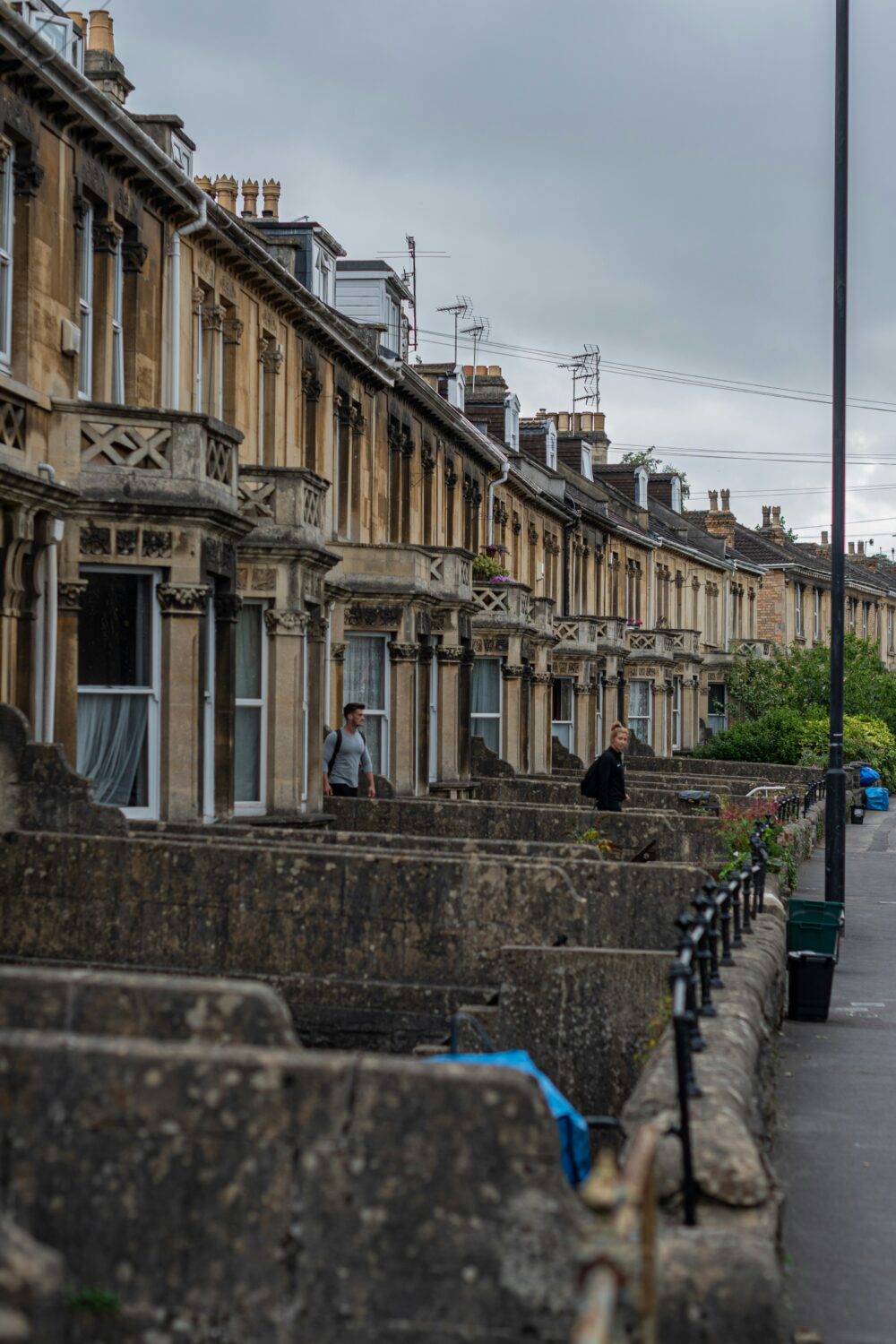
A low-cost town can look beautiful on a real estate listing. Then reality arrives. The rental stock may be old, repairs may be slow, grocery options may be limited, and entertainment may be scarce.
Some people love quiet living. Others feel isolated, bored, or boxed in. That does not make cheap places bad. It just means the lifestyle has to fit the person.
Lower demand often creates lower prices. Sometimes demand is lower because the place has fewer jobs, fewer amenities, fewer restaurants, fewer cultural spaces, weaker schools, or limited access to medical care. Cheap can be peaceful. It can also be lonely.
It Can Become Hard to Leave
This is the part people rarely consider. A low-cost area can become a financial trap if wages are too low to help you save for another move.
Moving is expensive. Deposits, trucks, repairs, job searches, travel, storage, and time off work add up quickly. If your income shrinks after relocating, leaving later can become harder than arriving.
Housing affordability remains a national problem as well. NLIHC’s 2025 Out of Reach report found that a full-time worker needed $33.63 per hour to afford a modest two-bedroom rental home in the U.S.
That means even “cheap” areas may not feel cheap for workers earning local wages. The danger is simple. You may move to a more affordable place, earn less, save less, and lose the flexibility to move again.
Conclusion
A low-cost area can be a smart move, but it should never be judged solely by rent. Real affordability includes income, transportation, health care, childcare, internet, job growth, public services, safety, and the ability to leave if life changes.
The best cheap place is not just the one with the lowest bills. It is the one where your money, career, health, and daily life can still move forward. Before chasing a cheaper zip code, look beyond the rent. The real question is not whether the place costs less. The question is whether living there will cost you more than you expect.