10 Countries That Are Unsafe for Americans Right Now
A U.S. passport can open many doors. It can move through airports, borders, hotels, and business districts with ease. Still, it cannot stop a kidnapping. It cannot calm a civil war. It cannot unlock a prison cell in a hostile country.
That is why some destinations demand more than casual caution. When a country carries a Level 4 warning, Americans face life-threatening risks. Emergency help may also be limited or unavailable. That completely changes the meaning of travel.
These countries are not listed to insult their people, cultures, or histories. Many have beautiful landscapes, deep traditions, and resilient communities. The issue is current safety. For Americans, the risks can include war, terrorism, violent crime, kidnapping, detention, landmines, and weak emergency support.
Afghanistan
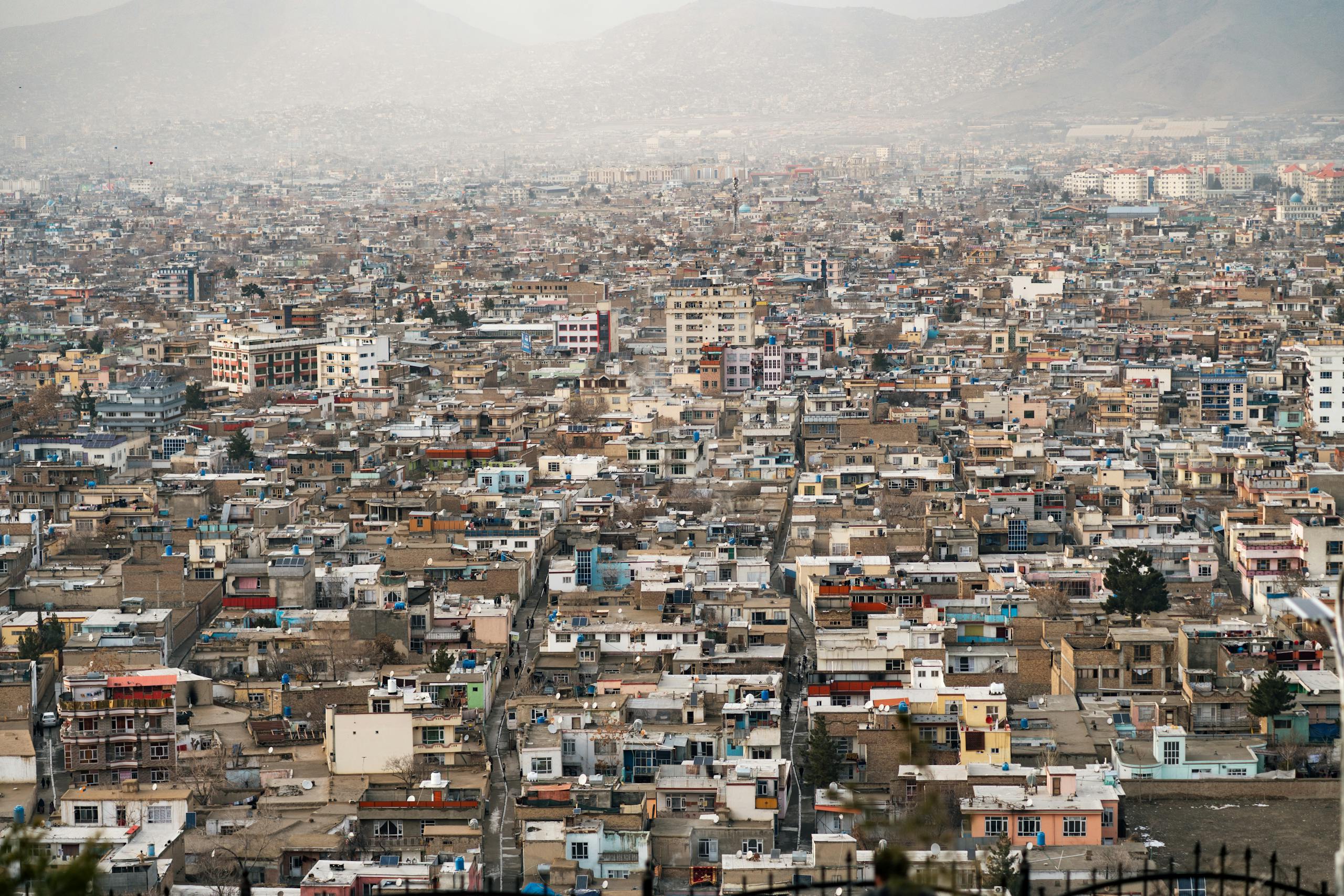
Afghanistan is not a destination where confidence can replace caution. Its Level 4 advisory warns Americans against traveling there. The risks include civil unrest, terrorism, crime, kidnapping, wrongful detention, natural disasters, and limited health facilities.
The danger is not limited to one city or one road. Americans may face wrongful detention risks, especially because foreigners can draw suspicion. Detention conditions can be severe. Medical access can also be limited.
Emergency support is another major concern. The U.S. Embassy in Kabul suspended operations in 2021. That means Americans inside Afghanistan cannot rely on normal consular services. In plain English, help may not come quickly when danger arrives.
Afghanistan is not a bold adventure for American travelers. It is a high-risk environment with little room for error. A missed warning, wrong turn, or sudden arrest can become a life-changing crisis.
Haiti
Haiti sits close to the United States. That closeness can make the risk feel deceptively manageable. It is not. Americans face serious threats because the current travel warning highlights crime, terrorism, kidnapping, unrest, and limited health care.
Kidnapping remains one of the biggest concerns. Americans can be targeted in vehicles, buses, neighborhoods, and on roadways. Gang control can affect movement in key areas. That makes even a short trip risky.
The danger also grows because emergency systems are strained. A blocked road can become a trap. A medical issue can become harder to treat. A routine drive can become a security problem.
For Americans, Haiti is not a casual weekend escape right now. It is a country where a beautiful culture exists beside severe instability. Travelers should not confuse distance from Miami with safety.
Iran
Iran carries a different kind of danger for Americans. The threat is not only street crime or unrest. Its current advisory warns about terrorism, unrest, kidnapping, arbitrary arrest, and wrongful detention.
The detention risk is especially serious. Americans may be arrested on unclear or political grounds. Dual nationals can face even greater danger. Once detained, travelers may have limited access to outside help.
There is also no U.S. embassy in Iran. That makes emergencies much harder to manage. A trip can become a legal nightmare with few simple exits.
Iran is not a place where paperwork alone protects Americans. Local politics, citizenship status, and suspicion can shape the risk. For U.S. travelers, that makes the country especially dangerous.
North Korea
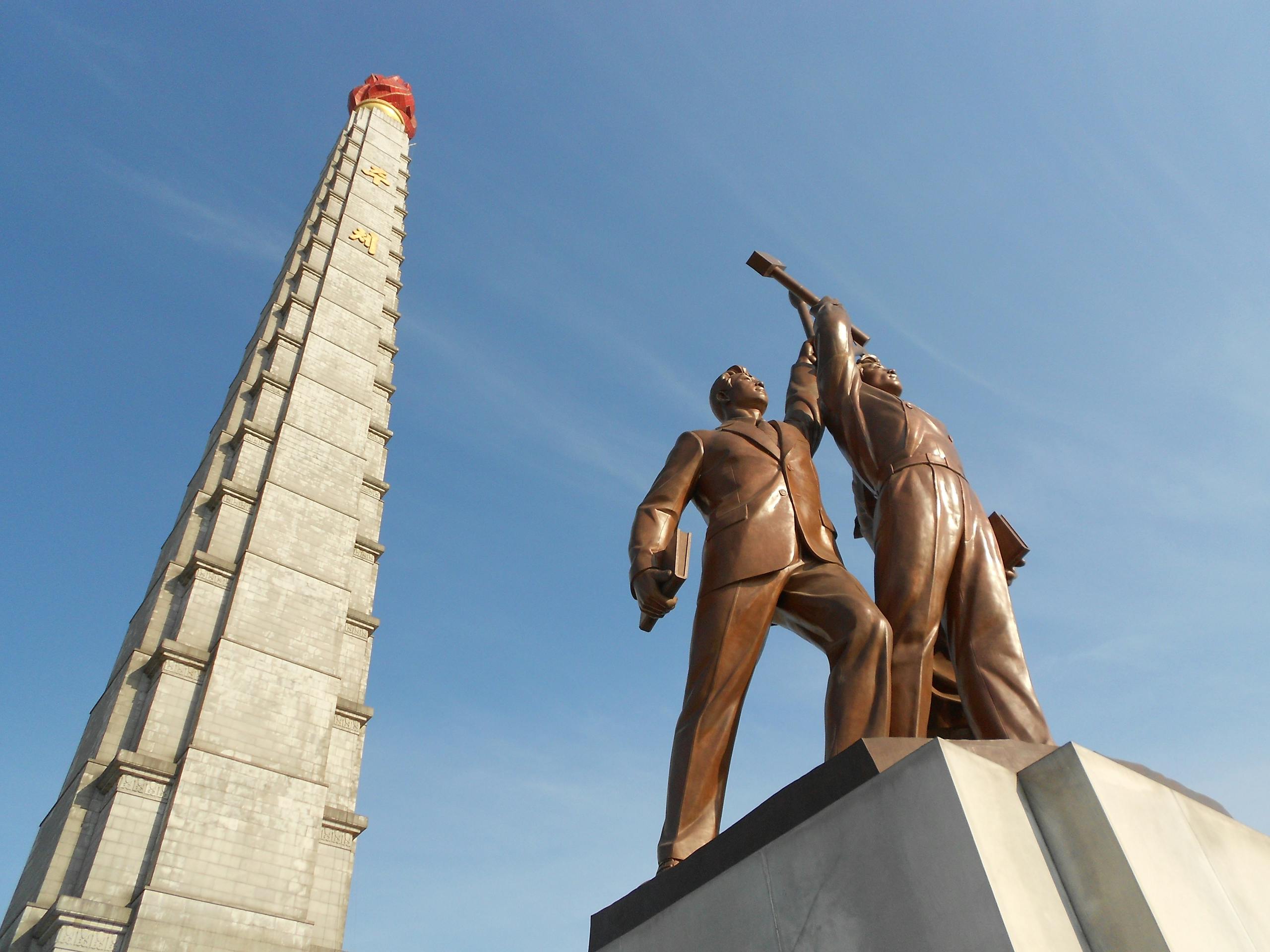
North Korea is not a normal travel destination for U.S. citizens. Regular U.S. passports are not valid there without special passport validation. That rule exists because Americans face serious risks of arrest and long-term detention.
The danger is severe because small mistakes can become major incidents. Local rules are strict and often unclear to outsiders. Actions that seem harmless elsewhere can trigger punishment there.
North Korea also has a harsh record of detaining foreign visitors. Americans cannot assume ordinary tourist behavior will be tolerated. Photography, speech, paperwork, and movement can all carry risk.
This is not a country to treat like an extreme travel badge. The danger is not just physical. It is legal, political, and deeply unpredictable.
Russia
Russia is unsafe for Americans because the risks go beyond ordinary crime. The country’s Level 4 warning cites terrorism, unrest, wrongful detention, and other threats. Americans are urged not to travel there for any reason.
The risk of detention is one of the biggest concerns. Americans may be questioned, threatened, arrested, or held on questionable grounds. Phones and electronic devices may also be searched. Social media activity can create legal trouble.
Emergency help may also be limited. Embassy access to detained Americans is not guaranteed. Credit and debit cards from the United States may not work there. That makes Russia dangerous both legally and practically.
The risk can feel invisible until it is too late. A traveler may arrive for family, business, or curiosity. Then, a political climate can turn a simple visit into a serious problem.
Somalia
Somalia carries a broad mix of threats. Its Level 4 warning lists crime, terrorism, civil unrest, health risks, kidnapping, piracy, and limited consular services. For Americans, those risks leave very little room for error.
The danger is not only theoretical. Violent crime can include kidnapping, murder, and armed robbery. Terrorist groups may target airports, hotels, restaurants, ports, and public spaces. Even movement between areas can become dangerous.
Somalia is especially risky because help can be difficult to reach. Routine consular services are limited. Medical facilities may also lack capacity, supplies, and staff. Emergencies can become harder to solve with every passing hour.
For Americans, Somalia is a place where danger can move faster than rescue. Even experienced travelers can misjudge the situation. Confidence is not a safety plan there.
Sudan
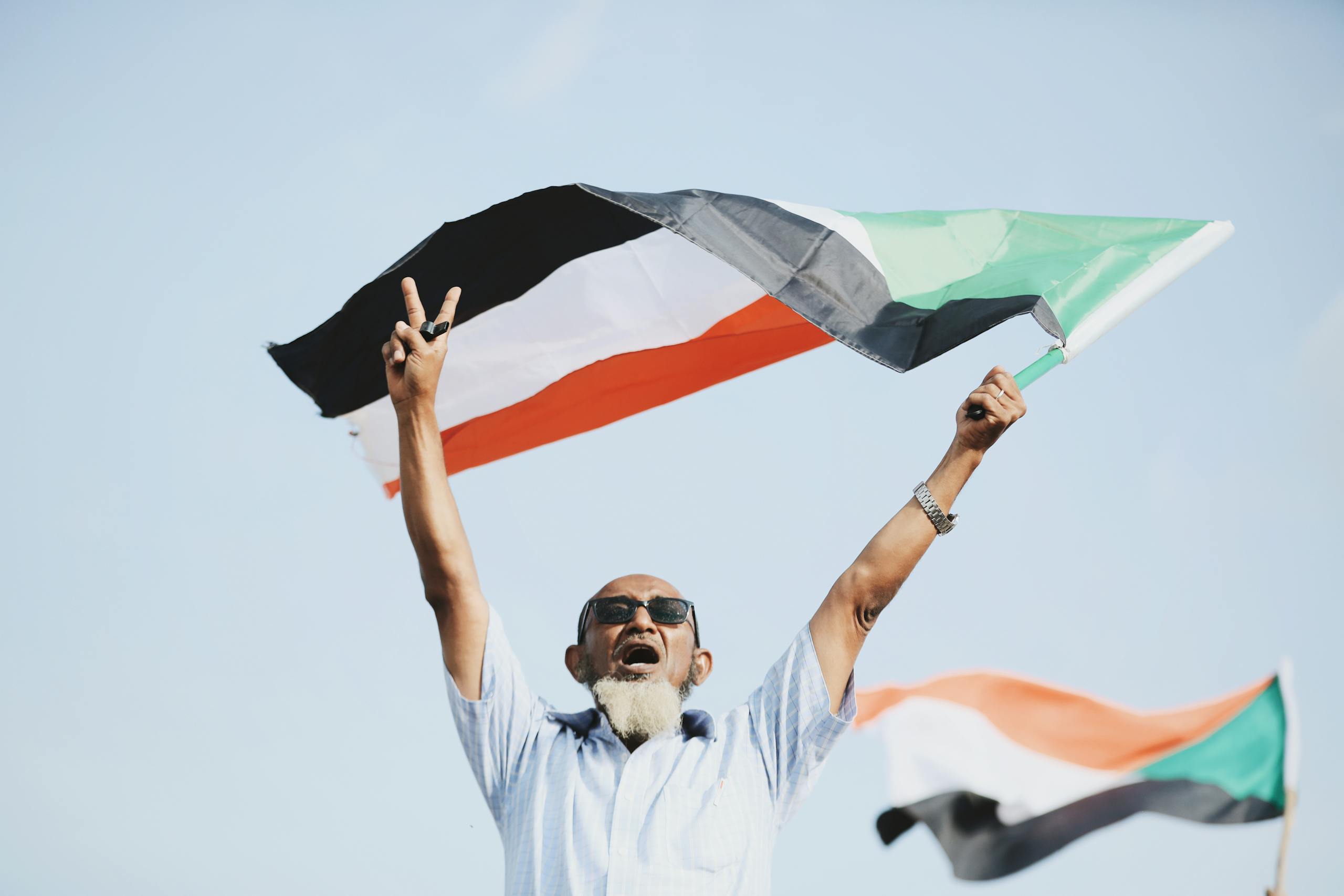
Sudan remains highly dangerous because armed conflict has disrupted daily life. Its Level 4 advisory warns of unrest, crime, kidnapping, terrorism, landmines, and health threats.
The biggest issue is not only violence. It is the lack of dependable support when something goes wrong. Conflict can close roads, airports, hospitals, and government services. Travelers may become trapped with few options.
Americans face extra risk because embassy operations have been disrupted. That means routine emergency support may not be available. In a stable country, an emergency can often be managed. In Sudan, the same emergency can become a dead end.
Sudan is not unsafe because of one headline. It is unsafe because several dangers overlap. Conflict, weak services, health risks, and movement restrictions can all collide at once.
South Sudan
South Sudan remains unsafe for Americans because of violence and weak infrastructure. Its current travel advisory warns of unrest, crime, kidnapping, landmines, and health risks. That combination makes travel unpredictable and dangerous.
Security conditions can change quickly. Armed conflict can erupt with little warning. Roads may be unsafe, especially outside major areas. Even routine movement can become risky.
Health risks also complicate emergencies. Medical facilities can be limited. Evacuation may also be difficult. For Americans, South Sudan is not just remote. It can become isolating when danger appears.
This is the kind of destination where planning can go wrong quickly. A traveler may prepare carefully and still face blocked roads or sudden violence. That is why the safest choice is avoiding the trip.
Syria
Syria remains unsafe because war and instability still shape daily life. Its Level 4 advisory warns of terrorism, unrest, kidnapping, hostage taking, crime, and armed conflict. Americans are told not to travel there for any reason.
The danger reaches far beyond one city. Hostage taking remains a serious threat. Terror attacks, unexploded ordnance, and armed conflict can create sudden danger. Travel conditions can shift without warning.
Emergency support is also extremely limited. The U.S. Embassy in Damascus has been suspended for years. That means Americans cannot rely on normal help inside Syria.
Syria is not a place where confidence replaces caution. Even experienced travelers can misread the danger. The risks are layered, fast-moving, and unforgiving.
Yemen

Yemen remains one of the most dangerous destinations for Americans. Its travel advisory warns of terrorism, unrest, crime, health risks, kidnapping, and landmines. The warning is clear: do not travel there.
The country’s instability makes movement dangerous. Roads can be unsafe. Landmines create hidden risks. Armed conflict can make normal travel impossible. A simple route can become deadly with little warning.
The lack of U.S. embassy services worsens the danger. If something goes wrong, Americans may have no nearby help. That matters when detention, injury, or kidnapping is involved.
Yemen is not a destination where a strong passport can solve a bad situation. The smartest travel decision is staying away. Some journeys are not brave. They are reckless.
Key Takeaway
A U.S. passport is powerful, but it is not a shield against war zones, armed gangs, political detention, terrorism, or collapsed emergency systems. The countries on this list are dangerous because the risks often overlap.
An American traveler could face kidnapping, blocked roads, weak hospitals, landmines, government suspicion, and limited embassy help at the same time.
That is what separates these places from destinations that are simply uncomfortable or difficult. In a safer country, a stolen phone, a missed flight, or a medical emergency can usually be resolved. In these countries, the same problem can spiral into something far more serious.
Beautiful landscapes, cheap flights, and dramatic travel videos cannot cancel active conflict, extremist violence, kidnapping networks, or wrongful detention risks. For Americans, the smartest choice is clear: wait, watch the advisory, choose a safer destination, and come home alive.