Home Maintenance Mistakes That Quietly Drain a Homeowner’s Budget
Home maintenance does not usually collapse a budget in one dramatic moment. It often starts with a drip under the sink, a gutter packed with leaves, a loose shingle, a blinking detector, or a small crack around a window that keeps getting ignored. Then the bill grows. What looked like a Saturday chore becomes a contractor visit, a water damage claim, a mold cleanup, or an emergency replacement at the worst possible time.
A smart maintenance plan protects more than curb appeal. It protects the roof over our heads, the air inside the home, the wiring behind the walls, the foundation under the structure, and the resale value we expect to keep building over time. These are the home maintenance mistakes that cost homeowners the most money, and the practical fixes that keep small problems from turning into expensive repairs.
Ignoring Small Leaks Until They Become Water Damage
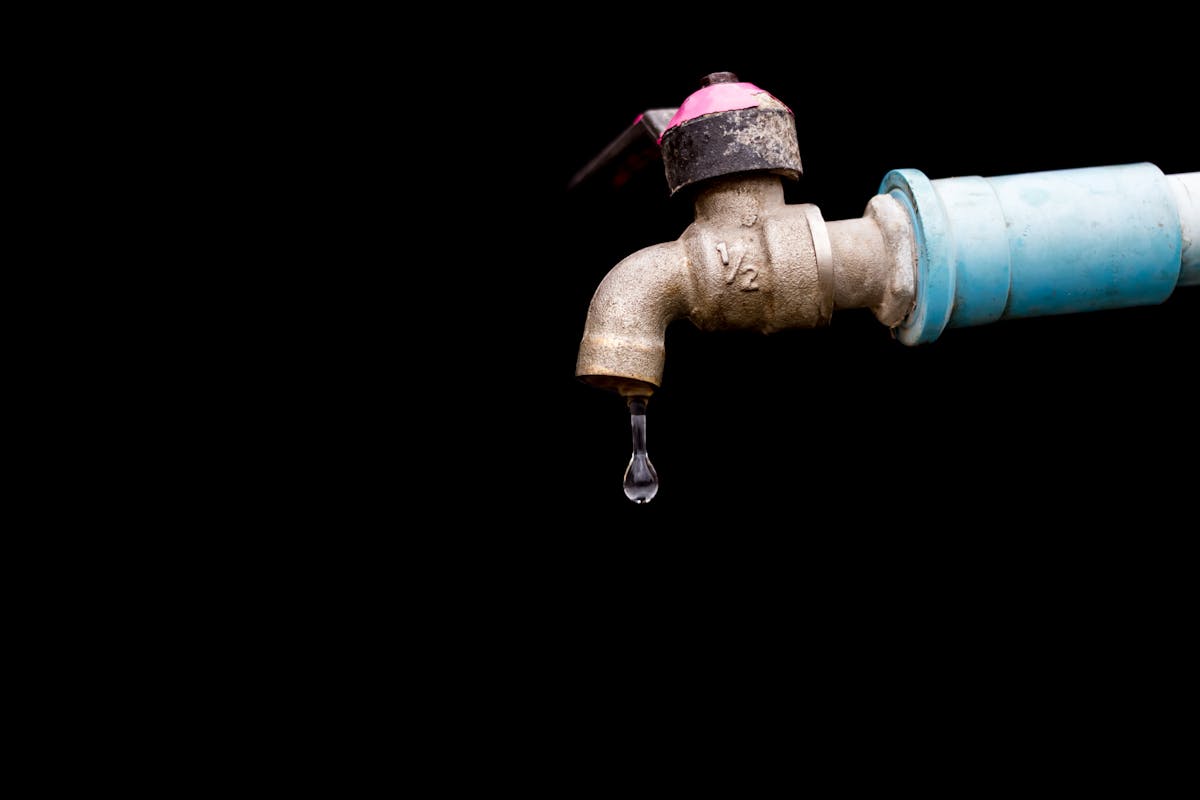
A small leak is one of the most expensive problems to underestimate because water rarely stays where it starts. A slow drip under a vanity can swell cabinet wood, damage flooring, feed mold behind baseboards, and leave stains that spread long before the homeowner notices the full problem. A tiny roof leak can run along rafters, soak insulation, and appear on a ceiling far away from the original entry point.
The real danger is hidden moisture. Walls, subfloors, crawl spaces, and attic cavities can harbor moisture, providing the ideal conditions for mold to grow. The EPA states that moisture control is the key to mold control and recommends drying water-damaged areas and items within 24 to 48 hours to help prevent mold growth.
We should treat any leak as an urgent repair, even when the visible damage looks minor. Check under sinks, around toilets, near water heaters, around washing machine hoses, and below roof penetrations such as chimneys, skylights, and vents. If paint bubbles, flooring warps, drywall softens, or a room starts smelling musty, the home is already warning us that water has gone further than it should.
Letting Gutters and Downspouts Create Foundation Problems
Gutters look simple, but they perform one of the most important jobs on the house. They move roof runoff away from siding, fascia boards, basement walls, crawl spaces, landscaping, and the foundation. Once they clog with leaves, pine needles, seed pods, shingle grit, and mud, water begins to spill over the edges or back up under the roof materials.
That overflow can damage wood trim, stain siding, rot fascia boards, loosen gutters, and push water toward the base of the home. In cold climates, clogged gutters can also contribute to ice buildup, which can stress roof edges. In wet climates, poor drainage can turn the soil around the foundation into a sponge, increasing the risk of seepage, cracks, and basement moisture.
The fix is not glamorous, but it works. Clean gutters at least twice a year, especially after fall leaf drop and before heavy rainy seasons. Make sure downspouts extend several feet away from the home, not straight into flower beds beside the foundation. If water still pools near the walls after a storm, the gutter system may need better extensions, splash blocks, grading, or underground drainage.
Treating HVAC Filters Like Optional Accessories
HVAC neglect is one of the easiest ways to waste money every month. A dirty filter restricts airflow, which forces the system to work harder to heat or cool the home. That strain can increase energy use, reduce comfort, wear down motors, and shorten the life of expensive components.
ENERGY STAR says nearly half of home energy use goes to heating and cooling, so HVAC mistakes can show up directly on utility bills. It recommends checking filters monthly during heavy-use seasons and changing them at least every 3 months, since dirty filters slow airflow and can lead to costly maintenance or early system failure.
We should also schedule yearly HVAC tuneups, especially before peak heating or cooling seasons. A technician can inspect coils, refrigerant levels, blower parts, electrical connections, condensate drains, thermostat performance, and safety controls. Skipping this care may save a service fee today, but it can lead to a failed system during extreme weather, when repair demand is high, and replacement prices feel especially painful.
Skipping Roof Inspections After Storms and Seasonal Changes
A roof does not need a dramatic hole to start costing money. Missing shingles, cracked flashing, lifted edges, loose ridge caps, damaged vent boots, clogged valleys, and worn sealant can all allow water into places where it does not belong. The longer those issues sit, the more likely they are to damage decking, insulation, ceilings, and interior finishes.
Roof problems often start small after wind, hail, heavy rain, or falling branches. Many homeowners only look up after seeing a ceiling stain, which means the leak may have been active for weeks or months. By that point, repairs may include roofing work, drywall replacement, repainting, insulation removal, and mold treatment.
We should inspect the roof from the ground after major storms and at least once or twice a year. Binoculars can help identify missing shingles, sagging gutters, lifted flashing, and debris piles without climbing. Any roof with active leaks, visible sagging, damaged flashing, or recurring moss and algae should be inspected by a qualified professional before the problem spreads.
Leaving Bathroom, Kitchen, and Attic Ventilation to Guesswork
Poor ventilation is a quiet destroyer because it traps moisture where homeowners do not always look. Bathrooms without strong exhaust fans keep humidity on walls, ceilings, mirrors, grout, and trim. Kitchens without proper ventilation hold grease, heat, and moisture. Attics with blocked vents can trap hot, damp air, which weakens roof decking and encourages mold growth.
The EPA notes that ventilation is especially important in bathrooms because it removes unwanted moisture and helps prevent mold and mildew growth. A bathroom fan should do more than make noise; it should actually exhaust enough air out of the home.
We should run bathroom fans during showers and for several minutes afterward. Attic vents should stay clear of insulation, storage boxes, nests, and debris. If windows sweat heavily, rooms feel damp, paint peels, or mold returns after cleaning, the home may have a ventilation problem rather than a cleaning problem.
Brushing Off Pest Warning Signs

Pest problems are cheaper to stop early than to repair late. Termites, carpenter ants, rodents, cockroaches, and other pests can damage wood, insulation, wiring, stored items, and food supplies. The first signs are often subtle, including droppings, shredded paper, greasy wall marks, scratching sounds, hollow-sounding wood, mud tubes, discarded wings, or small piles of sawdust-like material.
The financial damage grows when pests reach structural areas. Rodents can chew through wiring, creating fire hazards. Termites can weaken framing before homeowners see obvious damage. Moisture-loving pests may also point to a second problem, such as a leak, poor drainage, or rotting wood.
We should inspect attics, basements, garages, crawl spaces, pantry corners, exterior wall gaps, and areas around pipes. Seal small entry points, store food properly, keep firewood away from the house, trim vegetation away from siding, and fix moisture problems quickly. If the signs suggest termites, rodents, or a recurring infestation, professional treatment is usually cheaper than waiting.
Buying Cheap Repair Materials That Fail Twice
Low-quality repair materials can turn one repair into two. Cheap caulk cracks sooner, thin paint peels faster, weak sealants fail under moisture, and mismatched fasteners corrode when exposed to weather. A bargain repair can look fine for a few months, then fail when rain, heat, freezing temperatures, or normal movement put stress on it.
This mistake is common when homeowners focus only on the shelf price. The real cost includes time, rework, additional materials, and the damage that occurs after the first repair fails. For example, using the wrong exterior caulk around windows can allow water to enter the trim and wall cavities. Using interior screws or untreated wood outside can lead to rust stains, loose connections, and rot.
We should match materials to the job, the climate, and the surface. Exterior repairs need exterior-rated products. Wet areas need moisture-resistant materials. Electrical, plumbing, roofing, and structural repairs should meet code and manufacturer specifications. The best repair is not always the most expensive one, but it should be the right one.
Forgetting Smoke and Carbon Monoxide Alarms Until They Chirp
Smoke alarms and carbon monoxide detectors are small devices with enormous responsibility. The mistake is treating them as background objects instead of life-safety equipment. A detector with dead batteries, expired sensors, poor placement, dust buildup, or missing units leaves a household exposed during the exact moment when seconds matter.
The U.S. Fire Administration advises homeowners to install smoke alarms in and outside sleeping areas, and on every level of the home. It also recommends testing smoke alarms every month, replacing 9-volt batteries at least once a year, and replacing smoke alarms every 10 years.
Carbon monoxide deserves the same level of seriousness because it cannot be seen or smelled. The CDC reports that more than 400 Americans die each year from unintentional non-fire carbon monoxide poisoning, with more than 100,000 emergency department visits and over 14,000 hospitalizations. It recommends installing battery-operated or battery-backup CO detectors near every sleeping area and servicing fuel-burning appliances yearly.
Overloading Outlets, Power Strips, and Extension Cords
Electrical shortcuts can turn convenience into danger. Too many devices on one outlet, daisy-chained power strips, damaged cords, overloaded extension cords, and major appliances plugged into temporary cords all increase the risk of overheating. A warm outlet, flickering lights, buzzing sounds, burning smells, frequent breaker trips, or discolored wall plates should never be ignored.
The U.S. Fire Administration advises homeowners not to overload outlets or power strips. It also says major appliances such as refrigerators, stoves, washers, and dryers should be plugged directly into wall outlets, since extension cords can overheat and start fires.
We should use extension cords only as temporary solutions, not permanent wiring. High-demand appliances need dedicated, properly rated circuits. If a room constantly needs extra strips or adapters, the home may need additional outlets or an electrical upgrade. Electrical work is one of the clearest places where cheap improvisation can become a costly hazard.
Delaying Exterior Paint, Siding, and Caulk Repairs
Exterior maintenance is the home’s first defense against rain, sun, wind, pests, and temperature swings. Peeling paint, cracked caulk, loose siding, open trim joints, exposed wood, damaged stucco, and gaps around windows may look cosmetic, but they often invite water into the structure. Once moisture gets behind the exterior shell, the repair becomes far more expensive.
Paint and caulk are not just decoration. They seal surfaces, protect wood fibers, block drafts, and prevent water from entering seams. When those barriers fail, the home becomes more vulnerable to rot, mold, swollen trim, insect activity, and insulation damage.
We should walk the exterior every season and after severe weather. Focus on window trim, door frames, siding seams, fascia boards, deck connections, foundation penetrations, vents, and areas where different materials meet. A tube of high-quality caulk and a small paint touch-up can prevent a future carpentry bill.
Ignoring Foundation Drainage and Soil Grading
Foundation problems often begin outside, not inside. When the soil slopes toward the house, rainwater naturally runs to the foundation. When downspouts dump water beside basement walls, pressure builds around the structure. When landscaping traps moisture against siding or foundation walls, small cracks and seepage can gradually worsen.
Warning signs include water pooling near the home, basement dampness, musty smells, efflorescence on concrete, sticking doors, diagonal wall cracks, uneven floors, and gaps around windows. Some of these signs can come from normal settling, but they should not be ignored when they appear together or grow over time.
We should keep soil sloping away from the home, extend downspouts, avoid overwatering foundation plantings, and keep mulch below siding. Homes with recurring basement moisture may need improved drainage, sump pump maintenance, exterior waterproofing, or a professional foundation evaluation. The goal is simple: water should always move away from the house, never toward it.
Forgetting Dryer Vent Cleaning and Appliance Safety
A clogged dryer vent is easy to miss because the dryer may still run. The warning signs show up gradually. Clothes take longer to dry, the laundry room feels hotter, the dryer smells slightly burnt, lint collects around the vent opening, or the outside flap does not open properly. That extra heat and lint buildup can become dangerous.
Appliance maintenance also includes checking hoses, cords, and clearances. Washing machine hoses can crack or burst. Refrigerator coils can accumulate dust, forcing the appliance to work harder. Ovens, ranges, and space heaters need to be kept away from anything that can burn. Loose cords and damaged plugs should be replaced immediately.
We should clean the lint screen after every dryer load and regularly inspect the entire vent line. Long vent runs, crushed ducts, plastic ducts, and poor exterior airflow increase risk. Major appliances should stay plugged directly into wall outlets, not extension cords, and any damaged cord should be handled before the appliance is used again.
Skipping Water Heater Maintenance
Water heaters are often ignored until they leak, make noise, or stop producing hot water. Sediment can settle to the bottom of the tank, reducing efficiency and requiring the unit to work harder. Corrosion can weaken fittings and tank walls. A small drip near the tank can become a sudden flood that damages flooring, walls, stored items, and nearby mechanical systems.
Warning signs include rusty water, popping sounds, fluctuating temperatures, visible corrosion, moisture around the base, and slow recovery after hot water use. Older units deserve extra attention because failure can be sudden and expensive.
We should know the age of the water heater, inspect it regularly, keep the area around it clear, and look for early signs of rust or leakage. Many tanks benefit from periodic flushing, but the right approach depends on the unit, water quality, and manufacturer guidance. Fuel-burning water heaters should also be vented properly to reduce the risk of carbon monoxide.
Treating Complex DIY Repairs as Simple Weekend Projects
DIY work can save money when the project is appropriate. Painting, simple caulking, basic landscaping, filter changes, and minor cosmetic repairs are often manageable for careful homeowners. The problem begins when confidence replaces code, training, permits, or safety judgment.
Electrical work, gas appliance repairs, structural changes, major plumbing modifications, roofing work, and load-bearing wall changes can create serious risks when done incorrectly. A hidden leak behind a wall can cause thousands of dollars in damage. A poor electrical connection can overheat. A roof patch done wrong can fail during the next storm. An unpermitted structural change can create trouble during resale or insurance review.
We should separate “learnable home care” from “licensed trade work.” If a mistake could cause fire, flooding, structural failure, carbon monoxide exposure, or code violations, the job deserves a qualified professional. Saving money matters, but saving safely matters more.
Keeping No Home Maintenance Calendar or Repair Budget

The most common maintenance mistake is not one broken item. It is the absence of a system. Without a calendar, filters go unchanged, gutters fill up, alarms expire, caulk fails, roof damage sits unseen, and small repairs disappear from memory. Without a budget, every repair feels like an emergency.
Home upkeep is especially important as the housing stock ages. Census Bureau data from the 2021 American Housing Survey showed that the median age of owned homes was 41 years, and homes built before 1950 made up about 17% of owned homes. Owners of those older homes spent a median of $1,800 a year on upkeep, which included improvement projects and routine maintenance such as painting, plumbing, roofing, and minor repairs
A Smarter Home Maintenance Checklist
A strong maintenance routine does not need to be complicated. We need a calendar, a repair fund, and a habit of responding early. The best homes are not always the newest or most expensive ones. They are the homes where small warning signs are handled before they become large failures.
Check for leaks monthly. Clean gutters seasonally. Replace HVAC filters on schedule. Test smoke and carbon monoxide alarms. Inspect the roof after storms. Keep exterior caulk and paint in good condition. Watch for pest activity. Keep water moving away from the foundation. Avoid electrical shortcuts. Use quality materials. Call licensed professionals for repairs involving safety, structure, gas, wiring, or major plumbing.
Key Takeaway
Costly home maintenance mistakes usually start as tiny delays. A drip, clog, crack, stain, smell, spark, or chirping alarm may not feel urgent, but those small signs often point to bigger systems that protect the entire house. Acting early gives homeowners more control, more safety, and far lower repair costs.