The “Poor People Foods” Luxury Restaurants Now Charge Wild Prices For
Some of today’s most expensive restaurant dishes began in kitchens where people were simply trying to survive.
Oxtail, beans, grits, cabbage, collard greens, bone marrow, chicken wings, brisket, rice and beans, potatoes, short ribs, and peasant breads were never born as luxury foods. They were practical foods. They were cheap, filling, easy to stretch, and often tied to families who had to make every dollar count.
Now, many of those same foods are being served in upscale restaurants with dramatic menu descriptions, imported toppings, handmade plates, and prices that can make diners laugh before they get angry.
A braised oxtail plate can run from about $38 to $65 in some city restaurants. Bone marrow can appear as a small appetizer for $18 to $30. A baked potato can pass $20 once it is dressed with crème fraîche, trout roe, caviar, bottarga, or some other luxury add-on. Beans, cabbage, grits, and cornmeal dishes are also getting the fine-dining treatment.
This is no longer just a food trend. It has become a bigger conversation about class, culture, memory, inflation, and who gets to profit from foods that poor and working-class communities kept alive for generations.
The Same Foods, A Different Stage

The food has not changed as much as the setting has.
A bowl of beans at home may be seen as a simple dinner. In a luxury restaurant, it can become heirloom beans simmered in house-made stock, finished with smoked pork, imported olive oil, herbs, and served in a ceramic bowl that looks like it came from an art gallery.
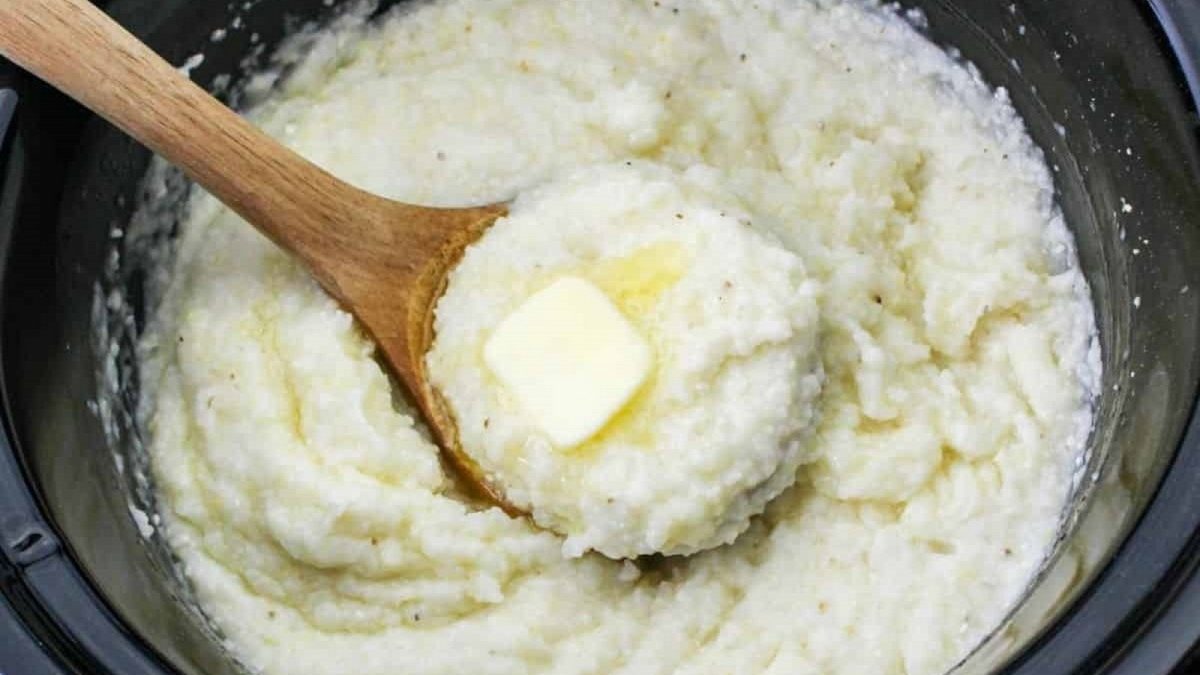
Grits can become stone-ground polenta. Cabbage can become charred cabbage with cultured butter. A potato can become a salt-baked heritage potato with roe and whipped cream. Bone marrow can be served with toasted sourdough and a tiny spoon, suddenly sounding less like a leftover cut and more like a ritual.
Restaurants understand the power of presentation. A humble food can feel expensive once it is plated beautifully, described carefully, and served in a room with low lighting, good music, and a server who explains the dish like a museum guide.
That does not mean the food is fake or bad. Many chefs prepare these dishes with great skill. The issue is the distance between the food’s roots and its new price tag.
For many diners, the question is simple: how did the food that helped poor families survive become too expensive for some of those same families to order?
Restaurants Have Real Costs, Too

The price shock is easy to criticize, but restaurants do have a real economic argument.
A restaurant plate is not priced only by the cost of the main ingredient. The price also covers rent, wages, utilities, equipment, insurance, repairs, credit card fees, waste, service, and the hours of prep needed before the first customer walks in.
The National Restaurant Association reported that total restaurant input costs have risen sharply since before the pandemic. It noted that food and labor were already the two highest costs for a typical independent restaurant before the pandemic, each taking about 33 cents of every sales dollar, while other costs took about 29 cents. That left only about a 5% pre-tax profit margin for a typical restaurant. The group also estimated that major input costs have seen double-digit increases since 2019, led by 35% gains in both food and labor costs.
Labor is especially important in full-service dining. In 2024, salaries and wages, including benefits, took a median of 36.5% of sales among full-service restaurant respondents in a National Restaurant Association analysis. Restaurants that lost money had even higher labor-cost pressure, with wages and benefits taking a median of 42.9% of sales.
That helps explain why a slow-cooked dish can get expensive. Oxtail, for example, takes time. It has to be cleaned, seasoned, browned, braised for hours, cooled, skimmed, reheated, and finished. Good beans can also take hours. Greens need washing, trimming, seasoning, and slow cooking. Handmade dumplings, cornbread, grits, sauces, stocks, and braised meats all require labor.
So the restaurant is not just selling oxtail. It is selling time, labor, service, rent, and atmosphere.
Still, that only explains part of the tension.
The Old Cheap Cuts Are No Longer Cheap
A second factor is supply and demand.
Some ingredients were cheap because many shoppers ignored them. Oxtail, short ribs, pork belly, skirt steak, brisket, bone marrow, and chicken wings all benefited from that old neglect. Families and communities that knew how to cook them got great flavor at lower prices.
Then chefs, food media, influencers, and trendy restaurants pushed those ingredients into the mainstream. Demand rose. Suppliers adjusted. Prices followed.
Oxtail is one of the clearest examples. It was once a budget cut in many markets, especially for families who knew how to braise it properly. As Caribbean, African, Southern, and global comfort foods gained wider attention, oxtail became a star. But there is only so much oxtail on each animal. Once demand rises for a limited cut, the price has nowhere to go but up.
The same pattern has touched wings, brisket, skirt steak, and short ribs. Once restaurants and consumers decide that an overlooked cut is special, the “cheap cut” label disappears fast.
The wider food market adds more pressure. In April 2026, the Bureau of Labor Statistics said food away from home was up 3.6% over the prior year, with full-service meals up 3.8%. The same report said the overall food index rose 3.2% over the year.
The United States Department of Agriculture also expects restaurant food prices to keep rising in 2026, forecasting food-away-from-home prices to increase by 3.5%. It also projected beef and veal prices to rise 12.1% in 2026, partly tied to tight cattle supply and strong demand.
That matters because many luxury versions of humble foods depend on beef cuts, long braises, rich stocks, smoked meats, and premium proteins. The ingredient story is not imaginary. But it still does not erase the cultural argument.
The Real Fight Is About Memory
The deepest frustration is not the price. It is the forgetting.
Many of these foods carry long histories in Black, Southern, Caribbean, immigrant, rural, Indigenous, Mexican American, Appalachian, and working-class kitchens. They were shaped by people who had to cook with what they had, not what they wished they had.
Oxtail was not just a dish. It was patience. Beans were not just cheap protein. They were strategy. Collard greens were not just vegetables. They were Sunday dinner, family labor, and generational knowledge. Cornmeal, grits, cabbage, rice, and peas were not signs of lack. They were proof that people could build comfort from limited choices.
So when a restaurant puts those foods on a menu and acts as if they were newly discovered, diners notice.
The word “elevated” can be especially irritating. To some people, it suggests the dish was low until a fine-dining chef rescued it. That misses the point. The food already had value. It already had flavor. It already had technique. It already had meaning.
A chef can modernize a dish. A restaurant can reinterpret it. But no one should erase the people who carried that food before it became fashionable.
Menu Language Can Raise the Price Before the Food Arrives

Restaurants sell stories as much as meals.
That is why menu language has become so powerful. A potato sounds ordinary. A “salt-baked heritage potato with cultured cream and trout roe” sounds like an experience. Beans sound plain. “Heirloom beans with smoked broth and preserved herbs” sounds like something worth $24. Cornmeal mush sounds cheap. Polenta with braised short ribs sounds like dinner in a serious restaurant.
The words do real work. They create value before the food reaches the table.
This can be a good thing when the menu explains sourcing, technique, and cultural origin. It becomes a problem when the language turns old community foods into luxury theater without giving proper credit.
That is why diners now pay close attention to menu descriptions. People are asking sharper questions. Who created this food tradition? Is the restaurant naming that history? Are people from that culture represented in the kitchen, ownership, or story? Is the dish being honored, or just mined for profit?
Those questions are fair.
The Grocery Store Can Feel the Trend, Too
Restaurant trends do not always stay inside restaurants.
Once an ingredient becomes fashionable, retail demand can rise. Grocery stores, butcher shops, specialty suppliers, and online meat sellers may start pricing it differently. That can hurt families who used those ingredients long before they became trendy.
A food that once helped stretch a household budget can become less accessible after wealthier diners and restaurants discover it. That is the painful irony.
The same thing happened with chicken wings. For years, wings were cheap and overlooked. Then sports bars, restaurant chains, and game-day culture turned them into a national obsession. Brisket followed a similar road through barbecue culture. Pork belly, short ribs, and skirt steak also moved from overlooked cuts to premium ingredients.
This is how food status changes. A dish may start as survival food. Then it becomes comfort food. Then it becomes trendy. Then it becomes expensive.
By the time the market finishes the transformation, the people who made the food famous may be priced out of it.
The Best Restaurants Will Handle This With Honesty
Luxury restaurants do not need to stop serving humble foods. That would miss the point.
A great oxtail dish deserves attention. A beautiful bowl of beans deserves respect. Grits, greens, cabbage, potatoes, and bone marrow can be prepared with as much skill as steak or lobster.
The issue is not the cooking. The issue is the credit.
Restaurants should name the roots of the dish. They should explain the labor behind the price. They should avoid acting as if poor and working-class foods became important only after chefs put them under better lighting. They should hire, promote, and listen to people connected to those food traditions. They should treat cultural memory as part of the meal, not as decoration.
Diners can also be more thoughtful. A high price does not always mean a restaurant is exploiting a dish. Sometimes it reflects rent, labor, sourcing, and real prep work. But a high price paired with lazy storytelling, cultural erasure, or tiny portions will always invite backlash.
The Bigger Lesson Behind the Plate
The rise of luxury “poor people foods” shows how quickly value can change in America.
Food prices are shaped by more than ingredients. They are shaped by scarcity, labor, storytelling, status, nostalgia, and the people with enough money to turn a dish into a trend.
But these foods were never poor in the ways that mattered most.
They were rich in skill. Rich in memory. Rich in patience. Rich in family history. Rich in survival.
Long before oxtail became a $60 entree, someone’s grandmother knew how to make it taste like a celebration. Long before beans became “heirloom,” families knew how to season them into comfort. Long before cabbage became a chef’s canvas, working people knew how to turn it into dinner.
Luxury restaurants can charge what their customers accept. That is the business of dining.
But when restaurants build profit from foods born in struggle, they should tell the full story. The hands that made these dishes meaningful should not disappear once the plate becomes expensive.