10 Rude Hotel Room Habits Housekeepers Quietly Hate
Hotel rooms can make people act like nobody is watching, but someone always has to deal with the aftermath. That someone is usually a housekeeper with a tight schedule, a cart full of supplies, and a long list of rooms to reset before the next tired traveler walks in.
The strange part is that good hotel behavior does not require perfection. You do not have to fold the towels into swans, scrub the sink, or leave the room looking untouched. You only need to avoid turning a temporary stay into someone else’s nightmare. These rude hotel habits may seem small in the moment, but to housekeepers, they can turn an ordinary shift into a sweaty, frustrating mess.
Leaving Trash All Over the Room
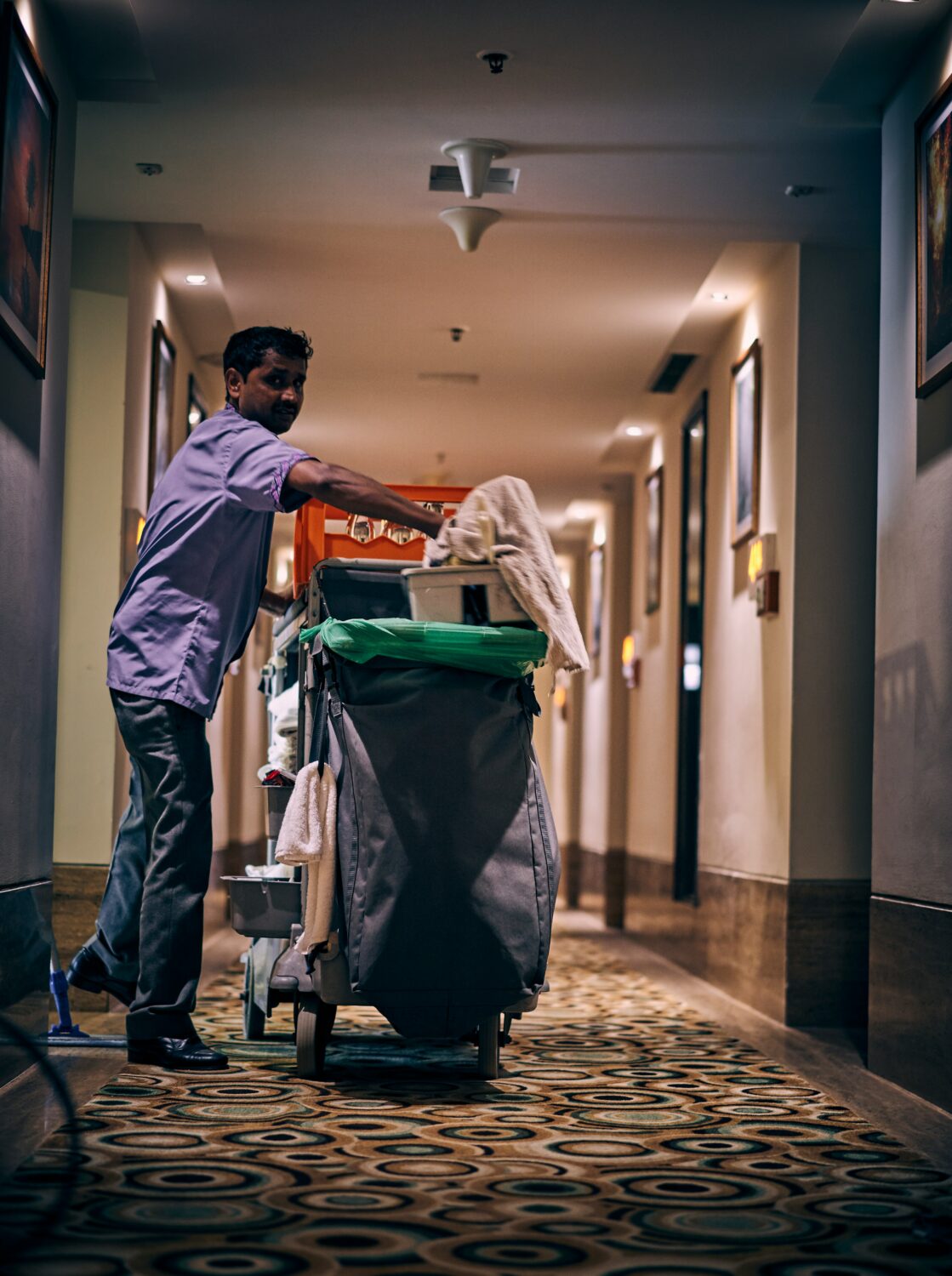
Nothing screams carelessness faster than a hotel room where wrappers, takeout boxes, tissues, bottles, and coffee cups are scattered like confetti. The trash can sits right there, yet some guests treat every surface like a dumping zone. It slows housekeepers down because they must inspect the bed, desk, floor, nightstand, windowsill, and bathroom before they can even begin cleaning.
The worst part is the smell. Leftover food can leak, attract bugs, stain furniture, and make the room unpleasant for the next guest. A simple habit makes a huge difference: gather your trash in one place before you check out. It does not make you a cleaner. It makes you a decent guest.
Misusing the Do Not Disturb Sign
The Do Not Disturb sign is helpful, but some guests use it like a magic button. They hang it on the door all day, then get angry when no one cleans the room. Others remove it late in the evening and expect instant service, even though housekeeping may have already finished the floor.
Hotels run on schedules. Housekeepers cannot teleport back into service mode because a guest suddenly changed their mind. If you need fresh towels or cleaning, request it early. That small bit of planning saves everyone from unnecessary frustration.
Asking for Cleaning While You Stay in the Room
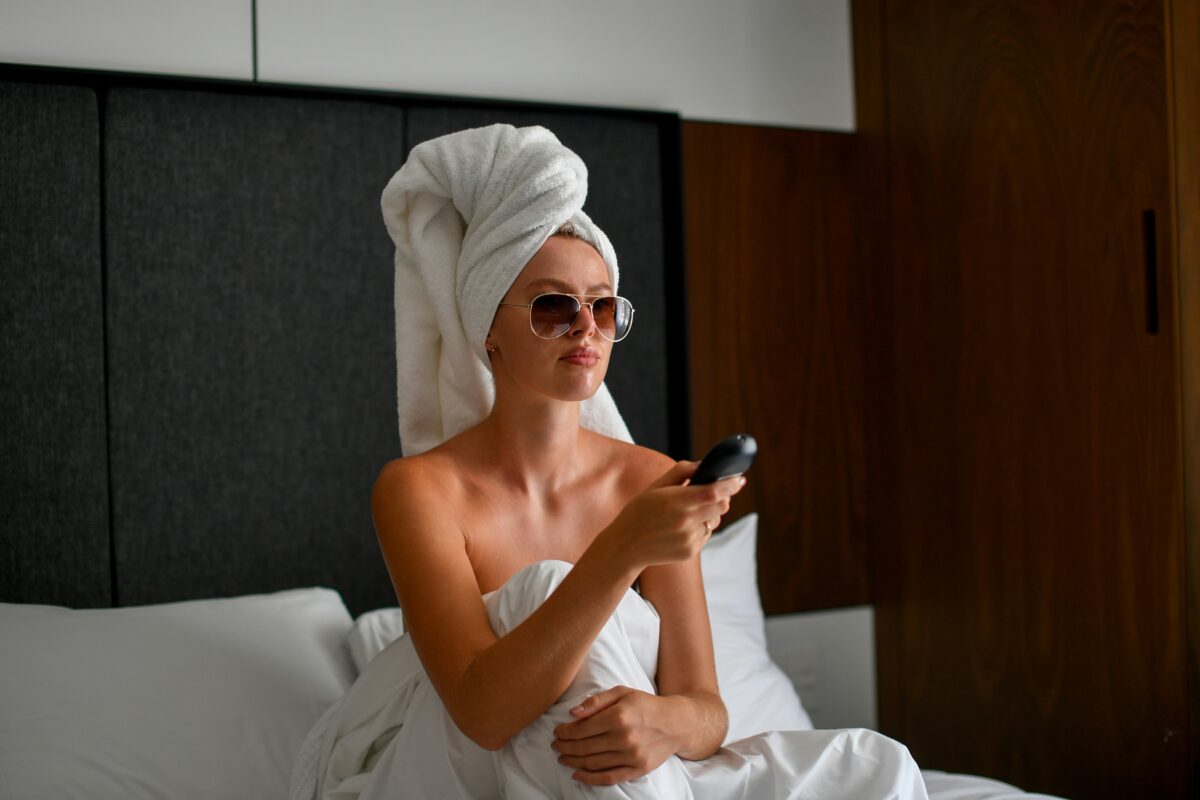
Housekeepers do not enjoy cleaning around someone who is lying in bed, watching TV, taking work calls, or silently judging every move. It creates an awkward little theater where one person works hard and the other pretends not to stare. Even worse, it can make the cleaner feel rushed, uncomfortable, or unable to do the job properly.
If you want service, step out for breakfast, take a walk, or wait in the lobby for a few minutes. The room gets cleaned faster, and the housekeeper can move freely without having to navigate your laptop cords, luggage, or a half-asleep body. Privacy works both ways in a hotel. You deserve yours, and workers deserve enough space to do their job with dignity.
Turning Towels Into Makeup Wipes and Napkins
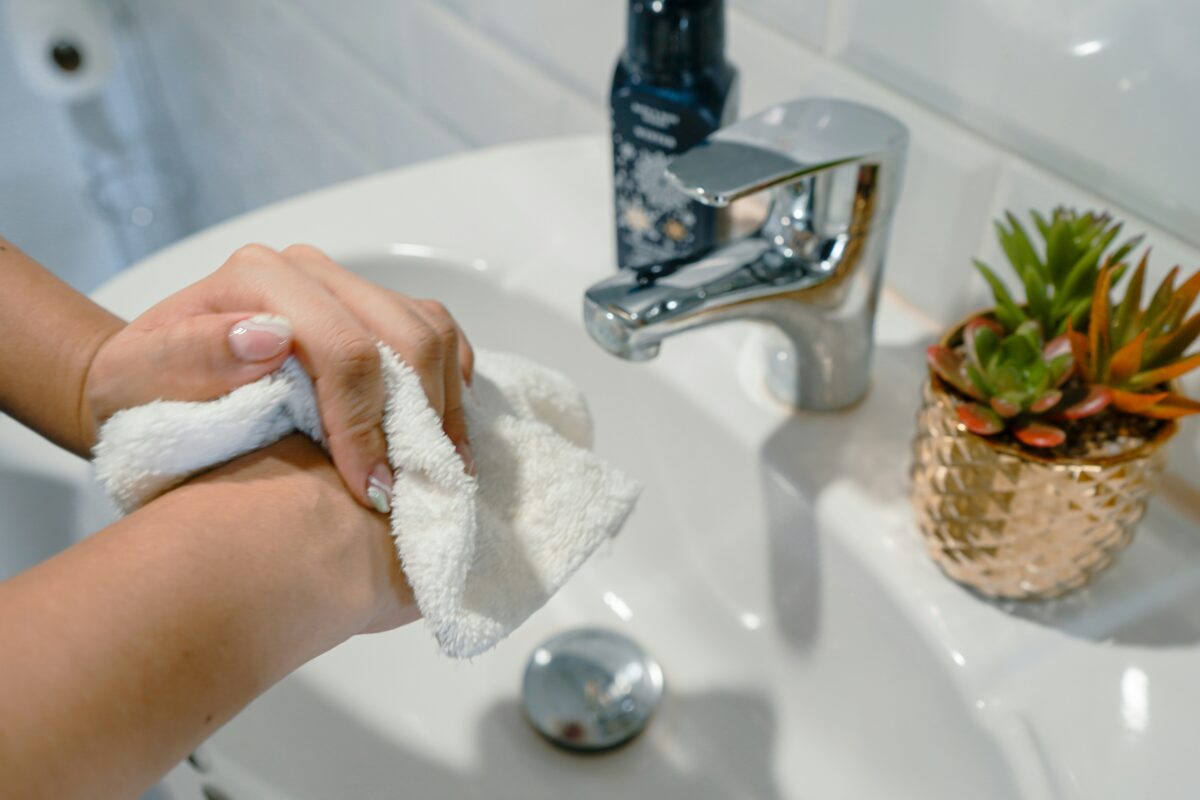
Hotel towels are not built for barbecue sauce, hair dye, shoe polish, or a full face of foundation. Yet housekeepers often find white towels stained with makeup, grease, spilled drinks, and mystery smudges that should have been wiped with a napkin instead. Those stains are not just ugly. They create extra laundry and can completely ruin linens.
Most hotels provide tissues, paper cups, or extra napkins if you ask. Use them. If you spill something, blot it quickly and let the front desk know. Treating every towel like a disposable rag may feel harmless, but someone has to fight that stain later.
Dyeing Hair in the Bathroom
A hotel bathroom is not the place to reinvent your entire look with permanent dye. Hair color can stain towels, sinks, tubs, grout, counters, walls, and even wallpaper. Once it sets, a quick wipe will not fix it.
This kind of mess is especially painful because it can lead to deep cleaning, repair costs, or permanent damage. If you must dye your hair while traveling, protect surfaces carefully and clean up immediately. Better yet, wait until you are somewhere designed for that kind of chaos. A hotel bathroom should not look like a crime scene from a beauty salon.
Leaving Dirty Bathwater in the Tub
Few things are more unpleasant than walking into a bathroom and finding a tub full of cold, murky water. It forces housekeepers to reach into dirty water just to pull the drain stopper. That is not glamorous work, and it is not necessary.
If you take a bath, drain the tub before you leave. Rinse away visible residue if you can. Nobody expects you to scrub the porcelain, but leaving used bathwater behind crosses a line. It turns a private, relaxing moment into a gross surprise for someone else.
Shaving Hair Everywhere
Tiny hairs are sneaky. Beard trimmings stick to sinks, counters, faucets, towels, floors, and shower walls. Body hair can cling to wet surfaces and hide in corners, forcing the housekeeper to clean the same area repeatedly.
A quick rinse after shaving helps more than guests realize. Wipe the sink, rinse the tub, and use a tissue to gather visible hair from the counter. It takes less than a minute, but it can save a housekeeper several rounds of cleaning. The bathroom should not look like a barber shop exploded.
Letting Kids Destroy the Room
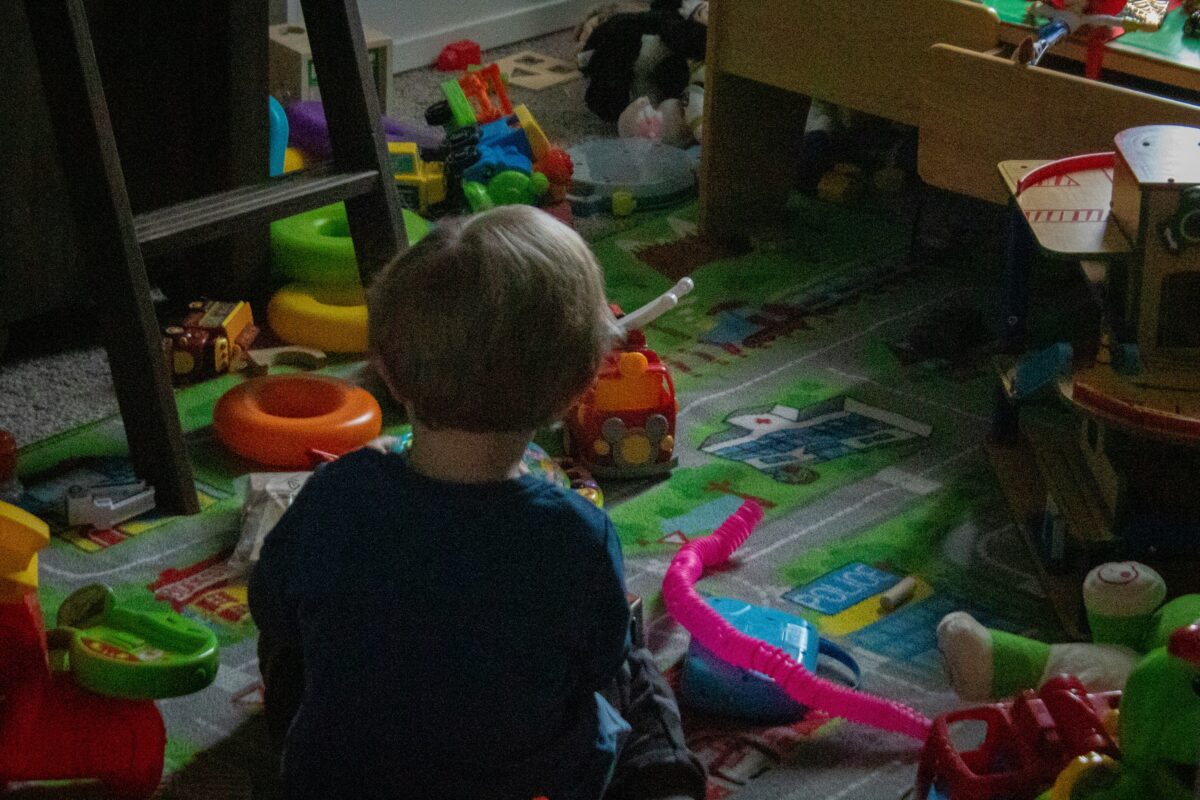
Traveling with children can be messy, and housekeepers know that. What frustrates them is when parents let the room become a disaster zone and walk away like the mess is part of the nightly rate. Cake on the walls, crushed snacks in the carpets, stickers on the furniture, toys under the beds, and spilled drinks on the sheets create serious cleanup problems.
Parents do not need to leave the room spotless. They simply need to contain the damage. Use trash bags, wipe obvious spills, gather toys, and keep food away from beds when possible. Kids may be unpredictable, but adults can still set boundaries before checkout morning becomes a full-scale cleanup operation.
Taking Supplies From the Housekeeping Cart
The housekeeping cart may look like a rolling treasure chest, but it is not self-service. Guests sometimes grab towels, toilet paper, soap, coffee packets, or cleaning items without asking. That can leave the housekeeper short on supplies for other rooms and create confusion during the shift.
Need extra towels? Ask. Need more soap? Call the front desk. Staff usually want to help, but taking things from the cart can feel rude and disruptive. The cart is part of someone’s work setup, not a hotel buffet.
Leaving No Tip After a Huge Mess
Tipping housekeeping is not always mandatory, but leaving a room in disarray without acknowledgment feels especially harsh. The American Hotel and Lodging Association suggests leaving housekeeping staff between $1 and $5 per day, and many travel etiquette guides recommend tipping daily so the right cleaner receives it.
A tip does not excuse bad behavior, but it can show respect for extra work. Leave cash where it is clearly visible and, if possible, mark it for housekeeping. If your stay created more mess than usual, tip accordingly. It is a small gesture, but for the person resetting your room, it can mean a lot.
Conclusion
Good hotel room etiquette is not about acting fancy. It is about remembering that comfort does not appear by magic. Every fresh towel, clean sink, made bed, and empty trash can comes from someone’s physical labor.
The best guests make that work easier, not harder. They use the trash can, respect cleaning schedules, avoid staining linens, control bathroom messes, and tip when they can. A hotel stay may be temporary for you, but the mess you leave behind becomes part of someone else’s workday. That is why the most respectful thing you can do before checkout is simple: look around the room and ask yourself whether you would want to clean it.