10 Ways the First Museum Proved History Can Be a Weapon, Not a Lesson
Before glass display cases, velvet ropes, or ticket lines, a small room in ancient Ur tried to do what modern museums do today: preserve history. But this first museum was less about public education and more about power, pride, and desperation. The story of Ennigaldi-Nanna’s collection is a lesson in how empires cling to the past as their present crumbles. Here’s why the earliest museum is more unsettling than inspiring.
A Princess Turned History Into a Political Tool
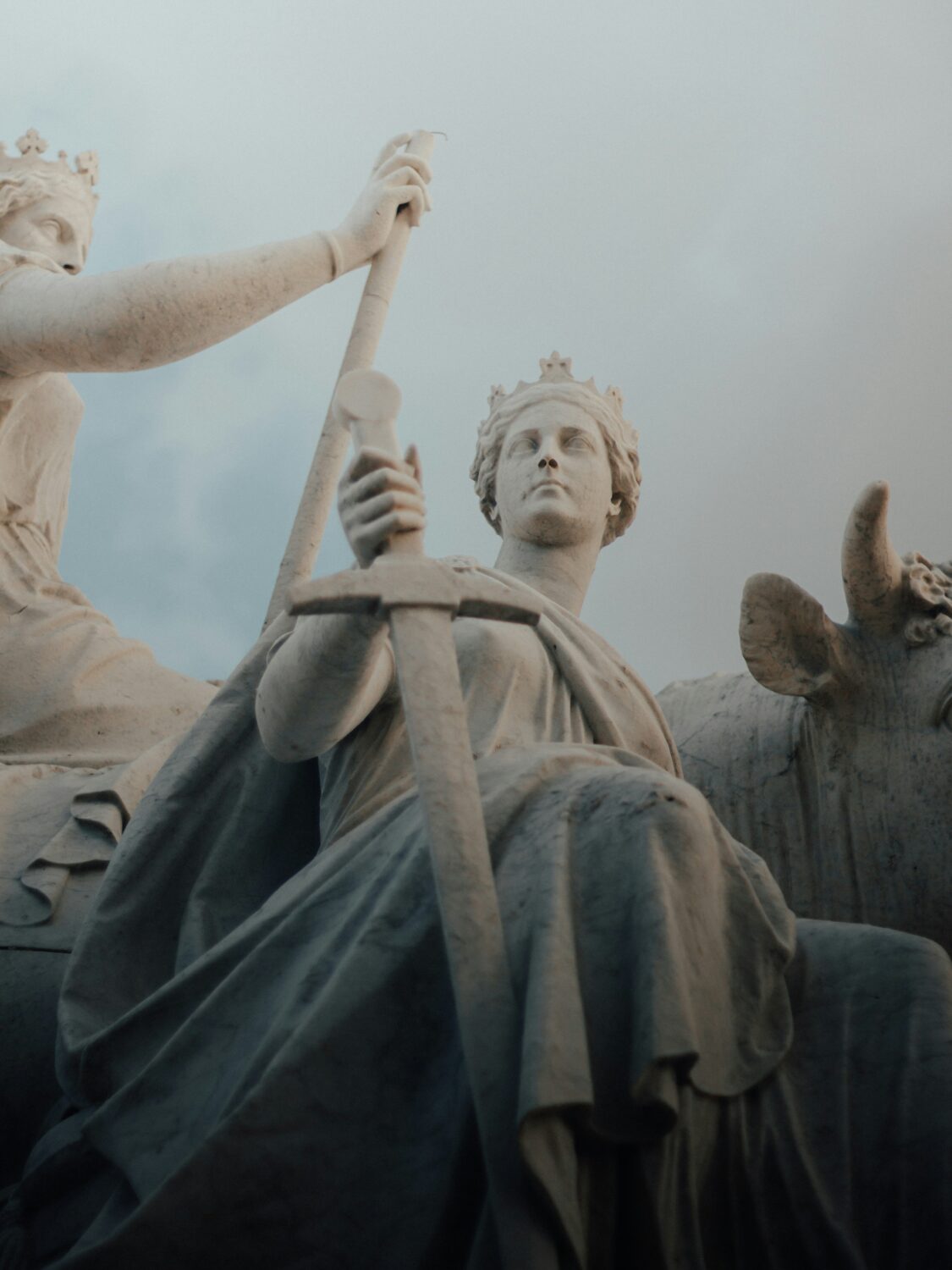
Ennigaldi-Nanna, a Babylonian princess, curated artifacts to strengthen her family’s claim to power. These objects weren’t just old, they were evidence that her dynasty belonged in the unbroken chain of kings and temples. By labeling and arranging these items, she used the past to legitimize a fragile present, showing that history has always been weaponized for authority.
The Museum Was a Temple of Power, Not Learning
Unlike modern museums, this collection was tied to a sacred temple and royal quarters. Visitors weren’t casual tourists but participants in a controlled display of power. The artifacts reinforced divine and royal authority, blurring lines between faith, governance, and historical narrative. Education was secondary; influence was the goal.
Labels Made the Collection Shockingly Modern
Clay cylinders found in the ruins suggest Ennigaldi-Nanna labeled artifacts, explaining their origins. These labels transformed silent objects into curated stories. The act of labeling is a subtle form of control; it decides which past to remember and which to obscure. Even 2,500 years ago, the museum deliberately shaped its interpretation.
Nabonidus Used History to Shield His Fading Rule
Her father, Nabonidus, the last king of Babylon, faced growing dissent and declining power. The museum’s artifacts were part of a narrative strategy that showed continuity, divine favor, and historical legitimacy. Collecting relics wasn’t nostalgia; it was a desperate attempt to stabilize an empire on the verge of collapse.
Objects Spanned Centuries to Assert Continuity
The artifacts in Ennigaldi-Nanna’s collection dated back over 1,500 years. A mace head, boundary stones, and ancient statues were chosen not for aesthetics but to signal unbroken cultural authority. Displaying centuries-old objects sent a clear message: Babylon’s dynasty and its legacy were eternal, even as political reality said otherwise.
The Museum’s Power Was Symbolic, Not Practical
The museum never had the widespread reach of modern institutions. Its influence was confined to the elite and priestly circles. Yet its symbolism mattered more than attendance. By controlling who saw these relics, the rulers could manipulate perception, proving that a museum’s strength lies as much in optics as in scholarship.
Preservation Failed Against Time and Conquest
Despite careful curation, the museum was doomed. Babylon fell to the Persians under Cyrus in 539 BCE, and most artifacts were lost to neglect, plunder, and natural decay. This failure highlights a harsh reality: even the most deliberate historical preservation cannot protect against societal collapse or foreign conquest.
Museums Have Always Carried Political Weight
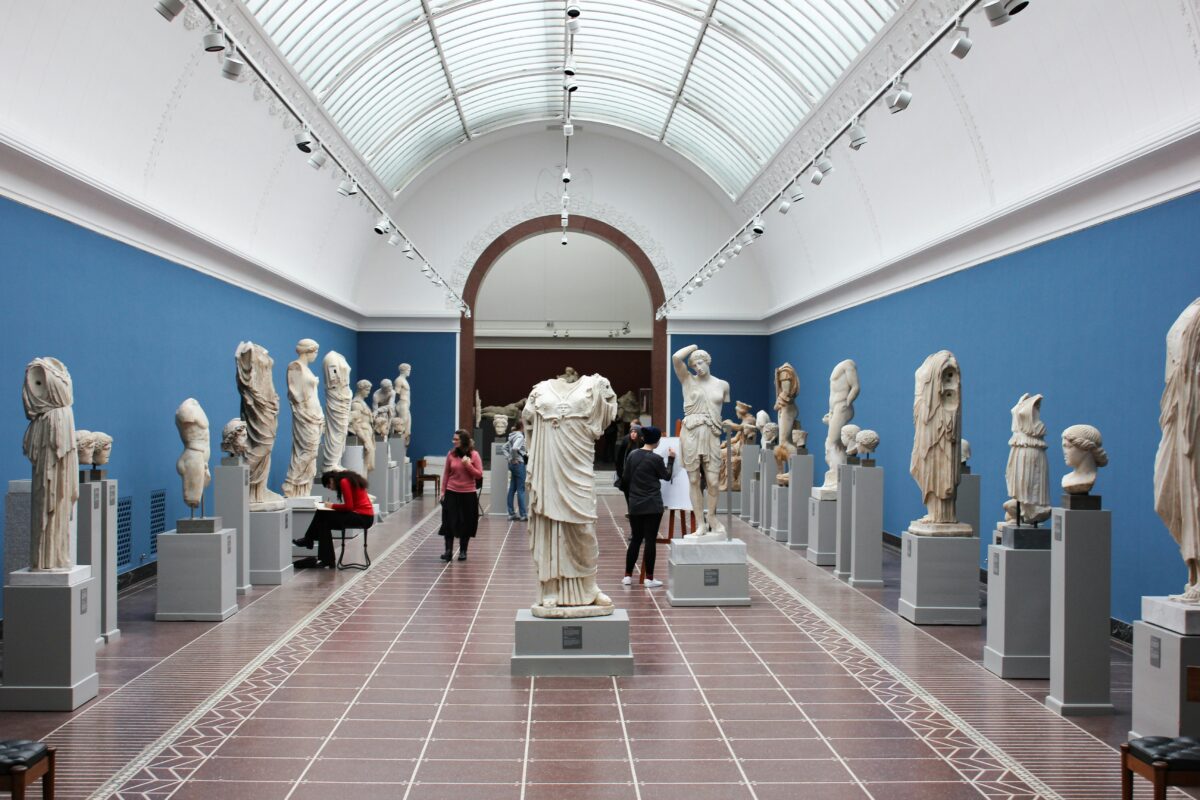
Ennigaldi-Nanna’s collection shows that museums are never neutral. From ancient Babylon to today, curating history involves choices, narratives, and influence. The objects chosen and the way they’re presented reflect the values and insecurities of those in power, not just the artifacts themselves.
The Past Was Manipulated to Serve the Present
Artifacts were selected and labeled strategically to reinforce claims, not to inform objectively. By framing history to support royal authority, the museum acted as propaganda. What seems like a celebration of human achievement was, in reality, a calculated narrative designed to serve an empire in decline.
Humanity’s First Museum Was a Monument to Failure
The museum’s ruin reminds us that memory alone cannot preserve power. Its objects were witnesses to ambition, fear, and pride, but they couldn’t prevent collapse. Ennigaldi-Nanna’s museum stands as a warning: preserving history is fragile, and even the most carefully curated legacies can vanish when the structures supporting them crumble.
Conclusion
Ennigaldi-Nanna’s museum wasn’t just about preserving artifacts; it was about preserving authority. Its story reveals how the earliest attempts to protect history were entangled with politics, power, and pride. Far from a triumph of human curiosity, the first museum is a stark reminder that even legacy can’t escape decay, and even history itself can be a tool of desperation.