8 Excruciating Pains That Aren’t Caused by Disease But Feel Like It
Pain is one of the few universal human experiences, yet not all severe pain comes from disease. Some of the most intense bodily sensations strike without warning, emerging from injuries, accidents, or sudden trauma. These extreme pains can feel overwhelming, immobilizing, and unforgettable, often leaving lasting effects on both the body and mind. From the relentless agony of childbirth to the twisting torment of kidney stones, the human body is capable of enduring sensations that rival or even surpass disease-related suffering .
Understanding these extreme non-disease pains is not just a matter of curiosity; it’s a window into human endurance, a reminder of the body’s vulnerability, and a call for timely medical care. Here are eight of the worst pains humans can experience, none of them caused by disease, but each capable of dominating every sense.
Childbirth Without Anesthesia

Natural childbirth produces waves of sharp, relentless pain as the uterus contracts and the cervix stretches to allow passage of the baby, forcing the body into prolonged physical stress that can cause exhaustion, elevated blood pressure, and complications for both mother and child. The intensity builds with each contraction, demanding extreme endurance, while stress hormones amplify the sensation.
Beyond physical agony, the mental strain of labor can profoundly affect recovery, disrupt sleep patterns, and heighten emotional sensitivity. Labor without anesthesia transforms a natural process into a rigorous physiological challenge, requiring focus, controlled breathing, and mental resilience. Even brief pauses between contractions are deceptive, as the body continues to brace against internal pressure, highlighting how extreme non-disease pain can strain both the body and the mind simultaneously.
Kidney Stones
Kidney stones form when minerals in the urine crystallize and travel through the urinary tract, causing sudden, stabbing pain that radiates from the lower back to the groin, often accompanied by nausea, vomiting, and profuse sweating. This can strain the kidneys and, if untreated, trigger urinary infections. The twisting, cramping intensity of a passing stone is unpredictable, leaving sufferers immobilized and desperate for relief.
This non-disease pain demands urgent medical intervention, as prolonged blockage can cause permanent kidney damage or severe infection. The body responds with heightened sympathetic nervous activity, increasing heart rate and blood pressure, which compounds the suffering. Patients often describe curling into a fetal position, trying to withstand waves of burning, sharp cramping, a visceral reminder of how acute trauma can dominate both body and mind .
Severe Burns

Burns inflicted by fire, hot liquids, or chemicals deliver immediate, intense pain as skin and nerve endings are destroyed, simultaneously risking fluid loss, shock, and infection while leaving long-lasting nerve hypersensitivity. The deeper the burn, the more the body’s homeostasis is disrupted, forcing cardiovascular and immune systems into overdrive.
Even after initial treatment, burns demand careful wound care, fluid management, and sometimes surgical grafting. Nerve pain and hypersensitivity can persist for months, making routine movements or touch agonizing. Severe burns illustrate how trauma alone, without disease, can trigger prolonged suffering and systemic medical consequences, emphasizing the importance of immediate, skilled intervention .
Broken Bones
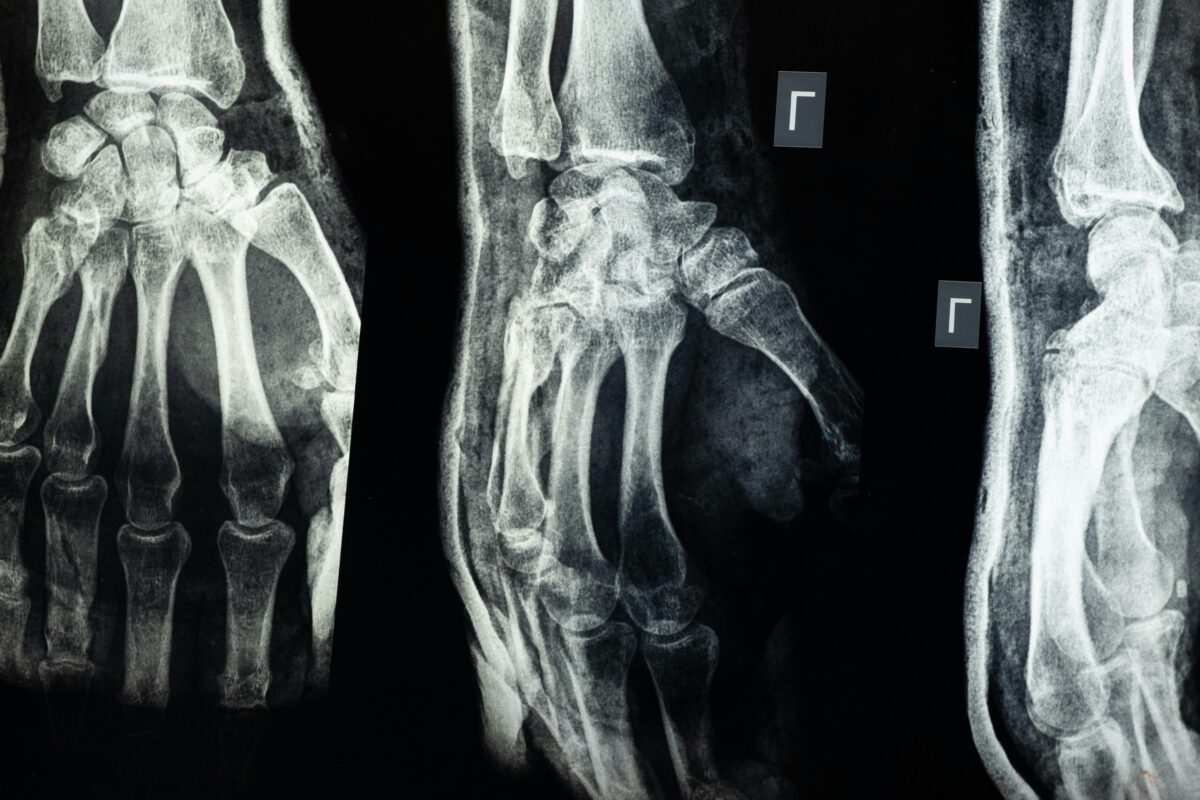
Fractures produce sudden, sharp agony that radiates through surrounding tissues and can immobilize the affected area while carrying the risk of chronic pain, improper healing, and long-term arthritis if untreated. High-impact fractures, such as those of the femur or pelvis, disrupt surrounding muscles, tendons, and blood vessels, amplifying the body’s stress response.
Proper alignment, immobilization, and rehabilitation are critical, as even a single fracture can cause permanent mobility limitations and lingering discomfort. The body’s inflammatory response compounds pain, and nerve endings around the fracture site heighten sensitivity. Broken bones demonstrate that structural injury alone, without disease, can produce extreme and long-lasting physical trauma .
Dislocations

Dislocations occur when a joint is forced out of position, producing wrenching pain that can tear ligaments, tendons, and nerves, and causing swelling, inflammation, and long-term joint instability if not immediately corrected. Shoulders, knees, and fingers are particularly vulnerable, and the body reacts instinctively by tightening surrounding muscles, which intensifies the discomfort.
The trauma leaves joints vulnerable to re-injury and can disrupt circulation or compress nearby nerves. Immediate realignment, immobilization, and rehabilitation are essential to restore function, underscoring how mechanical injuries can rival the intensity of disease in terms of pain and long-term consequences.
Muscle Ruptures
Severe muscle tears, such as ruptured hamstrings or quadriceps, produce sharp, stabbing pain that prevents movement and can lead to swelling, bruising, and potential long-term weakness if untreated. The abrupt tearing of muscle fibers activates intense pain receptors, while inflammation compounds the agony, sometimes leaving affected areas hypersensitive for weeks.
Surgical intervention and extended physical therapy are often required to restore full mobility. Without proper care, muscle ruptures can cause permanent limitations, chronic pain, and susceptibility to re-injury. These injuries illustrate how localized trauma can have systemic effects far beyond the immediate site of damage, proving the body’s extreme response to mechanical stress .
Severe Lacerations
Deep cuts that pierce muscles, tendons, or nerves produce throbbing, burning pain while immediately increasing the risk of infection, nerve damage, and functional impairment if not treated promptly. Even minor movements of the affected limb can intensify discomfort, and swelling prolongs recovery.
Improper suturing or delayed care can result in lasting hypersensitivity, reduced strength, or permanent functional deficits. Lacerations are a stark reminder that sudden trauma, even without disease, can create serious physical and medical consequences that impact both daily life and long-term health .
Traumatic Injuries From Accidents
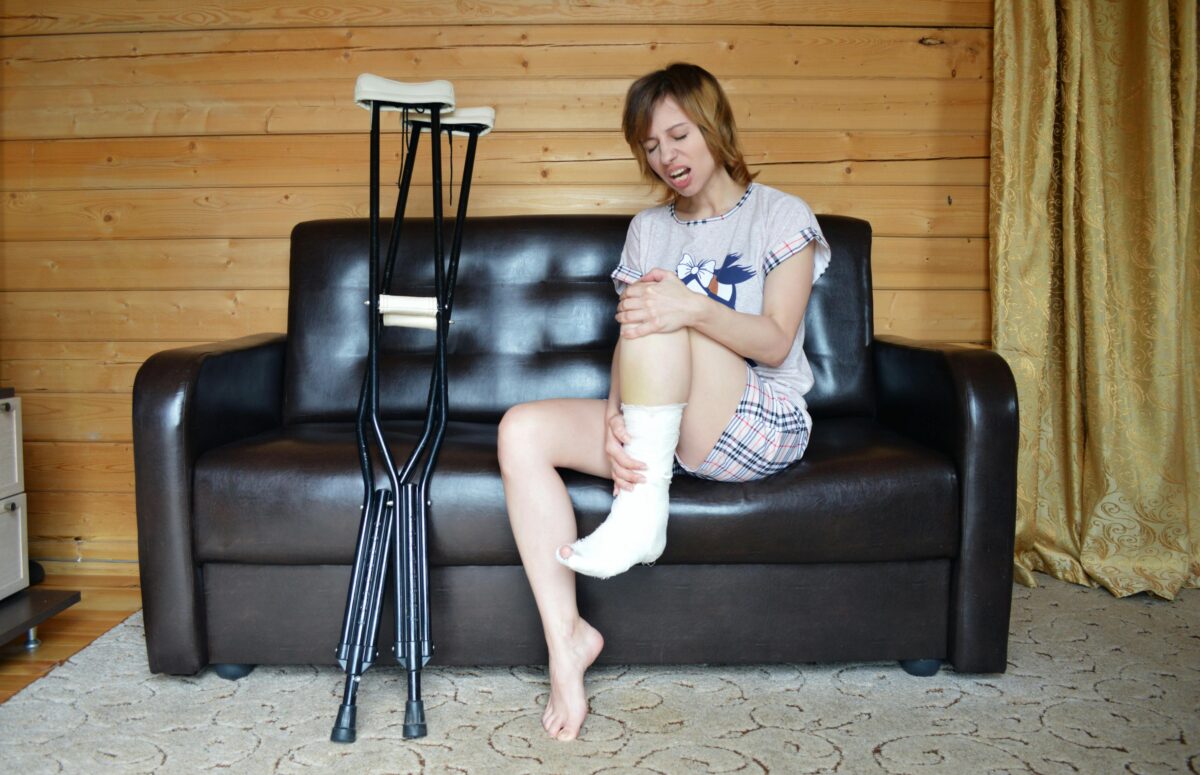
High-impact trauma from car crashes, falls, or sports collisions produces overwhelming pain while simultaneously threatening broken bones, nerve damage, internal bleeding, and chronic musculoskeletal issues, all of which require rapid medical intervention and extensive rehabilitation. These injuries often involve multiple systems at once, amplifying the physical and psychological stress.
Even after healing, chronic pain or post-traumatic stress can persist, showing that non-disease trauma can have profound, lasting effects on overall health. Accidents like these demonstrate the compounded consequences of sudden mechanical injury and the critical need for timely, expert care to mitigate long-term suffering .
Conclusion
Extreme non-disease pains reveal the extraordinary capacity of the human body to endure agony even in the absence of illness. From childbirth and kidney stones to burns, fractures, and traumatic injuries, these conditions highlight the intensity and immediacy of trauma-induced pain. Each experience carries medical consequences that affect recovery, mobility, and long-term health, emphasizing the importance of timely intervention, effective pain management, and empathy for those enduring unimaginable suffering. While disease often dominates discussions of severe pain, these non-disease traumas remind us that agony can strike anyone, at any time, without warning, leaving both body and mind challenged to their limits .