10 American Traditions That You May Have Missed
Some American traditions were once charming, practical, or fun. Today, many feel outdated, stressed, or downright unnecessary. What once made sense now drains time, money, and energy while offering little joy. These ten traditions survive mostly because of habit, not meaning, and it’s time to face how they clash with modern life.
We’ve broken down the most glaring examples of customs that might seem harmless but quietly complicate everyday living. Each one shows how persistence doesn’t always equal value.
Daylight Saving Time Confusion
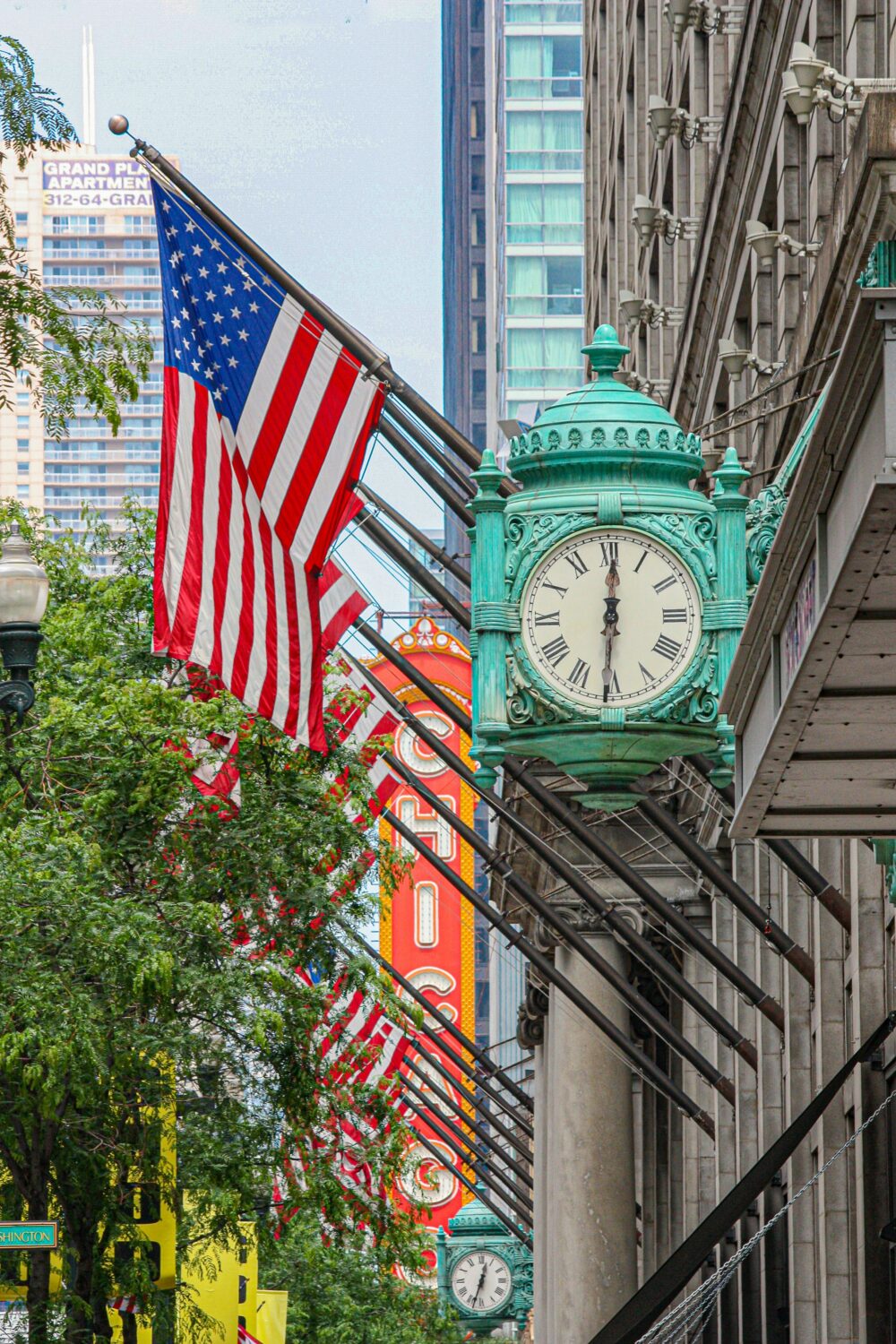
Twice a year, Americans adjust clocks, lose sleep, and disrupt their routines, even though modern schedules depend little on daylight. The spring shift can cause irritability, reduced focus, and safety hazards, while the fall adjustment rarely restores balance. The ritual is a vestige of earlier energy-saving strategies, but today it mainly burdens workers and students, leaving many questioning why society still tolerates this twice-yearly disruption.
Overblown High School Proms
Proms have morphed into lavish productions with designer dresses, luxury cars, and orchestrated proposals, overshadowing their original purpose: celebrating teenage milestones. Families spend thousands, and teenagers face social pressure to compete for appearances rather than simply enjoy the night. The ritual has shifted from a communal celebration to a performative event, leaving many feeling exhausted by the spectacle instead of excited about the milestone.
Daily Pledge of Allegiance
Reciting the Pledge in schools is meant to instill patriotism, yet repetition can feel performative and exclusionary for diverse student bodies. It’s intended to unify, but mandatory daily repetition often lacks context and fails to teach real civic engagement. Instead, it reduces a meaningful civic concept to rote memorization. In today’s pluralistic classrooms, forcing students into this ritual can create discomfort rather than connection, raising questions about its continued necessity.
Wedding Industry Pressure
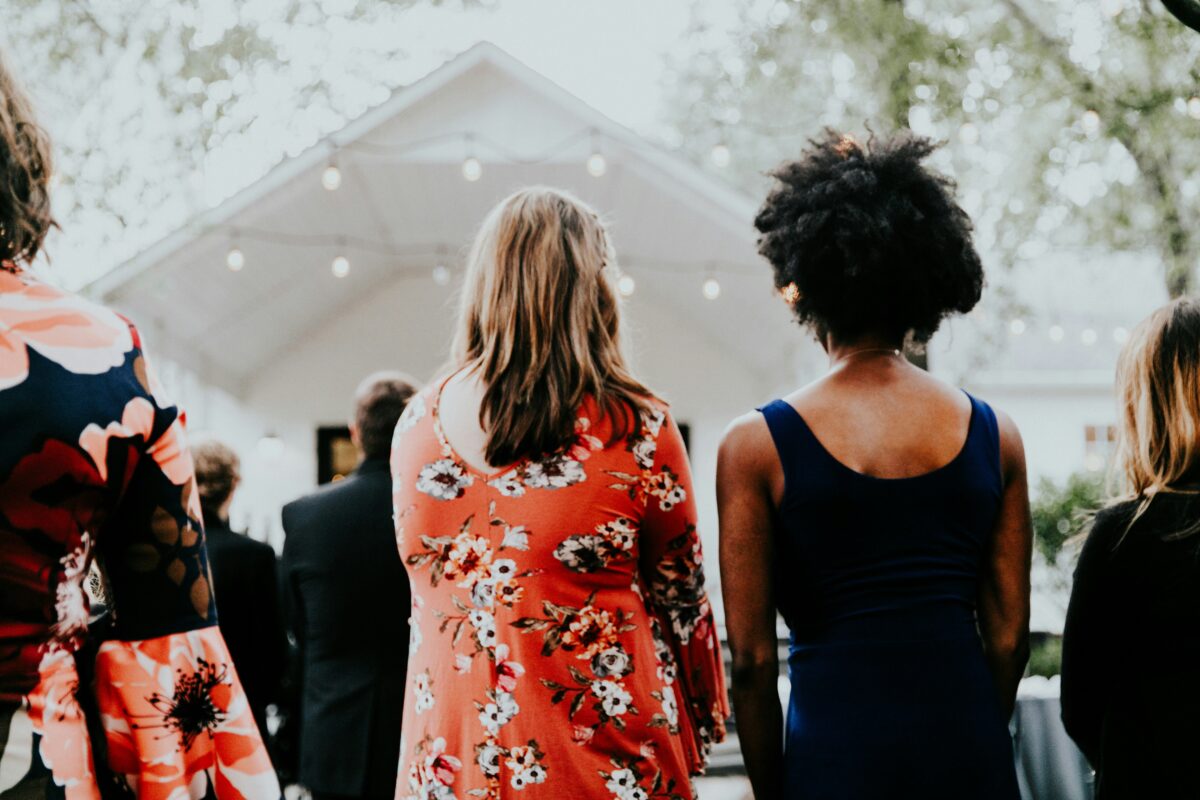
Modern weddings have evolved into extravagant productions, with couples facing unrealistic financial expectations. The average U.S. wedding costs tens of thousands of dollars, often causing stress before the marriage even begins. The focus on aesthetics, guest counts, and viral photos overshadows personal meaning. Many couples feel trapped between societal pressure and budget reality, making the tradition more of a financial endurance test than a genuine celebration of love and partnership.
Black Friday Chaos
Once a single-day shopping frenzy, Black Friday has morphed into an extended event that bleeds into weeks of online deals. Physical store stampedes have been replaced with digital stress and constant price comparisons. The tradition encourages consumer overexertion and unnecessary competition, often leaving shoppers anxious rather than excited. The ritual has shifted from a festive event to a relentless cycle of material pressure, distracting from the holidays’ original joy.
Presidential Turkey Pardons
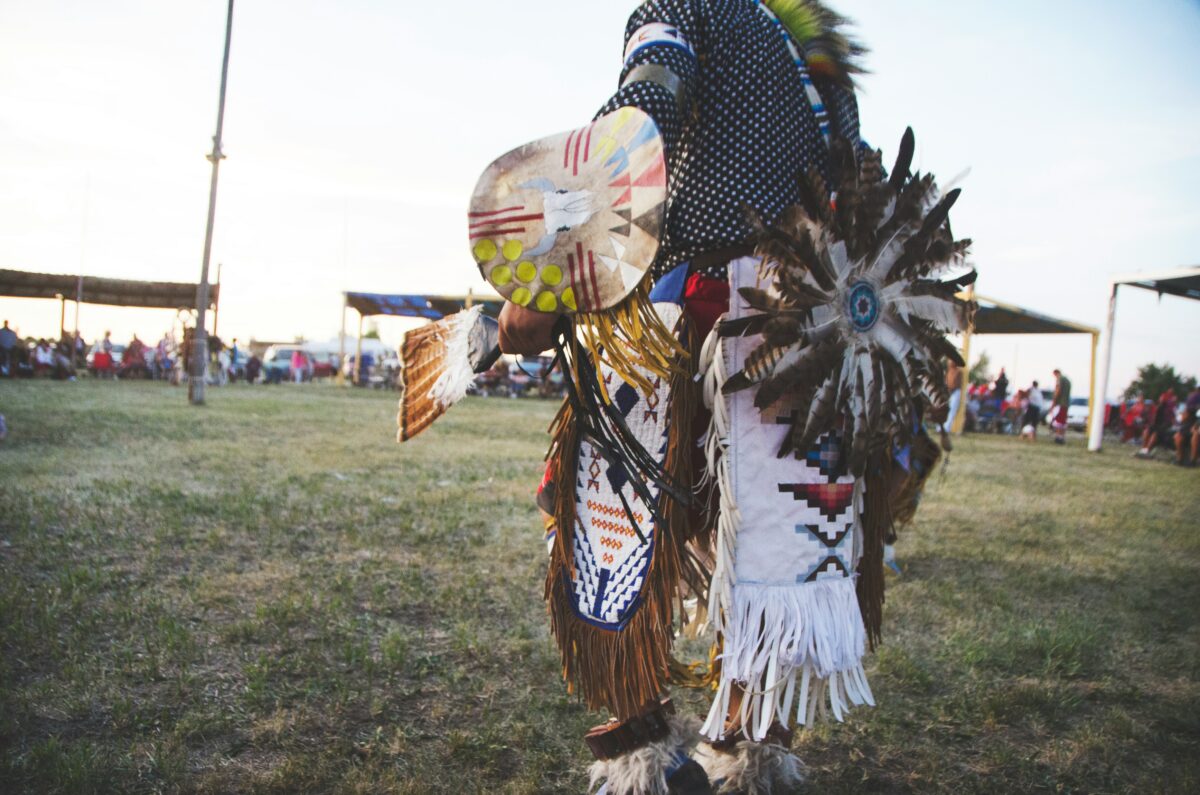
The annual turkey pardon is a long-standing spectacle meant to charm the public, but it often feels hollow. Cameras flash, jokes are made, and a bird is ceremonially spared, creating more political theater than civic value. While lighthearted in intent, the tradition raises questions about leadership priorities and the role of symbolic gestures in a world where Americans face serious challenges. It highlights how some traditions survive more for show than meaning.
Penny Persistence
The penny is arguably the most stubborn monetary relic in circulation. Rarely used and costly to produce, it clutters wallets and jars while offering minimal value. The government continues production mostly for nostalgia, despite the public largely disregarding it. This tiny coin symbolizes inefficiency, forcing people to manage coins that have outlived their usefulness while reminding Americans that some traditions survive solely through inertia rather than necessity.
Complicated Tipping Expectations
Tipping has expanded far beyond restaurants into coffee shops, takeout counters, and self-service kiosks. What began as a simple reward for good service now feels like a moral and social obligation. Customers often feel pressured to cover wage gaps, while workers depend on inconsistent tips. The custom has evolved into an uncomfortable, stressful system that conflates generosity with financial responsibility, making a once-simple ritual a widespread source of frustration.
Overdecorated Holidays
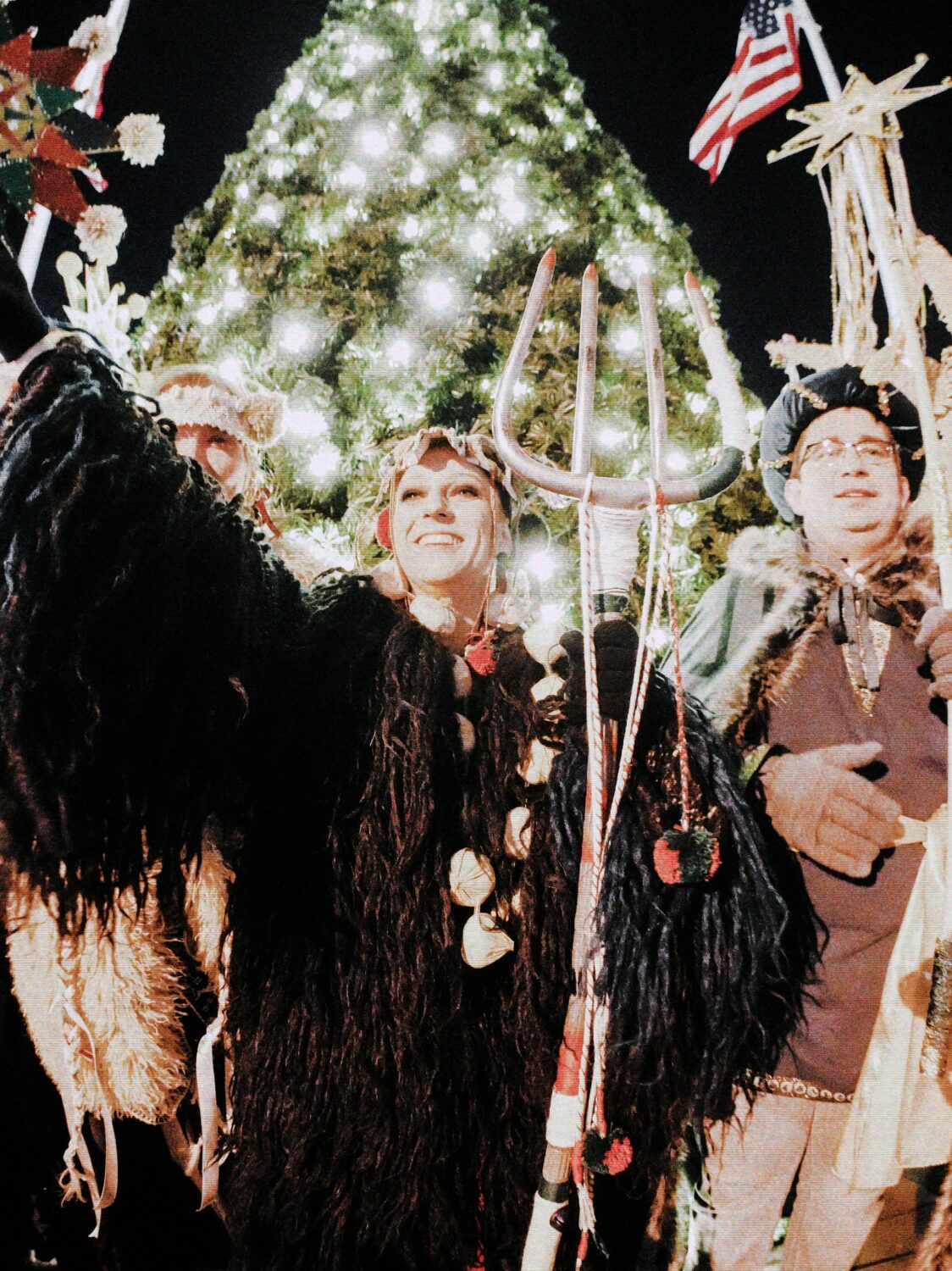
Holiday decorating, once a family pastime, has grown into competitive extravaganzas, with lavish displays and social media comparisons. Homeowners face pressure to outshine neighbors or create the “perfect” Instagram moment. This trend adds financial and emotional strain, turning a simple celebration of seasonal joy into a display of performance anxiety. Many feel exhausted rather than festive, questioning whether the tradition still brings happiness or merely serves as a visual bragging right.
Excessive Graduation Ceremonies
Graduations have expanded from simple academic recognition into multi-day spectacles with parties, professional photos, and expensive gifts. Families feel compelled to invest heavily, while students face public pressure to perform. The ritual of marking educational achievement has been overshadowed by logistics and expectations, leaving the original purpose, celebrating learning and growth, lost in ceremonial excess and commercial pressure.
Conclusion
Traditions often cling on for sentimental or nostalgic reasons, but not every practice deserves a permanent place in modern life. Many of these American rituals now drain energy, money, and attention more than they enrich daily living. Recognizing which traditions hinder rather than help allows people to preserve meaning while letting go of outdated habits. If we face traditions critically, we can honor history without being trapped by it.