10 Countries Hoarding the Most Gold While the Rest Tremble
Gold may look old-fashioned, but governments still treat it like financial armor. When currencies wobble, debt rises, wars drag on, or global trust gets thin, central banks do not run to trendy assets first. They run back to the metal that has survived empires, crashes, sanctions, and panic. Recent gold reserve data shows the United States still holds the largest official stockpile, followed by Germany, Italy, France, China, Russia, Switzerland, India, Japan, and the Netherlands. World Gold Council reserve data is compiled from IMF statistics and central bank reports, and current country tables place the U.S. at about 8,133 tonnes, Germany at about 3,350 tonnes, and Italy at about 2,452 tonnes.
United States
Zlaťáky.cz/ Unsplash
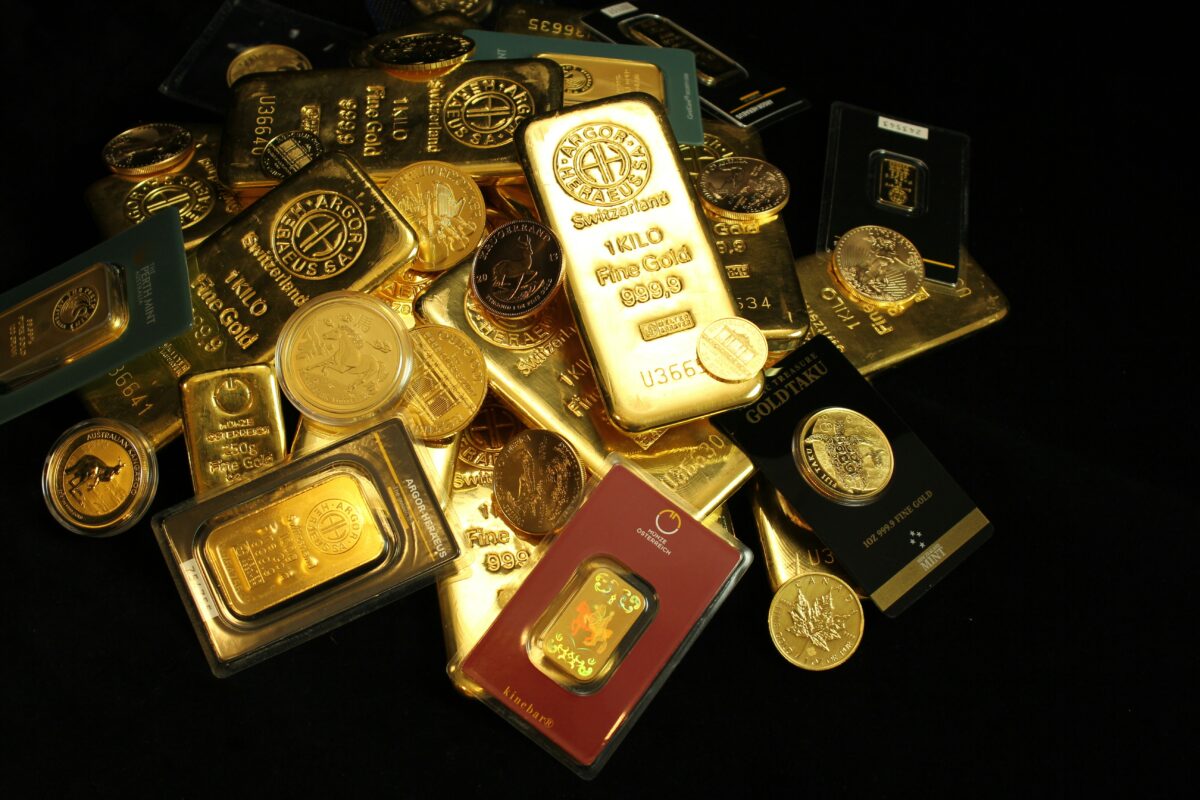
The United States sits on the world’s largest gold pile, and the gap is almost rude. With roughly 8,133 tonnes, America holds more official gold than Germany and Italy combined, which makes its vaults feel less like storage rooms and more like a symbol of national power. This gold does not run the dollar the way it once did, but it still gives Washington a psychological edge when markets get jumpy. In a world full of debt fights, currency fears, and political shocks, America’s bullion reserve remains a loud reminder that hard assets still matter.
Germany
Germany’s gold reserve feels like a warning written in metal. With about 3,350 tonnes, the country maintains one of the world’s strongest financial cushions, shaped by a history that has made Germans deeply suspicious of reckless monetary policy. The reserve speaks to discipline, memory, and national caution. Germany does not need to advertise financial seriousness when its vaults already do the talking. This stockpile gives Berlin extra confidence during inflation scares, banking tremors, and eurozone stress, making gold part of its quiet survival strategy.
Italy
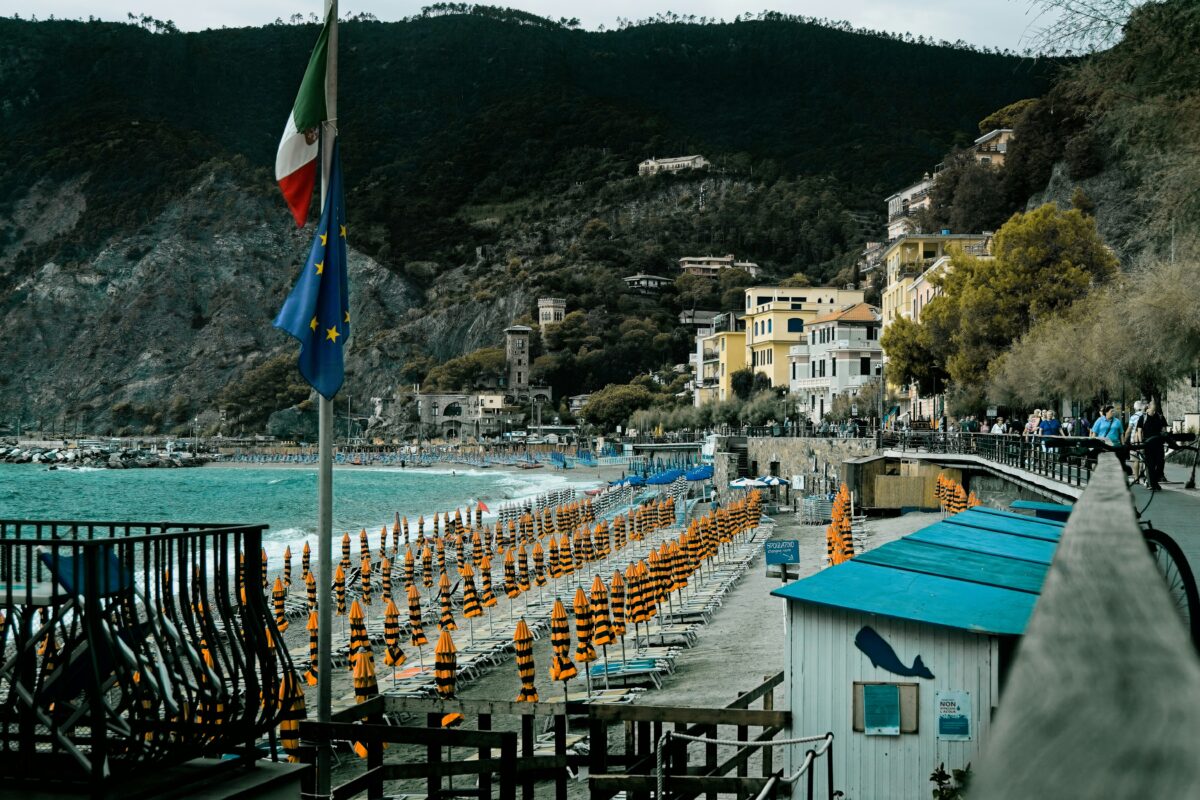
Italy is often judged by its debt, politics, and slow growth, but its gold reserves tell a very different story. With around 2,452 tonnes, Italy ranks among the world’s strongest gold holders, giving the country a powerful asset behind the noise. That pile of bullion does not erase fiscal pressure, but it strengthens national credibility when investors start asking hard questions. Italy’s reserve is like an old stone wall behind a beautiful but weathered house. People may debate the cracks in the paint, but the foundation still has weight.
France
France holds about 2,437 tonnes of gold, a figure that fits its long love affair with financial independence. Paris has never been shy about seeking room to move on the global stage, and gold provides a reserve asset that does not depend on another country’s promise. This stockpile supports France’s image as a serious monetary power within Europe. When paper currencies face pressure, gold gives the country something harder, older, and less emotional. It is not a flashy policy, but it is a brutally practical form of protection.
China
China’s gold reserves are becoming one of the most closely watched in the world. With about 2,313 tonnes, Beijing has moved into the upper tier, and every increase gets read like a geopolitical clue. China already holds huge foreign exchange reserves, but gold gives it a different kind of power because it sits outside another country’s currency system. That matters as trade tensions, sanctions risk, and dollar dependence become bigger topics of conversation. China’s reserve strategy feels patient, quiet, and deliberate, which makes it even more unsettling.
Russia
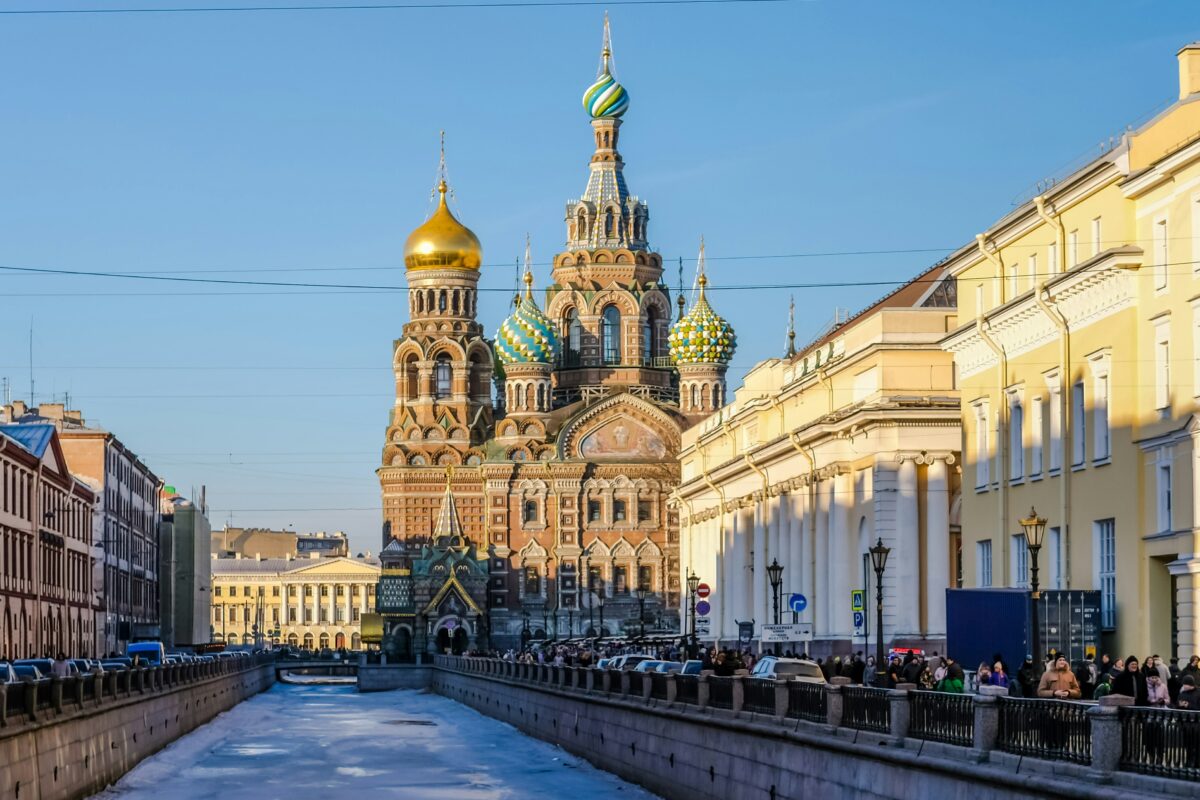
Russia’s gold reserves carry greater significance because they are closely tied to sanctions, isolation, and distrust of Western finance. With roughly 2,305 tonnes, Moscow has built one of the world’s largest bullion shields. Gold gives Russia an asset that is harder to freeze than foreign currency sitting in overseas accounts. That does not make the country immune to pressure, but it gives the Kremlin more room to maneuver. In Russia’s case, gold is not just wealth. It is a defensive weapon in a harsher financial world.
Switzerland
Switzerland may be small, but its gold reserves punch far above its weight. With about 1,040 tonnes, the country keeps a vault presence that matches its reputation for banking, neutrality, and safe money. Swiss gold fits the national brand almost too perfectly. It signals calm, caution, and control in a world that often feels allergic to all three. The reserve also reminds readers that financial power is not always determined by population or land area. Sometimes it is about trust, discipline, and a long history as the place where money runs to.
India
India’s gold story is bigger than central bank policy because gold is woven into family life, weddings, savings, and cultural identity. With about 881 tonnes in official reserves, India combines public financial strategy with private obsession. That makes its relationship with gold unusually deep. As India’s economy grows and its global influence expands, gold adds another layer of reserve strength. It also helps protect against currency pressure and global shocks. In India, bullion is not just a backup asset. It is emotional, cultural, and strategic.
Japan
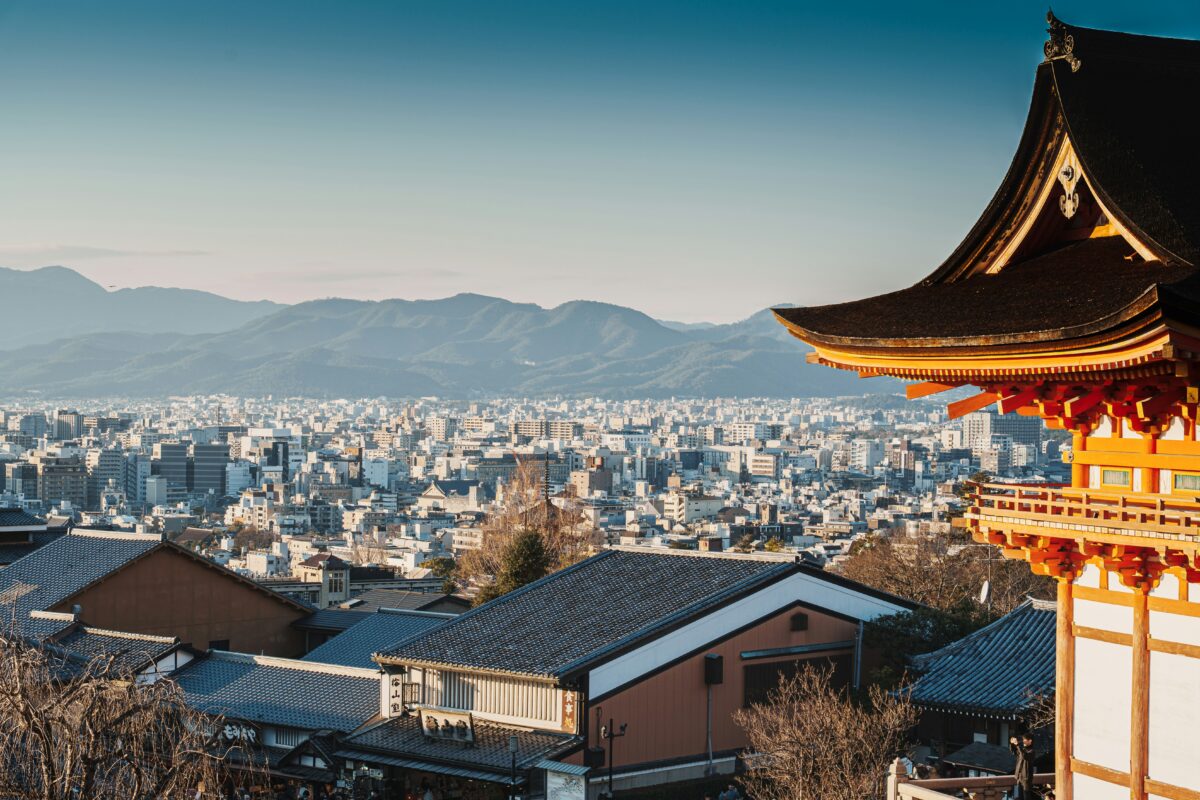
Japan holds about 846 tonnes of gold, which may surprise people who think of the country mainly in terms of technology, exports, and government bonds. Yet Japan’s reserve matters because the country faces serious long-term pressure from debt, demographics, and currency swings. Gold gives Tokyo a hard asset that does not age, retire, or depend on interest-rate experiments. It sits quietly in the background, doing what gold does best. Japan’s reserves are not dramatic, but they add a layer of strength to an economy that often has to fight uncertainty with patience.
Netherlands
The Netherlands rounds out the top ten with about 612 tonnes, proving that smaller countries can still carry serious reserve weight. Dutch gold supports confidence in a country that plays an important role in European trade, finance, and stability. The reserve may look modest beside America’s giant stockpile, but globally it is still a major holding. It gives the Netherlands a hard-asset cushion in case markets turn ugly. This is the kind of quiet financial planning that rarely makes headlines, yet becomes priceless when the headlines get bad.
Conclusion
Gold reserves are not just dusty treasures locked away for history books. They are signals of trust, fear, independence, and preparation. The countries at the top of this list understand one harsh truth better than most: when the global system starts shaking, gold still makes governments feel safer.
The United States dominates the ranking, Europe remains deeply attached to bullion, and countries such as China, Russia, and India show how gold has become part of a new power game. Paper promises can weaken fast, but gold keeps its old, stubborn appeal. That is why these vaults matter.