10 Worst Dog Breeds for Seniors Who Want a Calm, Low-Maintenance Companion
Dogs can bring comfort, routine, laughter, and real companionship into later life. For many seniors, the right dog makes the home feel warmer, encourages gentle daily movement, and adds a steady sense of purpose. The wrong dog, however, can turn that sweet dream into pulled shoulders, endless grooming bills, noisy frustration, and stress that no one signed up for.
When we talk about the worst dog breeds for seniors, we are not calling these dogs bad. Many of these breeds are loyal, brilliant, affectionate, and deeply loved by experienced owners. The issue is fit. A senior-friendly dog usually needs manageable exercise, steady manners, easy grooming, moderate size, and a temperament that works well in apartments, smaller homes, and slower daily routines.
The AKC’s senior dog guidance stresses that lifestyle and physical ability matter more than age alone, including exercise capacity, training experience, grooming ability, barking tolerance, and the physical strength needed to walk the dog safely.
Rottweiler

The Rottweiler is loyal, confident, and deeply attached to its family. In capable hands, this breed can be steady and affectionate. Still, it is one of the hardest dogs for many seniors to manage because of its strength, guardian instinct, and need for skilled training. The AKC describes the Rottweiler as a robust working breed of great strength, gentle within the family circle, and aloof toward the outside world.
That protective nature can become stressful in senior living situations. Visitors, neighbors, delivery drivers, grandchildren, and other dogs may trigger watchful behavior. Even when the dog means well, its size and power create risk. A Rottweiler that pulls, braces, or reacts suddenly can overpower someone with balance problems or limited upper-body strength.
This breed also requires confident socialization from an early age. A senior who has owned large working breeds before may know exactly how to set boundaries. A first-time or low-energy owner may not. We should treat the Rottweiler as a serious working dog, not a casual companion. For most seniors, smaller and softer-tempered breeds will make daily life easier.
Border Collie
The Border Collie may be one of the smartest dog breeds in the world, but intelligence can become a problem when the dog has nothing meaningful to do. This breed was designed for serious work, quick decision-making, and nonstop responsiveness. The AKC calls the Border Collie a “remarkably bright workaholic” and notes that it can be too much for owners who lack the time, energy, or means to keep it occupied.
That sentence explains exactly why the Border Collie belongs on this list. Many seniors want companionship, not a canine project manager waiting for the next assignment. A bored Border Collie may chase shadows, nip at heels, bark at small changes, obsess over toys, or become anxious indoors. Its mind needs work as much as its body needs movement.
This breed can be wonderful in the right home. It can also be exhausting in the wrong one. Seniors who live in apartments, prefer gentle routines, or cannot engage in long daily activities, may struggle. We should avoid choosing a Border Collie solely on beauty or reputation. This is a brilliant dog, but brilliance comes with pressure.
Labrador Retriever
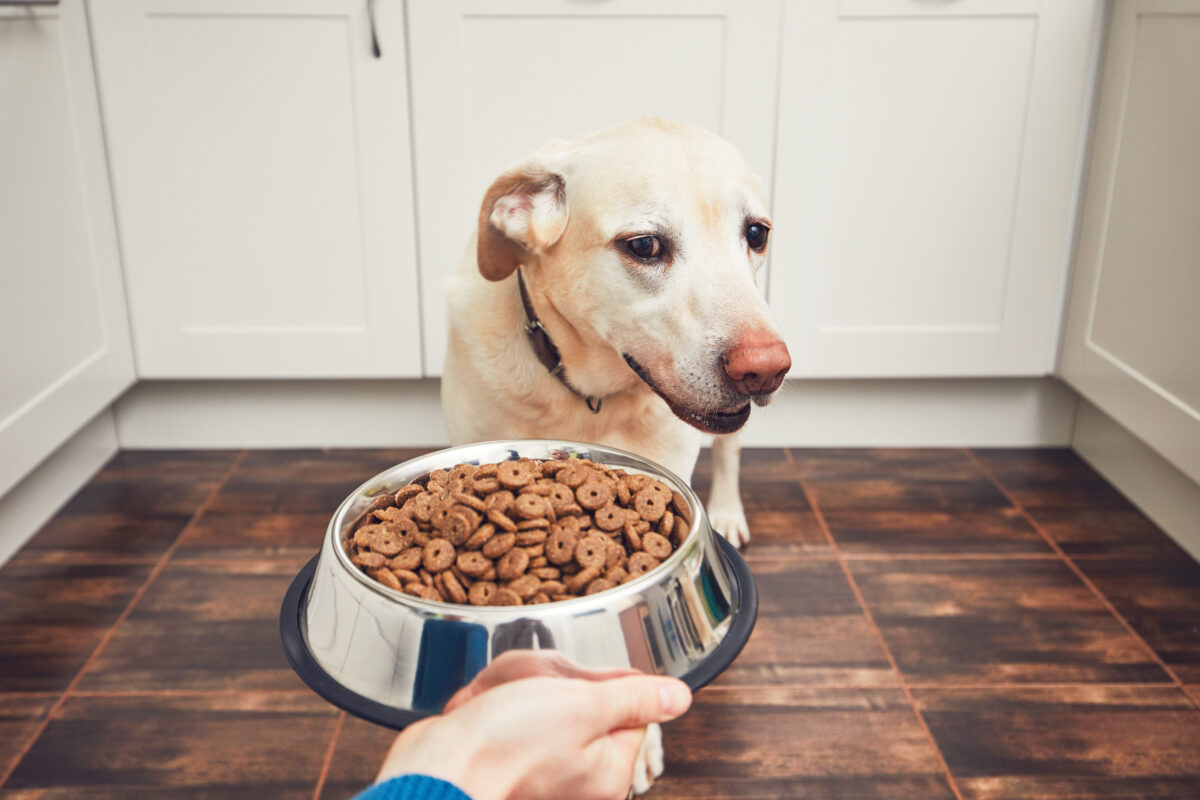
The Labrador Retriever surprises many people on a list of dog breeds seniors should avoid. Labs are friendly, popular, loyal, and famously good-natured. That reputation is deserved, but it does not make every Lab easy for every senior. A healthy adult Labrador is strong, playful, food-driven, and often far more energetic than people expect.
Labradors are medium-to-large sporting dogs, and their size matters. A young Lab can pull hard on the leash, jump in excitement, knock into furniture, or drag an owner toward another dog. PetMD notes that Labrador Retrievers need at least an hour of exercise every day and shed heavily, two demands that can make them feel high-maintenance in many homes.
Labs can be a good fit for active seniors who enjoy walking, training, brushing, and managing food portions. They may be a poor match for seniors who want a calm lap-style dog or who cannot safely handle 55 to 80 pounds of enthusiasm. We should also remember that a retired service-dog-type Lab and a young field-bred Lab can feel like completely different animals. Age, training, and temperament matter as much as breed name.
Akita
The Akita has a noble, quiet, almost majestic presence. It is loyal, protective, and often deeply bonded to its family. That loyalty, however, can come with independence and strong guarding instincts. Hill’s Pet notes that Akitas can be territorial, aloof toward strangers, and difficult to control due to their size and strength.
For seniors, the Akita’s biggest challenge is control. This is not usually a noisy, silly, people-pleasing dog. It often decides what matters, watches its home carefully, and may dislike other animals. That can complicate walks, vet visits, visits from family, or life in shared communities. An Akita needs early socialization and an owner who understands the traits of strong-willed breeds.
The coat adds another layer of work. Akitas have a thick, double coat that sheds heavily during seasonal coat changes. That means brushing, vacuuming, and coat maintenance become part of the routine. A calm adult Akita may suit an experienced owner, but for many seniors, this breed asks for too much strength, structure, and grooming.
Chow Chow
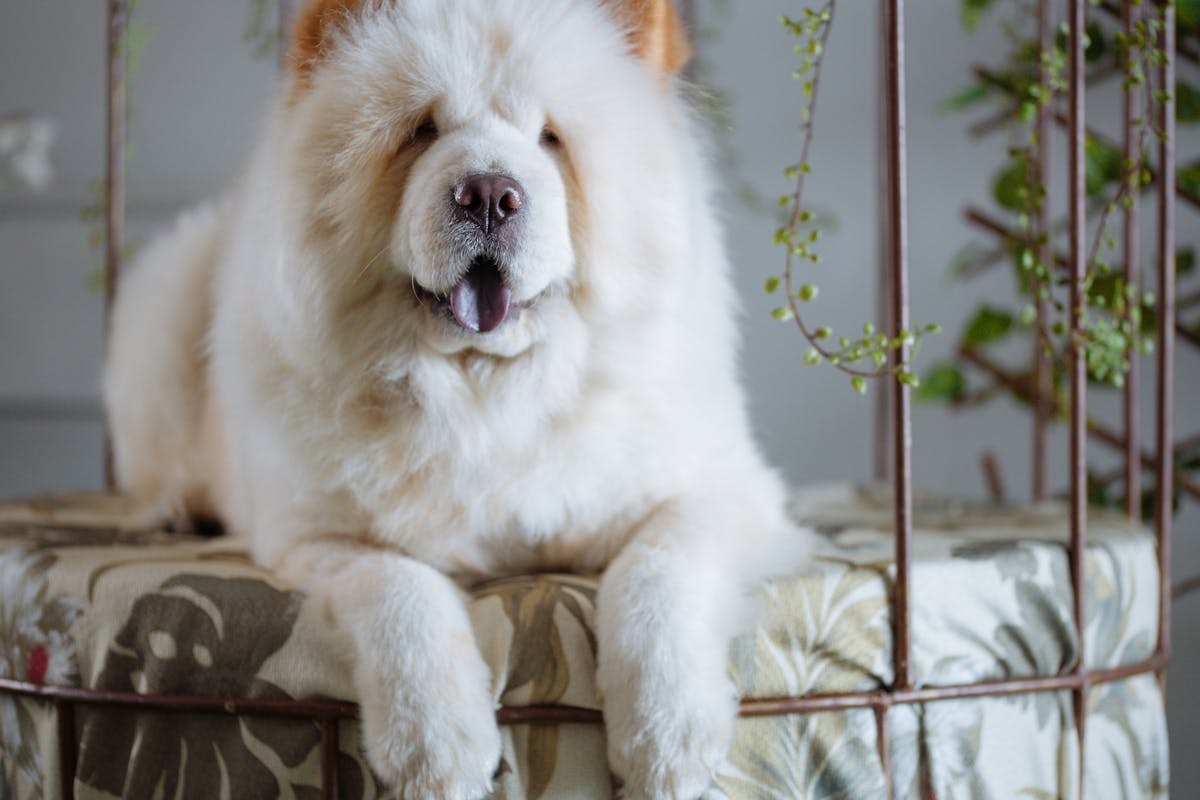
The Chow Chow looks plush, calm, and almost teddy-bear-like. That appearance can be misleading. Chows are independent, serious, and often reserved. They are not usually eager-to-please social butterflies. AKC guidance describes the Chow Chow as extremely loyal, intelligent, independent, and sometimes aloof.
For seniors who want warmth and constant affection, this breed may feel emotionally distant. A Chow may love its owner deeply but still dislike being fussed over. It may also need firm socialization to behave well around strangers, visitors, and other animals. That can be difficult in apartment buildings or busy neighborhoods.
The coat also needs commitment. Chows have dense fur that can require regular brushing and careful maintenance. Their sturdy build can make grooming physically demanding. They do not usually need the intense exercise of a Border Collie or Dalmatian, but their independence, coat care, and guarded personality can make them a poor match for many seniors.
Dalmatian
The Dalmatian is elegant, athletic, and unforgettable. Those spots make the breed instantly recognizable, but the pretty coat hides a major reality: Dalmatians were built to move. They have stamina, speed, and a need for daily physical and mental exercise. The AKC notes that Dalmatians can be very high-energy and may get into mischief without enough physical and mental activity.
That creates a mismatch for many seniors. A Dalmatian may need more than gentle walks and quiet afternoons. Without enough exercise, it can become restless, noisy, jumpy, or destructive. This breed often suits runners, active families, and owners with time for training and outdoor activity. It may frustrate seniors who want a peaceful companion.
The coat also sheds more than many people expect. Hill’s Pet describes Dalmatians as heavy shedders, even though their coats are short, and says frequent brushing is needed to control loose hair. That makes the breed less ideal for seniors who want a tidy home with minimal grooming work. A Dalmatian can be loving and loyal, but it rarely fits the low-maintenance category.
Australian Shepherd

The Australian Shepherd looks like a dream dog to many people because it is bright, beautiful, and eager to bond. That charm can fool new owners into forgetting what this breed was built to do. Aussies are ranch dogs with working instincts, quick minds, and restless bodies. The AKC describes the Australian Shepherd as a lean, tough ranch dog closely tied to rodeo and cowboy work, which already tells us this is not a couch-first companion.
For seniors who want a quiet walking partner, the Australian Shepherd can feel like a second job. This breed often needs structured exercise, training games, and mental work to stay balanced. A slow walk around the block may barely make a dent in its energy. Without stimulation, an Aussie may herd people, bark at movement, chase smaller animals, or create its own entertainment in the house.
The biggest issue is not aggression. It is a demand. An Australian Shepherd needs an owner who enjoys daily training, outdoor activity, and firm consistency. Seniors with mobility limits, joint pain, or a small apartment may quickly feel overwhelmed. We should consider this breed only when the senior owner is active, experienced, and ready to treat dog ownership like a hands-on daily project.
Cocker Spaniel
The Cocker Spaniel seems like it should be perfect for seniors. It is smaller than many breeds on this list, affectionate, sweet-faced, and usually less physically intimidating. The problem is maintenance. This breed can bring a surprising amount of grooming, ear care, and health monitoring into the home.
Cocker Spaniels have beautiful coats, but beauty takes work. Their feathering can mat, their ears need attention, and professional grooming may become a regular expense. The AKC advises owners to learn proper ear-cleaning procedures for Cockers, especially after baths, to help avoid infections. PetMD also notes that their floppy ears can trap moisture, which may allow bacteria or yeast to thrive.
For a senior who enjoys grooming and has the budget for regular care, a Cocker Spaniel can be a loving companion. For someone who wants an easy-care dog, it may become too much. Ear infections, coat maintenance, and energetic play needs can make this charming breed a demanding housemate. We should not dismiss Cockers entirely, but we should understand the care load before bringing one home.
Russell Terrier
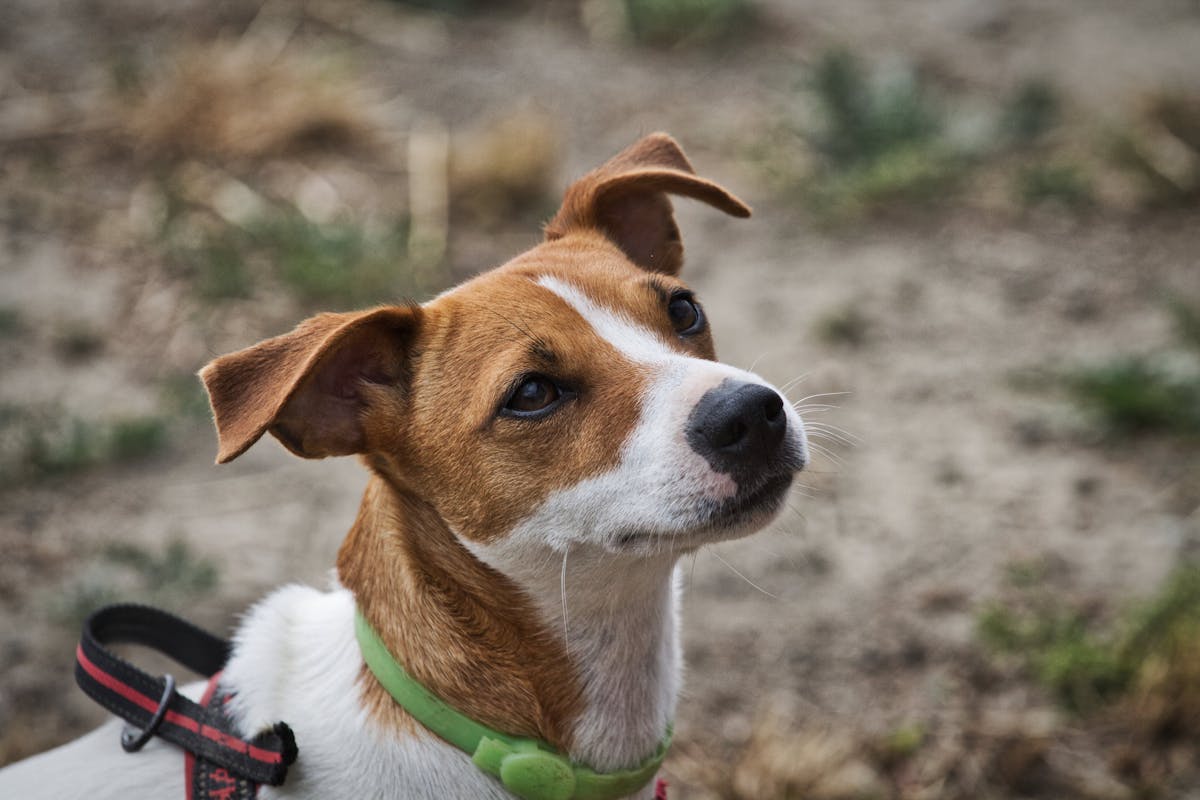
The Russell Terrier proves that small does not always mean easy. This compact dog has a huge personality, sharp instincts, and a working-terrier engine. It may fit on the sofa, but it does not always want a sofa lifestyle. The AKC describes Russell Terriers as suited for canine sports such as agility, flyball, obedience, rally, and lure coursing, suggesting a dog built for action.
This breed can be challenging for seniors because it is quick, bold, and often stubborn. A Russell Terrier may dig, bark, chase, leap, and test boundaries. It can also become frustrated when under-exercised. That creates trouble in apartments, shared housing, or homes without secure outdoor space. Its prey drive may make walks around squirrels, cats, birds, or small dogs difficult.
The upside is that grooming is usually manageable. The downside is everything else. Seniors who want a small, calm, cuddly dog may feel tricked by this breed’s size. We should view the Russell Terrier as a small athlete, not a low-energy lap companion.
American Staffordshire Terrier
Many articles use the term “pit bull,” but that label often refers to several related bully-type breeds rather than one single recognized breed. A more precise discussion usually includes breeds such as the American Staffordshire Terrier. The AKC describes the American Staffordshire Terrier as smart, confident, good-natured, courageous, and loyal when responsibly bred and well socialized.
The senior-living concern is not that every AmStaff is unsafe. The concern is strength, public perception, training responsibility, and leash control. This breed is muscular, athletic, and powerful for its size. Hill’s Pet describes the American Staffordshire Terrier as remarkably strong, quick, nimble, and heavy for its size.
For a senior, that strength can matter every day. A sudden pull toward another dog, an excited jump at a visitor, or a tense moment near a stranger can become physically risky. Some housing communities and insurance policies may also restrict bully-type breeds, which adds another practical problem. An experienced senior with a well-trained adult dog may do fine. A senior seeking an easy first dog should usually look elsewhere.
Better Dog Traits for Seniors to Look For
The best dog for a senior is often not the trendiest breed. It is the dog that fits the owner’s real life. We should prioritize calm adult temperament, leash manners, moderate size, low grooming strain, and predictable behavior. Adult and senior rescue dogs can be especially good choices because their size, energy level, and personality are already visible.
Good senior-friendly dogs often share these traits: they enjoy short walks, settle indoors, tolerate visitors, respond to basic commands, and do not need hours of exercise. Smaller companion breeds, calm mixed-breed adults, and retired foster dogs may provide more comfort with fewer surprises. The goal is not to find the most impressive dog. The goal is to find the easiest dog to love safely every day.
Final Thoughts
The worst dog breeds for seniors are usually those that require more strength, speed, grooming, training, or space than the owner can comfortably provide. Australian Shepherds, Border Collies, Dalmatians, Russell Terriers, and Labradors can be too energetic. Rottweilers, Akitas, and American Staffordshire Terriers can be too strong for casual handling. Cocker Spaniels and Chow Chows can bring grooming, ear care, or temperament challenges that many seniors do not expect.
A good match should make life calmer, not harder. We should choose the dog in front of us, not just the breed name. A quiet adult mixed breed with good leash manners may be far better than a high-drive purebred with a famous reputation. For seniors, the best dog is not the most dramatic, rare, or impressive one. It is the companion that makes each day feel safer, softer, and easier to enjoy.