10 Everyday Foods That May Be Raising Your Fatty Liver Risk
Fatty liver disease often develops from everyday foods. It is not always caused by obvious risks. Common items like white bread, soda, packaged snacks, and takeout meals can contribute without drawing attention.
The liver processes nutrients, filters blood, and manages energy, but it can become overwhelmed by frequent intake of sugar, refined starch, saturated fat, and excess calories. While a single unhealthy meal is not harmful, consistent unhealthy habits can lead to fat accumulation.
These ten common foods warrant attention because they often appear as convenient or routine choices.
White Bread and Refined Grains
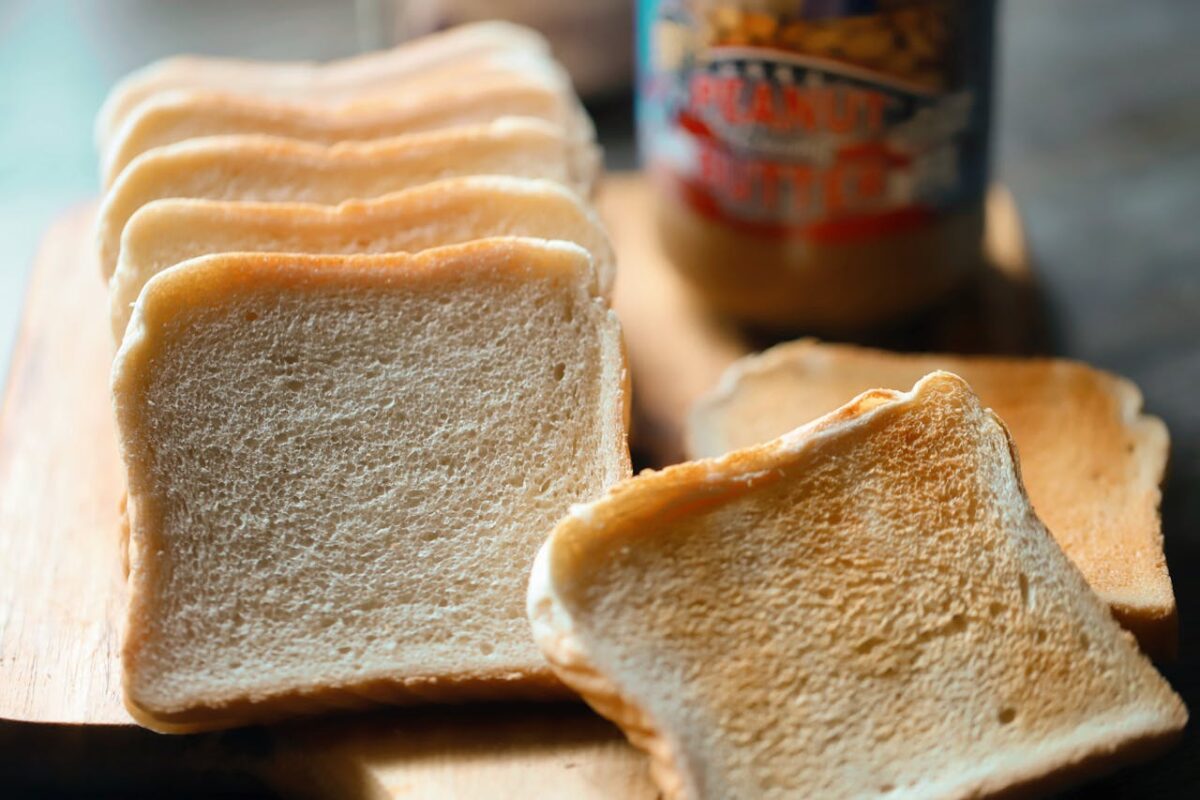
White bread may seem harmless, but it acts like sugar once digested. Refined grains lack fiber, are digested quickly, and raise blood sugar more than whole grains. Frequent consumption can lead to excess energy being stored as fat, some of which accumulates in the liver.
The same concern applies to white rice, regular pasta, pizza dough, bagels, crackers, and many foods made with refined flour. These foods are easy to overeat because they do not keep you full for long. A better move is to choose oats, brown rice, quinoa, barley, beans, lentils, or whole-grain bread more often.
Sugary Breakfast Cereals
Many breakfast cereals appear healthy but are often more similar to desserts. They typically contain refined grains, added sugar, and little fiber, leading to a rapid rise in blood sugar early in the day.
The liver has to help process that sugar, and when sugary breakfasts become a habit, the pressure can build. Even worse, many people eat more than the serving size listed on the box, so the sugar adds up faster than expected. Plain oats, eggs, unsweetened yogurt, fruit, nuts, or whole-grain toast make a stronger breakfast because they provide more staying power.
Soda and Sweetened Drinks
Soda is one of the easiest ways to overload the liver because liquid sugar moves through the body quickly. Unlike solid food, sugary drinks do not make you feel full in the same way, so you can drink hundreds of calories without noticing. Sweet tea, energy drinks, bottled lemonade, sports drinks, and flavored iced coffees can create the same problem.
The liver plays a major role in handling fructose, a type of sugar often found in sweetened beverages. When too much arrives too often, the liver may convert some of it into fat. Water, unsweetened tea, sparkling water, or coffee without heavy syrup can make a big difference without making daily life feel strict.
Packaged Chips and Snack Foods
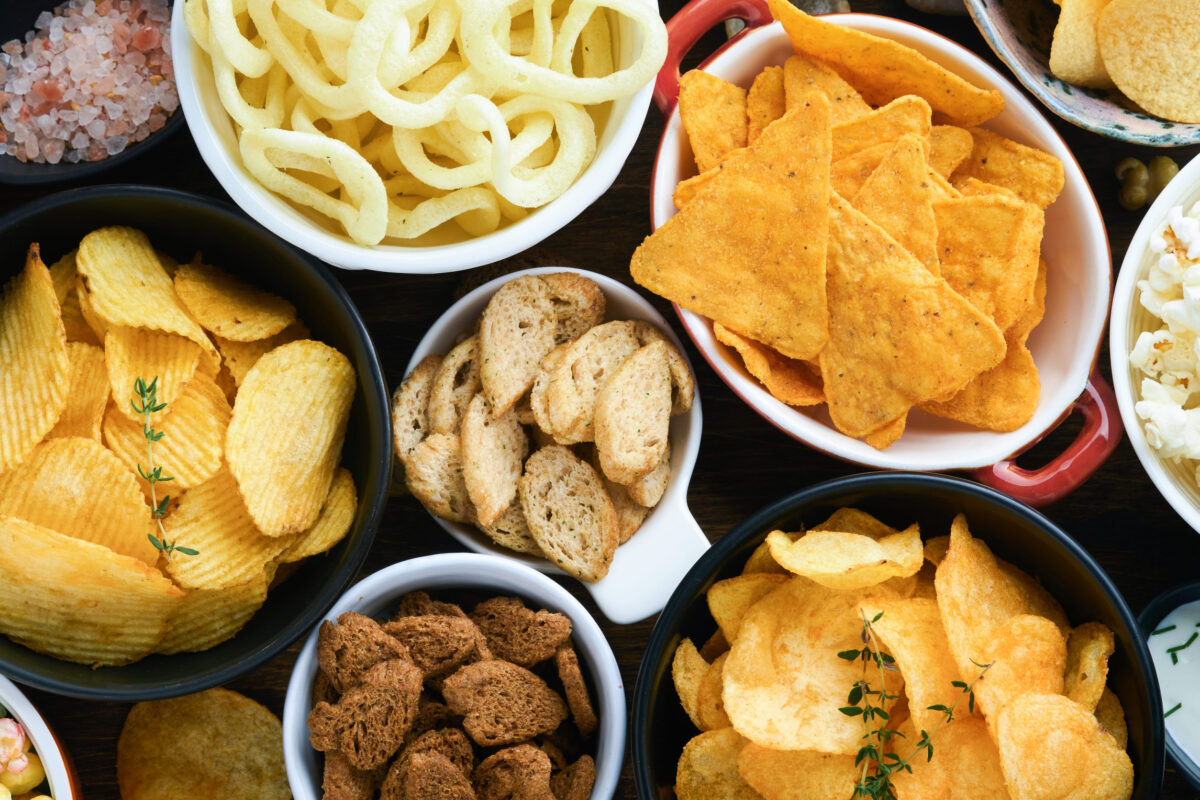
Packaged snacks are designed to keep your hand going back into the bag. Chips, crackers, cheese puffs, flavored pretzels, and similar snacks often combine refined starch, salt, oils, and very little real nutrition. They can add calories quickly without giving the body much fiber, protein, or useful nutrients.
The danger is not always one snack. It is a habit to eat these foods at work, while watching TV, or whenever boredom hits. Better snack choices include nuts in small portions, fruit with peanut butter, hummus with vegetables, plain popcorn, boiled eggs, or roasted chickpeas.
Processed Meats
Bacon, sausage, hot dogs, salami, pepperoni, and many other deli meats can be hard on the liver when eaten regularly. They tend to be high in saturated fat and sodium, and many are heavily processed. That makes them a poor daily protein choice for people trying to protect their liver health.
Processed meats are also often paired with other liver-stressing foods, such as white bread, fried potatoes, sugary sauces, or fast-food meals. A bacon sandwich or a pepperoni pizza may taste comforting, but it can turn into a heavy mix of refined carbs, fat, and salt. Lean poultry, fish, eggs, beans, lentils, tofu, or smaller portions of lean meat are better choices for regular meals.
Red Meat
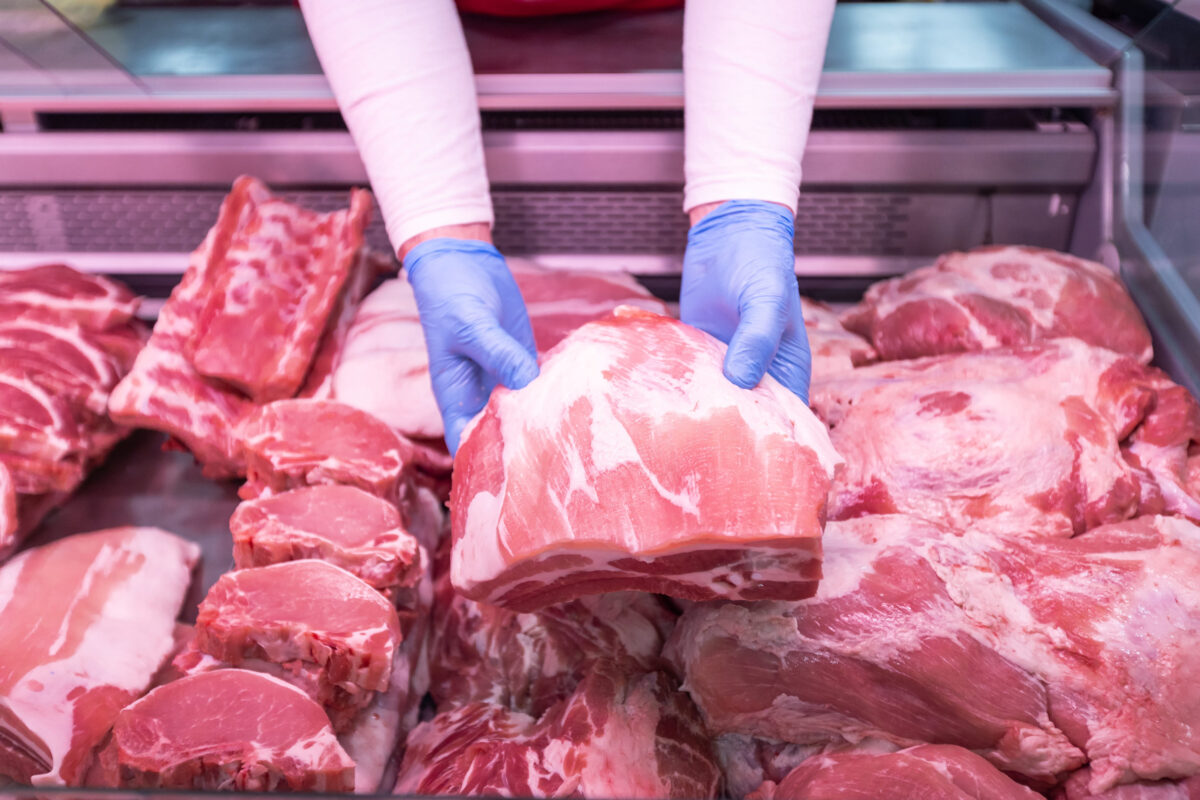
Red meat is not automatically the villain, but fatty cuts raise saturated fat intake. Burgers, ribs, steaks with heavy marbling, and rich meat dishes can push the body toward excess calorie intake. When the overall diet is already high in refined carbs and sugar, frequent red meat can add more pressure.
The smartest approach is balance. Instead of making red meat the center of every plate, use it less often and in smaller portions. Build meals around vegetables, whole grains, legumes, fish, and lean proteins so the liver gets more nutrients and less saturated fat to manage.
Pastries, Cakes, and Donuts
Pastries are dangerous because they hit the liver from multiple angles. They often contain refined flour, added sugar, butter, shortening, cream, or frying oil. That means a muffin, donut, sweet roll, or slice of cake can deliver a heavy mix of fast carbs and unhealthy fats in just a few bites.
These foods also create a hunger trap. They may give you a quick energy boost, but they rarely keep you satisfied for long, so you may end up snacking more. If you want something sweet, smaller portions, homemade baked goods with less sugar, fruit, or yogurt with berries can satisfy the craving without turning dessert into a daily liver burden.
Fried Foods

Fried chicken, French fries, onion rings, fried fish, samosas, and battered snacks can bring a lot of fat and calories into one meal. The crispy texture makes them hard to resist, but frequent fried foods can strain the liver. The issue gets worse when fried meals are paired with soda, white bread, creamy sauces, or oversized portions.
Air frying can help, but only if the food itself changes, too. A heavily battered item cooked with less oil can still be high in refined flour and calories. Grilling, baking, roasting, steaming, or lightly air frying whole foods is a better long-term habit.
Full-Fat Dairy and Sweetened Dairy Products
Whole milk, cream, full-fat cheese, ice cream, and other creamy desserts can raise saturated fat intake when consumed regularly. Sweetened dairy products add another problem because flavored yogurts, milkshakes, and dessert drinks often contain added sugar. That combination can make the liver work harder than it should.
Dairy can still fit into a healthy diet when chosen carefully. Plain yogurt, unsweetened kefir, cottage cheese, and lower-fat milk can be better options. The goal is to avoid turning dairy into a daily mix of cream, sugar, and oversized portions.
Fast Food Meals

Fast food is one of the biggest everyday traps because it brings several risky ingredients together at once. A typical meal may include refined bread, processed meat, fried sides, sugary drinks, salty sauces, and large portions. The liver does not deal with these ingredients separately; it receives the full load at once.
This does not mean you can never eat a burger or pizza again. It means fast food should not become the default answer to hunger, stress, or a busy schedule. When eating out, choose grilled options, skip sugary drinks, reduce fried sides, ask for sauces on the side, and add vegetables where possible.
Conclusion
Fatty liver risk often builds quietly through routine choices, not a single dramatic mistake. White bread, sugary cereal, soda, packaged snacks, processed meats, red meat, pastries, fried foods, full-fat dairy, and fast food can all become a problem when they dominate the weekly diet. The liver can handle a lot, but it was never meant to process a constant stream of sugar, refined starch, saturated fat, and excess calories.
The good news is that better choices do not have to feel miserable. Whole grains, beans, vegetables, fruit, lean proteins, fish, nuts, plain yogurt, and unsweetened drinks can help shift the body in a healthier direction. A liver-friendly diet is not about fear. It is about giving one of the body’s hardest-working organs fewer battles to fight every day.