8 Household Mistakes That Secretly Make Life More Stressful
Stress does not always walk into the house wearing a dramatic face. Sometimes, it hides in a kitchen drawer that never closes, a laundry basket that keeps growing, a bill forgotten under a pile of mail, or a living room that looks “almost clean” but never feels peaceful. The home is supposed to be the place where the body exhales, but small household mistakes can slowly turn it into another source of pressure.
The strange thing is that most of these mistakes look harmless at first. You tell yourself you will sort the clutter later, wash the dishes in the morning, fix the broken handle next weekend, or organize the closet when life gets less busy. But life rarely gets less busy on its own. When small messes pile up, they create quiet friction, making everyday routines feel heavier than they should.
Letting Clutter Live in Every Corner
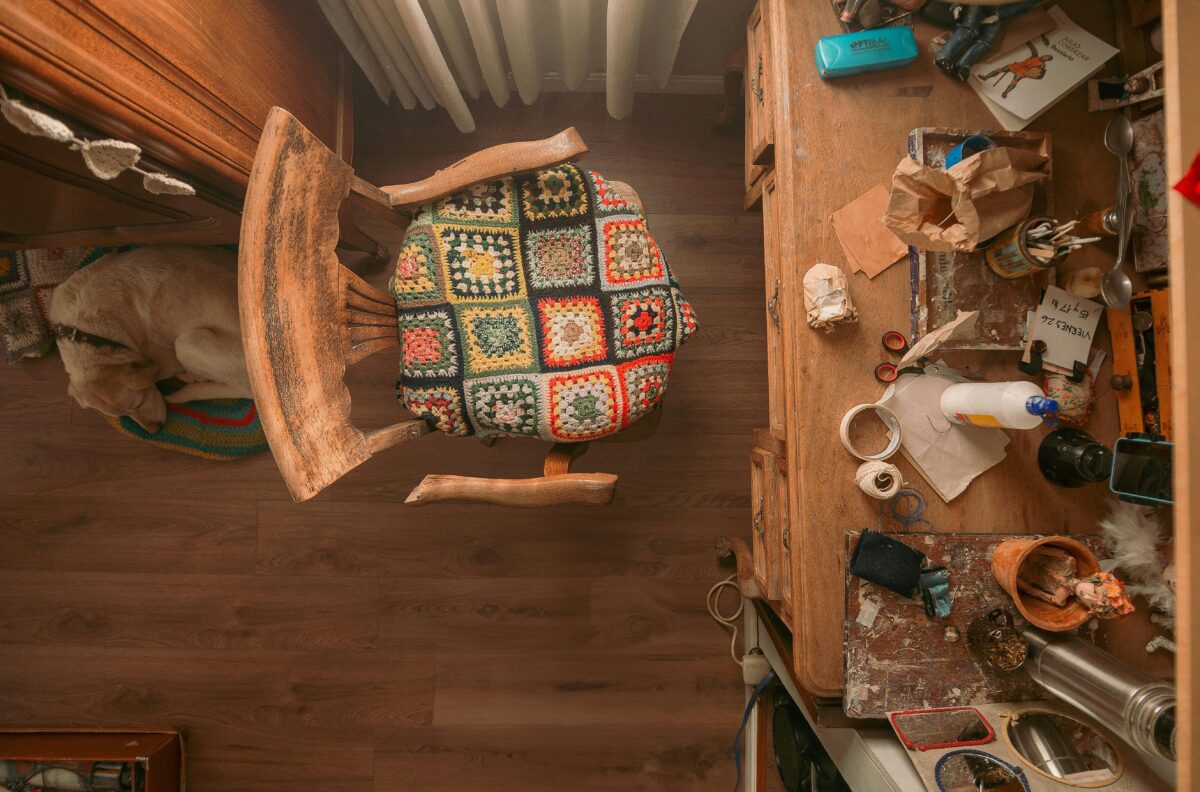
Clutter is not just “stuff.” It is visual noise that keeps reminding your brain there is something unfinished. A chair covered with clothes, a counter full of receipts, and a table buried under random items may seem normal after a while, but they still send small signals of disorder every time you pass them. The house begins to feel busy even when nothing is happening.
The real problem with clutter is that it steals time in tiny pieces. You look for keys longer than you should, move five things to find one thing, and clean around objects rather than properly clean surfaces. A cluttered home does not always look like a disaster, but it can make simple tasks feel strangely exhausting. The fix is not to become a minimalist overnight. It is to give every common item a clear home and stop letting temporary piles become permanent furniture.
Ignoring the Entryway
The entryway sets the emotional tone of the house. If the first thing you see when you walk in is a storm of shoes, bags, loose papers, umbrellas, jackets, and random packages, your brain receives stress before you even sit down. A messy entryway can make the whole home feel more chaotic than it really is.
This space matters because it handles daily transitions. It is where you leave work mode, school mode, and the noise of the day behind. When that area is disorganized, mornings become slower and evenings feel less calming. A simple shoe spot, key tray, bag hook, and mail basket can make the entrance feel less like a dumping ground and more like a landing zone. The goal is not perfection. The goal is to make your first step into the house feel less like a problem.
Leaving Dishes Until They Become a Mountain
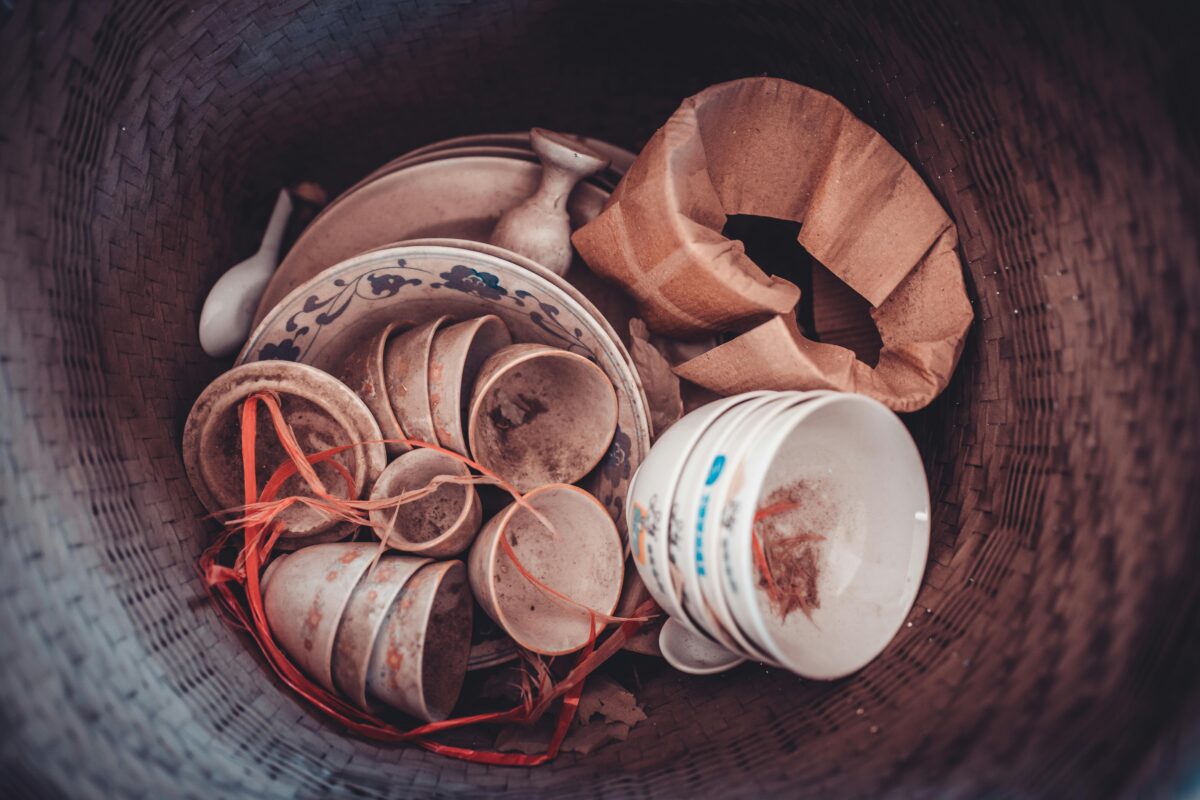
A few dirty dishes in the sink are easy to ignore. Then breakfast plates meet lunch bowls, dinner pots join the pile, and suddenly the kitchen feels like it has a personality problem. The sink becomes a place you avoid, and cooking starts feeling harder because the tools you need are trapped under yesterday’s mess.
Dirty dishes create stress because they block the heart of the home. You cannot make coffee peacefully when the counter is crowded. You cannot cook easily when the pan you need is still greasy. Even worse, dishes have a way of making the entire kitchen look dirtier than it is. A quick evening reset can change the mood of the next morning. Waking up to a clear sink feels small, but it gives the day a cleaner start.
Keeping Too Many “Just in Case” Items

Every home has a few “just in case” items. The problem begins when the phrase becomes an excuse for keeping broken gadgets, old cables, empty boxes, unused appliances, mystery containers, expired products, and clothes nobody has worn in years. These items take up physical space, but they also take up decision space because they force you to keep managing things you rarely use.
The emotional weight of these items is sneaky. You may feel guilty throwing them away, anxious that you might need them later, or overwhelmed because sorting them feels like a major project. So they stay, and the house becomes harder to organize. A useful question is simple. Would I buy this again today? If the answer is no, it may not deserve premium space in your home. Keeping fewer things often makes the items you truly need easier to find, clean, and enjoy.
Treating Laundry Like One Giant Event

Laundry becomes stressful when it is treated like a full-day punishment rather than a small, repeated routine. Clothes pile up until the basket overflows, clean laundry sits unfolded for days, and everyone starts searching through piles for socks, uniforms, towels, or work clothes. What should be a basic chore becomes a weekly emotional battle.
The trick is to stop letting laundry pile up. Smaller loads are easier to wash, dry, fold, and put away. The most stressful part is often not washing the clothes but finishing the cycle. Clean laundry that never reaches drawers still creates clutter and frustration. A good routine does not have to be fancy. Wash, dry, fold, and return items to their place as one complete task. Half-finished laundry is still a mess, wearing clean perfume.
Overloading Counters and Surfaces
Counters are working spaces, not storage units. When kitchen counters, bathroom sinks, bedside tables, and dressers are covered with random objects, the whole home feels busier. Even a clean house can feel messy when every flat surface is occupied.
Overloaded surfaces make daily tasks slower. Cooking becomes irritating because there is no prep space. Getting ready in the morning takes longer because products are scattered everywhere. Cleaning becomes harder because every wipe-down begins with moving objects around. Clear surfaces give the home breathing room. You do not need bare counters everywhere, but the things left out should earn their place. If an item is used daily, it can stay nearby. If it is used once a month, it belongs in a drawer, cabinet, basket, or closet.
Delaying Small Repairs
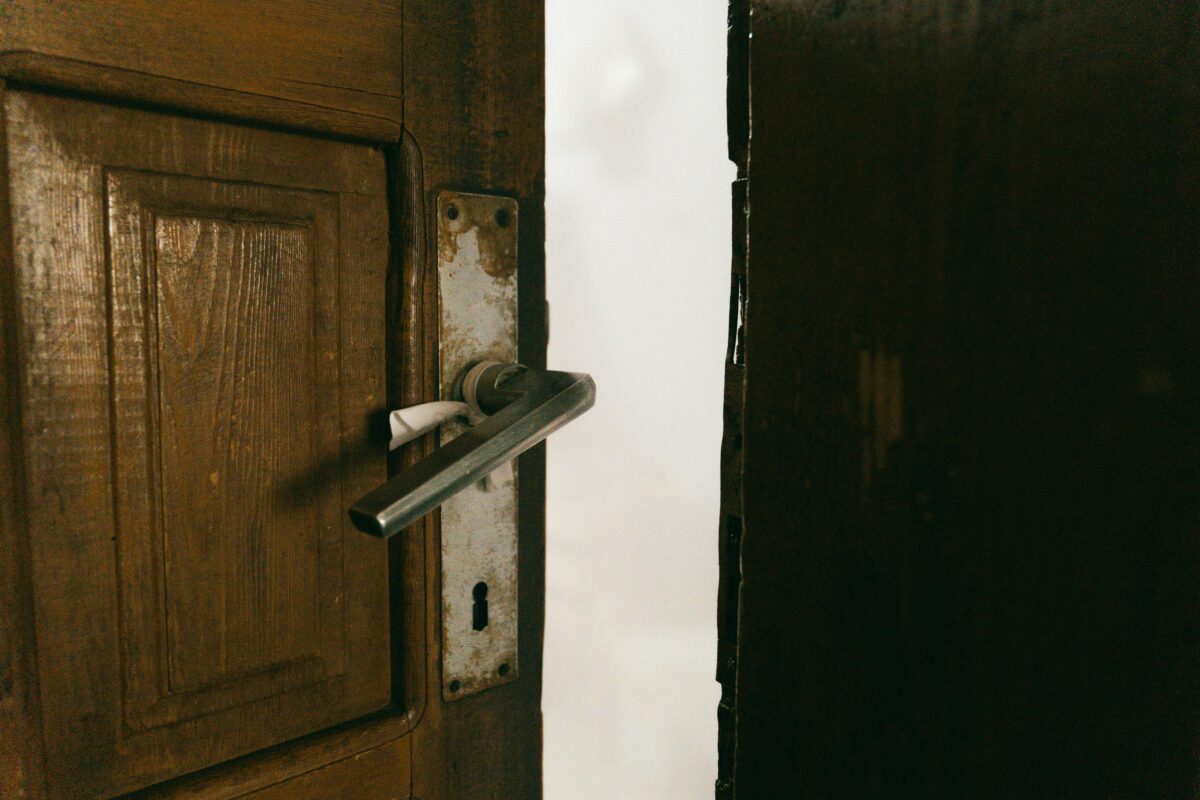
A loose handle, flickering bulb, squeaky door, leaking tap, broken drawer, or wobbly chair may seem too small to worry about. But small repairs can cause daily irritation when ignored. Every time you struggle with the same broken thing, your home reminds you that something is unfinished.
The stress comes from repetition. One squeaky door is not a crisis, but hearing it every morning can become deeply annoying. A drawer that jams once is tolerable, but fighting it every day turns a tiny flaw into a regular frustration. Small repairs often take less time than the energy spent complaining about them. Keeping a simple repair list can help. When you have a free hour, fix the easiest problem first. Quick wins make the home feel more cared for and less demanding.
Having No Evening Reset
Many people end the day by simply stopping. The dishes stay where they are, cushions remain scattered, clothes sit on the floor, bags stay unpacked, and tomorrow’s items remain unprepared. By morning, the house greets everyone with yesterday’s leftovers, and the day starts with a quiet sense of being behind.
An evening reset does not need to be long or dramatic. Ten to twenty minutes can make a real difference. Clear the main surfaces, load or wash the dishes, return shoes and bags, prepare clothes if needed, and put away the most visible clutter. This small habit gives the morning a softer landing. A home does not have to be spotless at night, but it should feel ready to help you tomorrow instead of ambushing you before breakfast.
Conclusion
A stressful home is not always dirty, broken, or badly managed. Sometimes, it is simply full of unfinished little things that keep asking for attention. Clutter asks to be moved. Dishes ask to be washed. Laundry asks to be folded. Repairs are asked to be handled. Surfaces ask to be cleared. None of these things screams alone, but together they create a steady background noise that makes life feel heavier.
The good news is that household stress can be reduced without a dramatic makeover. Start with the areas that affect your day the most. Clear the entryway, reset the kitchen, finish the laundry cycle, repair one annoying thing, and protect your surfaces from becoming storage zones. These small changes create a home that feels less demanding and more supportive.