10 Dangerous Trends Quietly Making the World More Unstable According to Bill Gates
Humanity does not face one single disaster. It faces a stack of problems that feed on each other, from poverty and disease to pandemics, climate shocks, cybercrime, and risky spending on artificial intelligence.
Bill Gates has recently argued that climate change remains serious, but global strategy should put human welfare at the center rather than treating emissions alone as the sole measure of success. His view is clear: the poorest people need stronger health systems, better food security, and economic resilience to survive the shocks already on the way.
The Next Pandemic Could Arrive Before the World Is Ready

COVID proved that a virus can shut borders, break hospitals, damage economies, and divide societies within months. Gates has repeatedly warned that the world remains underprepared for another major outbreak.
The danger is not just biology. Weak surveillance, poor coordination, misinformation, and political distrust can turn a controllable outbreak into a global emergency.
The AI Investment Bubble Could Waste Historic Amounts of Money
Gates remains optimistic about artificial intelligence, but he has also warned that some AI investments may prove dead ends. The risk is not AI itself, but reckless spending without clear value.
If companies pour billions into data centers, tools, and hype-driven projects that fail, the economic waste could be enormous. That money could have funded medical research, disease prevention, education, or poverty reduction.
Drug-Resistant Superbugs Could Break Modern Medicine
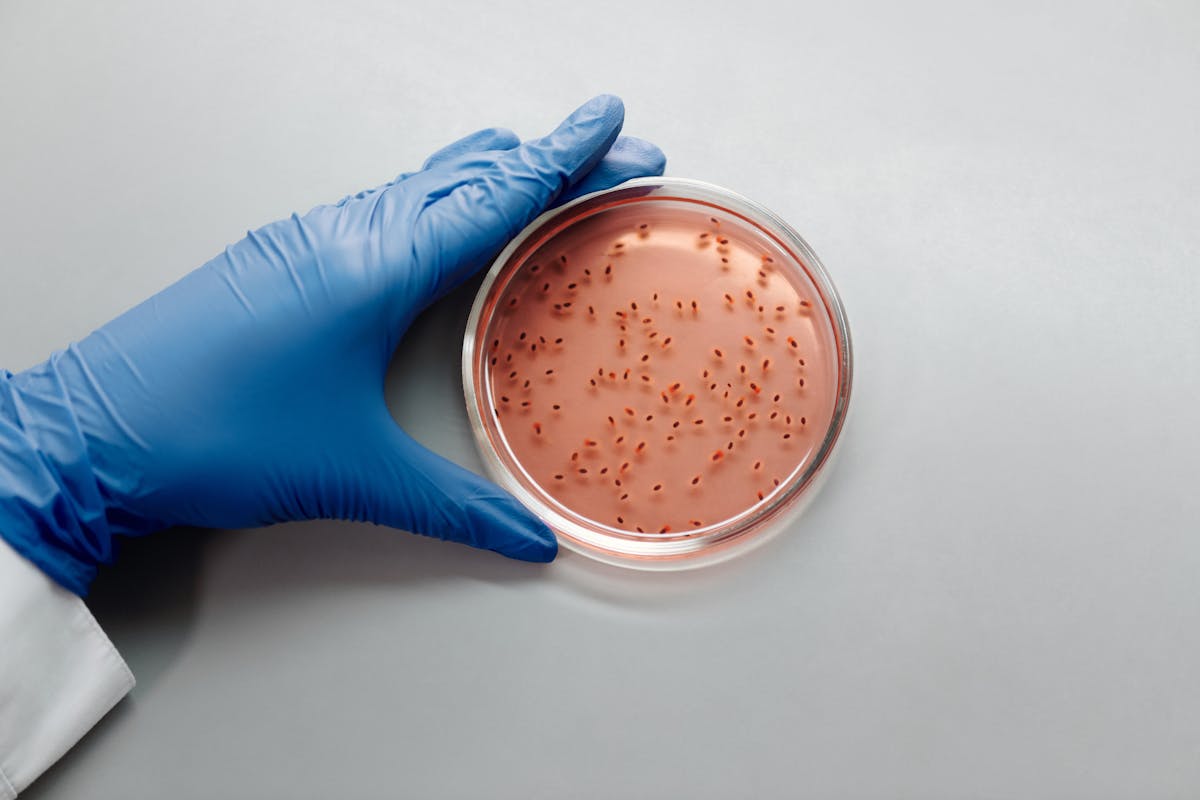
Antimicrobial resistance is already killing people, and the future looks worse without aggressive action. The Lancet-linked global analysis estimated more than 39 million direct deaths from bacterial antimicrobial resistance between 2025 and 2050.
This threat reaches far beyond infections. Surgery, cancer treatment, childbirth, and intensive care all become riskier when antibiotics stop working.
Global Health Funding Cuts Could Reverse Decades of Progress
Health funding is one of the quietest threats because it does not explode overnight. It weakens clinics, slows vaccine access, and leaves deadly diseases room to return.
The Gates Foundation pledged $912 million for 2026 to 2028 to the Global Fund to fight AIDS, tuberculosis, and malaria, warning that cuts could damage one of the world’s most successful lifesaving efforts.
Climate Instability Is Making Other Crises Worse
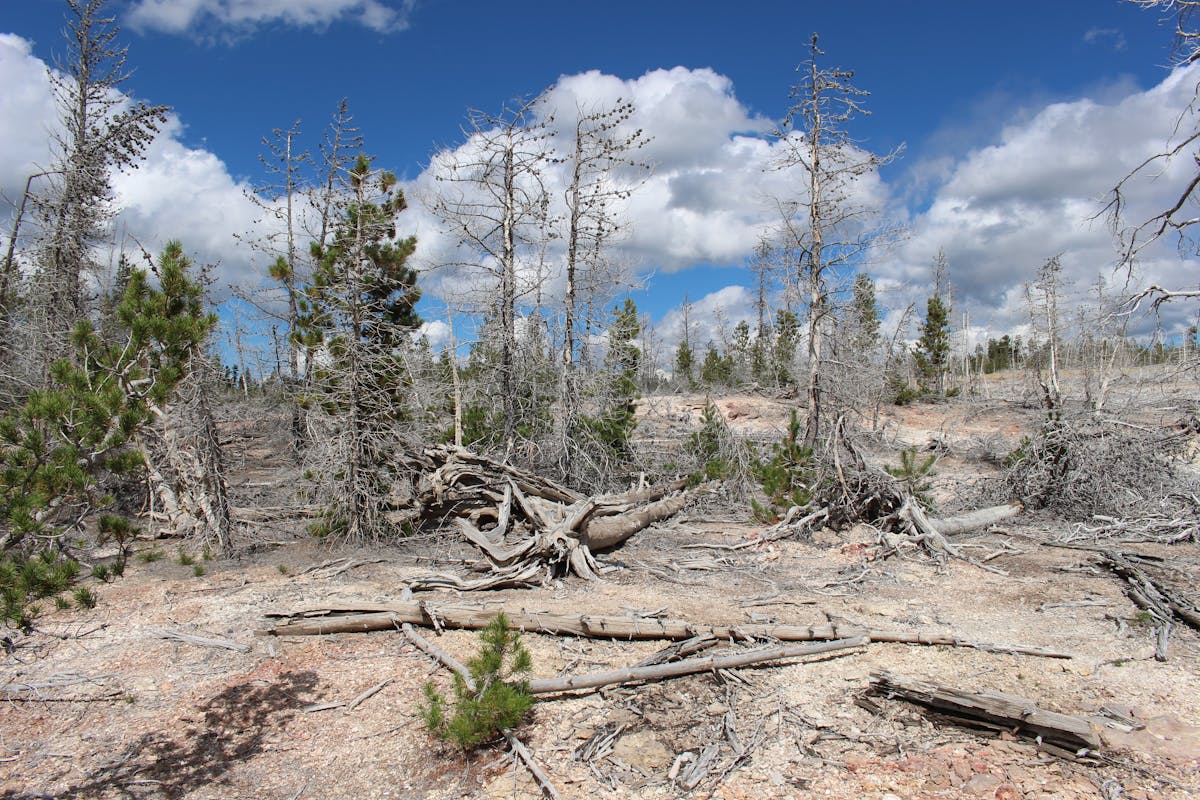
Gates’ updated climate argument is not that warming is harmless. It is that climate change becomes most deadly when it hits poor, unhealthy, and food-insecure communities.
Heat, drought, floods, crop failure, and migration can weaken governments and intensify conflict. Climate action still matters, but resilience matters too.
Poor Climate Spending Choices Could Hurt the Most Vulnerable
Gates argues that climate spending should be judged by human impact. A project that cuts emissions but does little for people in danger may not deserve priority over health care, nutrition, disease prevention, or agricultural resilience.
The smarter path is balanced. Cut emissions, fund innovation, and protect vulnerable communities simultaneously.
Cybercrime Is Draining Trillions From the Global Economy
Cybercrime is no longer a side issue for tech departments. It threatens banks, hospitals, governments, power grids, schools, and ordinary families.
A major cyberattack can freeze payment systems, expose private data, shut down public services, and drain resources that could have been devoted to health, education, or infrastructure.
Extreme Poverty Is Still Humanity’s Deepest Weak Spot

Extreme poverty makes every global crisis more dangerous. A drought becomes a hunger crisis, a disease outbreak becomes a death wave, and a lost job becomes a family emergency.
The World Bank projected that global extreme poverty would fall only slightly from 10.3% in 2024 to 10.1% in 2025, underscoring how slow progress has become. Sub-Saharan Africa remains the hardest-hit region, with poverty concentrated in fragile and conflict-affected areas.
Food Insecurity Is Becoming a Global Pressure Point
Food insecurity turns climate stress into a kitchen-table crisis. Families feel it through higher prices, smaller portions, poor nutrition, and unstable farm incomes.
The solution is not only growing more food. It includes climate-resilient crops, better fertilizers, stronger supply chains, and support for small farmers who feed large parts of the world.
Bioterrorism Is a Terrifying Man-Made Risk
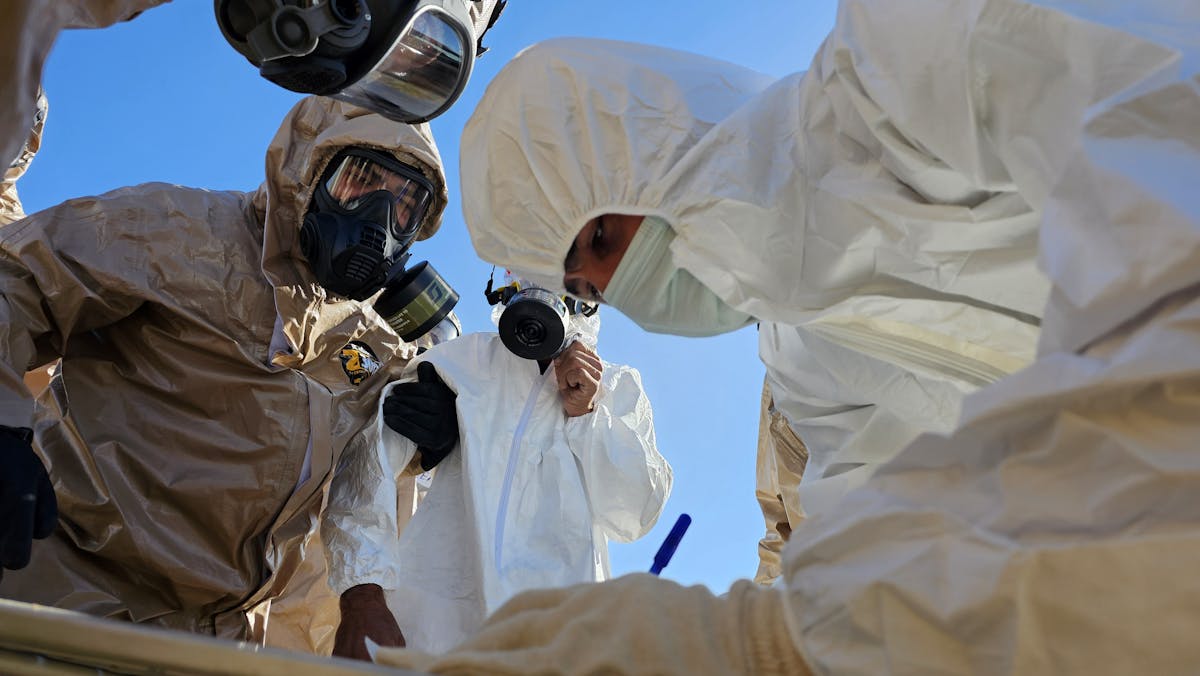
A natural pandemic is frightening enough. A deliberately engineered pathogen would be worse because it could be designed to spread faster, evade detection, or target vulnerable systems.
The biggest concern is dual-use science. The same tools that help researchers fight disease can also be misused by bad actors with enough knowledge, money, and access.
Final Takeaway
Bill Gates’ warning is not about one apocalypse. It is about fragile systems breaking simultaneously.
The clearest lesson is simple: humanity needs cleaner energy, stronger health systems, better food security, smarter technology, and deeper investment in the world’s poorest communities. The future will be safer when survival, dignity, and resilience become the real measure of progress.