8 Toxic Impacts of Comparing Your Love Life on Social Media
Love was never meant to be measured against filtered photos, romantic captions, surprise proposal videos, or vacation reels from people you barely know. Yet social media has turned private relationships into public displays, where many people silently compare their quiet realities to someone else’s polished highlight reel.
A simple scroll can make a caring partner look boring, a peaceful relationship feel empty, and a normal season of love seem like something is missing. Comparing your love life on social media can slowly poison the way you see romance.
It can make you doubt what is real, chase what only looks impressive, and forget that many happy couples do not post every meaningful moment online. Behind many smiling photos are arguments, stress, bills, distance, insecurity, and private problems nobody puts in a caption. Here are 8 toxic impacts of comparing your love life on social media.
It Makes Ordinary Love Feel Like Failure
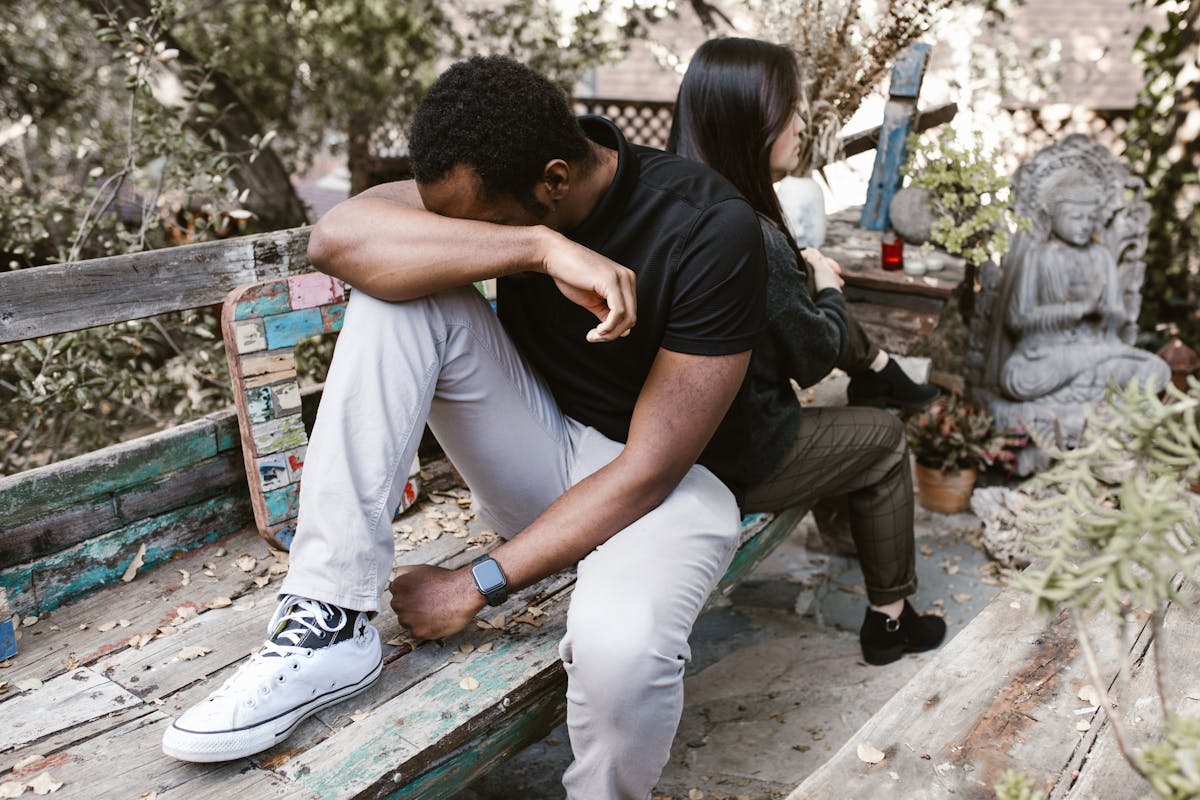
Social media often presents love as a constant stream of grand gestures. People post flowers, luxury dinners, matching outfits, beach vacations, anniversary surprises, and long emotional captions that make romance look effortless.
When you keep seeing those moments, your own relationship can start to feel too quiet, too simple, or too ordinary.The danger is that ordinary love is often the most real kind. A partner who checks on you, listens after a hard day, remembers small details, and stays consistent may not look dramatic online, but that kind of love has deep value.
Comparing your relationship to staged moments can make you overlook the peace, loyalty, and comfort already present in your relationship.
It Creates Unfair Expectations for Your Partner
Online couples can make romance look like a full-time performance. You may begin to expect your partner to plan surprises, post to you often, write emotional captions, buy expensive gifts, and create picture-perfect memories every week.
When that does not happen, disappointment can sneak in, even if your partner is loving you in honest and practical ways.This kind of comparison puts pressure on the relationship. Your partner may feel like they are competing with strangers, influencers, friends, and couples who only show the best parts of their lives.
Love should involve effort, but it should not become a contest where your partner must constantly prove their value through public displays.
It Feeds Insecurity and Self-Doubt

Comparing your love life online can make you question your worth. You may wonder why someone else seems more adored, more desired, more spoiled, or more publicly celebrated. Even when your relationship is healthy, constant comparison can make you feel like you are receiving less than you deserve.
This insecurity can slowly change your behavior. You may start asking for more proof, more posts, more compliments, or more public attention just to feel secure.
The problem is that online validation rarely satisfies emotional insecurity for long. Once you depend on outside approval, your peace becomes tied to likes, comments, views, and other people’s opinions.
It Turns Private Love Into Public Pressure
Some people love privately because that is their nature. They may care deeply, stay loyal, show up consistently, and protect the relationship without posting every detail.
Comparing social media profiles can make this privacy look suspicious or inadequate, even when the relationship itself is strong. A partner who posts less does not automatically love less. Some people prefer to keep sacred things away from public judgment.
The real measure of love should be how someone treats you when nobody is watching. Public posts can be sweet, but private respect, honesty, patience, and emotional safety matter far more.
It Encourages Jealousy Over Other People’s Happiness
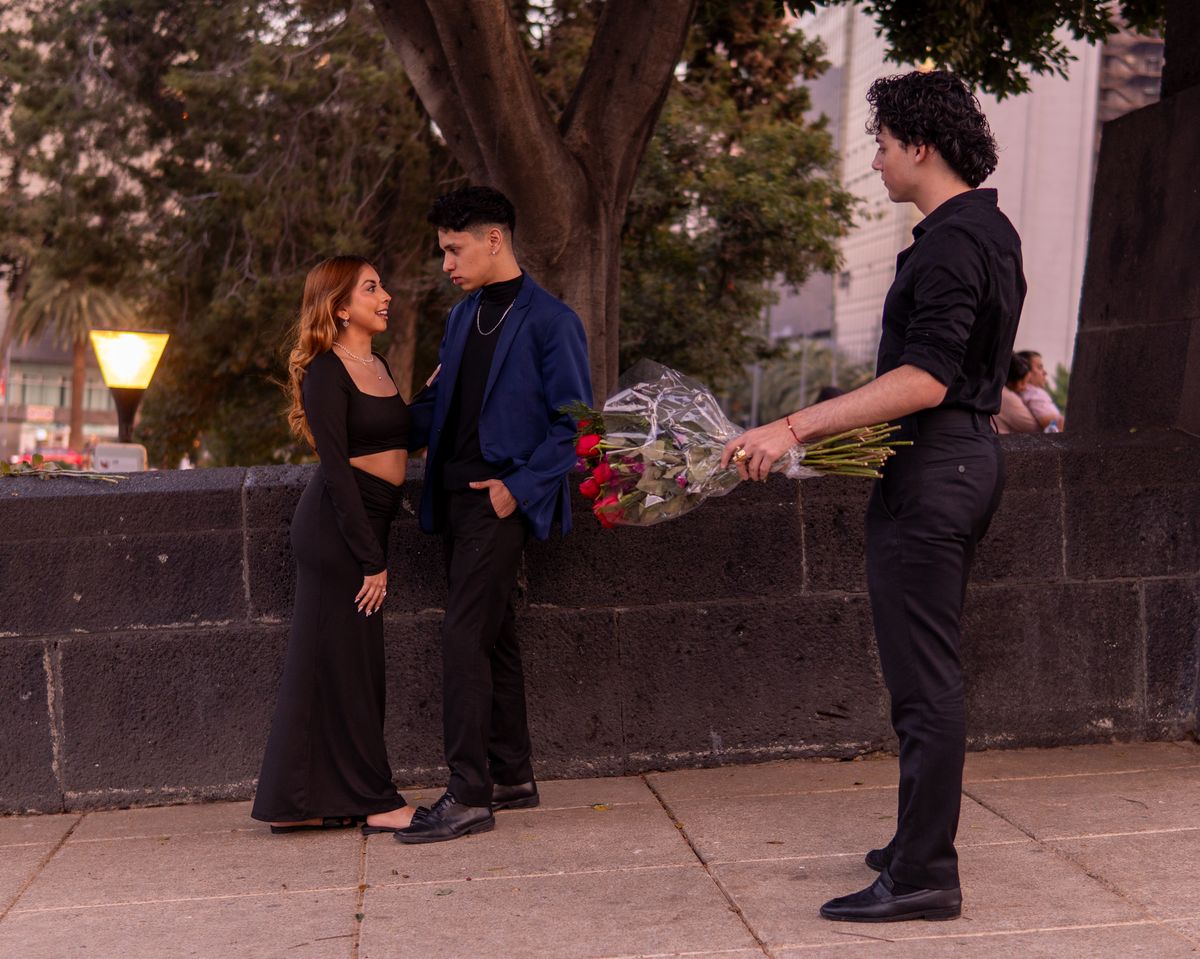
Social media makes it easy to treat another couple’s joy like a personal insult. A friend gets engaged, a coworker receives flowers, a stranger goes on a romantic trip, and suddenly your own relationship feels behind.
You may start comparing timelines, gifts, commitment levels, and romantic effort in ways that create unnecessary jealousy. Jealousy becomes toxic when it makes you resent people for having moments you want.
Someone else’s proposal does not mean your relationship is failing. Someone else’s romantic dinner does not mean your partner is careless. Their happiness is not proof of your lack. Social media comparison tricks you into seeing love as a race instead of a personal journey.
It Makes You Ignore the Love You Already Have
Every person expresses love differently. Some people use words, some use actions, some offer financial support, some offer emotional steadiness, and some show love through loyalty and quiet sacrifice.
Social media often rewards the most visible forms of affection, not always the most meaningful ones. When you compare your love life online, you may miss the ways your partner already shows up. Maybe they do not write long captions, but they defend you when it matters.
Maybe they do not plan glamorous trips, but they help carry your stress. Maybe they are not flashy, but they are dependable. The love that protects you may not always be the love that photographs well.
It Causes Arguments That Do Not Need to Happen
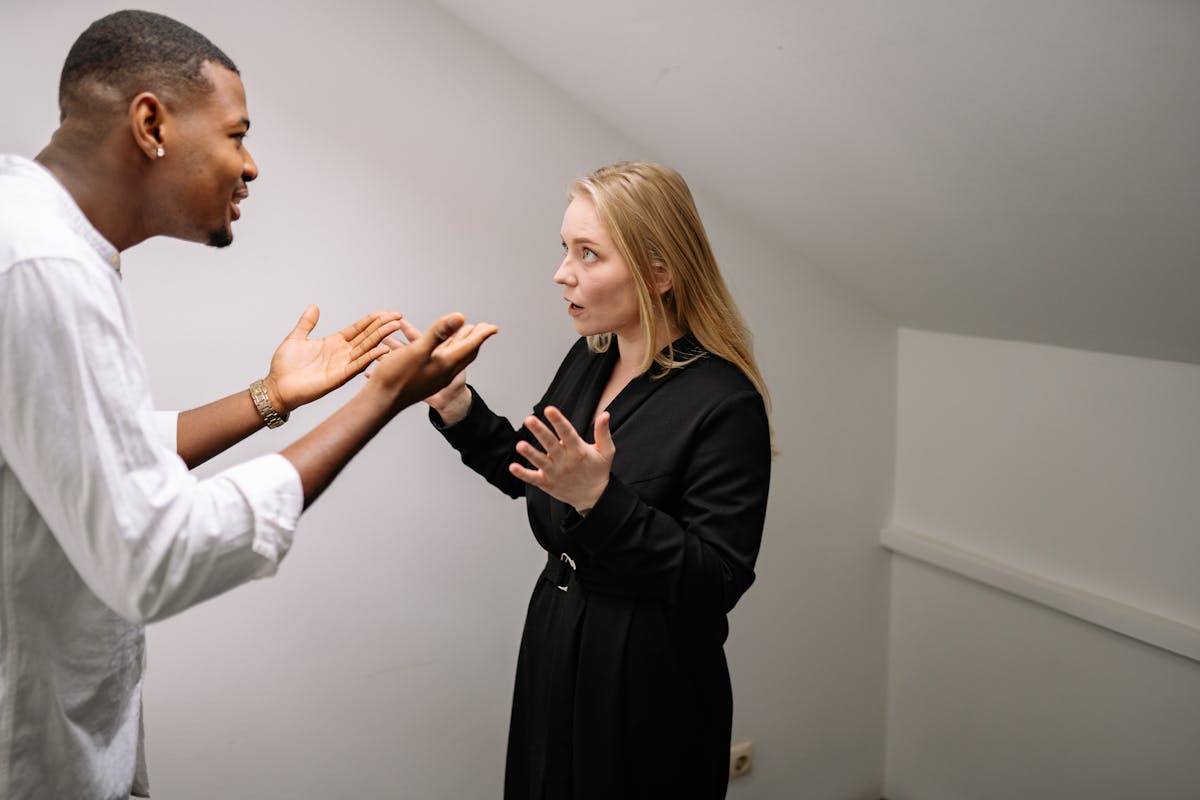
Comparison can turn small frustrations into major conflicts. You may begin saying things like other couples do more, other partners are more romantic, or other relationships look happier.
Even when you do not mean harm, those words can make your partner feel judged, rejected, or constantly measured against people they do not know. Over time, this can create emotional distance. Your partner may stop trying because their efforts never seem to be enough.
They may feel like the relationship has become a performance review instead of a safe place. Many arguments begin not because love is missing, but because comparison has made appreciation harder to feel.
It Makes You Chase Image Instead of Intimacy
The most toxic impact of comparing your love life on social media is that it can shift your focus from connection to appearance. You may stop asking whether your relationship feels peaceful, honest, kind, and emotionally safe.
Instead, you may start asking whether it looks exciting, impressive, romantic, or enviable to others. That shift can quietly damage real intimacy. A relationship can look perfect online and still feel lonely in private. Another relationship can look simple online and still be full of trust, laughter, and deep care.
The goal should never be to create a love story that impresses strangers. The goal should be to build a relationship that feels safe, honest, and meaningful when the phone is put away.
Conclusion
Comparing your love life on social media can make real love look smaller than it is. It can turn peace into boredom, privacy into suspicion, and another person’s happiness into a reason to doubt your own relationship.
The more you compare, the easier it becomes to forget that social media rarely shows the full story. Healthy love does not always come with perfect photos, public captions, or dramatic surprises. Sometimes it looks like patience, loyalty, forgiveness, laughter, consistency, and quiet support through difficult seasons.
When you stop measuring your relationship against online highlights, you give yourself the chance to see what is actually there. A love that feels safe in real life is far more valuable than one that only looks perfect on a screen.