10 Painful Reasons the Housing Market Feels Impossible Right Now
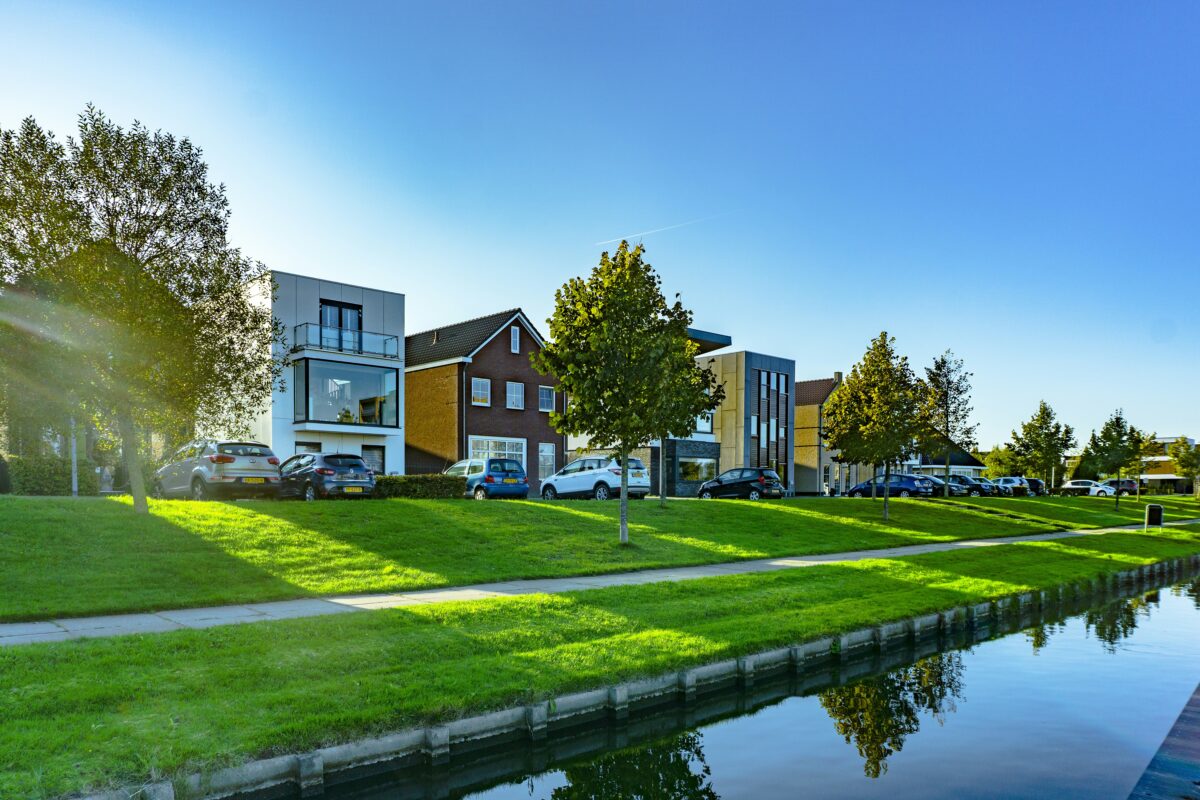
Buying a home used to feel like a hard but reachable milestone. Now, for many Americans, it feels like trying to climb a wall that keeps getting taller every month. Prices remain high, mortgage payments are brutal, and even ordinary starter homes can feel priced like luxury properties.
The housing market did not become expensive overnight. It was pushed there by a mix of low supply, costly loans, investor pressure, construction delays, wage gaps, and years of underbuilding. These are the major reasons the dream of homeownership now feels painfully out of reach.
There Are Not Enough Homes for Everyone Who Wants One
The biggest reason housing feels so expensive is simple: there are too many buyers chasing too few homes. When inventory stays tight, sellers gain power, and buyers are forced to compete harder. That competition pushes prices up, especially in popular cities, suburbs, and school districts. Even when demand cools, the shortage keeps the market from becoming truly affordable.
Mortgage Rates Have Made Monthly Payments Much Heavier

A house price is only part of the pain. The monthly mortgage payment is what scares many buyers away. Higher interest rates can add hundreds of dollars to a payment, even when the home price stays the same. That means a buyer who could afford a home a few years ago may now be priced out of the same neighborhood.
Home Prices Rose Faster Than Wages
The market feels unfair because paychecks have not kept up with home values. Many workers have seen their incomes rise, but not fast enough to keep pace with the jump in housing costs. This creates a painful gap between what families earn and what homes actually cost. A house that once looked middle-class now feels like a prize reserved for the already wealthy.
Builders Have Not Built Enough Starter Homes
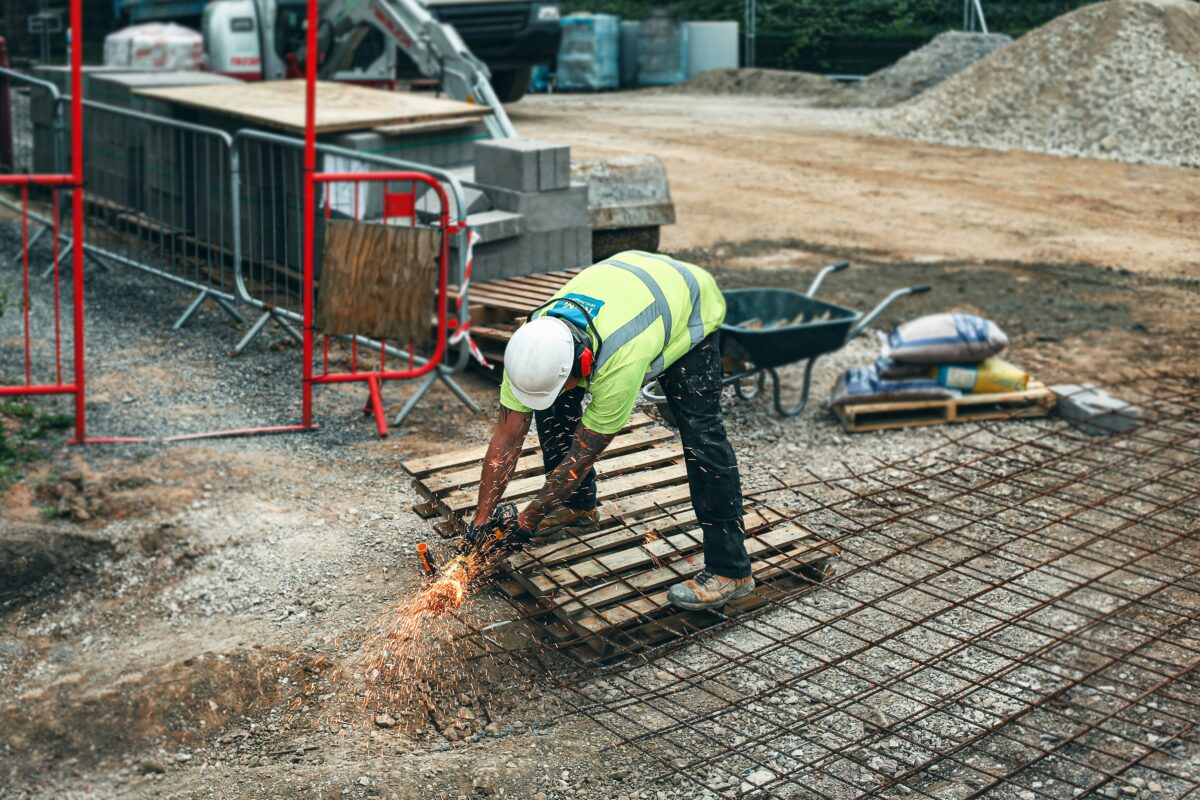
Many builders focus on larger, more expensive homes because those projects often yield better profits. That leaves first-time buyers fighting over a smaller pool of affordable houses. Starter homes are supposed to be the entry point into ownership, but in many markets, they have almost vanished. Without enough smaller homes, young buyers get pushed into renting for longer.
Construction Costs Keep Pushing Prices Higher
Building a home has become more expensive because labor, land, materials, insurance, and permits all cost more than they used to. Builders pass many of those costs to buyers because they still need to protect their margins. Even when demand weakens, construction costs can keep prices from falling much. This makes new homes expensive before they even hit the market.
Homeowners With Cheap Mortgages Are Staying Put
Many current homeowners locked in very low mortgage rates years ago, and they do not want to give them up. Selling their home could mean buying another one with a much higher monthly payment. So they stay where they are, even if they would normally move. This keeps more homes off the market and leaves buyers with fewer choices.
Investors Have Added More Competition

In some areas, regular families are not only competing with other families; they are also competing with other families. They are also competing with investors, landlords, and companies looking for rental income or long-term gains. Investors may have cash, speed, and negotiation power that ordinary buyers cannot match. When too many homes become assets first, and shelter second, affordability gets squeezed.
Popular Cities Are Running Out of Room
Some of the most expensive housing markets are expensive because people still want to live there, but there is limited space to build. Jobs, schools, hospitals, transportation, and lifestyle options pull people into the same high-demand areas. At the same time, zoning rules and land shortages can limit new supply. The result is a market where location becomes a luxury product.
Rent Is So High That Saving Gets Harder
High rent traps many would-be buyers before they even reach the mortgage stage. When a large share of income goes to rent, saving for a down payment becomes painfully slow. Rising rents also make it harder to cover moving costs, closing costs, emergency savings, and debt payments. This means renters can feel stuck paying more without getting closer to ownership.
The Market Rewards Wealth That Already Exists
The housing market often works best for people who already own property, have family help, or can bring a large down payment. Buyers with lower savings face greater pressure, fewer options, and greater financial risk. This creates a cycle in which homeownership builds wealth for some while remaining out of reach for others. The market becomes less about hard work and more about who entered early.
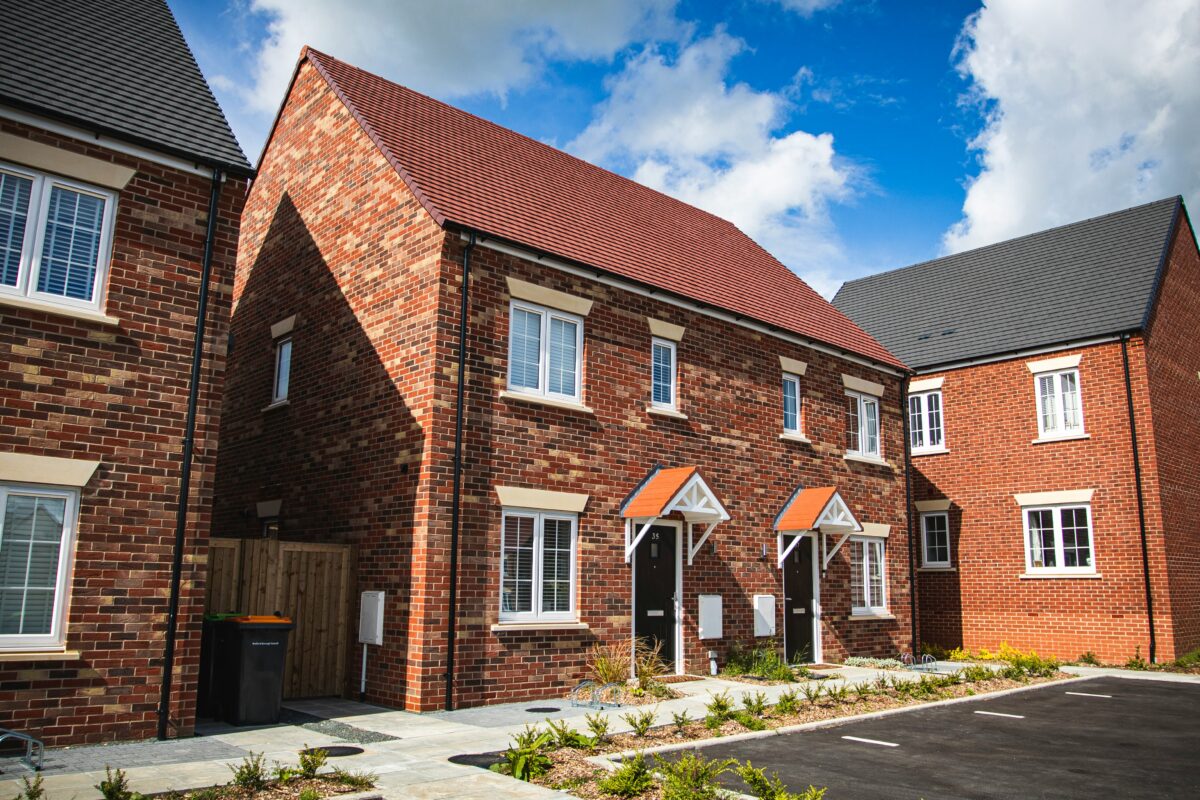
The housing market is expensive because several problems are happening at the same time. Homes are scarce, borrowing costs are high, wages have lagged, construction is costly, and many owners are holding onto low mortgage rates. No single fix will make homes affordable again overnight.
Still, the crisis is not impossible to understand. Housing became painful because the system stopped producing enough affordable homes for ordinary people. Until supply improves, incomes catch up, and monthly payments become realistic again, many buyers will keep feeling like the front door to homeownership is locked from the inside.