10 Breakfast Choices Doctors Warn Against
Breakfast is often called the most important meal of the day, yet some of the most common morning choices can do more harm than good. What seems convenient or tasty may actually spike blood sugar, pack in empty calories, or leave you craving more before lunchtime. Doctors frequently caution against these habits, not to spoil your morning, but to prevent long-term health issues.
The right breakfast fuels energy, stabilizes mood, and supports metabolism, but the wrong one can do the opposite. Understanding which foods to avoid can help Americans make smarter choices that satisfy both taste buds and wellness goals. The following list highlights 10 popular breakfasts that often draw medical criticism.
Sugary Cereals

Colorful boxes and cartoon mascots make sugary cereals appealing, but doctors warn they’re loaded with sugar and low in fiber. Eating these first thing in the morning spikes blood sugar and can trigger mid-morning crashes, leaving you hungry again in no time. Despite the quick energy boost, repeated consumption contributes to weight gain and a higher risk of diabetes.
Adults and children alike are drawn to convenience, yet these cereals often lack lasting nutrition. A switch to whole-grain, low-sugar options with protein can provide the same ease without sacrificing health or energy stability. Understanding labels is key to avoiding hidden sugar traps.
Pastries and Donuts

Fluffy, sweet, and seemingly harmless, pastries and donuts are breakfast favorites that doctors routinely criticize. These foods are rich in refined flour, sugar, and unhealthy fats, making them calorie-dense and nutrient-poor. Regular consumption is linked to weight gain, high cholesterol, and spikes in blood sugar levels.
While convenient for a morning rush, relying on these treats compromises long-term health. Occasional indulgence is fine, but making them a daily habit can undermine energy, mood, and metabolic balance.
Flavored Yogurts
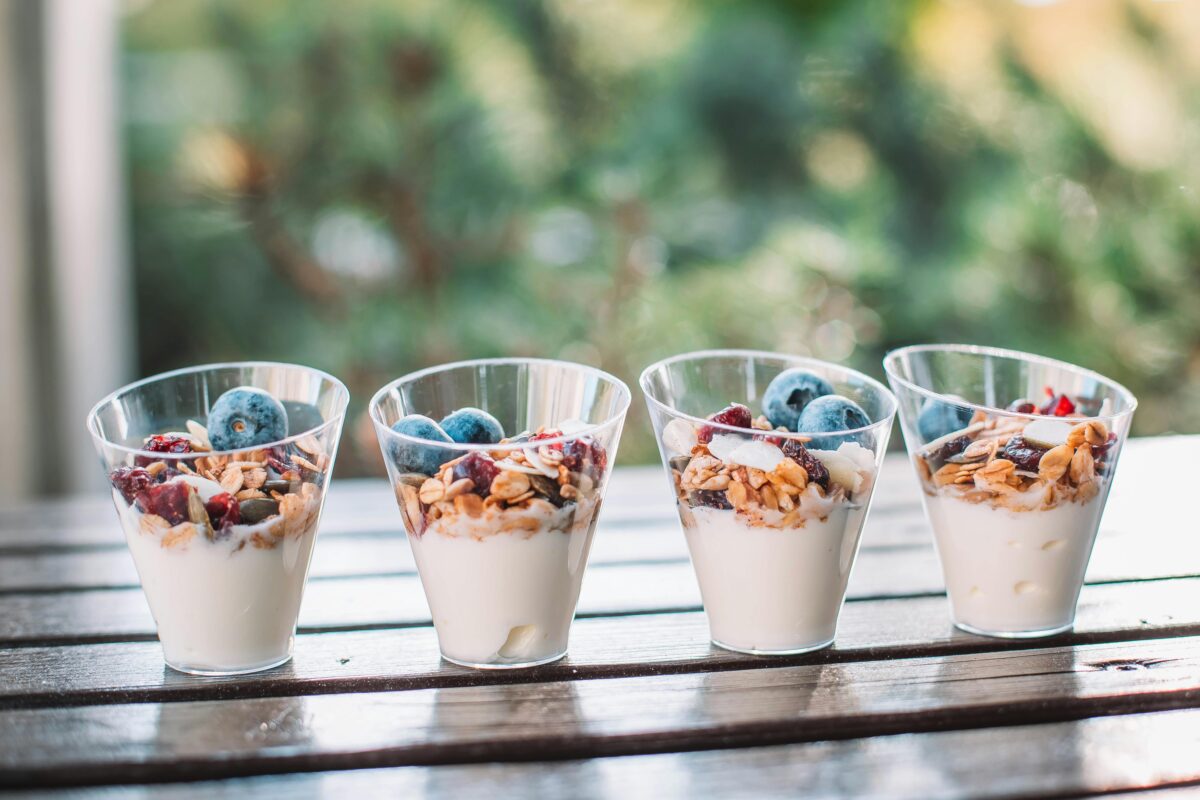
Fruit-flavored yogurts may seem healthy, but many are packed with added sugar. Doctors caution that sugar content can rival that of desserts, turning what should be a protein-rich snack into a hidden sugar bomb. Excess sugar consumption contributes to insulin resistance, inflammation, and cravings later in the day.
Choosing plain yogurt with fresh fruit or nuts can provide protein, probiotics, and fiber without the unnecessary sugar load. This switch supports digestion and helps sustain energy until the next meal.
White Bread Toasts

White bread might be a staple for toast or sandwiches, yet it lacks fiber and essential nutrients. Doctors criticize white bread for causing rapid blood sugar spikes, which can lead to energy crashes and overeating later in the day. Frequent consumption is associated with a higher risk of obesity and metabolic disorders.
Switching to whole-grain or sprouted bread provides slow-releasing carbs, helping to stabilize energy and promote digestive health. Even a small change in bread choice can have lasting benefits for morning nutrition.
Instant Oatmeal Packets
Instant oatmeal packets are convenient but often contain added sugar and artificial flavors. Doctors highlight that these “quick” options can be worse than plain oats, leading to sudden sugar surges. While oatmeal itself is heart-healthy and fiber-rich, the instant sweetened versions undermine those benefits.
Cooking old-fashioned oats and adding your own fruit, nuts, or seeds provides control over sugar content and maximizes nutrition. This ensures a filling, slow-digesting breakfast that supports satiety and energy.
Breakfast Sandwiches from Fast Food
Drive-thru breakfast sandwiches are tempting, but doctors often warn against their saturated fat, sodium, and processed meat content. Regular consumption can raise cholesterol, elevate blood pressure, and contribute to long-term cardiovascular risks. Even seemingly small sandwiches can carry hidden calories that pile up over time.
Making homemade sandwiches with whole-grain bread, lean proteins, and vegetables preserves convenience without compromising health. Mindful choices help balance taste, efficiency, and nutrition.
Fruit Juices

While marketed as healthy, many fruit juices are high in sugar and low in fiber. Doctors warn that drinking juice can raise blood sugar as quickly as soda, negating potential health benefits. Juice also lacks the satiety of whole fruits, leading to quicker hunger and more snacking.
Eating whole fruits instead ensures fiber intake, slower sugar absorption, and longer-lasting energy. This small swap has a big impact on overall metabolic health.
Breakfast Bars and Granola Bars
Packaged breakfast bars often contain sugar, syrups, and refined grains, despite being labeled as “healthy.” Doctors criticize them for providing calories without sufficient protein or fiber, leading to incomplete satiety. Regular consumption can trigger snacking cycles and blood sugar spikes.
Opting for homemade bars or pairing nuts and whole grains gives energy and fullness without unnecessary additives. Smart preparation ensures convenience without compromising health.
Sweetened Coffee Drinks
Coffees loaded with syrups, whipped cream, or flavored creamers may feel like breakfast, but doctors warn that the sugar content rivals that of a dessert. These drinks can disrupt blood sugar balance and add hundreds of unnecessary calories. Even habitual coffee lovers may unknowingly sabotage their morning nutrition.
Switching to black coffee, milk alternatives, or lightly spiced options preserves caffeine benefits without sugar overload. Simple adjustments keep energy high and prevent sugar-related crashes.
Processed Meats

Bacon, sausage, and other processed meats are breakfast staples but often contain high sodium and preservatives. Doctors highlight links to heart disease, hypertension, and increased cancer risk with frequent consumption. While tasty, these choices can outweigh the benefits of a protein-rich morning meal.
Substituting lean meats, eggs, or plant-based proteins provides essential nutrients without harmful additives. Making conscious swaps supports heart health and overall well-being.
Conclusion
Making smarter breakfast choices doesn’t mean giving up flavor or convenience. By avoiding sugar-heavy, highly processed, and calorie-dense options, Americans can start their day with steady energy, better focus, and long-term health benefits. Small, intentional swaps like whole grains, protein-rich foods, and fresh produce turn breakfast from a moment of regret into a meal that truly fuels the day.