10 Relationship Rules Older Couples Should Break Before Love Goes Cold
Some couples do not fall apart in one dramatic fight. They fade slowly, one polite silence at a time, until the warmth that once felt easy starts feeling like a memory. For older couples, that slow distance can be harder to notice, as life often offers practical excuses for emotional disconnection.
The kids are grown, the house is quieter, and the daily routine may no longer feel the same. Retirement, health concerns, financial pressure, old disappointments, and years of swallowed feelings can sit between two people who still love each other but no longer know how to reach one another.
That is why older love sometimes needs more than patience. It needs the courage to break old relationship rules that sound respectable on the surface but quietly make two people feel colder, lonelier, and more like roommates than partners.
Stop Avoiding Money Talks Until They Turn Ugly

Money can become one of the most dangerous silent topics in older relationships. Couples may avoid it because they grew up believing financial stress should stay private, especially when retirement savings, medical bills, debt, insurance, inheritance, or adult children are involved.
But silence around money rarely creates peace. It often creates suspicion, fear, resentment, and quiet scorekeeping. One partner may feel controlled, another may feel burdened, and both may start making assumptions instead of having honest conversations.
Older couples do not need perfect agreement on every dollar, but they do need transparency. Talking about spending, saving, bills, future care, and family support may feel tense at first, but it is far better than letting financial secrets poison the relationship.
Stop Thinking Outside Friendships Are a Threat
Some couples expect one partner to meet every emotional need, especially after retirement or after the children leave home. That can put too much pressure on the marriage and make both people feel trapped in a smaller world than they deserve.
Friendships outside the relationship can actually protect the bond. They bring fresh stories, laughter, hobbies, emotional support, and perspective back into the home. A spouse should matter deeply, but one person should not have to become someone’s entire social life.
Healthy outside friendships do not replace the relationship. They give each partner more life to bring back. Older love often becomes stronger when both people stay connected to the community instead of shrinking into isolation.
Stop Pretending Separate Bedrooms Mean the Marriage Is Dying

Many older couples quietly sleep apart and feel ashamed to admit it because people still treat separate bedrooms like a scandal. They may worry others will assume the romance is dead, the marriage is broken, or they have become nothing more than polite roommates under one roof.
But sleep can become harder with age, and bad sleep can make love feel heavier than it should. Snoring, pain, restlessness, bathroom trips, hot flashes, medication schedules, and different bedtimes can turn one shared bed into a nightly argument waiting to happen.
For some couples, separate bedrooms do not create distance. They create rest, calmer mornings, better moods, and more patience during the day. The real issue is not where two people sleep, but whether they still make room for affection, closeness, and emotional connection.
Stop Assuming It Is Too Late to Change
One of the most damaging beliefs older couples carry is the idea that change belongs to younger people. They may think their habits are too fixed, their history is too long, or their relationship has already become whatever it is going to be.
That belief can quietly kill hope. Older couples can still build new rituals, apologize differently, touch more often, argue more gently, forgive old pain, create new traditions, and rediscover parts of each other they stopped noticing years ago.
It is never too late to become warmer, softer, braver, or more honest. The relationship may not return to what it was at the beginning, but it can still become something better than the quiet distance both people learned to tolerate.
Stop Treating Therapy Like a Last Resort
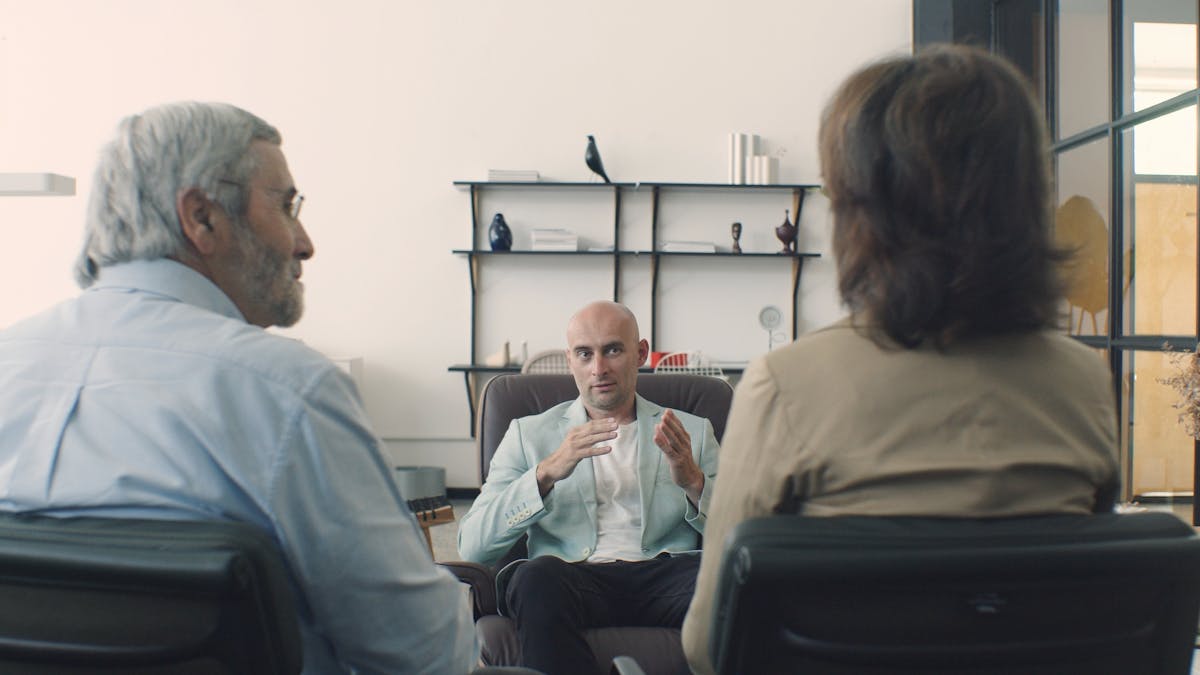
Many older couples avoid therapy because they see it as something for people who are about to divorce. They may tell themselves they have survived this long without help, so asking for it now feels dramatic, embarrassing, or too late to matter.
That belief keeps too many couples trapped in old pain. Therapy is not only for broken marriages. It can help older partners talk through grief, anger, intimacy changes, retirement stress, family tension, health fears, and wounds that were buried instead of healed.
There is no prize for suffering in silence. A couple can still learn new ways to speak, listen, repair, and reconnect after decades together. Getting help late is still better than letting pride turn the final chapters of love into emotional distance.
Stop Avoiding Hard Conversations About Health and Aging
Health changes can shake a relationship in ways many couples do not expect. One partner may need more help, more patience, more physical care, or more emotional support, and the other may feel scared, tired, guilty, or unprepared for the responsibility.
Avoiding these conversations does not make aging easier. It only leaves both people guessing about illness, caregiving, mobility, memory changes, future housing, medical choices, and end-of-life wishes. Silence may feel protective, but it often creates more fear.
Hard conversations are not romantic in the usual sense, but they are deeply loving. They say, “I want us to face reality together.” For older couples, honesty about aging can become one of the strongest forms of devotion.
Stop Believing Romance Has to Look Young

Many older couples quietly compare today’s relationship to the early years and decide something must be missing. They remember the passion, the long nights, the spontaneous dates, the endless conversations, and the physical energy that once made love feel effortless.
But romance does not disappear just because it changes shape. Later-life romance may look like holding hands at a doctor’s appointment, warming up the car, saving the last good piece of fruit, or noticing when the other person looks tired before they say a word.
The mistake is assuming softer love is weaker love. Older romance may be less dramatic, but it can be deeply intimate when both partners stop chasing a younger version of passion and start honoring the tenderness they still have.
Stop Treating Alone Time Like Rejection
Some older couples believe they must do almost everything together to prove the relationship is still strong. That belief can sound romantic at first, but it may slowly become suffocating when both people need breathing room, private thoughts, and personal routines.
Alone time does not always mean someone is pulling away. Sometimes it means a person needs space to read, walk, pray, garden, call a friend, sit quietly, or remember who they are outside the relationship. Long love still needs individuality.
A partner who enjoys time alone may return with more patience, warmth, and interest. Constant togetherness can create irritation when both people feel watched, interrupted, or emotionally crowded. Mature love should feel close, not trapped.
Stop Letting Adult Children Run the Relationship
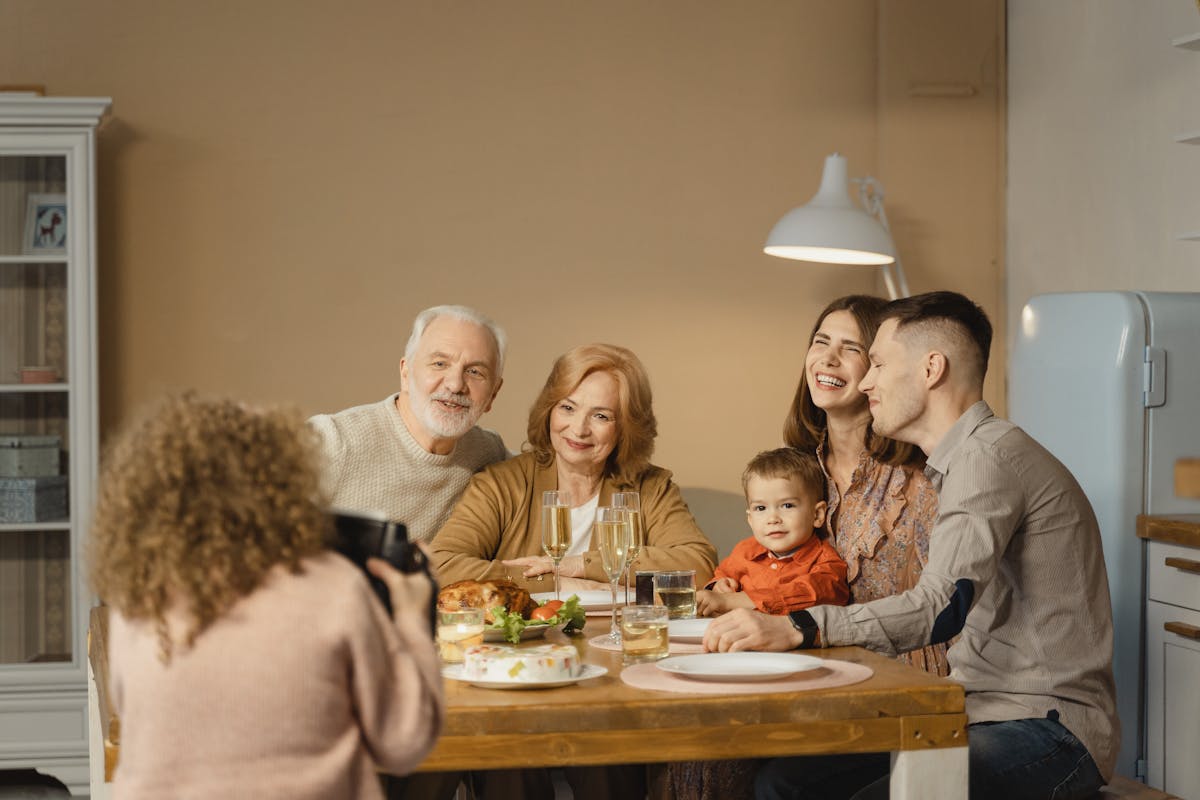
Adult children can bring joy, comfort, and support, but they can also become too involved in a couple’s private life. Some older couples allow their grown children to influence where they live, how they spend money, how holidays are celebrated, or what caregiving choices should look like.
That kind of pressure can quietly damage a marriage. One partner may feel ignored, overruled, or pushed aside in decisions that should still belong to the couple first. Family closeness becomes unhealthy when it begins to replace the couple’s own voice.
Loving adult children does not mean giving them control of the relationship. Older couples still deserve privacy, boundaries, dignity, and the right to make shared decisions without every choice becoming a family committee meeting.
Stop Staying Silent Just to Keep the Peace
Many older couples become experts at avoiding conflict. They change the subject, swallow disappointment, joke around the truth, or tell themselves it is too late in life to bring up painful issues that have been sitting there for years.
But peace built on silence is fragile. It may look calm from the outside, yet resentment can grow quietly behind the scenes until affection feels forced and conversation becomes shallow. Avoiding every hard topic can turn a home into a polite waiting room.
Healthy couples do not fight about everything. They simply refuse to let important truths disappear in the name of comfort. Sometimes, the conversation people fear most is the one that finally makes the relationship feel honest again.
Final Thought

Older love does not survive by obeying every rule people once called respectable. It survives when two people are brave enough to ask what still works, what no longer fits, and what has been quietly making the relationship colder than it needs to be.
Separate bedrooms, therapy, alone time, money talks, boundaries, outside friendships, and honest conversations may sound uncomfortable at first. But for many older couples, these so-called taboos are not signs of failure. They are signs that both people still care enough to tell the truth.
The real danger is not breaking outdated relationship rules. The real danger is staying loyal to rules that slowly turn partners into strangers.