8 Ugly Reasons Healthy Eating Feels Impossible in America
You walk into the grocery store with the confidence of someone who has watched three meal-prep videos and suddenly believes life is about to change.
This is the week, you tell yourself. You are going to buy vegetables, cook real meals, stop ordering takeout, drink more water, and become the kind of person who owns matching glass containers.
Then reality taps you on the shoulder in aisle five.
The strawberries cost more than expected. The chicken looks like it needs financing. The salad greens are already one bad afternoon away from turning into swamp confetti. The kids want snacks. The checkout lane is packed with candy. The frozen pizza is cheaper, faster, and requires no washing of a single cutting board.
That is why healthy eating feels impossible for so many households in America. It is not just about discipline. It is about price, time, access, stress, marketing, family pressure, and a food system that makes the easiest choices feel cheaper than the better ones.
Grocery pressure is real, with recent inflation data showing that food at home rose over the past year, while fruits and vegetables climbed even faster. Healthy eating becomes harder when the produce aisle starts feeling like the luxury section.
Fresh food often costs more than people expect
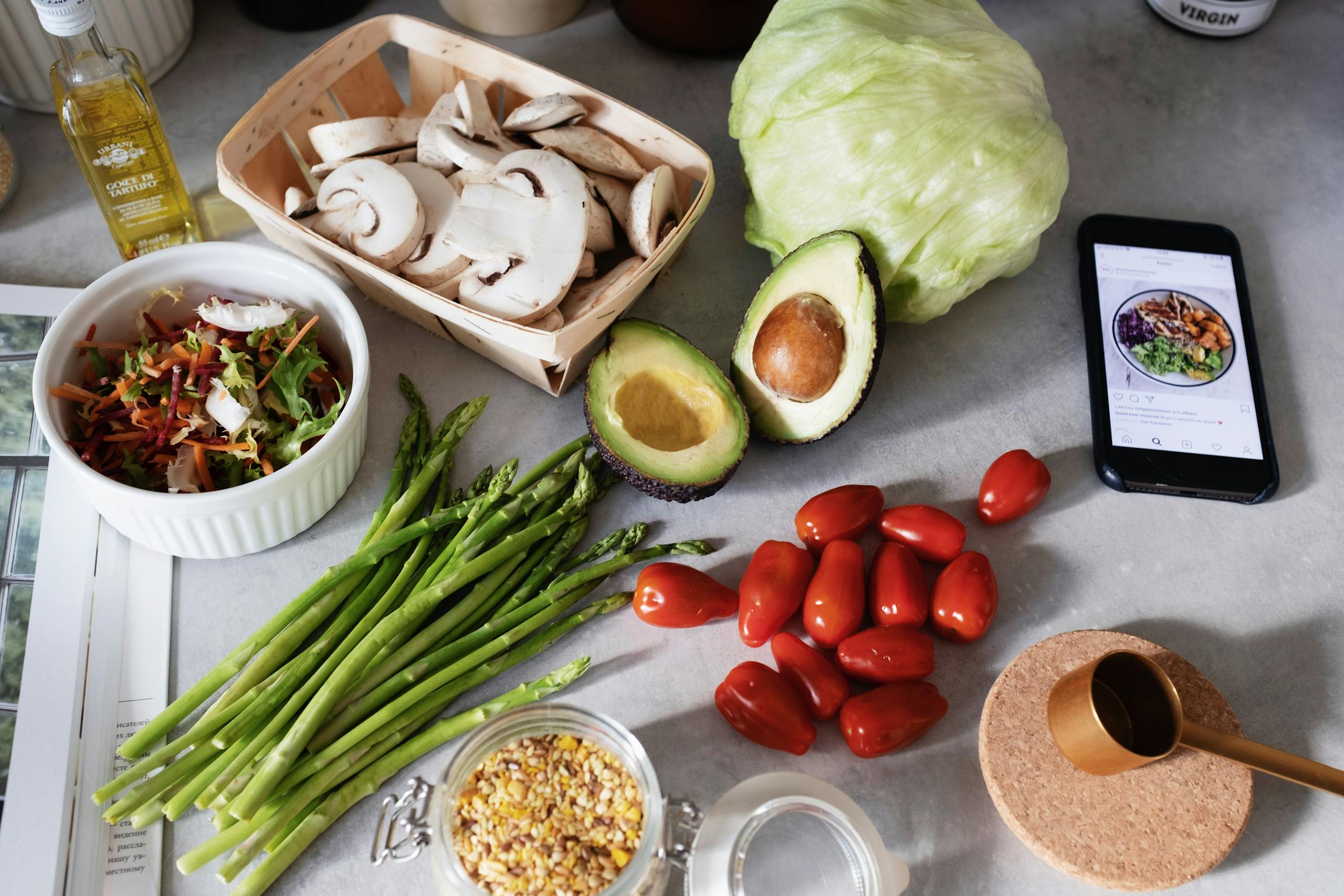
Healthy eating sounds simple until you start pricing it.
A bag of apples. A pack of chicken. Greek yogurt. Fresh vegetables. Nuts. Olive oil. Whole-grain bread. A few ingredients for dinner. Suddenly, the cart looks responsible, but the total looks rude.
Many Americans know the feeling. They walk into the store planning to cook at home, then watch the receipt climb as they add each “healthy” item. Fresh food can still be affordable when combined smartly, but it often feels riskier than cheaper shelf-stable options because it spoils faster.
That changes behavior. A box of pasta can sit in the pantry for months. A bag of spinach starts threatening you by Thursday. Frozen nuggets do not judge your schedule. Fresh salmon does.
When money is tight, people not only ask what is healthy, but also what is affordable. They ask what will last, what everyone will eat, and what will not become expensive garbage in the fridge.
The cheapest food is often the easiest food.
America does not just sell food. It sells convenience.
Drive-thru meals, frozen dinners, snack packs, sugary cereals, instant noodles, chips, soda, and ready-to-eat foods are everywhere because they solve real problems. They are fast. They are familiar. They require little cleanup. They calm hungry kids. They help exhausted adults survive the night.
That does not make them harmless. It makes them powerful.
Ultra-processed foods dominate many American diets, with national health data showing that they accounted for more than half of daily calories among people aged 1 and older during the most recent measured period.
That is not because Americans woke up and decided nutrients were boring. It is because convenience keeps winning in a country where people are tired, busy, underpaid, overscheduled, and surrounded by cheap edible shortcuts.
Healthy eating feels impossible when the time-saving food is often the very food people are told to avoid.
Food access still depends too much on ZIP code.
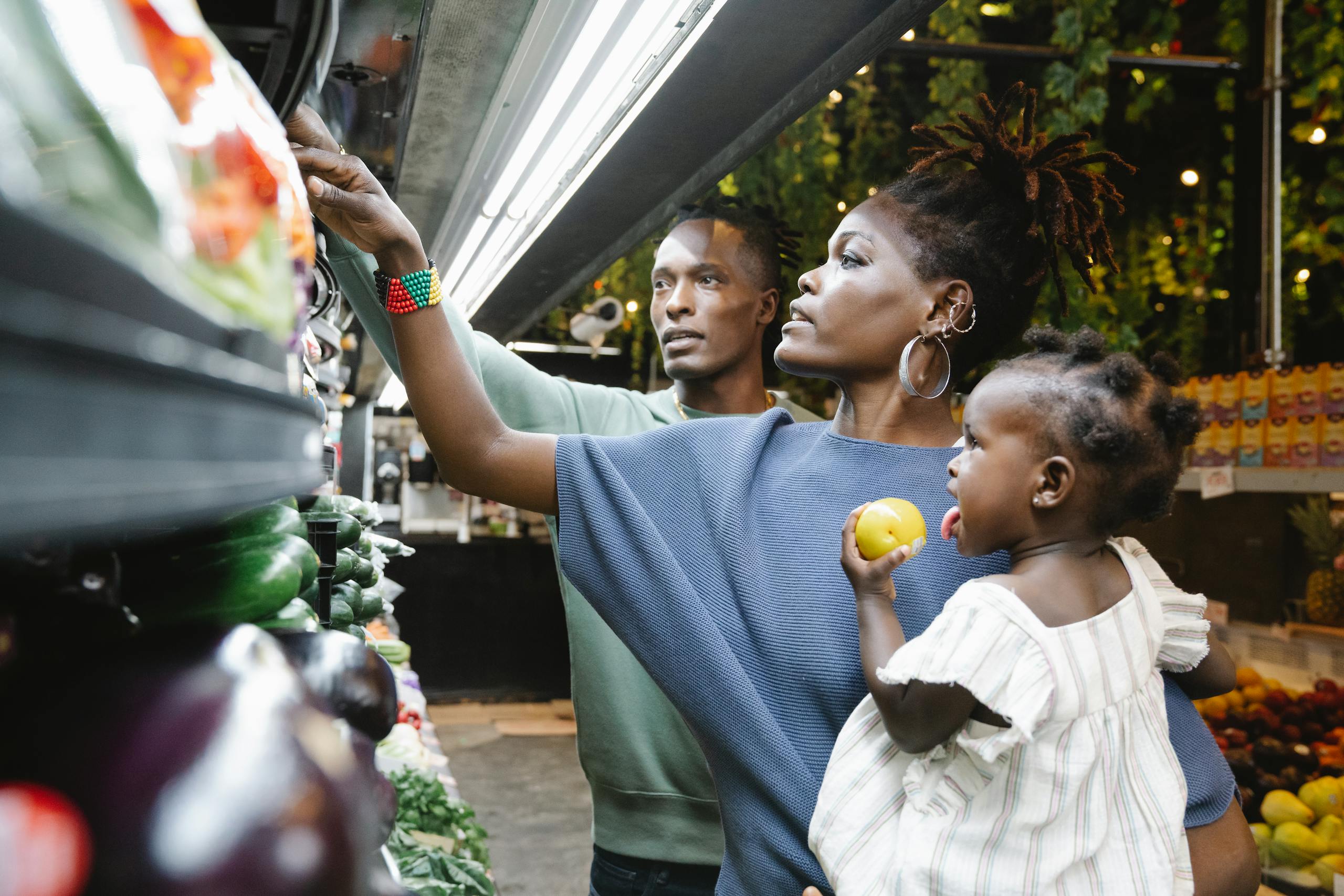
Healthy eating is easier when a good grocery store sits nearby. That is not everyone’s reality.
Some Americans live near several supermarkets, farmers’ markets, specialty stores, and delivery options. Others rely on dollar stores, gas stations, corner stores, fast-food chains, or a grocery store, all of which require a long bus ride, a working car, or a careful schedule.
Food access shapes choices before anyone talks about willpower.
National food access tools still track communities using supermarket accessibility measures, including low-income areas where distance, transportation, and store availability can make healthy shopping harder. That matters because telling someone to “just buy fresh food” ignores the practical question of where, when, and how.
A person with a car, a warehouse-club membership, a flexible schedule, and a well-stocked kitchen lives in a different food world from someone taking two buses after work with a tired child and a limited budget.
Healthy eating is not only a personal choice. It is also a geography problem.
Busy schedules make cooking feel like another job.
A healthy dinner looks beautiful online. In real life, it often arrives after work, traffic, school pickup, homework, laundry, bills, sports practice, elder care, and the small daily emergencies that never make it onto Instagram.
Cooking takes more than ingredients. It takes planning, chopping, timing, dishes, storage, cleanup, and enough mental energy to decide what everyone will actually eat. That is a lot to ask at 6:43 p.m. when the house is hungry, and nobody wants lentils.
This is where fast food and takeout gain power.
They do not always win because they are better. They win because they are ready. No peeling. No thawing. No arguing with a recipe. No sink full of pans. Just food in a bag and a few minutes of peace.
Healthy eating feels impossible when the “right choice” comes with another unpaid shift in the kitchen.
Food labels make everything more confusing.

American grocery aisles are full of promises. Natural. Clean. Organic. High protein. Low sugar. Keto-friendly. Plant-based. Heart healthy. Gut-friendly. No artificial flavors. Made with whole grains. Less sodium. Real fruit. Smart choice.
Some of those labels matter. Others mostly make shoppers feel better, while the nutrition facts tell a more complicated story.
That confusion wears people down. A parent trying to buy better snacks should not need a nutrition degree in aisle seven. Yet many products look healthy from the front and less impressive from the back. Sugar hides under different names. Serving sizes shrink. “Made with” can mean very little. A green package can make almost anything look virtuous.
This is one reason healthy eating feels impossible in America. The supermarket does not just sell food. It sells health language.
Shoppers are not only comparing prices. They are decoding marketing.
Family budgets force tradeoffs every week.
Healthy eating becomes harder when the whole budget is under pressure. Rent rises. Insurance rises. Car repairs happen. Childcare drains paychecks. Medical bills surprise people. Then groceries land on top of everything else.
Food insecurity remains a major household problem, with data showing that households with children still faced high levels of food insecurity in 2024. That means millions of families are not debating which tastes better: arugula or kale. They are trying to stretch food through the week.
The pressure continued into 2025, when research found that many working-age adults living with children reported household food insecurity over the prior year.
That kind of stress changes shopping. Families may choose canned foods over fresh foods. They may buy what the kids will eat, not what a wellness influencer recommends. They may pick bulk calories over delicate produce because hunger is more urgent than nutritional perfection.
A food budget under stress does not reward ideal choices. It rewards survival.
“Wellness” has made healthy eating feel expensive.
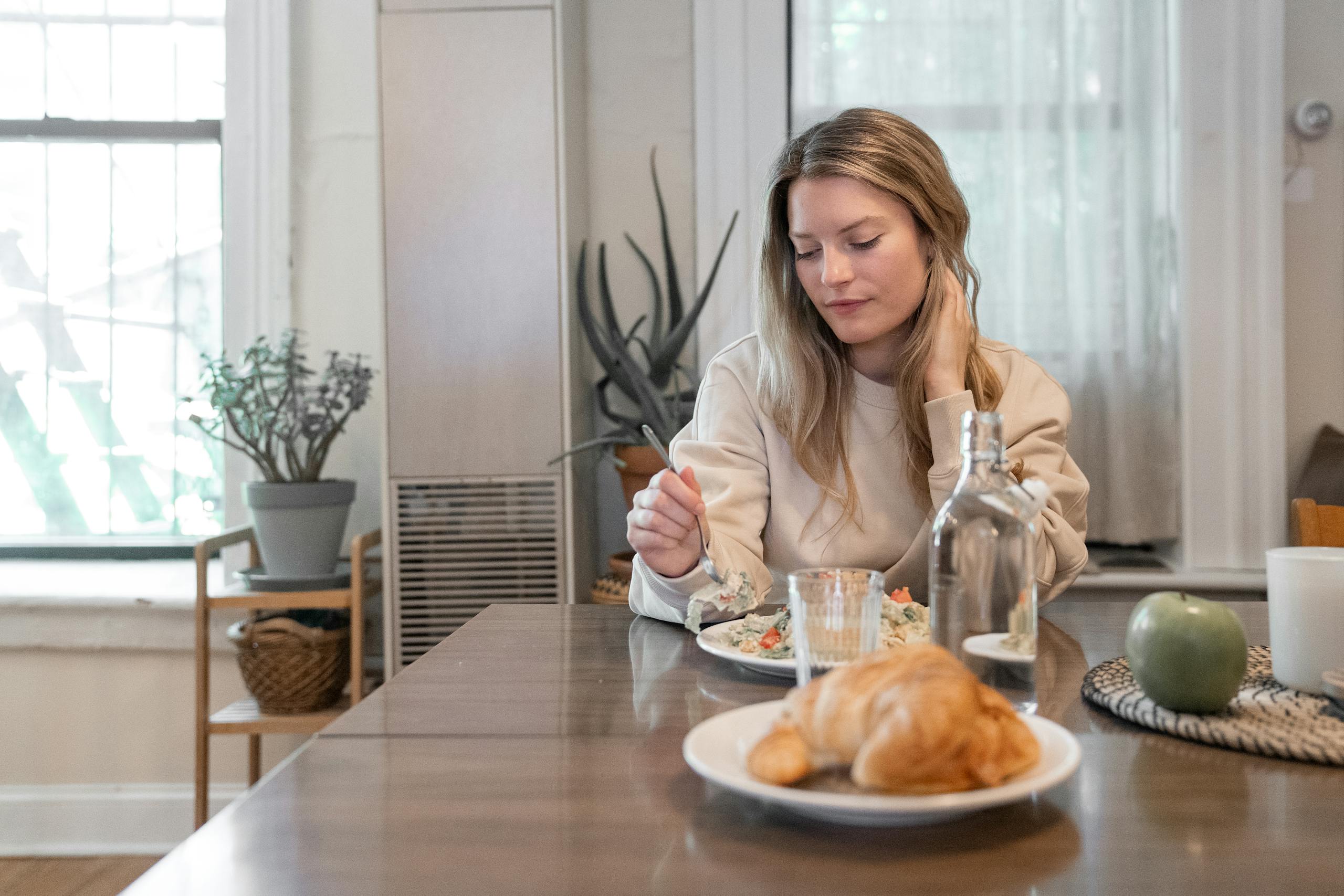
Healthy eating used to mean basic things. Eat vegetables. Drink water. Cook more often. Choose whole foods when possible. Watch portions. Keep some balance. Now, wellness culture has turned eating well into a lifestyle display.
The internet makes it look like health requires organic everything, grass-fed meat, wild-caught fish, collagen powder, adaptogenic drinks, mushroom coffee, boutique protein bars, glass containers, specialty salt, expensive smoothies, and supplements with names that sound like forest spirits.
That version of health feels exhausting and expensive. Many Americans look at wellness content and assume they cannot afford to be healthy. That is the real damage.
The basics get buried under branding. Beans, oats, eggs, frozen vegetables, canned tuna, brown rice, apples, peanut butter, lentils, carrots, and water do not get the same glamorous treatment as a “reset bowl” filmed in a sunlit kitchen.
Wellness culture often sells the feeling of health more aggressively than health itself.
Stress makes food emotional, not just nutritional.
Food is not just fuel in America. It is comfort after a bad day. A reward after a long shift. A quick fix during a stressful afternoon. A treat for kids. A ritual during football games. A coping tool when money, work, relationships, and the news feel heavy.
That matters because stress changes food choices.
An exhausted person is not always looking for the most balanced meal. They are looking for relief. Salty, sweet, creamy, crunchy, and familiar foods can feel like a small mercy when life has been too much.
That does not make people weak. It makes them human.
Healthy eating feels impossible when food has to solve hunger and emotion at the same time. A salad may be good for the body, but it may not feel like comfort after a brutal commute, a sick kid, a tense meeting, and a grocery bill that already felt too high.
This is why shame does not work. People do not need more guilt about food. They need more support, better options, realistic routines, and less pressure to eat perfectly in an imperfect life.
How Americans can make healthy eating feel less impossible

Healthy eating does not have to look like a wellness influencer’s refrigerator. It can look ordinary.
Frozen vegetables. Canned beans. Rotisserie chicken. Oatmeal. Eggs. Rice. Soup. Tuna. Apples. Peanut butter. Yogurt. Leftovers. Simple tacos. Sheet-pan meals. Pasta with vegetables. Chili that lasts three days. A water bottle that actually gets used.
The goal is not perfection. The goal is fewer barriers. Buy produce you will actually eat. Keep backup meals for tired nights. Use frozen fruits and vegetables when fresh ones are unavailable or risky to obtain. Build meals around affordable staples.
Ignore health trends that make food feel like a personality test. Cook double when you have energy, then thank yourself later.
Healthy eating becomes easier when it stops trying to be beautiful and starts becoming practical.
Conclusion
Healthy eating in America is not hard because Americans do not care. It is hard because the system keeps making the healthier choice feel like the harder choice.
Fresh food costs more than people expect. Ultra-processed food is everywhere. Good grocery stores are not equally accessible. Cooking takes time that many people do not have. Labels confuse shoppers. Family budgets force hard tradeoffs. Wellness culture makes health look expensive. Stress turns food into comfort.
That is why the phrase healthy eating feels impossible in America hits so many households so quickly. It captures the feeling of standing in a grocery aisle, trying to make the right choice while your budget, schedule, family, and appetite all argue at once.
The answer is not shame. The answer is honesty, access, affordability, and practical habits that make real food easier to choose.
Americans do not need perfect diets. They need a food life that works.