Move Over, Cornbread: This Soft, Golden Sweet Corn Spoonbread Deserves a Spot at Dinner
Sweet corn spoonbread offers a different kind of comfort from a slice of skillet cornbread: a soft, creamy center, a golden top, and a texture made for scooping rather than cutting into tidy squares. Southern Bite’s version uses corn muffin mix, two kinds of canned corn, sour cream, butter, and eggs. It is a straightforward side dish that needs one mixing bowl and no homemade pastry, yeast, or elaborate prep.
Recipe developer and cookbook author Stacey Little lists 10 minutes of prep and about 45 minutes of cook time, yielding eight servings from a two-quart casserole dish. His method is simple: combine the ingredients, pour them into the prepared dish, and bake. That makes this a practical introduction to spoonbread, although it is important to distinguish this convenient, casserole-style version from more soufflé-like recipes that use cooked cornmeal and whipped egg whites.
Softer Than Cornbread, Simpler Than a Soufflé
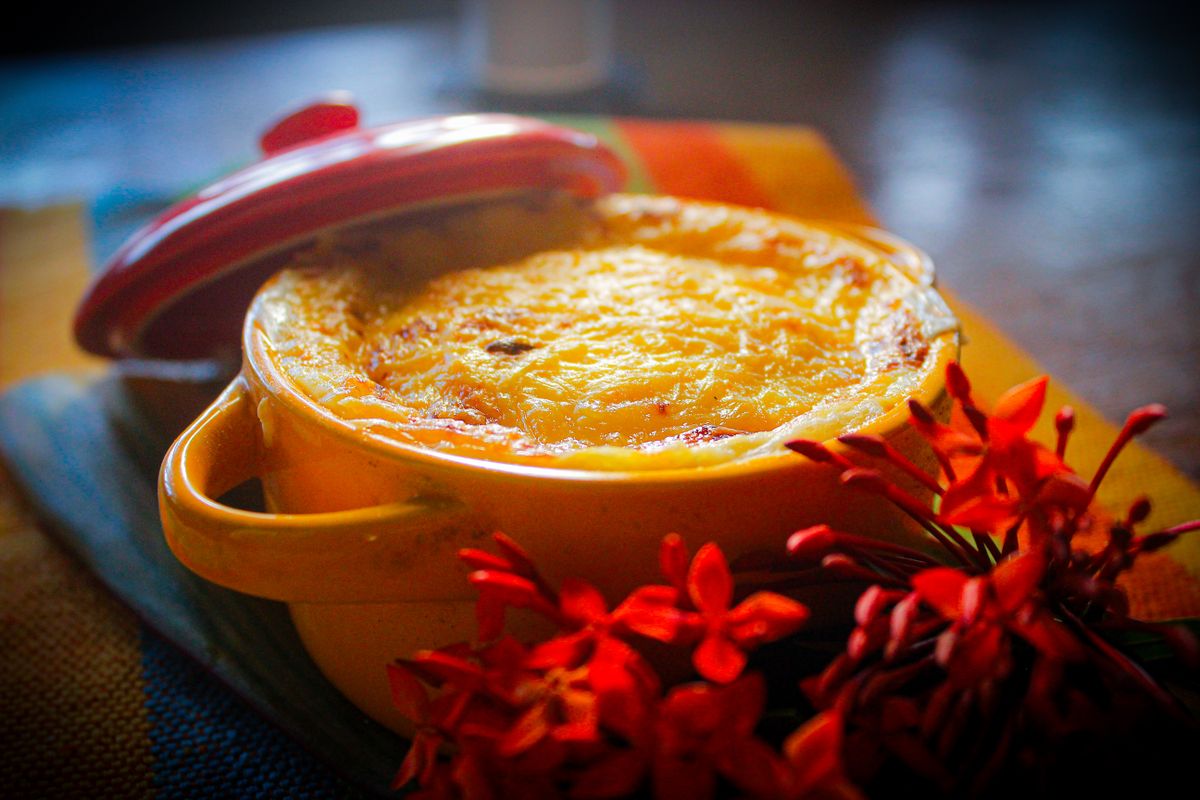
Spoonbread earns its name from how you serve it. Unlike the crumbly, bread-like texture of cornbread, it is soft enough to scoop with a spoon. Little describes the relationship with a useful family comparison: “I like to think of spoon bread and cornbread as being like cousins, not quite siblings and definitely not twins.” Both draw on corn, but they deliver different experiences on the plate.
The name can become confusing because cooks use overlapping terms for related dishes. “Some folks call it corn pudding, corn casserole, corn soufflé, even Jiffy Corn casserole,” Little writes of his recipe. Those names reflect how people talk about this preparation; they don’t mean every corn pudding, casserole, and soufflé is identical. Here, the corn muffin mix and whole eggs create an easy baked side without a separate egg-white-whipping stage.
Traditional-style spoonbread can involve more technique. King Arthur Baking’s recipe begins by cooking cornmeal with milk, then cooling the mixture before adding eggs. Its instructions also offer a lighter variation: separate the eggs, stir the yolks into the base and fold in whites whipped to medium peaks. That option produces a more soufflé-style dish, but it belongs to that recipe, not an extra step casually added to Little’s different formula.
This distinction sets realistic expectations for the sweet corn version. Expect a soft, moist casserole with corn kernels throughout, not the dramatic rise of a carefully aerated soufflé. The appeal is that it brings a spoonable corn side to the table with easy-to-measure, easy-to-combine ingredients. You do not need to master egg-white peaks to follow the published recipe successfully.
Seven Ingredients and One Bowl Get It Into the Oven
For the full batch, Little specifies one 8.5-ounce package of JIFFY Corn Muffin Mix, one 14.75-ounce can of cream-style corn and one 15-ounce can of whole-kernel corn, drained. Add one-half cup melted unsalted butter, one cup sour cream, three large eggs, and one-half teaspoon salt. These are the complete published quantities; the recipe includes no separate measure of sugar.
The two corn products serve different roles in the formula, so follow the drainage instructions carefully. Drain the whole-kernel corn, but use the cream-style corn as called for rather than treating both cans the same way. Likewise, the specified butter is melted before mixing. These details keep the batter consistent with the recipe and avoid adding extra liquid or relying on solid butter to distribute itself during baking.
Heat the oven to 375°F and lightly grease a two-quart casserole dish with nonstick cooking spray. Combine all the ingredients in a large bowl, mix well, and pour into the prepared dish. Bake for 40 to 50 minutes, until the spoonbread is golden brown and set. The recipe card’s 45-minute cooking estimate sits within that range; it is not a promise that every oven will finish the dish at precisely the same moment.
If you are feeding a larger group, Little provides a specific doubling instruction: double every ingredient and use a greased 9-by-13-inch baking dish. Bake that larger batch for 50 to 60 minutes, again looking for a golden, set result. The longer timing matters. Doubling a recipe does not mean squeezing twice the batter into the original dish or assuming the original baking time will still be sufficient.
Related; Soybeans, Corn, and Wheat Tariffs Could Drop Before Trump and Xi’s September 24 Meeting
An Easy Side With a Much Older Southern Story
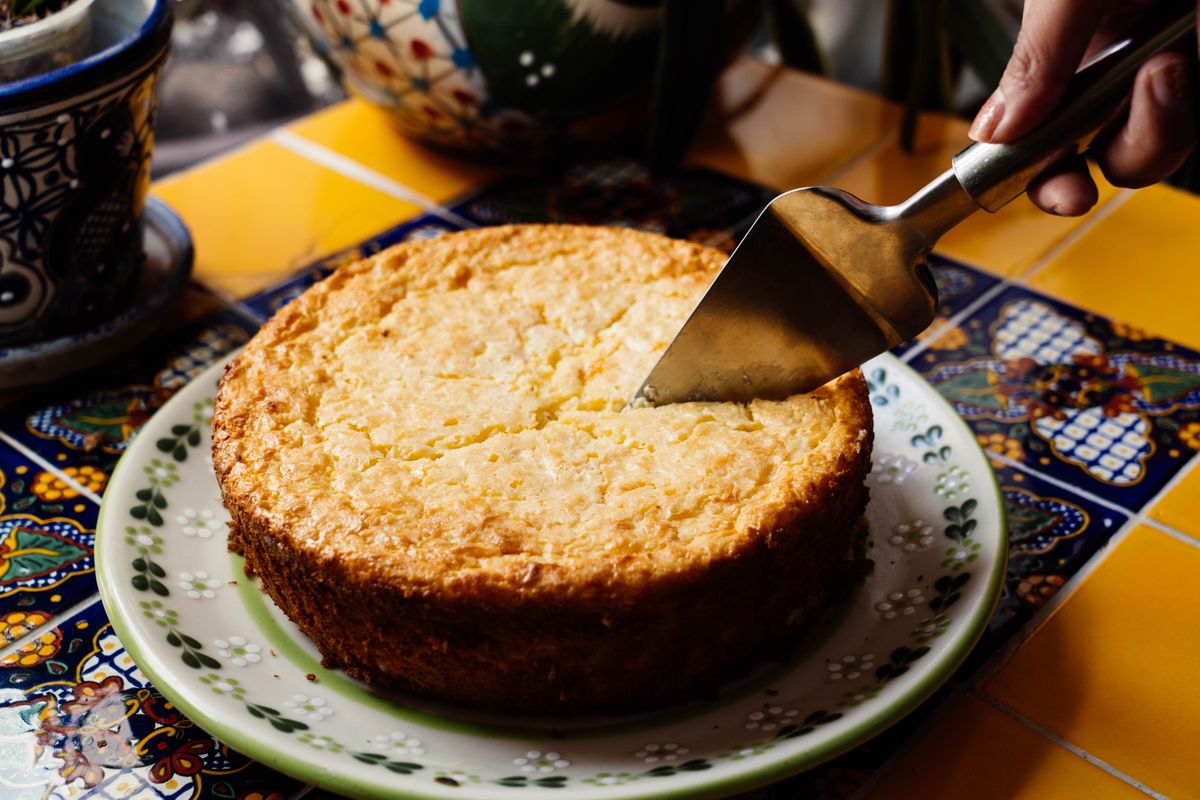
The boxed-mix shortcut is modern, but spoonbread belongs to a longer Southern cooking tradition. Food52 points to a “Batter Bread” recipe in Mary Randolph’s 1824 cookbook, The Virginia Housewife, as an early documented relative. That is a historical connection, not proof that today’s canned-corn casserole appeared unchanged two centuries ago. The dish has taken different forms as cooks adapted ingredients and methods across generations.
Chef and cookbook author Edna Lewis helped preserve that tradition in In Pursuit of Flavor. Her “Orange County Spoonbread” references the Virginia county where she grew up and uses grated fresh corn. Lewis’s version differs from Little’s, but its inclusion shows why spoonbread deserves attention beyond a convenient holiday casserole: it is part of the record of regional home cooking that influential Black cooks carried into published American food writing.
Southern food historian John Egerton expressed his admiration with memorable enthusiasm: “A properly prepared dish of spoonbread can be taken as continued testimony to the perfectibility of humankind.” That is affectionate praise rather than a technical description, but it captures how much feeling a seemingly modest corn dish can inspire. Its appeal lies in texture and familiarity, without requiring an elaborate presentation or a long list of finishing touches.
Little recommends his sweet corn version for Thanksgiving and everyday family meals. He also says he baked it the day before and reheated it for serving, though the page doesn’t provide a precise reheating temperature or duration. For a first attempt, follow the straightforward baking instructions to avoid that extra uncertainty. Bring it to the table with a serving spoon, and let its soft center and golden top explain why this cornbread cousin deserves another look.