8 Shocking Ways Grandparents Are Becoming the New Childcare System
A new kind of morning rush is happening in American homes. It is Grandma arriving with coffee in one hand and a diaper bag in the other. It is Grandpa trying to buckle a car seat while muttering that the thing has more straps than a NASA launch.
It is a retired couple who once imagined slow breakfasts, quiet errands, and maybe a cruise, now learning the school pickup line as if it were a second career.
This is not just a sweet family moment. It is a survival plan. Across America, grandparents are no longer just showing up for birthday cake, Christmas pajamas, and suspiciously generous candy rules. They are becoming the backup plan, the after-school plan, the sick-day plan, and, in some homes, the entire childcare plan.
That is why grandparents becoming the new childcare system feels so real. Parents are not leaning on grandparents only because they want tradition. Many are doing it because daycare costs feel impossible, work schedules do not bend, and one missed shift can wreck a fragile household budget.
The math explains the pressure. Formal childcare can cost families more than $13,000 per child annually, which makes Grandma’s kitchen table feel less like a backup option and more like a financial lifeline.
Daycare costs are turning Grandma’s house into Plan A

Childcare in America can make a working parent feel trapped before the day even starts. A family may do everything right. They budget carefully. They pack lunches. They shop sales. They work full-time. Then the daycare bill arrives, acting like it has its own mortgage.
That is where grandparents step in.
Many parents are not asking for help because they are careless. They are asking because the numbers no longer make sense. One parent may realize that almost an entire paycheck would go to childcare. Another may turn down overtime because the cost of care would exceed what the extra hours would earn.
Grandparents serve as a bridge between wanting to work and being able to work.
That bridge is built from love, but also from pressure. Parents feel grateful and guilty. Grandparents feel needed and tired. Everyone loves the child, but love does not erase the truth: a national childcare problem is being solved at Grandma’s breakfast table.
The pressure gets even clearer when families look beyond daycare and see that raising a child can cost over $300,000 by adulthood. At that point, a grandparent’s help can feel less like a favor and more like the only reason the family budget does not collapse.
School hours and work hours still do not match.
The American school schedule and the American work schedule seem like they were designed by two people who never spoke to each other.
A parent may need to clock in at 8 a.m., but school doesn’t start until later. A child may be dismissed at 3 p.m., while the parent’s shift ends at 5:30.
Then come half-days, snow days, teacher workdays, summer break, early release, sick days, and random “please pick up your child” calls that land during meetings.
Grandparents often become the human patch between all those gaps.
They handle drop-offs. They stand at bus stops. They wait in pickup lines that move with the urgency of airport security on a holiday weekend. They bring forgotten lunches. They answer school nurse calls. They cover the awkward hours that no official system seems built to handle.
This is one of the clearest ways grandparents are becoming the new childcare system. They are not always replacing daycare completely. Sometimes they are filling every crack around it.
Two hours after school may sound like a short time. For a working parent, those two hours can be the difference between keeping a job and constantly apologizing to a boss.
Unpaid grandparent care is holding families together.
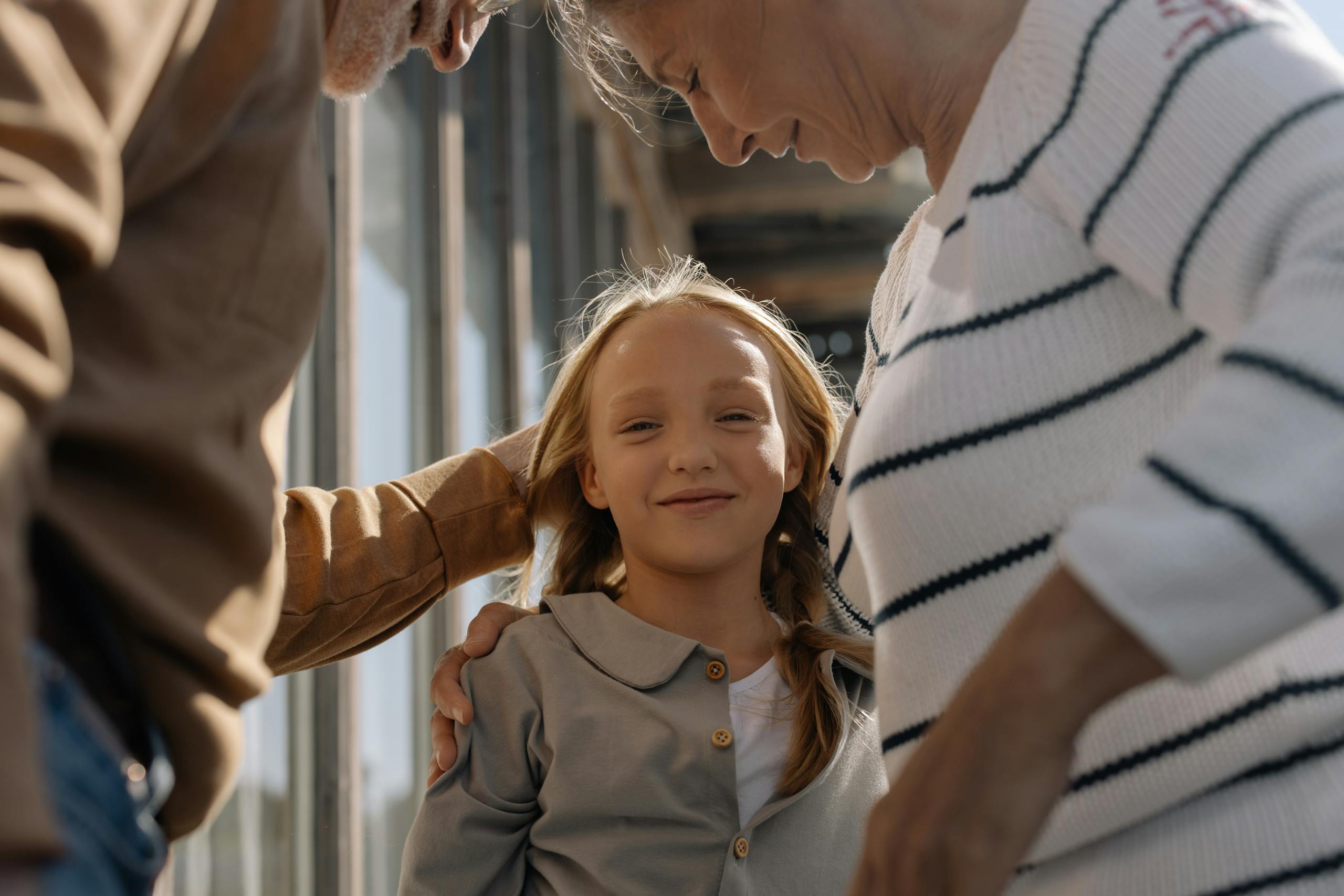
A lot of American childcare does not come with an invoice. It comes with a hug at the door, a snack cabinet, a spare booster seat, and a grandparent saying, “Bring them over. We will figure it out.”
That unpaid care is holding many families together. Recent household data show that relatives provide much of the unpaid care families rely on, and grandparents are often part of that care, especially when families need help that paid options cannot easily cover.
In some cases, the grandparent is not just nearby; they live with them. That changes what retirement looks like.
Instead of quiet mornings, some grandparents are back to cereal bowls, backpacks, cartoons, missing shoes, spelling homework, and bedtime routines.
Instead of spontaneous travel, they check school calendars. Instead of stepping away from responsibility, they step into a new kind of work with no official title. The love is real. The labor is real, too.
When Grandma does it, people often call it family help. But if a stranger did the same work, everyone would recognize it as childcare.
Multigenerational homes are becoming a family strategy.
For some families, childcare is not just about who watches the kids. It is about who lives under the same roof.
Housing costs, childcare bills, eldercare needs, and family stress are pushing more households to rethink the old American dream of everyone living separately. A grandparent may move in with adult children.
Adult children may move back home. Families may buy or rent bigger spaces so everyone can share costs and care. That setup can be beautiful.
A child gets more time with grandparents. Parents get support. Grandparents feel involved. Bills may become easier to manage. Family meals happen more often. Someone is nearby when life goes sideways. It can also be complicated.
Privacy shrinks. Parenting disagreements get louder. Grandparents may feel overused. Parents may feel judged. Kids may enjoy the extra love while adults quietly argue over screen time, snacks, discipline, and whose turn it is to clean the kitchen.
Still, the shift is practical. Many families are choosing multigenerational homes because modern family life has become too expensive and too demanding to manage on their own.
Sick days now come with a grandparent emergency call.

Every working parent knows the school nurse phone call. Your child has a fever. Your meeting starts in ten minutes. Your boss already sounded annoyed last week. Daycare says the child cannot return until the symptoms clear. The babysitter is unavailable. The family group chat goes silent.
Then someone calls Grandma.
Grandparents have become the emergency response team for sick days, daycare closures, canceled babysitters, shift changes, traffic disasters, and surprise school calls. They are the people parents call when the system breaks, which is often. That help can save the whole week.
But it is not easy work. Sick-day childcare means medicine schedules, cranky toddlers, missed naps, extra laundry, chicken soup, thermometer checks, and a child who may only want Mom or Dad. For older grandparents, it can also mean real physical strain.
Still, many show up because they know what is at stake. One missed workday can cost wages. Too many missed days can threaten job security. Sometimes Grandma’s arrival is not just helpful; it’s essential. It is what keeps the family afloat.
This is why unpaid childcare is not a small detail in family life. Care decisions can shape work decisions, especially for families making tradeoffs between time and cost.
Some grandparents are raising children all over again.
Not every grandparent is simply helping after school. Some are parenting again.
This can happen because of addiction, incarceration, illness, death, military service, mental health struggles, financial collapse, or family instability. In those homes, grandparents are not extra support. They are the anchor.
They handle school forms, doctor visits, homework, discipline, bedtime routines, court paperwork, birthday parties, and childhood trauma. They are not just making snacks and telling stories. They are raising children in the years when they expected life to slow down.
National data show that many grandparents who live with grandchildren also provide their care, with about one-third of co-resident grandparents taking on that role. That is not casual babysitting. That is a second round of parenting.
The emotional load can be heavy. A grandparent may deeply love the child while grieving the reason the child needs them so much. They may feel proud, exhausted, protective, and heartbroken all at once.
Grandparents are paying hidden costs nobody counts.

Grandparent childcare is often called free. It rarely is. Someone buys the extra snacks. Someone uses more gas. Someone keeps diapers, wipes, booster seats, car seats, toys, medicine, books, juice boxes, and emergency chicken nuggets on hand.
Someone changes plans, cancels appointments, delays errands, or spends retirement money in small ways nobody tracks. That cost does not always show up as a bill.
It shows up as a gas tank that empties faster. A grocery receipt that creeps higher. A doctor’s appointment was moved because school pickup matters more. A quiet afternoon replaced by cartoons and crumbs on the couch.
Grandparents may not want to be paid by their children. Many would refuse it. But that does not mean their time has no value.
This is one of the uncomfortable truths behind grandparents becoming the new childcare system. The work looks invisible because it is wrapped in love. But invisible work still takes energy, money, and sacrifice.
The hidden scale is larger than many people realize, with national grandfamily data showing that millions of grandparents are responsible for their grandchildren in some form.
The line between help and obligation is getting blurry.
Grandparent childcare often begins as a gift. Grandma watches the baby on Mondays. Grandpa handles Friday pickup. Everyone is grateful. The child is happy. The family saves money. The arrangement feels warm and simple. Then the need grows.
One day becomes three. Backup help becomes expected help. A quick favor becomes a standing schedule. A grandparent who wanted to support the family may suddenly feel like saying no would cause a crisis. That is where resentment can sneak in.
Parents may feel they have no better option. Grandparents may feel guilty for wanting their own time. Small parenting differences can become bigger. One side may feel judged. The other may feel taken for granted.
The best arrangements require honesty before everyone gets tired.
Grandparents should be allowed to say what they can handle. Parents should be clear about expectations. Everyone should treat the help as valuable, not automatic. A family can love each other deeply and still need boundaries.
How families can make grandparent childcare work better

Grandparent childcare works best when people talk before resentment builds.
Parents should ask, not assume. Grandparents should be honest, not silent. Schedules should be clear. Backup plans should exist. Rules around food, naps, screen time, discipline, transportation, sick days, and bedtime should be discussed early.
Money should not be ignored either. Even if grandparents do not want payment, parents can help with gas, groceries, supplies, meals, errands, or household chores. Appreciation should be practical, not just emotional.
Most of all, families should remember that grandparents are people, not childcare infrastructure with birthdays.
They may adore the grandchildren and still get tired. They may want to help and still need rest. They may be loving, generous, and deeply committed, but they should not have to disappear inside the role.
Conclusion
Grandparents were once seen as the bonus people in a child’s life. They spoiled the kids, told old stories, slipped them candy, showed up at school plays, and sent them home slightly louder than they arrived.
Now, in many American households, grandparents are doing something much bigger.
They are making work possible. They are keeping children safe. They are filling the gap between school and shift work. They are replacing daycare families that cannot afford it. They are raising grandchildren when life falls apart.
That is why grandparents becoming the new childcare system is both touching and troubling. It shows the strength of family. It also shows the weakness of a system that leaves parents scrambling and grandparents stepping into roles they never planned to carry again.
Grandparents may be saving American families one pickup, one snack, one sick day, and one bedtime story at a time. But love should not have to do all the work alone.